
Pruning
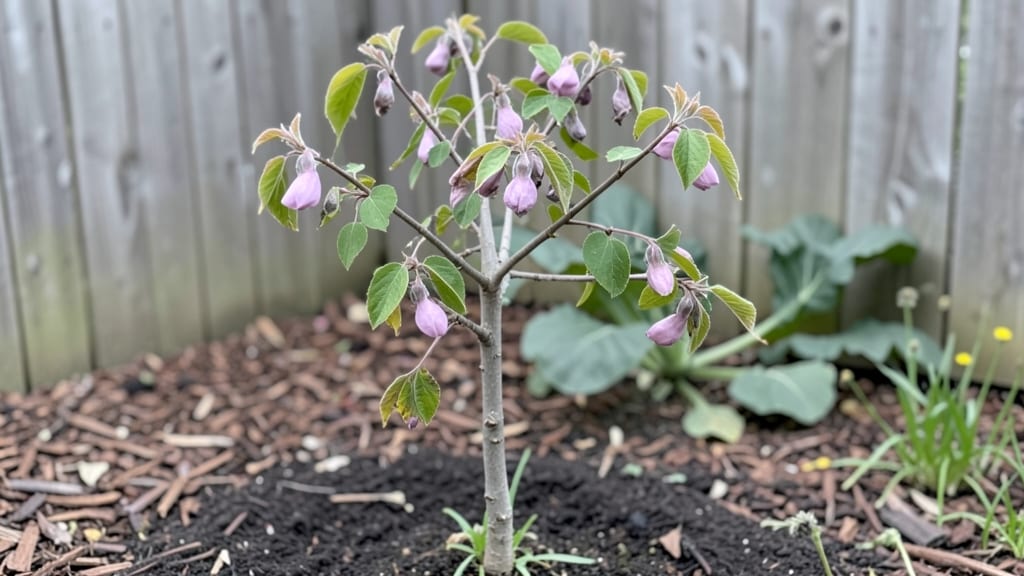
The Sunset Redbud tree bursts into vibrant pink glory weeks before most spring bloomers—its early season color is a Pacific Northwest garden game-changer. 🌸 I planted mine last April, and by May, the whole yard was alive with blossoms while neighbors were still shoveling snow.
The secret to replicating that showstopping display? A few simple soil and sunlight adjustments that make all the difference.
This tree thrives in partial shade to full sun, making it perfect for understory plantings or sunny edges of your property. Pacific Northwest gardens often have moist, well-draining soil—just avoid waterlogged spots. Space them 15-20 feet apart to give their branches room to arch gracefully without crowding.
The real magic happens when you plant them in slightly acidic soil (pH 6.0-7.0), which enhances that signature pink hue.
By late summer, you'll be rewarded with heart-shaped leaves that turn golden-yellow in fall, plus disease-resistant growth that requires minimal fuss. A light pruning after blooming keeps the shape tidy while encouraging next year's flowers. My tree now gets compliments from passersby—and I know exactly how I did it.
Bonus: Deer usually leave them alone, and they're drought-tolerant once established, making them a low-maintenance star for any landscape. Ready to add this early spring hero to your garden? Let's get those roots in the ground before next year's color rush begins.
📚 In This Guide
- What you need
- Instructions
- Tips and common mistakes
- Wrapping up and next steps
What you need
- ● Sunset Redbud Tree: 1–3 Cercis canadensis ‘Alba’ (or ‘Sunset’ cultivar) seedlings/saplings (nursery-grown, 1–3 ft tall for faster results)
- ● OR 5–10 mature seeds (if starting from scratch—germination can take 2–4 weeks!)
- ● Soil: 2–3 cubic yards of well-draining, slightly acidic to neutral soil (pH 6.0–7.0). Mix in 1 part compost for nutrients.
- ● Fertilizer: 1 bag (20–30 lbs) of balanced 10-10-10 fertilizer (for young trees) OR
- ● 1 lb of slow-release organic fertilizer (like 5-5-5)
- ● Mulch: 3–4 bags of wood chips or pine straw (3–4 inches deep, keep 6 inches away from trunk).
- ● Pruning: 1 pair of bypass pruners (for clean cuts on branches <¼ inch thick)
- ● 1 loppers (for branches ½–1½ inches thick)
- ● 1 pruning saw (for thicker branches, 1½+ inches)
- ● 1 bottle of 70% isopropyl alcohol (to sterilize tools between cuts)
- ● Planting: 1 shovel (round-point for digging)
- ● 1 garden trowel (for seed planting)
- ● 1 wheelbarrow (for transporting soil/mulch)
- ● 1 measuring tape (to mark planting depth and spacing)
- ● Safety: 1 pair of gloves (gardening or heavy-duty for pruning)
- ○ 1 safety goggles (optional but recommended for saw work)
- ● 1 tree stake (if planting in windy areas, 4–6 ft tall)
- ● 1 tree tie (soft fabric or rubber, to secure stakes)
- ● 1 drip irrigation system (for consistent watering, especially in PNW’s dry summers)
- ● 1 soil pH test kit (to confirm ideal conditions)
- ● 1 tree guard (to protect young saplings from deer/browsing)
How to plant and care for Sunset Redbud trees in the Pacific Northwest
This stunning tree thrives in our region’s mild winters and wet springs—here’s how to grow one successfully.
🌱 Step 1: Choose the Right Location and Prepare the Soil
The Sunset Redbud loves full sun to partial shade, with at least 6 hours of direct sunlight daily. In the Pacific Northwest, a south- or west-facing spot works best, though it tolerates light afternoon shade in hotter inland areas. Avoid low-lying areas where cold air settles—this tree needs good air circulation to prevent fungal issues.
Test your soil’s drainage before planting. Sunset Redbuds hate soggy roots, so amend heavy clay soil with 3-4 inches of compost or a 50/50 mix of native soil and coarse sand. The ideal pH range is 6.0-7.0, which most Pacific Northwest soils already provide. If your soil is acidic, add a handful of crushed limestone to the planting hole.
🪴 Step 2: Plant at the Correct Depth and Spacing
Dig a hole twice as wide as the root ball but no deeper—this prevents root suffocation. Place the tree so the top of the root ball sits level with the surrounding soil (never mound it higher). The graft union (a slight bulge near the base) should be 2-3 inches above soil level to prevent rot.
For 4 trees, space them 15-20 feet apart to allow mature canopies to develop without crowding. In smaller gardens, you can plant them closer (10-12 feet apart), but expect slower growth and less vibrant blooms. Water deeply before backfilling to settle the soil and eliminate air pockets around the roots.
☀️ Step 3: Water and Mulch for Establishment
Water deeply every 3-4 days for the first 6-8 weeks until the root system establishes. You’ll know it’s time when the top 4-6 inches of soil feel dry to the touch. Overwatering is the biggest mistake—Sunset Redbuds are drought-tolerant once established but need consistent moisture as young trees.
Apply 3-4 inches of mulch (wood chips or bark) in a 3-foot diameter ring around the base, keeping it 6 inches away from the trunk. This conserves moisture, regulates soil temperature, and suppresses weeds. Refresh the mulch annually—never let it pile against the bark, as this can cause rot.
✂️ Step 4: Prune for Shape and Health in Late Winter
Prune just after flowering (late March to early April) to avoid removing next year’s blooms. Remove dead, diseased, or crossing branches first, then thin out 10-20% of the canopy to improve airflow. Sunset Redbuds naturally grow in an upright, vase-like shape, so minimal pruning is needed—just enough to maintain balance.
Never prune in fall or winter, as this encourages new growth that won’t harden off before freeze. If you must prune for safety (e.g., branches near power lines), do it in late winter before bud break and sterilize your tools with 70% rubbing alcohol to prevent bacterial spread.
🌿 Step 5: Fertilize Lightly and Monitor for Pests
Sunset Redbuds are low-maintenance but benefit from a balanced, slow-release fertilizer (10-10-10) applied in early spring (March) and again in mid-summer (July). Use ½ cup per tree for young trees, increasing to 1 cup for mature specimens. Over-fertilizing leads to weak wood and fewer flowers.
Watch for Japanese beetles (they skeletonize leaves) and aphids (they cause sticky residue). Spray with neem oil or insecticidal soap if infestations appear. Avoid chemical pesticides—they harm pollinators and disrupt the tree’s natural defenses. Healthy trees rarely suffer from pests, so prioritize proper watering and mulching.
Tips & tricks for perfect Sunset Redbud tree growth in the Pacific Northwest
These pro tips will help your Sunset Redbud thrive and transform your garden into a springtime masterpiece.
Location Precision: When selecting your south- or west-facing spot, pay special attention to afternoon shade patterns. In hotter inland areas, the tree can handle light afternoon shade, but if you're near Puget Sound or the coast, maximize those 6 hours of direct sunlight. I've seen Sunset Redbuds struggle in spots where shade creeps in earlier than expected—always scout the area during the growing season before planting.
Soil Preparation Strategy: For that 3-4 inches of compost or sand mix, I recommend using a mix of 50% native soil and 50% coarse sand or compost—this creates the perfect drainage while retaining enough moisture. If your soil is particularly heavy clay, consider adding a handful of perlite to the mix for even better aeration. The goal is to mimic the well-draining conditions these trees love in their native Appalachian habitats.
Planting Depth Secret: That 2-3 inches above soil level for the graft union is critical—it's the tree's Achilles' heel. I've seen too many new growers plant with the graft union buried, which leads to rot and weak growth. Use a small marker or stick to indicate the proper depth before backfilling. Also, make sure the root ball sits level with the surrounding soil—any tilting can cause uneven water distribution.
Watering Wisdom: The 3-4 day watering schedule assumes average Pacific Northwest spring conditions. If you're experiencing our region's typical dry spells, you might need to water every 2-3 days instead. The key is that top 4-6 inches of soil—stick your finger in to check moisture. Overwatering is the silent killer here, so always let the soil dry slightly between waterings, especially once the tree is established.
Pro Tips for Sunset Redbud Tree
- These pro tips will help your Sunset Redbud thrive and transform your garden into a springtime masterpiece.
- Location Precision: When selecting your south- or west-facing spot, pay special attention to afternoon shade patterns.
- Soil Preparation Strategy: For that 3-4 inches of compost or sand mix, I recommend using a mix of 50% native soil and 50% coarse sand or compost—this creates the perfect drainage while retaining enough moisture.
Frequently asked questions
Got questions about growing and caring for your sunset redbud tree? You’re not alone! Here are some of the most common queries from gardeners in the Pacific Northwest—and the answers to help you succeed.
How fast does a sunset redbud tree grow?
The Cercis canadensis 'Alba' (sunset redbud) grows at a moderate pace. Expect 12–18 inches per year under ideal conditions. In the PNW’s cooler climate, growth may slow slightly, but it still reaches 20–30 feet tall with a similar spread over 10–15 years. Patience pays off—its vibrant blooms are worth the wait!
Is a sunset redbud tree cold-hardy for the Pacific Northwest?
This tree thrives in USDA Zones 4–8, making it perfect for the PNW’s chilly winters. While young trees benefit from mulch protection, mature sunset redbuds handle frost like a champ. Just avoid late spring freezes, which can damage tender new blooms. A cozy spot near your home or garage adds extra safeguards.
When is the best time to prune a sunset redbud tree?
Prune right after flowering (late spring) to avoid cutting off next year’s blooms. Focus on removing dead, diseased, or crossing branches first. For shaping, limit pruning to 10–15% of the canopy per year—these trees bloom on old wood, so heavy pruning can reduce flowers. Wear gloves; their thorns are sharp!
Why aren’t my sunset redbud leaves turning pink?
Pink foliage is a sunset redbud signature, but it needs full sun (6+ hours/day) to perform. If your tree’s leaves stay green, it might be shaded by taller plants or nutrient-deficient. Test soil pH (aim for 6.0–7.0) and amend with compost. Overwatering can also dull colors—let soil dry slightly between waterings.
Can I grow a sunset redbud in a container?
While possible, containers limit long-term growth. Sunset redbuds have aggressive root systems and prefer deep, well-draining soil. If you must pot it, use a 50+ gallon container with fast-draining mix and fertilize regularly. Expect slower growth and smaller blooms compared to in-ground planting. For best results, plant in the ground!
Wrapping up and next steps
Ready to welcome the Sunset Redbud Tree into your Pacific Northwest garden? This vibrant, low-maintenance beauty brings early spring color and year-round charm with minimal fuss. With the right pruning techniques and care, you’ll enjoy its stunning blooms and lush foliage for decades—and that’s a promise!
Your next step? Mark your calendar for late winter or early spring—when the tree is still dormant—and get pruning! Whether you’re shaping it for the first time or maintaining its health, every snip brings you closer to a show-stopping spring spectacle. Happy gardening! 🌸✂️