
Flowers
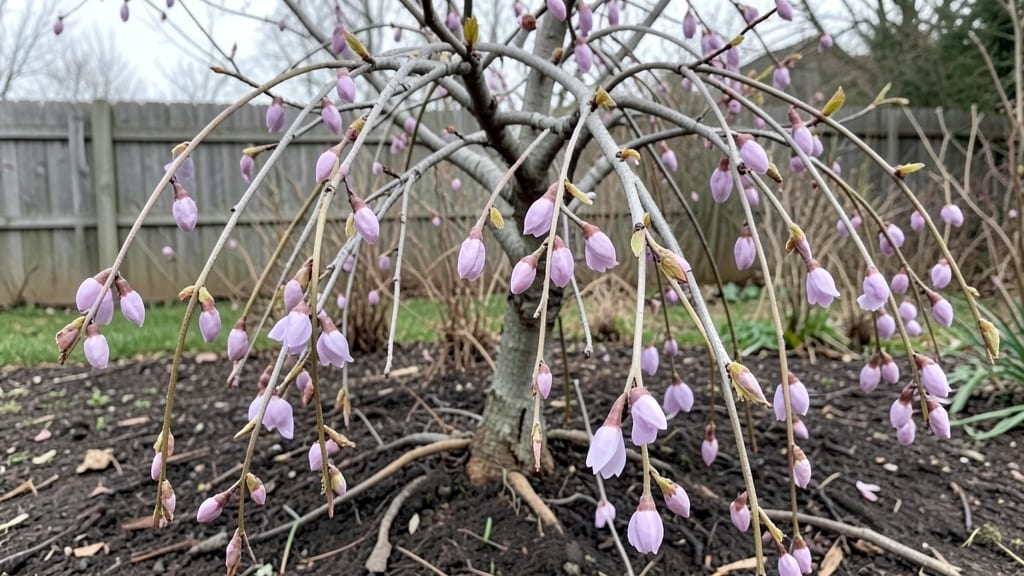
The Pacific Northwest’s weeping trees with pink flowers turn gardens into living paintings. 🌸 I planted mine near the patio, and now it’s the first thing guests notice—draping branches heavy with blossoms that hummingbirds adore.
These trees aren’t just pretty; they’re the backbone of a garden that stays stunning from spring through winter.
You’ll want a spot with morning sun and afternoon shade—think near a seating area or along a driveway where their graceful arcs create natural shade. Pair them with ferns, hostas, or low-growing perennials to highlight their cascading beauty.
The right variety, like a weeping cherry or crabapple, will even provide seasonal interest with fruit or fall color.
Imagine pink blooms in May, hummingbirds darting through the branches all summer, and golden foliage in autumn. That’s the magic of these trees—they’re not just plants, they’re the heart of your garden’s story. Let’s talk placement and pairings that make them shine.
Whether you’re designing a new landscape or refreshing an old one, these trees adapt beautifully to both formal and natural styles. Their versatility means they’ll fit right in, whether you’re going for cottage charm or modern elegance.
The key is giving them room to grow and complement them with plants that enhance their natural grace.
📚 In This Guide
- What you need
- Instructions
- Tips and common mistakes
- Wrapping up and next steps
What you need
- ● Tree sapling: Choose a weeping variety (e.g., Cornus sericea ‘Kelseyi’ or Lagerstroemia ‘Natchez’ with pink blooms). Buy from a reputable nursery (1–3 saplings, depending on space).
- ● High-quality potting soil: 5–10 gallons (mix with 20% perlite or sand for drainage).
- ● Garden gloves: A pair (nitrile or leather) to protect your hands.
- ● Trowel or spade: For digging holes (6–12 inches deep).
- ● Watering can or hose with a gentle nozzle: 2–3 gallons of water per tree initially.
- ● Organic mulch: 2–3 inches (shredded bark or wood chips) to retain moisture.
- ○ Fertilizer (optional but helpful): Slow-release balanced fertilizer (10-10-10) or compost (1 cup per tree).
- ● Sunlight assessment: Confirm your planting spot gets 6+ hours of sunlight daily (or partial shade for some varieties).
- ● Well-draining soil test: Check pH (ideal: 5.0–7.0). Amend with lime or sulfur if needed.
- ○ Staking (optional): 2–3 bamboo stakes + soft ties if your tree is young or top-heavy.
- ● Pruning shears: For shaping (sterilize with rubbing alcohol before use).
How to plant and care for a weeping tree with pink flowers
This stunning Pacific Northwest beauty thrives with the right placement and care—here's how to make it flourish.
🪴 Step 1: Choose the Perfect Planting Location
Select a spot with partial shade to full sun—at least 4-6 hours of sunlight daily. Weeping trees with pink flowers adore the Pacific Northwest's mild climate but need shelter from harsh winds, which can damage delicate branches. I always check the tree's mature height (often 15-25 feet) to ensure it won't outgrow the space.
Test the soil by digging a 12-inch hole—it should drain well but retain moisture. Amend heavy clay with 2-3 inches of compost to improve aeration. The tree's natural weeping habit means it thrives near patios or walkways where its cascading blooms create a living curtain.
☀️ Step 2: Plant at the Right Time and Depth
Plant in early spring or fall when temperatures are mild (50-70°F). Dig a hole twice as wide as the root ball but only as deep—this prevents root suffocation. Gently remove the tree from its container and loosen any circling roots with your fingers.
Place the tree in the hole so the top of the root ball sits 1-2 inches above ground level. The weeping branches will naturally drape lower over time, so avoid planting too deep. Backfill with native soil, tamping lightly to eliminate air pockets. Water deeply to settle the soil around roots.
💧 Step 3: Water Deeply and Mulch for Retention
Water once a week for the first month, then reduce to every 10-14 days once established. The tree's deep roots mean it tolerates drought better than shallow-rooted species, but consistent moisture encourages vibrant blooms. Check soil moisture by inserting your finger 2 inches deep—water when dry.
Apply 3 inches of mulch around the base (but not touching the trunk) to conserve moisture and regulate soil temperature. I use wood chips because they break down slowly and improve soil structure over time. Replenish mulch annually to maintain its protective layer.
✂️ Step 4: Prune for Shape and Bloom Health
Prune late winter or early spring before new growth begins. Remove any dead, damaged, or crossing branches first—these compete with the tree's natural weeping form. Thin out crowded areas to improve airflow, which reduces disease risk. I never cut more than 25% of the canopy in one season to avoid stressing the tree.
Shape the tree by selectively trimming longer branches to encourage a balanced, cascading silhouette. Avoid heavy pruning in summer—this can stimulate weak growth that struggles in the Pacific Northwest's cooler evenings. Fertilize lightly in early spring with a balanced 10-10-10 formula if growth appears sluggish.
🌿 Step 5: Encourage Year-Round Interest
This tree's magic lies in its pink spring blooms and seasonal foliage changes. To maximize its appeal, plant companion shrubs like Oregon grape or salal beneath it—their evergreen leaves create a lush understory. The cascading branches also attract hummingbirds, so place feeders nearby for extra wildlife appeal.
Monitor for pests like aphids or spider mites, which can stress the tree. A strong spray of water usually dislodges them, but severe infestations may require neem oil. With proper care, your weeping tree will become the Pacific Northwest's showstopper, offering year-round grace and seasonal color.
Tips & tricks for perfect weeping tree planting and care
Here's what I've learned after watching these graceful trees transform gardens in the Pacific Northwest—simple secrets that make all the difference.
Sunlight Strategy: That 4-6 hour sunlight window is non-negotiable for vibrant pink blooms. In the Pacific Northwest's variable climate, I've found the best spots are near east-facing windows or slightly sheltered south-facing areas where morning sun warms the branches but afternoon shade prevents stress. If your yard gets harsh afternoon sun, consider a 50% shade cloth during peak summer hours—it protects delicate foliage while still allowing light penetration.
Root Ball Preparation: Before planting, I always soak the root ball in water for 15-20 minutes to ensure it's fully hydrated. This prevents transplant shock, especially important for weeping varieties with their delicate branch structure. When loosening circling roots in Step 2, don't be afraid to get aggressive—these roots can strangle the tree's growth if left intact. Think of it like untangling headphones before plugging them in.
Mulch Mastery: That 3-inch mulch layer around the base works wonders, but here's the pro move: create a mulch volcano—pile it higher at the outer edges and taper it toward the trunk. This directs water toward the root zone while preventing moisture from pooling against the bark. I also recommend using cedar mulch if available—its natural oils deter pests while breaking down slowly. Just remember to keep it 2-3 inches away from the trunk to prevent rot.
Pruning Precision: When shaping your tree in Step 4, focus on creating an open center rather than a dense canopy. The weeping habit relies on that natural drape, so avoid heavy pruning that could disrupt the cascading effect. I use clean, sharp pruners and make cuts just outside the branch collar—the little bump where the branch meets the trunk. This promotes faster healing and prevents unsightly stubs that can collect disease.
Pro Tips for Weeping Tree With Pink Flowers
- Here's what I've learned after watching these graceful trees transform gardens in the Pacific Northwest—simple secrets that make all the difference.
- Sunlight Strategy: That 4-6 hour sunlight window is non-negotiable for vibrant pink blooms.
- Root Ball Preparation: Before planting, I always soak the root ball in water for 15-20 minutes to ensure it's fully hydrated.
Frequently asked questions
Got questions about nurturing your weeping tree with pink flowers—like the stunning Pacific Dogwood (Cornus nuttallii) or Pacific Ninebark (Physocarpus capitatus)? Here are some of the most common ones we hear from gardeners in the PNW!
What’s the best time to plant a weeping tree with pink flowers in the Pacific Northwest?
The ideal time is early spring (March–April) or fall (September–October). Spring lets roots establish before summer heat, while fall offers cooler temps and winter moisture. Avoid planting in late summer or winter—young roots are vulnerable to stress or frost.
How often should I water a newly planted weeping tree with pink flowers?
Water deeply 2–3 times per week for the first year, ensuring soil stays consistently moist but not soggy. After that, aim for 1–2 inches of water weekly, adjusting for rain. Mulch 3 inches deep (but keep it away from the trunk) to retain moisture and regulate soil temperature. Pro tip: Drip irrigation is perfect for these trees!
Do weeping trees with pink flowers handle PNW winters well?
Most, like Pacific Dogwood, are hardy to USDA Zones 5–8 and thrive in the PNW’s mild winters. However, young trees may need winter protection—wrap the trunk with tree guard and avoid heavy snow buildup on branches. If your tree is Pacific Ninebark, it’s even tougher, handling Zone 3–8 conditions.
What are some low-maintenance alternatives to weeping trees with pink flowers?
If you want pink blooms + ease, try:
- Oregon Grape (Mahonia aquifolium) – Drought-tolerant, evergreen, and hummingbird-friendly!
- Salal (Gaultheria shallon) – Ground cover with pinkish flowers and glossy leaves.
- Western Red Cedar (Thuja plicata) – Not flowering, but PNW-native and ultra-low-maintenance.
Why aren’t my weeping tree’s pink flowers attracting hummingbirds this year?
Check these troubleshooting tips:
- Timing: Some trees bloom late winter/early spring—ensure yours is in peak season (usually March–May in the PNW).
- Water stress: Wilting leaves or sparse blooms? Water deeply and check for over/under-watering.
- Pests: Aphids or spider mites can stress the tree. Spray with neem oil if you spot them.
- Location: Hummingbirds love sunny, sheltered spots. If your tree’s in deep shade, add a nearby feeder.
Wrapping up and next steps
The weeping tree with pink flowers isn’t just a stunning addition to your Pacific Northwest garden—it’s a lifeline for hummingbirds and a symbol of year-round beauty. 🌸 With its delicate blooms, graceful branches, and low-maintenance charm, this tree transforms any space into a thriving ecosystem while requiring minimal effort.
Whether you’re a seasoned gardener or just starting, now’s the perfect time to plant your own haven—start by researching local nurseries or reaching out to gardening communities for tips!