Pruning
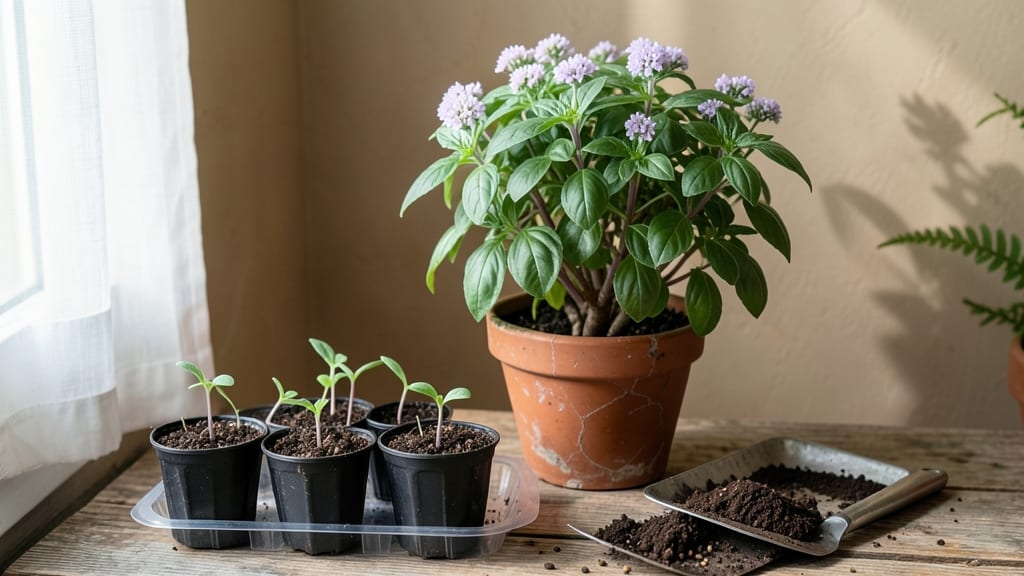
Growing tree basil from seeds in the Pacific Northwest means your garden will buzz with hummingbirds all year long—its large, glossy leaves and towering growth make it a standout compared to regular basil.
I’ve grown it for years, and the secret lies in mimicking its tropical roots with warmth and moisture, even in cooler climates. The first true leaves appear within 3-4 weeks, but patience is key—these seeds take longer to sprout than you’d expect.
You’ll need a sunny windowsill or greenhouse space, well-draining potting mix, and a container at least 12 inches deep to accommodate its bushy habit. Tree basil thrives where regular basil wilts—its thick stems and broad leaves love humidity, so misting or a pebble tray helps replicate its native environment.
Unlike its compact cousins, this variety grows 3-4 feet tall, making it perfect for trellises or as a striking centerpiece.
The payoff? A fragrant, fast-growing plant that attracts hummingbirds like no other, with leaves big enough to use whole in cooking. Once established, it’s drought-tolerant but still needs consistent moisture—let the top inch dry between waterings. Prune regularly to encourage bushiness, and watch as your garden becomes a hummingbird highway.
Common challenges include slow germination and spider mites in dry conditions, but with the right care, tree basil rewards you with year-round productivity. Whether you’re growing it in containers or the ground, this variety turns any space into a vibrant, pollinator-friendly oasis.
📚 In This Guide
- What you need
- Instructions
- Tips and common mistakes
- Wrapping up and next steps
What you need
- ● Tree basil seeds: 10–20 seeds (choose a variety like Ocimum basilicum ‘Spicy Globe’ or ‘Sweet Basil’ for best results).
- ● Seed-starting mix: 1–2 bags (sterile, well-draining potting soil with perlite or coconut coir).
- ● Containers: 4–6 small pots (3–4 inches wide) for seedlings, or
- ● 1–2 biodegradable peat pots (for transplanting directly into the garden).
- ● Grow lights or sunny windowsill: A full-spectrum LED grow light (12–16 hours/day) or a south-facing window with 6+ hours of sunlight.
- ● Spray bottle: For gentle watering (avoid over-saturating seeds).
- ● Humidity dome or plastic wrap: To retain moisture while seeds germinate.
- ● Pruning shears: Sharp, sterilized shears (for later trimming to encourage bushiness).
- ○ Garden gloves: Optional but helpful for handling soil and plants.
- ● Fertilizer: Balanced liquid fertilizer (e.g., 10-10-10) or compost tea for organic growth.
- ● Stakes or trellis: 1–2 bamboo stakes or a small trellis (tree basil can grow 3–4 feet tall!).
- ● Mulch: Straw or wood chips to retain soil moisture and suppress weeds.
- ● Pacific Northwest-specific prep: Hardening-off period (7–10 days) before transplanting outdoors (to acclimate seedlings to cooler, wetter climates).
- ● Frost cloth (if planting in early spring or late fall).
- ● Hummingbird feeder (place near basil plants to encourage visits!).
- ● Slow-release fertilizer pellets for long-term nutrition.
- ● Soil moisture meter to monitor watering needs.
- ● Decorative stones or pebbles for a polished garden bed.
Step-by-Step guide to growing tree basil from seeds
Here's how to cultivate thriving tree basil plants that will attract hummingbirds year-round in the Pacific Northwest's climate.
Prepare the Seed Starting Mix and Containers
Fill 4-inch diameter biodegradable pots with a sterile seed-starting mix—never garden soil, as it compacts too easily and can harbor pathogens. I like to add a handful of perlite to improve drainage, which is especially important for tree basil since it hates soggy roots. Moisten the mix until it feels like a damp sponge when squeezed, but not dripping.
Tap the containers gently on the table to settle the soil without compacting it. Press down lightly with your fingers to create a firm surface for the seeds. The goal is a loose, airy medium that encourages root growth while retaining enough moisture for germination. Tree basil seeds are tiny, so I use a toothpick to create small indentations—about ¼ inch deep—where I'll place each seed.
Sow the Seeds and Maintain Ideal Germination Conditions
Plant 1-2 seeds per pot at the ¼-inch depth you prepared, spacing them about ½ inch apart. Cover lightly with additional mix, then mist the surface with a spray bottle until evenly damp. Avoid overwatering—tree basil seeds need moisture, but they'll rot if submerged. Place the pots in a clear plastic bag or under a humidity dome to retain warmth and moisture.
Tree basil thrives in warmth, so position the pots on a seedling heat mat set to 75-80°F—this mimics the tropical conditions where tree basil originates. Germination typically takes 10-14 days, but don’t be surprised if it takes a few extra days in cooler Pacific Northwest homes. Once you see first true leaves (the second set after the initial cotyledons), remove the dome immediately to prevent damping-off disease.
Provide Optimal Light and Prevent Leggy Growth
Move the seedlings to a south-facing window or under grow lights within 24 hours of germination. Tree basil needs 12-14 hours of bright light daily to grow compact and sturdy. If you notice seedlings stretching toward the light with long, thin stems and widely spaced leaves, they’re leggy—a sign of insufficient light. Adjust the grow lights to 2-3 inches above the plants and raise them gradually as the seedlings grow.
Rotate the pots a quarter turn every few days to ensure even growth. You’ll see strong, bushy seedlings with dark green, glossy leaves when light conditions are perfect. Avoid cold drafts, which can stunt growth—tree basil prefers 65-75°F temperatures consistently. If your home runs cooler, supplement with a small space heater near the seedlings.
Transplant and Harden Off for Outdoor Success
After 4-6 weeks, when seedlings have 4-6 true leaves and are 3-4 inches tall, it’s time to transplant. Choose a well-draining spot with partial shade—tree basil tolerates shade better than full sun, especially in the Pacific Northwest’s humid summers. Dig holes twice as wide as the root ball but no deeper, then gently remove the seedlings from their pots and place them in the holes.
Fill the holes with soil, pressing lightly to eliminate air pockets, then water deeply. Harden off the seedlings over 10-14 days by gradually increasing their outdoor exposure. Start with 1-2 hours in a sheltered spot on the first day, then extend their time outside by 1 hour daily. Watch for wilting or yellowing leaves—these are signs they’re not ready for full sun yet. Once they’re thriving outdoors, they’ll attract hummingbirds within weeks.
Maintain and Prune for Bushy Growth
Tree basil grows 3-6 feet tall in ideal conditions, but in the Pacific Northwest, it often stays smaller. Prune the tips of new growth when the plant reaches 12 inches tall to encourage bushier growth. Pinch back ¼ inch above a leaf node to stimulate branching. Regular pruning also keeps the plant from becoming leggy and improves air circulation, reducing the risk of fungal diseases.
Water deeply once a week, allowing the top 2 inches of soil to dry out between waterings. Overwatering is the fastest way to kill tree basil—it’s drought-tolerant once established but hates soggy roots. Fertilize lightly with a balanced liquid fertilizer every 4-6 weeks during the growing season. With proper care, your tree basil will thrive year-round and become a hummingbird magnet.
Tips & tricks for perfect tree basil growth
Growing tree basil from seeds requires patience and attention to detail, but these insider tips will help you avoid common pitfalls and cultivate thriving plants that attract hummingbirds all year.
Soil Preparation Secret: In Step 1, when preparing your seed-starting mix, avoid the temptation to pack it down too firmly—tree basil roots need that airy environment to breathe. I find using a mix that's 60% seed-starting mix and 40% perlite creates the perfect balance of moisture retention and drainage. After planting, gently press the surface with your finger to create a firm seedbed, but don't compact it like you would for heavier plants. This loose structure prevents waterlogging while encouraging strong root development.
Germination Temperature Tip: The 75-80°F heat mat temperature in Step 2 is crucial, but don't be discouraged if germination takes slightly longer in cooler Pacific Northwest homes. I've found that placing a small space heater near the seed trays (while maintaining safe distance) can help maintain consistent warmth. Once you see those first true leaves appear, remove the humidity dome immediately—this prevents the dreaded damping-off disease that can wipe out seedlings overnight.
Light Management Strategy: For Step 3's critical 12-14 hours of light requirement, I recommend supplementing natural light with LED grow lights if your south-facing window isn't sufficient. Position the lights just 2-3 inches above the seedlings and adjust their height as the plants grow. A simple trick to prevent leggy growth: rotate your seedlings a quarter turn every few days. This ensures even growth toward the light source and prevents them from stretching toward one direction.
Transplanting Technique: When transplanting in Step 4, the key is to handle those delicate seedlings with care. Gently squeeze the biodegradable pots to loosen the root ball before removing them—this minimizes root disturbance. In the Pacific Northwest's humid climate, I recommend spacing your transplanted seedlings about 18 inches apart to allow for proper air circulation, which helps prevent fungal diseases that can affect tree basil.
Pro Tips for Tree Basil Seeds
- Growing tree basil from seeds requires patience and attention to detail, but these insider tips will help you avoid common pitfalls and cultivate thriving plants that attract hummingbirds all year.
- Soil Preparation Secret: In Step 1, when preparing your seed-starting mix, avoid the temptation to pack it down too firmly—tree basil roots need that airy environment to breathe.
- Germination Temperature Tip: The 75-80°F heat mat temperature in Step 2 is crucial, but don't be discouraged if germination takes slightly longer in cooler Pacific Northwest homes.
Frequently asked questions
Got questions about growing tree basil with hummingbird-friendly seeds?
You’re not alone! Here are answers to the most common queries to help you cultivate a thriving, bird-attracting garden.
Can I grow tree basil from seeds in the Pacific Northwest’s rainy climate?
Tree basil (Ocimum basilicum) thrives in PNW’s mild, wet conditions—just plant seeds indoors 8–10 weeks before the last frost or direct-sow after soil warms (60°F+). Use raised beds or containers with drainage to prevent waterlogging. Hummingbirds love the nectar-rich flowers, even in cooler months!
How long does it take for tree basil seeds to germinate?
Expect germination in 7–14 days if kept in warm (70–85°F), moist soil. For faster sprouts, soak seeds overnight in warm water before planting. Use a heat mat if your PNW spring starts chilly. Pro tip: Cover seeds with ¼-inch soil—too deep, and they’ll struggle to break through!
Will tree basil attract hummingbirds year-round in the PNW?
Yes! Tree basil’s continuous blooms (with deadheading) provide nectar from spring through fall. In winter, protect plants with frost cloth or grow them in pots to move indoors. Pair with salvia or bee balm for a 24/7 hummingbird buffet.
What’s the best alternative if tree basil seeds don’t germinate?
Try cinnamon basil or Thai basil seeds—they’re equally hummingbird-friendly and easier to germinate. For instant results, buy transplants from local PNW nurseries (like Willamette Valley growers). Bonus: Mix basil with borage or fuchsia for extra pollinator power!
Why are my tree basil seedlings wilting or turning yellow?
Common culprits:
- Overwatering: PNW’s damp air + soggy soil = root rot. Let topsoil dry between waterings.
- Underwatering: Basil wilts fast in dry spells. Use self-watering pots if outdoors.
- Pests: Aphids or spider mites suck sap. Spray with neem oil or introduce ladybugs.
- Nutrient deficiency: Yellow leaves? Feed with balanced fertilizer (10-10-10) every 4 weeks.
Quick fix: Trim wilted leaves and adjust water/pest control immediately.
Wrapping up and next steps
Growing tree basil seeds in the Pacific Northwest isn’t just a gardening project—it’s a year-round invitation for hummingbirds to visit your space! 🌿 With the right soil, sunlight, and care, you’ll create a vibrant, low-maintenance oasis that thrives in every season.
Whether you’re a seasoned gardener or just starting, these fragrant, fast-growing plants offer beauty, wildlife appeal, and even culinary potential.
Ready to take the next step? Start small—plant a few seeds this week and watch your garden transform! Share your progress with fellow PNW gardeners or explore companion plants to extend the magic. Your future hummingbird haven awaits!