Trees
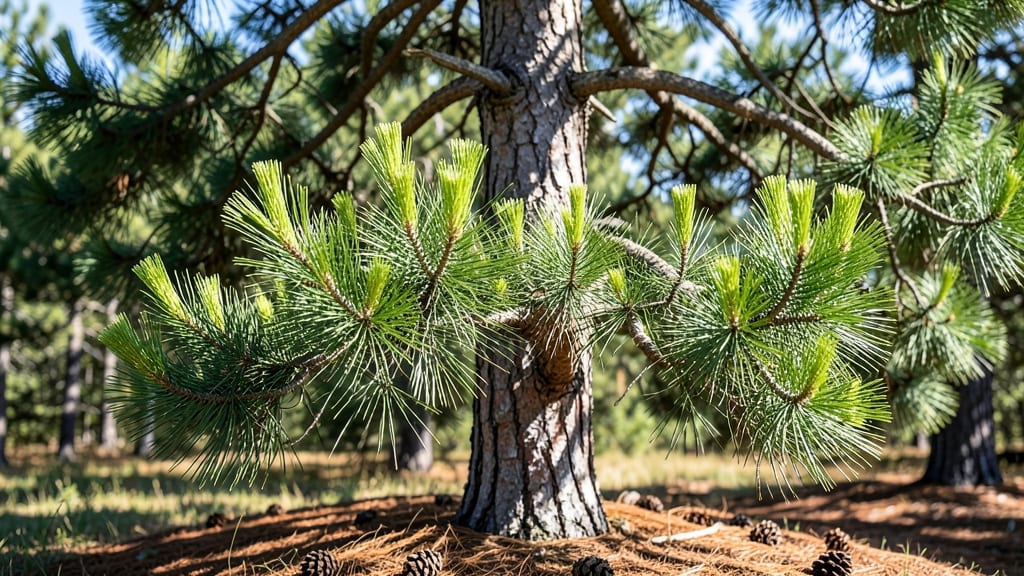
When you spot new growth on pine trees in late winter, it’s not always a good sign—often a cry for help from your tree. 🌲 I’ve seen this happen after pine beetle attacks, fungal infections, or even just poor soil nutrition, and the wrong response can turn a hopeful sprout into a dead branch.
The key is figuring out what’s causing that unexpected growth before it spreads.
Most people assume new pine growth means their tree is thriving, but in reality, it’s often a stress response. Pine beetles, for example, trigger this reaction as they bore into the bark, while fungal infections like needle blight can make trees push out weak, yellowish shoots.
Nutrient deficiencies—especially nitrogen—can also fool you into thinking your tree is healthy when it’s actually struggling.
With the right approach, you can turn things around. Pruning infected branches early stops the spread, while targeted fungicides or insecticides (when needed) protect the rest of the tree. Even simple soil amendments can make a difference—think compost or slow-release fertilizer to give roots the boost they need.
The goal isn’t just to save the new growth but to restore your pine’s overall health.
Don’t wait until summer to act—late winter is the best time to assess damage and intervene. A little attention now means stronger, more resilient trees by spring. Let’s get your pines back on track before the growing season kicks in.
📚 In This Guide
- What you need
- Instructions
- Tips and common mistakes
- Wrapping up and next steps
What you need
- ● Pro tip: 💡 Sterilize your tools before and after pruning to avoid spreading fungal infections between trees!
How to encourage new growth on pine trees in late winter
Late winter is the perfect time to coax fresh growth from dormant pine branches—here’s how I do it.
☀️ Step 1: Assess the Tree’s Health and Light Exposure
Start by examining the pine tree closely. Look for branches with brown, brittle needles that haven’t shed—these are dead and won’t respond. Focus on areas with greenish-brown needles that still cling to the branches, as these indicate dormant but living tissue. Pines need full sun (6+ hours daily) to revitalize, so check if nearby structures or trees are blocking light. If shade is the issue, you’ll need to prune surrounding vegetation first.
Run your hand along the branches—healthy needles should feel slightly springy, not brittle. If you find clusters of new, soft growth buds (tiny green swellings at branch tips), those are your starting point. Avoid working on trees stressed by drought, pests, or recent transplanting—they won’t bounce back as easily.
✂️ Step 2: Prune Dead Branches and Thin the Canopy
Use sharp, clean pruning shears to remove any dead or diseased branches first—cut back to the branch collar (the swollen area where the branch meets the trunk). This prevents the tree from wasting energy on decaying tissue. Next, thin the canopy by selectively removing 20-30% of the inner branches. Focus on crossing or rubbing branches and those growing inward toward the trunk. Pines grow best with an open, airy structure that lets sunlight penetrate to lower branches.
Make cuts just outside the branch collar at a 45-degree angle. Avoid leaving stubs—these can trap moisture and invite rot. After pruning, step back and visualize how light will now reach the inner branches. You’ll see immediate improvement in air circulation, which reduces fungal risks and encourages new growth.
💧 Step 3: Water Deeply and Apply a Slow-Release Fertilizer
Pines have shallow root systems, so water deeply to 12 inches below the soil surface using a soaker hose or drip irrigation. Aim for 1-1.5 inches of water per week, including rainfall. If the ground feels dry 2 inches down, water again—pines hate drought stress. Avoid overhead sprinklers, which can cause needle blight. Instead, water at the base in the early morning to let moisture soak in before the heat of the day.
Apply a balanced, slow-release fertilizer (10-10-10 or 8-8-8) in early spring, following label rates. Focus on the outer 12-inch ring of soil around the tree’s dripline (the edge of its canopy). Scratch the fertilizer into the top inch of soil to avoid burning roots. This gives the tree nutrients without overwhelming it, which is key for reviving dormant branches.
🌱 Step 4: Protect New Growth from Late Frost and Pests
Late winter frosts can damage tender new shoots, so monitor your tree’s progress. If a hard freeze (28°F or below) is forecast, cover the tree with a lightweight frost cloth or burlap, securing it loosely to avoid smothering. Remove the cover as soon as temperatures rise above freezing. You’ll notice new growth emerging as bright green, soft needles in early spring—these are your signal that the treatment is working.
Keep an eye out for pine needle scale or spider mites, which thrive on stressed trees. Spray the foliage with neem oil (1 tsp per gallon of water) if you spot sticky residue on branches or tiny webs. Neem oil is safe for pines and disrupts pests without harming beneficial insects. Reapply every 2 weeks until new growth is well-established.
⏰ Step 5: Monitor and Encourage Growth Through Spring
Check the tree monthly for new growth, focusing on the tips of branches where you pruned. Healthy new shoots should appear within 4-6 weeks of fertilizing, especially on the south and west sides of the tree where sunlight is strongest. If growth stalls, apply a second, lighter fertilizer dose in early summer (use half the spring rate). Avoid high-nitrogen fertilizers—they can burn pine roots and cause needle drop.
Resist the urge to prune again until the following winter. Let the tree focus on establishing new branches. By late summer, you’ll see fuller, denser foliage compared to last year. If some branches still look sparse, they may need another round of thinning in the next dormant season—but most pines show dramatic improvement after just one revitalization cycle.
Tips & tricks for revitalizing dormant pine branches
Here's how to maximize your success when encouraging new growth on pine trees this late winter.
Timing is Everything: Late winter is ideal because the tree is just waking up from dormancy but hasn't yet pushed new growth. The 6+ hours of daily sunlight mentioned in Step 1 is critical—this is when photosynthesis begins in earnest. I've found that starting this process right after the last hard freeze (when temperatures consistently stay above 28°F) gives trees the best head start. Don't wait until spring when other plants are competing for resources.
Pruning Precision: When thinning the canopy in Step 2, focus on removing branches that are growing inward or crossing others—these compete for sunlight and nutrients. I use a small flagging tape to mark branches I'll remove, then step back to visualize the open structure. This prevents over-pruning while ensuring light reaches all branches. Remember, you're creating space for new growth, not just removing what looks bad.
Fertilizer Application: The balanced 10-10-10 or 8-8-8 fertilizer mentioned in Step 3 should be spread in a 12-inch ring around the dripline, but here's the trick: lightly scratch it into the top inch of soil rather than piling it on the surface. This prevents burning roots and ensures gradual nutrient release. I've seen trees respond dramatically when the fertilizer is properly incorporated—sometimes you'll notice new growth buds within just 2-3 weeks.
Pest Prevention: The neem oil treatment in Step 4 is your best defense against pests that thrive on stressed trees. Mix it fresh each time you apply it (store-bought solutions lose potency), and always spray in the early morning when temperatures are above 50°F. I've had success using a simple spray bottle for small trees, but for larger pines, consider a pump sprayer for even coverage. The key is consistency—those 2-week intervals prevent infestations before they become visible.
Pro Tips for New Growth On Pine Trees
- Here's how to maximize your success when encouraging new growth on pine trees this late winter.
- Timing is Everything: Late winter is ideal because the tree is just waking up from dormancy but hasn't yet pushed new growth.
- Pruning Precision: When thinning the canopy in Step 2, focus on removing branches that are growing inward or crossing others—these compete for sunlight and nutrients.
Frequently asked questions
Got questions about encouraging new growth on your pine trees? You’re not alone! Here are some of the most common concerns—and expert-backed answers—to help you get the best results this late winter.
Why is my pine tree dormant in late winter, and how do I know it’s ready for new growth?
Pine trees enter dormancy to conserve energy during cold months, but they can still show signs of life in late winter. Look for bud swell (tiny green bumps on branches) or needle elongation—these indicate readiness. Avoid pruning or fertilizing too early; wait until mid-to-late February in most climates (Zone 5-8) when daytime temps consistently stay above 40°F (4°C).
Is it safe to prune pine trees in late winter, or will I harm new growth?
Pruning can stimulate new growth, but timing matters! Focus on dead, diseased, or crossing branches—never remove more than 25% of the canopy at once. Avoid heavy pruning if you’ve already applied fertilizer, as this can stress the tree. Pro tip: Use sterilized, sharp shears to prevent damage and disease spread.
What’s the best fertilizer for pine trees to encourage new growth?
Pine trees prefer acidic, slow-release fertilizers with a 16-4-8 or 10-10-10 NPK ratio (nitrogen, phosphorus, potassium). Avoid high-nitrogen blends (like lawn fertilizers), which can burn roots. Organic options like pine tree-specific pellets or composted pine bark work well too. Apply in early spring (March) and water thoroughly afterward.
My pine tree’s new growth looks yellow or stunted—what’s wrong?
Yellowing or slow growth often signals nutrient deficiencies (common with nitrogen or magnesium) or overwatering. Check the soil pH—pines thrive in acidic (4.5–6.0) conditions. If roots are soggy, reduce watering; if soil is dry, mulch with pine needles or wood chips to retain moisture. A soil test can pinpoint exact issues. Warning: Avoid chemical fertilizers if the tree is stressed.
Can I use coffee grounds or other household items to help new growth?
While coffee grounds can lower soil pH slightly (helping acid-loving pines), they’re not a substitute for proper fertilizer. Use them sparingly (a thin layer around the base, not piled against the trunk). Better alternatives: Epsom salt (magnesium sulfate) for yellowing needles or compost tea for microbial health. Stick to 1–2 applications per year max.
Wrapping up and next steps
New growth on pine trees in late winter is a sign of resilience—and with the right care, you can boost their vitality even more! Whether you’re pruning, fertilizing, or simply monitoring their health, small actions make a big difference. 🌱
Ready to give your pine trees a lifelong glow-up? Start by implementing just one tip from this guide this season, then observe and adjust as needed. Your trees (and future generations!) will thank you.
Next step: Grab your tools and head outside—your pine trees are waiting for their revival! 🌲✨