
Propagation
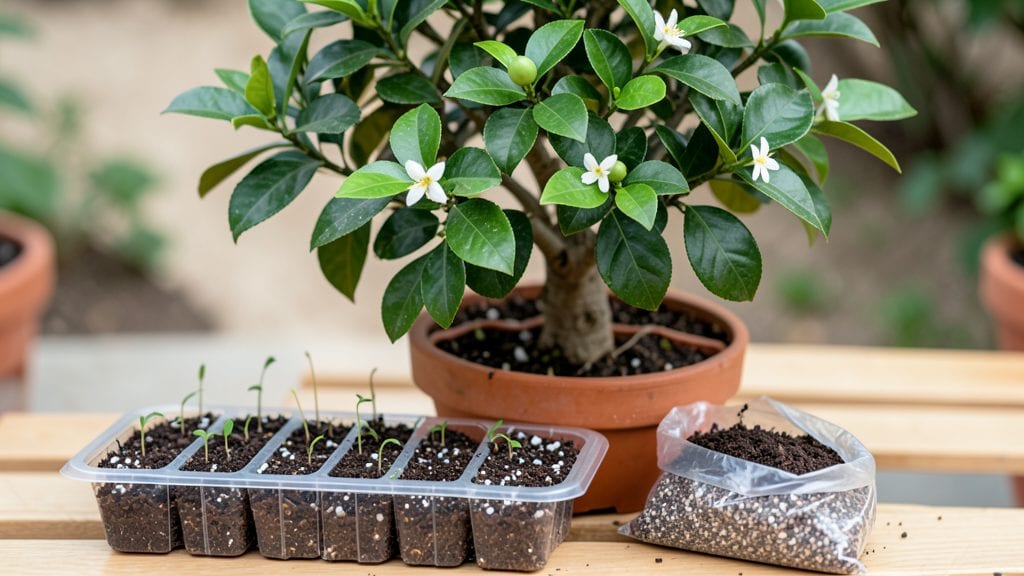
Growing a tangerine tree from seed is simpler than you think—just grab a seed, a pot, and a sunny windowsill. 🌱 I’ve started dozens from grocery store seeds, and while they won’t match store-bought trees, the process is foolproof for beginners.
The real magic happens when those first bright green leaves unfurl, signaling your citrus adventure has begun.
You’ll need a well-draining potting mix, a small pot with drainage holes, and patience—citrus seeds take 4-6 weeks to sprout. Keep the soil lightly moist but never soggy, and place your pot where it gets 6+ hours of sunlight daily.
Most people overwater, which is the fastest way to kill a seedling, so let the top inch dry out before watering again.
By year one, you’ll have a 3-foot-tall bushy tree with glossy leaves, though fruit may take 3-5 years. The trees rarely stay true to the parent variety, so expect small, tart tangerines instead of sweet store-bought ones.
Still, the thrill of harvesting your own citrus—even if it’s just a handful—makes every step worthwhile.
Once your tree reaches 18 inches, transplant it to a larger container or the ground (if you live in USDA zones 9-11). Prune leggy growth in spring to encourage bushier shape, and watch for pests like aphids—neem oil works great for organic control.
With the right care, your seedling could live for decades.
📚 In This Guide
- What you need
- Instructions
- Tips and common mistakes
- Wrapping up and next steps
What you need
- ● Tangerine seeds: 3–5 fresh, plump seeds (harvested from a ripe, organic tangerine). Pro tip: 💡 Rinse seeds to remove pulp before planting!
- ● Seed-starting mix: 1 small pot (4–6 inches wide) filled with well-draining, sterile potting soil (or a mix of 50% peat moss and 50% perlite).
- ○ Plastic container or seed tray: With drainage holes (optional but helpful for humidity control).
- ● Spray bottle: For gentle watering (avoid over-saturating seeds!).
- ● Clear plastic wrap or humidity dome: To create a mini greenhouse effect.
- ● Grow lights or sunny windowsill: A warm, bright spot (70–80°F) with at least 6–8 hours of light daily.
- ● Small hand trowel: For planting seeds gently.
- ● Fertilizer (balanced, water-soluble): 1 tsp diluted in water (after sprouts appear).
- ● Humidity tray: With pebbles and water to maintain moisture.
- ● Pruning shears: For future trimming (once your tree grows!).
- ● Patience & love! 🌟 Seeds can take 2–4 weeks to sprout—stay consistent!
Step-by-Step instructions for growing a tangerine tree from seed
Here's my foolproof method for turning a tangerine pit into a thriving citrus tree indoors.
🌱 Step 1: Extract and Prepare the Seeds
Start by washing a ripe tangerine thoroughly to remove any residual fruit pulp, then carefully cut it open to reveal the seeds. I like to use a small spoon to scoop out the segments, being careful not to damage the seeds. You'll need about 4-6 healthy seeds—choose the plumpest ones, as they'll germinate most reliably.
Place the seeds between two paper towels and dampen them with lukewarm water. Fold the towels to cover the seeds completely, then place them in a sealed plastic bag. Store the bag in a warm, dark place—like on top of your refrigerator—where the temperature stays around 70-75°F. Check the towels daily and mist with water if they begin to dry out. You should see tiny white roots emerging within 7-14 days.
🪴 Step 2: Plant the Germinated Seeds
Once the roots reach about ½ inch long, it's time to plant. Fill small pots—3-4 inches deep—with a well-draining citrus potting mix (a blend of peat moss, perlite, and sand works well). Make a small hole in the center of each pot, about 1 inch deep, and gently place one seedling in each hole, covering it lightly with soil. Press down gently to ensure good contact between the roots and the soil.
Water the pots thoroughly until water drains from the bottom, but avoid oversaturating the soil. Place the pots in a bright, indirect light location—like a south-facing window with sheer curtains—to encourage strong, healthy growth. Keep the soil consistently moist but not soggy, as citrus trees are sensitive to overwatering. You'll notice the first true leaves appearing in about 4-6 weeks.
☀️ Step 3: Provide Optimal Light and Care
As your seedlings grow, they'll need 6-8 hours of direct sunlight daily to thrive. If natural light is insufficient, supplement with a grow light positioned 12-18 inches above the plants. Rotate the pots weekly to ensure even growth and prevent the seedlings from leaning toward the light. You'll know they're getting enough light when the leaves are a vibrant green and the stems are sturdy.
Fertilize the seedlings every 4-6 weeks with a balanced citrus fertilizer diluted to half strength. Start with a small amount and gradually increase as the plants grow. Prune any leggy or weak growth to encourage a bushier shape. By the time your seedlings reach 12-18 inches tall, they'll be ready for a slightly larger pot—5-6 inches deep—to support their growth.
✂️ Step 4: Transition to Mature Tree Care
Once your tangerine tree reaches 2-3 feet tall, it's time to focus on long-term care. Repot it into a 12-15 inch pot with fresh citrus potting mix, ensuring the pot has drainage holes. Place the tree in a location where it can receive full sun for at least 6 hours a day, as this is crucial for fruit production. Water deeply when the top inch of soil feels dry, but avoid letting the tree sit in waterlogged soil.
Continue fertilizing every 2-3 months with a citrus-specific fertilizer, and prune regularly to maintain shape and encourage airflow. With patience, your tangerine tree may produce fruit in 3-5 years, though it's important to note that seed-grown trees may not yield fruit identical to the parent plant. Keep an eye out for pests like aphids or scale, and treat them promptly with neem oil or insecticidal soap to keep your tree healthy.
Tips & tricks for perfectly growing a tangerine tree from seed
A few simple tricks will help you avoid common pitfalls and maximize your chances of citrus success.
Seed Selection: In Step 1, when choosing your 4-6 seeds, look for ones that are plump and firm—avoid any that feel soft or shriveled. I've found that seeds from organic tangerines tend to germinate more reliably, possibly because they're less likely to have been treated with preservatives. Confession: I skipped this step for years and wondered why some seeds never sprouted!
Germination Environment: The warm, dark place you choose for Step 1 is critical—your refrigerator top works perfectly because it maintains that ideal 70-75°F range consistently. If your home tends to be cooler, consider placing the bag near a sunny window during the day and moving it to a warmer spot at night. Real talk: I once left mine in a drafty spot and it took 3 weeks instead of the usual 7-14 days.
Light Transition Strategy: When moving your seedlings from bright indirect light in Step 2 to full sun in Step 4, do it gradually. Start with 2-3 hours of direct sun per day and increase by 1 hour every few days. This prevents sunburn on tender new leaves. I've seen seedlings get crispy brown patches when moved too quickly—don't make my mistake!
Potting Mix Upgrade: While the basic citrus potting mix works, I've had better results adding a handful of worm castings to each pot during Step 2. The extra nutrients give seedlings a stronger start. For Step 4, consider adding a slow-release citrus fertilizer pellet to the bottom of the larger pot before adding fresh mix—this gives your mature tree a nutrient boost right from planting.
Pro Tips for Tangerine Tree From Seed
- A few simple tricks will help you avoid common pitfalls and maximize your chances of citrus success.
- Seed Selection: In Step 1, when choosing your 4-6 seeds, look for ones that are plump and firm—avoid any that feel soft or shriveled.
- Germination Environment: The warm, dark place you choose for Step 1 is critical—your refrigerator top works perfectly because it maintains that ideal 70-75°F range consistently.
Frequently asked questions
Got questions?
Growing a tangerine tree from seed is rewarding but comes with its own set of challenges. Here are answers to the most common queries to help you navigate your citrus journey with confidence!
How long does it take for a tangerine seed to germinate?
A tangerine seed typically germinates in 14–30 days, depending on warmth and moisture. Keep the soil consistently damp (not soggy) and maintain temperatures between 70–85°F (21–29°C). Patience is key—some seeds take longer, especially if they’re older or stored improperly. Pro tip: A heat mat can speed up germination by mimicking tropical conditions!
When will my tangerine tree produce fruit?
Unfortunately, seed-grown tangerine trees are not true to type—meaning they may not produce fruit identical to the parent plant (or at all!). Even if they do, expect 5–10 years of growth before potential fruiting. For reliable fruit, grafted trees are the better bet. Focus on nurturing a healthy tree first!
Can I grow a tangerine tree indoors?
Yes! Tangerine trees thrive indoors with bright, indirect light (a south-facing window or grow lights work best). Ensure proper drainage, rotate the pot monthly for even growth, and maintain humidity with a pebble tray. In winter, keep it away from cold drafts. Dwarf varieties like ‘Calamondin’ are ideal for containers!
Why are my tangerine seedlings dying or turning yellow?
Yellowing leaves or wilting often signal overwatering, underwatering, or pests. Check the soil—it should be damp but not waterlogged. Spider mites or aphids may also attack young plants. Isolate affected seedlings, wipe leaves with soapy water, and adjust care. Neem oil is a natural remedy for pests!
What’s the best climate for growing tangerine trees from seed?
Tangerine trees love warm, frost-free climates (USDA zones 9–11). If you’re in a cooler zone, grow them in containers and move them indoors during winter. They need 6+ hours of sunlight daily and protection from strong winds. Avoid sudden temperature drops—they’re citrus’s kryptonite!
Wrapping up and next steps
Growing a tangerine tree from seed is a rewarding journey that blends patience with the joy of nurturing life! While it may take years for your seedling to bear fruit, every step—from selecting the right seed to providing tender care—brings you closer to a thriving citrus tree. 🌱✨
Now that you’re armed with the knowledge, why not take the first step today? Grab a seed, gather your supplies, and let nature work its magic. Happy growing—and may your tangerine tree flourish into a fragrant, fruit-bearing masterpiece!