
Pruning
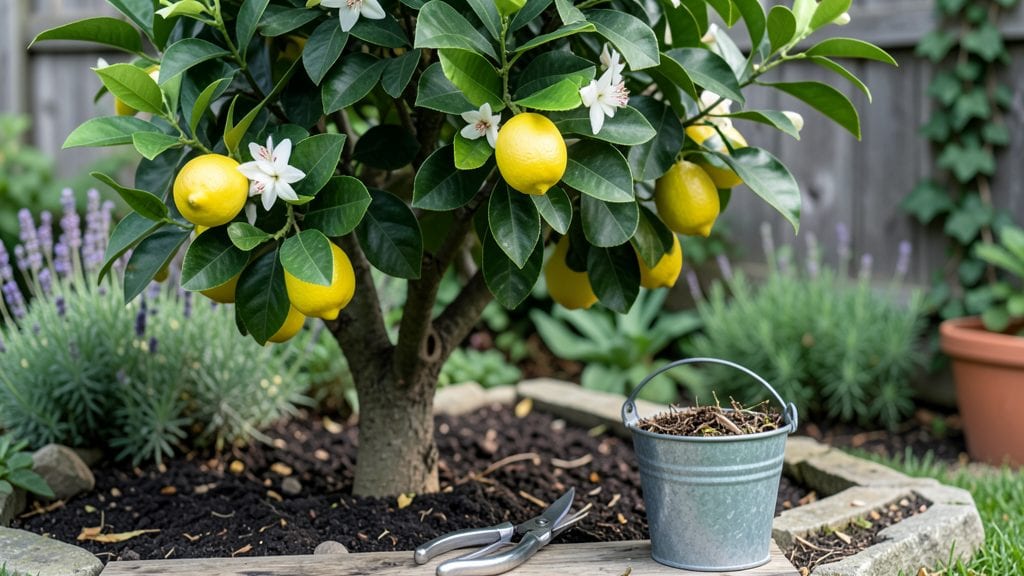
Trimming citrus trees isn't just about shaping—it's the secret to year-round fruit bounty that keeps your kitchen stocked with fresh oranges, lemons, and limes. I learned this the hard way when my Meyer lemon tree produced just three fruits its first year, then exploded with dozens after a proper pruning.
The key is timing, technique, and knowing where to cut without sacrificing next season's harvest.
You'll need sharp bypass pruners, a sterilized saw for thicker branches, and rubbing alcohol to clean tools between cuts—this prevents disease from spreading. For young trees, focus on removing suckers (those aggressive shoots at the base) and thinning crowded branches to let sunlight reach the center.
Mature trees need selective pruning to open the canopy while preserving the structure that holds fruit.
What you'll end up with is a tree that produces heavier, larger fruit and stays disease-resistant. The right cuts encourage new growth where you want it, not just random shoots. Plus, your tree will look like a well-groomed showpiece instead of a tangled mess.
The best part? You can do this anytime except winter—spring and summer are ideal for maximum regrowth.
Whether you're dealing with a dwarf Meyer lemon or a towering Valencia orange, the same principles apply. We'll cover how to tell healthy growth from dead wood, when to prune for flowers vs. fruit, and how much to cut back without stressing the tree.
Let's get those branches looking intentional!
📚 In This Guide
- What you need
- Instructions
- Tips and common mistakes
- Wrapping up and next steps
What you need
- ● Bypass pruners – Sharp, high-quality pruners (like Felco or Corona) for clean cuts on branches up to ½ inch thick.
- ● Loppers – For thicker branches (½ to 1½ inches), with a long handle for leverage.
- ● Pruning saw – A curved-tooth saw (like a Felco F-2) for branches over 1½ inches in diameter.
- ● Disinfectant (70% isopropyl alcohol or bleach solution) – To sterilize tools between cuts and prevent disease spread.
- ● Garden gloves – Heavy-duty, cut-resistant gloves (like Mechanix or Filon) to protect your hands from thorns and sap.
- ○ Pruning sealant – Optional but helpful for large cuts (over ½ inch) to prevent sap bleeding and pests.
- ● Extension pole – For high branches (10–15 feet), with a saw or lopper attachment.
- ● Ladder or step stool – Sturdy and non-slip for safe reaching.
- ● Tarp or drop cloth – To collect fallen debris and protect nearby plants.
- ● Spray bottle with water – To clean tools mid-pruning and rinse sap off cuts.
- ● Notebook & pen – For sketching a pruning plan or marking branches to remove.
- ● Choose a dry, sunny day (avoid pruning when the tree is wet or diseased).
- ● Have a clear goal—whether it’s shaping, thinning, or rejuvenating the tree.
- ● Check local pruning guidelines—some areas restrict heavy pruning during bloom season (typically late winter/early spring).
Step-by-Step guide to trimming citrus trees for maximum fruit production
Citrus trees reward careful pruning with bigger harvests and healthier growth—here's how to do it right.
Assess the Tree’s Structure and Identify Problem Areas
Start by examining your citrus tree for dead, diseased, or crossing branches. These are your first targets—removing them opens the canopy to better airflow and sunlight, which prevents fungal issues and boosts fruit production. Use your hands to gently shake each branch; if it feels brittle or crumbles, it’s dead and should be cut. Look for branches growing inward or rubbing against others—these compete for energy and can damage bark.
Next, scan for water sprouts (fast-growing, vertical shoots) and suckers (shoots growing from the base or trunk). These saplings drain energy from fruit production. Mark these areas with a small piece of twine or tape so you don’t accidentally trim healthy growth later. Healthy branches should have a smooth, green bark and small, evenly spaced leaves.
Sterilize Tools and Make Precision Cuts for Clean Healing
Before making any cuts, sterilize your pruning shears and saw with rubbing alcohol or a 10% bleach solution to prevent spreading disease. Wipe down the tools between cuts if you’re working on multiple trees. Citrus trees bleed heavily when pruned, so cut just outside the branch collar (the swollen area where the branch meets the trunk or larger branch). This ensures the tree can seal the wound naturally and heal faster.
For branches thicker than ½ inch, use a pruning saw to avoid tearing the bark. Make a single, clean cut at a 45-degree angle just outside the branch collar, following the natural slope of the branch. Avoid leaving stubs—these invite rot and pests. If you’re removing a large branch, make the first cut about 12 inches out from the trunk to reduce weight, then follow through with the final cut at the collar. This prevents the branch from tearing the trunk.
Thin the Canopy to Improve Airflow and Sunlight Penetration
Citrus trees thrive when their canopies receive even sunlight exposure and good airflow. Aim to thin the tree so light can reach the inner branches—this is where most fruit develops. Start by removing 20-30% of the smallest, least productive branches first. Focus on branches that are thinner than a pencil or those growing straight upward (they create shaded areas). These cuts encourage the tree to develop a more open, fruiting-friendly structure.
Pay special attention to the center of the tree, where branches often grow tightly together. Prune to create a vase-like shape with an open middle, allowing sunlight to reach the core. Avoid over-thinning—citrus trees need some shade to protect their fruit from sunburn. Step back frequently to visualize the tree’s shape; you want a balanced silhouette that allows light to filter through evenly.
Shape for Balance and Encourage Fruit Production
Citrus trees respond well to light shaping pruning, which encourages lateral branching where fruit forms. Prune to maintain a slightly rounded top while keeping the lower branches accessible for harvesting. Avoid heavy topping (cutting the top flat)—this stresses the tree and can reduce fruit set. Instead, focus on selective pruning to redirect growth where you want it.
Look for dormant buds (small bumps on the stems) just below where you’re making cuts. These will sprout into new branches, creating a denser, fruit-bearing structure. Prune in late winter or early spring, just before new growth begins, to give the tree time to heal before the growing season. Avoid pruning in summer or fall—this can stimulate weak, late-season growth that won’t harden off before winter.
Clean Up and Monitor for Recovery
After pruning, collect and dispose of all trimmings—never leave them on the ground, as they can harbor pests and diseases. Rake up fallen leaves and debris around the tree’s base to reduce humidity and fungal risks. Apply a fresh layer of mulch (2-3 inches deep) around the drip line (the edge of the tree’s canopy) to retain moisture and protect roots. Keep mulch 6 inches away from the trunk to prevent rot.
Watch the tree closely in the weeks following pruning. New growth should appear within 4-6 weeks as a sign the tree is recovering. If you see yellowing leaves, wilting, or excessive bleeding from cuts, the tree may be stressed. In this case, reduce watering slightly and avoid fertilizing until new growth appears. Healthy citrus trees will show dark green, glossy leaves and small flower buds by late spring—a sure sign your pruning paid off.
Tips & tricks for perfect citrus tree pruning
A few precision techniques will transform your citrus tree into a fruit-producing powerhouse. Here's what I've learned after years of trial and error:
Tool Sterilization: In Step 2, when you sterilize your tools, don't just wipe them once—do a thorough cleaning between each tree if you're working with multiple citrus trees. I've seen fungal infections spread when tools weren't properly sanitized between cuts. Keep rubbing alcohol handy for quick sterilization between branches on the same tree if you're making multiple cuts.
Branch Collar Precision: The branch collar is your secret weapon for clean healing. When making cuts in Step 2, visualize the branch collar as a natural bandage—the tree's healing tissue. Cut just outside this swollen area, following the branch's natural slope. I've seen too many pruning jobs fail because people left stubs or cut into the collar, creating perfect entry points for pests and diseases.
Canopy Visualization: Before making any cuts in Step 3, step back and visualize your tree's final shape. Citrus trees naturally grow in a vase shape, so aim for that open center with sunlight reaching all branches. I always sketch a rough outline on paper first—it helps me see which branches need to go. This simple technique prevents over-pruning and ensures balanced growth.
Seasonal Timing: The late winter to early spring timing in Step 4 is crucial—this gives your tree time to heal before the growing season begins. I've made the mistake of pruning in summer, only to see weak growth that never hardened off before winter. If you must prune outside this window, do light maintenance only and avoid heavy structural cuts that stress the tree.
Pro Tips for Trim Citrus Trees
- A few precision techniques will transform your citrus tree into a fruit-producing powerhouse.
- Tool Sterilization: In Step 2, when you sterilize your tools, don't just wipe them once—do a thorough cleaning between each tree if you're working with multiple citrus trees.
- Branch Collar Precision: The branch collar is your secret weapon for clean healing.
Frequently asked questions
Got questions about citrus tree trimming? You’re not alone! Here are answers to the most common concerns—so you can prune with confidence and keep your tree thriving.
When is the best time to trim citrus trees?
The ideal window is late winter to early spring (just before new growth starts), but you can also trim lightly after harvest to remove dead wood. Avoid heavy pruning in summer—it stresses the tree and attracts pests. For tropical citrus (like Meyer lemons), you can trim year-round with caution.
How much can I trim off a citrus tree?
Never remove more than 25-30% of the foliage in one session—this prevents shock. Focus on shaping, thinning dense branches, and removing dead/diseased wood. Over-pruning reduces fruit production and weakens the tree. Think "less is more" for long-term health!
Will trimming citrus trees increase fruit yield?
Yes—but only if done correctly! Pruning improves air circulation (reducing fungal diseases) and directs energy to fruit-bearing branches. Remove suckers (shoots from the base) and "water sprouts" (vertical growth) to boost harvests. Just avoid "topping" (cutting the top flat)—it stunts growth.
What if my citrus tree looks sad after trimming?
Don’t panic! Yellow leaves or wilting can happen, but it’s usually temporary. Water deeply after pruning and fertilize with citrus-specific food (high in nitrogen). If the tree stays weak, check for pests (aphids, scale) or root issues. Patience is key—healthy regrowth takes 4–6 weeks.
Can I use hedge trimmers for citrus trees?
Nope! Hedge trimmers tear bark and leave jagged cuts, inviting disease. Always use sharp bypass pruners for clean cuts. For thick branches (>½ inch), opt for a pruning saw. Ragged edges heal poorly and attract pests—precision matters!
Wrapping up and next steps
Trimming your citrus trees doesn’t have to be intimidating—with the right tools, timing, and technique, you’ll harvest luscious fruit year after year while keeping your tree healthy and vibrant.
Remember to prioritize clean cuts, seasonal pruning, and airflow to prevent disease, and always reward yourself with the sweet rewards of your labor! 🍊✨
Ready to take the next step? Start small—pick one branch to practice on, then gradually expand your skills. Before you know it, you’ll be a citrus-pruning pro, and your tree will thank you with bountiful, juicy fruit for seasons to come.