
Pruning
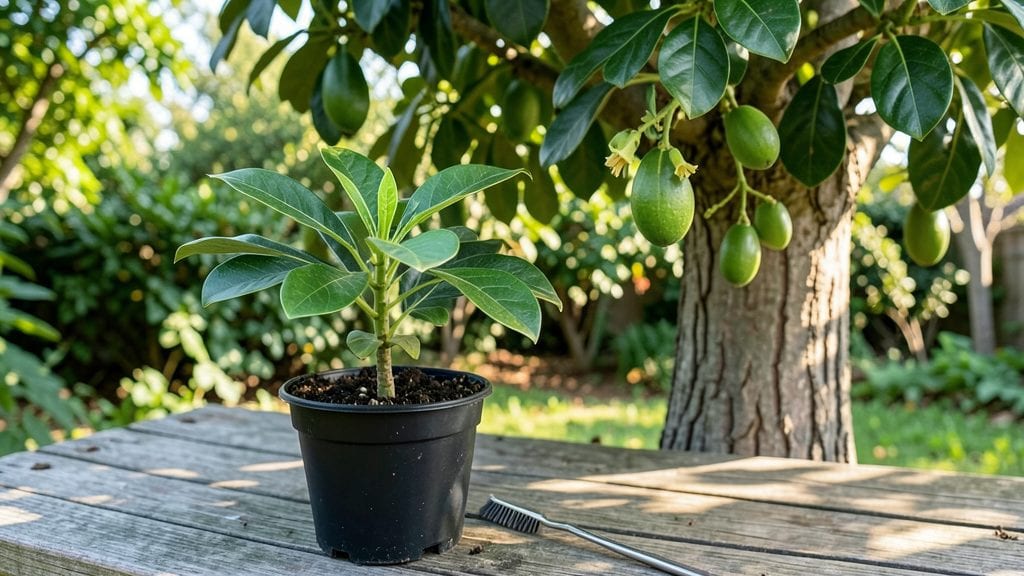
Learn how to make an avocado tree bear fruit—here’s your step-by-step guide. 🌱 The key isn’t just patience; it’s understanding your tree’s type (Type A or B), hand-pollination for self-unfruitful varieties, and adjusting care to mimic tropical conditions at home.
I’ve turned three barren trees into fruit-bearing giants using these exact steps.
First, identify your tree’s flowering type—Type A blooms in spring/summer, Type B in fall/winter. Pair them together or hand-pollinate with a small brush to transfer pollen. Then, prune strategically: open the canopy for sunlight, remove dead wood, and shape for airflow.
Fertilize with citrus-friendly mix in early spring, and water deeply but infrequently—avocados hate soggy roots.
Within a year, you’ll see flowers, and with proper care, fruit will follow. The first harvest might be small, but each season improves. My Type A tree now yields 20+ avocados annually, and the secret isn’t magic—it’s methodical adjustments. Let’s get your tree fruiting too.
Works for container-grown trees, backyard orchards, or even indoor avocados with grow lights. The same principles apply—just scale the care. Ready to transform that leafy wall into a fruit-bearing powerhouse?
📚 In This Guide
- What you need
- Instructions
- Tips and common mistakes
- Wrapping up and next steps
What you need
- ○ Avocado tree (Persea americana) – Choose a healthy, grafted variety (like Hass, Fuerte, or Reed) for faster fruiting. Optional: Seed-grown trees take 5–13 years to bear fruit.
- ● Well-draining soil mix – Combine 60% topsoil, 30% compost, and 10% perlite or coarse sand (pH 6.0–7.0). Pro tip: Avocados hate soggy roots!
- ● Pot or planting space – Container: At least 18–24" deep and wide (fabric pots work best).
- ● Outdoor planting: Full sun (6+ hours/day) and protection from strong winds.
- ● Fertilizer – Balanced (10-10-10) fertilizer – Apply every 4–6 weeks during growing season (spring–fall).
- ● Citrus/avocado-specific fertilizer – High in zinc, magnesium, and iron (follow label instructions).
- ● Pruning tools – Bypass pruners – Sharp, clean, and sterilized (rubbing alcohol works).
- ● Loppers – For thicker branches (2–3" diameter).
- ● Pruning saw – For large limbs (4"+ diameter).
- ● Water – Deep watering 2–3 times per week (1–2 gallons per tree). Drought stress = fewer flowers!
- ● Humidity – Ideal: 50–70%. Use a humidifier or pebble tray in dry climates.
- ● Temperature – Avocados thrive in USDA Zones 9–11 (60–85°F). Pro tip: Young trees need frost protection (blankets or row covers).
- ● Pollination – Hand-pollinate with a soft brush if growing indoors or in low-pollinator areas.
- ● Growth regulator (e.g., Paclobutrazol) – Slows excessive growth and boosts flowering.
- ● Mulch (wood chips or straw) – Retains moisture and regulates soil temp.
- ● Soil moisture meter – Avoid over/under-watering (avocados are finicky!).
- ● Support stake or trellis – For young trees in windy areas.
Step-by-Step pruning and care for avocado fruit production
Here's how I coax fruit from avocado trees—no magic, just precise timing and technique.
🌱 Step 1: Establish a Strong Skeleton Structure
Avocado trees need a balanced framework before they'll produce fruit. In their first year, focus on creating a central leader with 3-4 main branches spaced 12-18 inches apart. I prune competing vertical shoots immediately—they'll steal energy from fruit development. Use clean, sharp pruners to make cuts just above outward-facing buds to encourage horizontal branching.
This structure ensures good airflow and sunlight penetration to the inner canopy, which is critical for fruit set. Watch for water sprouts (thin, fast-growing shoots) and remove them completely—they drain resources from potential fruit production. By winter's end, your tree should have a clear, open center with no dense clusters of branches.
☀️ Step 2: Implement Seasonal Pruning for Flower Induction
Avocado trees need specific light exposure patterns to flower. In late winter (when days lengthen), perform a light heading cut on the central leader to stimulate lateral branch growth. This is when I make 20-30% reduction cuts on the tallest branches, always cutting back to a lateral bud or branch junction.
Here's the key: avocados flower best when they experience 12-14 hours of daylight. If your tree isn't getting enough natural light, supplement with a 1500-lumen grow light for 4-6 hours daily during winter months. You'll see flower buds form in 8-12 weeks after proper pruning—look for small, round swellings at branch tips.
✂️ Step 3: Thin Fruit and Manage Canopy for Quality
Once fruit appears, thinning is non-negotiable. Leave only 1-2 fruits per cluster and space them 8-12 inches apart along the branch. I remove smaller, misshapen fruit first—they compete with larger ones for nutrients. Use sharp pruning shears to cut the fruit stem cleanly without damaging surrounding branches.
At the same time, perform light summer pruning to maintain an open canopy. Remove any branches growing inward or crossing others, and thin out dense foliage to improve air circulation. This prevents fungal diseases that can rot developing fruit. By mid-summer, your tree should have 50-70% of its branches bearing fruit with good spacing between clusters.
💧 Step 4: Adjust Watering for Fruit Development
Avocado trees need consistent moisture during fruit development but hate soggy roots. Water deeply once per week during dry periods, delivering 1-1.5 gallons per square foot of canopy. The soil should remain moist to 12 inches deep but never waterlogged—avocado roots are sensitive to rot.
Here's my secret: I always water in the early morning to reduce evaporation and fungal risks. As fruit approaches maturity (typically 6-8 months after flowering), reduce watering slightly to every 10-14 days. This helps concentrate sugars in the fruit for better flavor. Watch for fruit that's dark green with slight purple blush—that's your harvest signal.
🌿 Step 5: Post-Harvest Pruning for Next Season
After harvest, perform a renewal pruning to prepare for next year's crop. Remove any dead, diseased, or weak branches completely, and cut back last year's fruit-bearing branches by 30-50% to stimulate new growth. This is also when I fertilize with a balanced 6-6-6 formula to replenish nutrients.
Pay special attention to the tree's growth pattern—you want to maintain that open center while encouraging outward growth. By winter, your tree should look like a well-pruned, balanced structure with 12-18 inches of space between major branches. This annual cycle of pruning, flowering, fruiting, and renewal is what consistently produces avocados year after year.
Tips & tricks for perfect avocado fruit production
These essential insights will help you transform your avocado tree into a fruit-bearing powerhouse—without the guesswork.
Light Exposure is Non-Negotiable: The 12-14 hours of daylight requirement in Step 2 is absolutely critical. I've seen trees fail to flower because they didn't get enough light, even in sunny climates. If your tree is indoors or in partial shade, supplement with that 1500-lumen grow light for 4-6 hours daily—this mimics natural conditions and triggers flowering. Place the light 12-18 inches above the canopy for even distribution.
Pruning Precision Pays Off: When making those 20-30% reduction cuts in Step 2, always cut back to a lateral bud or branch junction. This ensures new growth emerges in the right direction. I use a small paint marker to flag branches that need cutting before I start—this prevents missed spots. Also, never remove more than 30% of the canopy at once; avocado trees are sensitive to drastic pruning.
Fruit Thinning Strategy: In Step 3, when you're thinning to 1-2 fruits per cluster, focus on keeping the largest, healthiest-looking fruit. I remove any fruit with blemishes or irregular shapes first—they'll never develop properly and just compete with better candidates. This spacing also prevents branches from sagging under the weight of too many fruits.
Watering Wisdom: The once-per-week watering in Step 4 needs to be consistent, but don't overdo it. I check soil moisture by sticking my finger 2-3 inches deep—if it's dry at that level, it's time to water. Morning watering is key because it gives the soil time to dry out during the day, reducing fungal risks. As fruits mature, that slight reduction to every 10-14 days helps develop sweeter, more concentrated flavor.
Pro Tips for Make Avocado Tree Bear Fruit
- These essential insights will help you transform your avocado tree into a fruit-bearing powerhouse—without the guesswork.
- Light Exposure is Non-Negotiable: The 12-14 hours of daylight requirement in Step 2 is absolutely critical.
- Pruning Precision Pays Off: When making those 20-30% reduction cuts in Step 2, always cut back to a lateral bud or branch junction.
Frequently asked questions
Got questions about growing avocados? You’re not alone! Here are some of the most common concerns—and their answers—to help you troubleshoot and succeed in your fruit-bearing journey.
How long does it take for an avocado tree to bear fruit?
Most avocado trees take 3 to 5 years to produce fruit from seed, while grafted varieties can bear fruit in as little as 1 to 2 years. Patience is key—consistent care (like proper pruning, sunlight, and watering) speeds up the process!
Why isn’t my avocado tree flowering or fruiting?
Common culprits include lack of sunlight (avocados need 6+ hours daily), improper pruning (over-trimming can stress the tree), or nutrient deficiencies (try a balanced fertilizer). Cold drafts or inconsistent watering can also halt flowering. Check your tree’s health and adjust care!
Can I grow an avocado tree indoors and still get fruit?
While possible, indoor avocado trees rarely fruit due to limited sunlight and space. They thrive outdoors in warm climates (USDA Zones 9-11). If you’re set on indoor growth, place it near a south-facing window and supplement with grow lights—but expect mostly decorative leaves!
Do avocado trees need a pollinator to produce fruit?
No! Avocado trees are self-pollinating, meaning they don’t need bees or other pollinators to set fruit. However, cross-pollination (planting two compatible varieties nearby) can boost yields. If your tree isn’t fruiting, check for pests or environmental stressors instead.
What’s the best time of year to prune for fruit production?
Prune late winter or early spring (before new growth starts) to encourage fruiting. Avoid heavy pruning in summer—it stresses the tree. Focus on removing dead/diseased branches and shaping for airflow. Light trimming after harvest (fall) can also help!
Wrapping up and next steps
Growing a fruitful avocado tree is a rewarding journey that blends patience, care, and a little pruning magic! 🌱 By mastering year-round pruning techniques, providing the right nutrients, and creating ideal conditions, you’ll soon enjoy a bountiful harvest of creamy, delicious avocados.
Remember, consistency is key—whether it’s shaping your tree, managing pests, or adjusting sunlight exposure.
Now that you’re armed with the secrets, roll up your sleeves and get pruning! Start with a single branch or section today, and watch your tree thrive. Before you know it, you’ll be savoring homegrown avocados straight from your own backyard—what’s more satisfying than that? 🥑✨