
Pruning
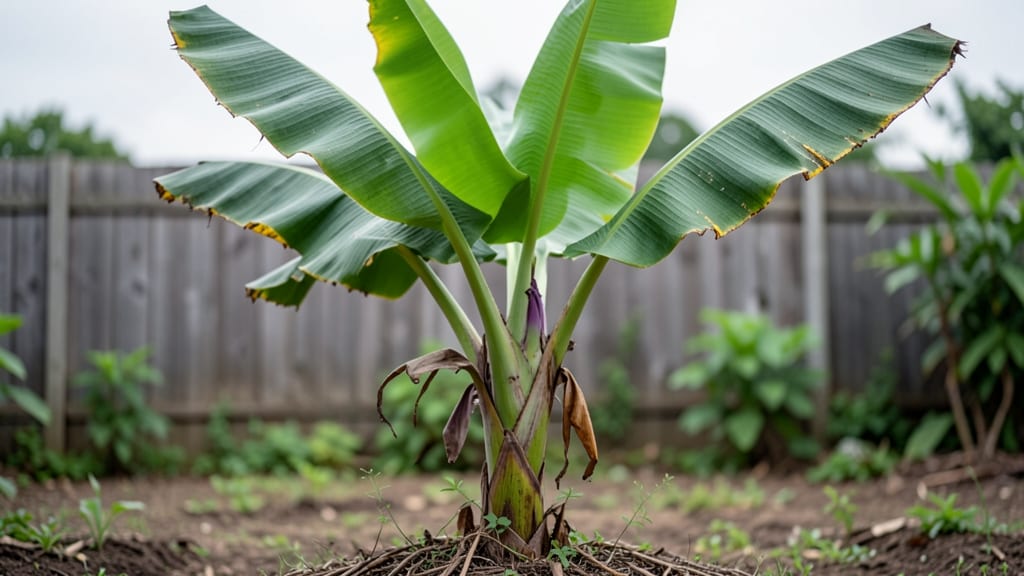
Growing a small banana tree in the Pacific Northwest feels like a tropical dream—until you realize how easily cold snaps can turn your plant into a sad, brown mess. 🌱 I’ve nursed these frost-sensitive darlings through winters where temps drop into the 20s, and the secret isn’t just wrapping them in blankets (though that helps).
It’s pruning at the right time, choosing the hardiest dwarf varieties, and giving them just enough protection to bounce back like a champion.
The right dwarf banana—like the Dwarf Cavendish or Ice Cream Banana—stays compact enough for containers or small yards while still producing fruit. You’ll need a 5-gallon pot or larger, well-draining soil mix, and a spot that gets at least 6 hours of sun daily (even in our cloudy climate).
The pruning magic happens in late winter: cut back dead fronds to the base and trim any splits in the trunk to prevent rot. It’s not complicated, but it’s the difference between a plant that survives and one that thrives.
By summer, you’ll have a lush, leafy plant that looks like it belongs in Hawaii, not your backyard. The real reward? Sweet, small bananas (or stunning foliage if you’re just growing for show) that make neighbors stop and stare.
And when frost rolls in again? A few extra layers of frost cloth or moving your pot indoors keeps it alive for another year of growth. Trust me, your plant will thank you.
This method works for indoor growers too—just swap the frost cloth for a grow light in winter and keep the soil slightly moist. The key is consistency: prune once a year, protect in cold snaps, and watch your little banana tree become the star of your garden (or patio).
Ready to give it a try?
📚 In This Guide
- What you need
- Instructions
- Tips and common mistakes
- Wrapping up and next steps
What you need
- ● Banana tree plant: Choose a Musa acuminata or Musa balbisiana variety (e.g., 'Dwarf Cavendish' or 'Ice Cream' banana) for cold tolerance. Start with a 1-2 gallon potted plant or a bare-root sapling (spring planting is ideal!).
- ● Well-draining soil: Mix 60% potting soil, 30% perlite or coarse sand, and 10% compost for optimal drainage (banana trees hate soggy roots!).
- ● Container (if potted): A 15-20 gallon pot with drainage holes (or a large fabric grow bag for flexibility).
- ● Slow-release fertilizer: 10-10-10 or 14-14-14 NPK blend (use 1 tbsp per gallon of soil at planting time).
- ● Mulch: 3-4 inches of straw or wood chips to insulate roots and retain moisture.
- ● Pruning tools: Bypass pruners (for clean cuts on small stems).
- ● Loppers (for thicker pseudostems, up to 1.5 inches).
- ● Sharp garden shears (for trimming fronds).
- ● Gloves (heavy-duty for protection—banana tree sap can irritate skin!).
- ● Hose with nozzle or watering can (banana trees love 1-2 inches of water weekly).
- ● Frost cloth or row cover (for lightweight protection during unexpected frosts, 20-30°F).
- ○ Heat mat or grow light (optional for indoor overwintering in cold climates).
- ● Epsom salt (1 tbsp in 1 gallon of water monthly for magnesium boost).
- ○ Rooting hormone (optional for propagating from suckers).
- ● A sunny spot with at least 6-8 hours of direct light daily (south-facing is best!).
- ● Protection from wind (banana trees are tropical—use a windbreak if needed).
- ● Patience! Small banana trees take 1-2 years to bear fruit in cooler climates.
Step-by-Step pruning for small banana trees in cold climates
Here's how to keep your dwarf banana thriving through Pacific Northwest winters.
✂️ Step 1: Identify and Remove Dead or Damaged Fronds
Start by examining your banana tree for any fronds that are completely brown, brittle, or hanging limp. These are dead and won’t recover—snip them off at the base with clean, sharp pruners. I always work from the outside in, removing the oldest, most damaged fronds first. This prevents the plant from wasting energy trying to revive what’s already gone.
Look for fronds with blackened tips or yellowing that won’t green up again—these are your targets. Cut back to the main stem (called the pseudostem) where the frond meets the trunk. Avoid leaving stubs, as they can trap moisture and invite rot. You’ll notice new growth emerging from the center after removing these dead fronds, signaling the plant is healthy and ready to redirect energy.
🌿 Step 2: Prune for Airflow and Light Penetration
Banana trees grow best when they have good airflow and sunlight reaching all parts of the plant. After removing the dead fronds, focus on thinning out any crowded or overlapping leaves. I like to leave about 6-8 healthy, mature fronds on a small banana tree—this ensures the plant isn’t overburdened but still has enough foliage for photosynthesis.
Start at the outer edges and work inward, cutting back any fronds that are blocking light from reaching the center. You’ll see the pseudostem more clearly after this step, and the remaining fronds will stand upright rather than leaning inward. This step is especially important in the Pacific Northwest, where damp conditions can lead to fungal issues if the center of the plant stays too shaded.
⏰ Step 3: Time Your Pruning for Late Winter or Early Spring
The best time to prune your small banana tree is in late winter or early spring, just as new growth begins to emerge. This timing ensures the plant has enough time to recover before summer heat arrives. I usually wait until the first true leaves of the new season appear—this is your cue that the plant is ready to be shaped for the growing season ahead.
Avoid pruning in fall or winter, as the plant is already stressed by cooler temperatures. If you must prune in late fall, do so lightly and focus only on removing dead or diseased fronds. The goal is to give your banana tree a strong start in spring, not to shock it with heavy cuts when it’s already struggling to stay alive.
☀️ Step 4: Protect New Growth from Frost
Once you’ve finished pruning, your banana tree will likely send up new fronds in spring. To protect these tender shoots from late frosts common in the Pacific Northwest, cover them with frost cloth or a lightweight row cover on nights when temperatures are expected to drop below 32°F. I’ve found that even dwarf varieties can suffer damage if left exposed to sudden cold snaps.
You’ll know the frost protection is working if the new fronds remain upright and vibrant after a cold night. If you see any signs of frost damage—such as brown or mushy spots—remove the affected areas immediately to prevent the spread of disease. This step is critical for ensuring your banana tree survives the winter and thrives in the following growing season.
🪴 Step 5: Fertilize and Mulch After Pruning
After pruning, give your banana tree a boost with a balanced, slow-release fertilizer to support new growth. I use a 10-10-10 or 20-20-20 formula applied at half strength in early spring, just as the new fronds begin to unfurl. This ensures the plant has the nutrients it needs without overwhelming it after a major pruning session.
Finally, add a 2-3 inch layer of mulch around the base of the plant, keeping it 6 inches away from the trunk to prevent rot. The mulch helps retain moisture, regulate soil temperature, and protect the roots from frost heave in winter. You’ll see the difference in just a few weeks—healthier foliage, stronger stems, and a more resilient plant overall.
Tips & tricks for perfect small banana tree pruning
A few strategic moves will help your Pacific Northwest banana tree bounce back stronger after pruning.
Tool Prep: Sterilize your pruners with rubbing alcohol before you start—this prevents spreading disease between cuts. I learned this the hard way after losing a section of my tree to fungal infection. Sharp, clean tools also make cutting through thick fronds easier, reducing tearing that can damage the pseudostem.
Visual Cue for Step 2: When thinning fronds for airflow in Step 2, imagine you're creating a "sunburst" pattern. The outer fronds should fan out evenly, while the center should have clear space between leaves. This helps you see when you've achieved that perfect 6-8 frond balance without overcrowding.
Frost Protection Hack: For the 32°F frost protection in Step 4, I keep a roll of frost cloth pre-cut to size and stored in a plastic bin near my garden tools. On cold nights, I can quickly drape it over new growth in minutes. You can also secure it with small stakes or clothespins to prevent it from blowing away in windy Pacific Northwest conditions.
Fertilizer Timing: The early spring timing for fertilizer in Step 5 is crucial—wait until you see those first true leaves unfurl before applying. I've found that using a slow-release fertilizer like 10-10-10 gives consistent nutrition without the risk of overfeeding that can occur with quick-release options. Apply it when the soil is slightly moist to help it absorb properly.
Pro Tips for Small Banana Tree
- A few strategic moves will help your Pacific Northwest banana tree bounce back stronger after pruning.
- Tool Prep: Sterilize your pruners with rubbing alcohol before you start—this prevents spreading disease between cuts.
- Visual Cue for Step 2: When thinning fronds for airflow in Step 2, imagine you're creating a "sunburst" pattern.
Frequently asked questions
Got questions about pruning your small banana tree in the Pacific Northwest? You’re not alone!
Here are answers to the most common concerns—from frost prep to growth hacks—so you can keep your tropical beauty thriving year-round.
How do I protect my small banana tree from PNW frosts?
Wrap the trunk and leaves in frost cloth or bubble wrap when temps drop below 32°F (0°C). For extra safety, mulch the base with straw or leaves to insulate roots. If frost hits, do not prune—wait until spring to assess damage. Pro tip: Move potted trees to a sheltered spot or garage overnight!
When is the best time to prune my small banana tree?
Prune in late winter or early spring (before new growth starts) to encourage strong regrowth. Avoid pruning in fall—it stresses the plant before winter. If you must prune for aesthetics, do it after flowering (summer/fall) but leave at least 3–4 healthy leaves to sustain energy.
How much can I trim back a small banana tree?
Never remove more than 1/3 of the foliage at once. Focus on dead, yellow, or damaged leaves first. For frost-damaged trees, trim only brown, mushy tissue—healthy green tissue will regrow. Use sterilized pruners to prevent disease. Warning: Over-pruning can kill your tree!
What if my banana tree isn’t growing after pruning?
Check for these issues:
- Light: Banana trees need 6+ hours of sunlight daily—move it to a sunnier spot.
- Water: Keep soil consistently moist but not soggy (root rot is a silent killer!).
- Nutrients: Fertilize with a balanced tropical plant food in spring/summer.
- Pests: Inspect for aphids or mites (spray with neem oil if found).
Can I grow a banana tree from a store-bought banana?
Yes! Save the top 1–2 inches of a banana (with the stem intact), let it dry for 2–3 days, then plant in water or soil. Roots take 4–8 weeks to sprout. But here’s the catch: Homegrown trees are decorative only—they won’t produce edible fruit in the PNW’s climate. For fruit: Stick to cold-hardy varieties like ‘Ice Cream’ or ‘Dwarf Cavendish’!
Wrapping up and next steps
Growing a small banana tree in the Pacific Northwest is absolutely doable—with the right pruning techniques and a little patience! 🌱 You’ve now got the tools to encourage frost-resistant growth, maximize fruit production, and keep your tropical friend thriving year-round.
Whether you’re trimming for shape, health, or harvest, remember: consistency is key.
Ready to take the next step? Start by scheduling your first pruning session this month—watch your banana tree flourish and reward you with lush foliage (and maybe even bananas!) sooner than you think. Happy pruning! 🌿