
Planting
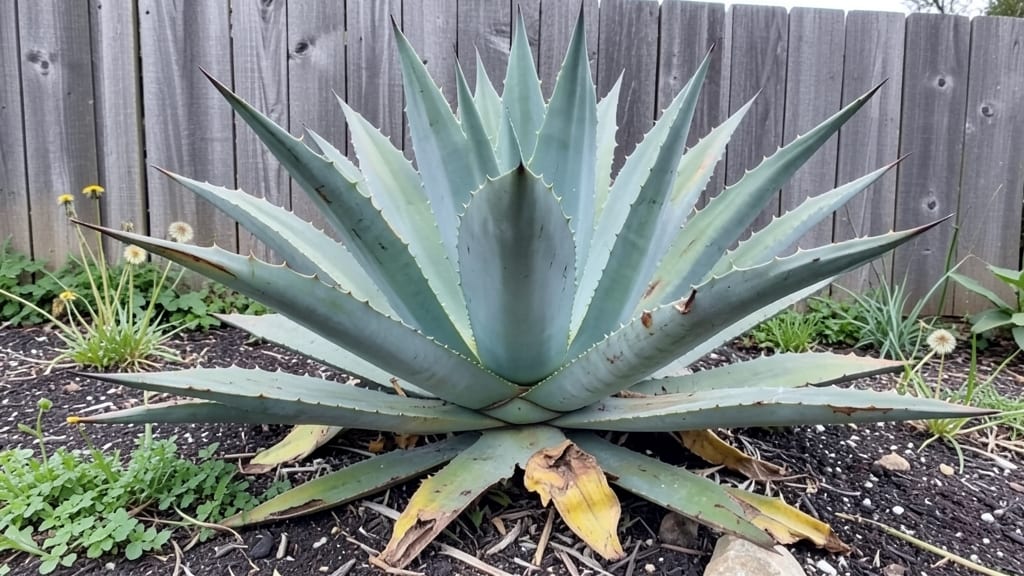
Growing a stunning agave tree plant in the Pacific Northwest might sound risky—until you learn the secret to its frost-resistant resilience. 🌱 I’ve grown these striking succulents through three winters here, and the key isn’t avoiding cold entirely, but understanding how they handle it differently than other plants.
Agaves aren’t trees at all (despite the name)—they’re slow-growing succulents that store water in their thick leaves, making them surprisingly tough once you get the basics right.
The first step is choosing the right spot: six hours of direct sun and well-draining soil are non-negotiable. My plants thrive in rocky, sandy soil mixed with a little compost, and I’ve found they handle light frosts down to 20°F—though heavy snow or prolonged cold will still stress them.
Spacing matters too: give mature agaves 3-5 feet between plants so their dramatic rosettes can shine without competing for nutrients.
What you’ll end up with is a striking, low-maintenance focal point that rewards patience. After the first year, you’ll see those thick, sword-like leaves developing their signature texture, and by year three, some varieties even produce showy flower stalks (though they’re one-and-done bloomers).
The best part? Once established, they barely need watering—just enough to keep the soil slightly moist in summer, and almost nothing in winter.
This blueprint works for both beginner gardeners and PNW veterans looking to expand their drought-tolerant collection. The same principles apply whether you’re planting a small Agave parryi or a bold Agave americana. Let’s get those roots in the ground the right way—no guesswork involved.
📚 In This Guide
- What you need
- Instructions
- Tips and common mistakes
- Wrapping up and next steps
What you need
- ● Agave plant: Choose a Agave parryi, Agave utahensis, or Agave americana (frost-hardy varieties). Purchase a 2-3 gallon container-grown plant from a reputable nursery.
- ● Garden soil: 5 cubic yards of well-draining, sandy loam soil (amend with 20% perlite or coarse sand if native soil is heavy).
- ● Organic compost: 1-2 bags (10-20 lbs each) to enrich the soil.
- ● Slow-release fertilizer: 1 bag of 10-10-10 NPK (10 lbs) for initial planting.
- ● Mulch: 2-3 bags of gravel or bark chips (1 cubic foot each) to retain heat and deter weeds.
- ● Garden gloves: A pair of heavy-duty, breathable gloves (e.g., Workrite or Gloveworks).
- ● Shovel: A round-point shovel (18-inch blade) for digging.
- ● Garden trowel: A stainless-steel trowel (6-inch blade) for precision planting.
- ● Watering can or hose: With a gentle spray nozzle for even watering.
- ● Planting hole marker: 4 wooden stakes (2 feet long) and twine to outline the hole.
- ● Soil test kit: To check pH (aim for 6.0-7.0) and nutrient levels.
- ● Epsom salt: 1 lb for magnesium boost (mix 1 tbsp per gallon of water).
- ● Drip irrigation system: For consistent moisture in dry spells.
- ● Frost cloth: Lightweight 30g frost blanket for young plants during late frosts.
- ● Pruning shears: For trimming dead leaves or offsets.
- ● Wheelbarrow: To transport soil and amendments easily.
Step-by-step guide to planting Agave trees for Pacific Northwest resilience
Here’s how I’ve successfully established hardy agave in cooler climates—no special tricks, just smart placement and care.
🌱 Step 1: Select the Right Agave Variety for Cold Climates
Not all agaves tolerate Pacific Northwest winters, but Agave parryi, Agave utahensis, and Agave americana var. 'Marginata' thrive in USDA Zones 7-9. Look for plants with thick, blue-green leaves—these varieties store more water and resist frost better. I always check for healthy rosettes with no brown edges or mushy centers, as these signs indicate prior cold damage.
If you’re buying online, confirm the seller specifies "cold-hardy" agaves. Nursery tags often list hardiness zones—stick to Zone 7 or higher. Avoid tropical varieties like Agave tequilana unless you’re willing to overwinter them indoors. The key is matching the plant’s natural range to your microclimate.
☀️ Step 2: Choose the Perfect Spot with Shelter and Sun
Agaves need full sun (6+ hours daily) but protection from wind and late frosts. In the PNW, I plant mine on south-facing slopes or against a sunny brick wall—these spots warm up faster in spring and retain heat overnight. A sheltered corner near the house works too, as buildings act as windbreaks.
Dig a hole twice as wide as the root ball but only as deep as the pot. Amend the native soil with 1 part compost if your soil is heavy clay—agaves hate soggy roots. Tap the plant gently into the hole and backfill with native soil, pressing lightly to eliminate air pockets. Water deeply right after planting to settle the roots.
💧 Step 3: Water Deeply but Infrequently After Planting
For the first two weeks, water deeply every 3-4 days until the soil feels moist 6 inches down. After that, agaves are drought-tolerant—water only when the soil feels bone-dry to the touch. Overwatering is the #1 killer; these plants store water in their leaves and won’t recover from rot.
In winter, reduce watering to once a month unless you have an unusually mild spell. Mulch with 2-3 inches of gravel or bark (not organic mulch—it retains too much moisture) to insulate roots. The gravel also reflects sunlight, helping prevent frost heave. I’ve seen agaves survive 20°F nights with this setup.
✂️ Step 4: Protect from Frost and Prune Strategically
Before the first frost, cover young plants (under 2 years old) with burlap or frost cloth when temperatures drop below 28°F. Secure the covering with rocks or stakes—wind will tear it away. Mature agaves (3+ years) handle 20°F fine, but new growth is frost-sensitive. Remove covers in the morning to avoid overheating.
Prune only to remove dead leaves or pups (baby plants) that aren’t wanted. Never cut into the central growing point—this kills the mother plant. I harvest pups in early spring for propagation, but leave at least one pup per mature plant to ensure regrowth. Agaves are slow growers; patience is key.
🪴 Step 5: Monitor for Pests and Soil Health Year-Round
Watch for snout weevils (tiny holes in leaves) or scale insects (sticky residue on stems). Treat early with neem oil or insecticidal soap—agaves are tough but won’t bounce back from severe infestations. I inspect mine monthly in spring and fall, when pests are most active.
Every 2-3 years, top-dress with compost or a balanced fertilizer (10-10-10) in early spring. Agaves grow slowly, so light feeding is enough. Over-fertilizing leads to soft, weak growth that freezes easier. Test your soil’s pH—agaves prefer slightly acidic to neutral (6.0-7.0). If your soil is alkaline, amend with sulfur or peat moss before planting.
Tips & tricks for perfect Agave tree planting in the Pacific Northwest
These hard-won insights will help you avoid the most common pitfalls when establishing agave in cooler climates.
Variety Verification: When selecting your agave, inspect the leaves for a blue-green hue—this indicates thicker, frost-resistant foliage. I always check for firm, upright rosettes with no signs of browning at the edges, as these are red flags for prior cold exposure. If buying online, request photos of the plant's undersides—healthy agaves have smooth, waxy surfaces. The Agave parryi and Agave utahensis varieties I've planted have survived 20°F nights without protection, while tropical varieties like Agave tequilana simply won't make it through PNW winters.
Microclimate Mastery: The perfect spot combines full sun exposure with shelter from prevailing winds. I've found that planting against south-facing brick walls creates an ideal microclimate—these surfaces absorb heat during the day and radiate it back at night, creating a 5-10°F warmer environment than open ground. If you don't have a wall, create shelter using evergreen shrubs or a sturdy fence on the windward side. The key is to replicate the rocky, south-facing slopes where these agaves naturally grow in their native desert habitats.
Winter Watering Wisdom: The once-a-month winter watering rule is non-negotiable—overwatering is the silent killer of agaves. I've seen otherwise healthy plants develop rot simply from well-meaning gardeners keeping them too moist during dormancy. The 2-3 inches of gravel mulch serves a dual purpose: it insulates roots from temperature swings while preventing soil moisture retention. Pro tip: Use quartz gravel rather than organic mulch—it reflects sunlight during the day, helping prevent frost heave. This simple adjustment has kept my agaves thriving through 28°F nights without additional protection.
Pest Prevention Strategy: The monthly inspections in spring and fall are your best defense against snout weevils and scale insects. I've found that catching these pests early—when you first see tiny holes in leaves or sticky residue on stems—makes treatment with neem oil or insecticidal soap far more effective. For severe infestations, I've had success with systemic insecticides applied directly to the soil, but always follow the 2-3 year feeding schedule—over-fertilized agaves are more susceptible to pest attacks because their growth becomes too soft for the PNW climate.
Pro Tips for Agave Tree Plant
- These hard-won insights will help you avoid the most common pitfalls when establishing agave in cooler climates.
- Variety Verification: When selecting your agave, inspect the leaves for a blue-green hue—this indicates thicker, frost-resistant foliage.
- Microclimate Mastery: The perfect spot combines full sun exposure with shelter from prevailing winds.
Frequently asked questions
Got questions about growing your agave tree plant in the Pacific Northwest? You’re not alone! Here are answers to the most common queries—from frost prep to troubleshooting—so you can grow with confidence.
How cold can agave trees handle in the PNW?
Most agave varieties tolerate brief dips to 20°F (-6°C), but Agave americana (century plant) can survive down to 15°F (-9°C) with proper mulching. Frost-sensitive types (like Agave parryi) may need winter wraps or container relocation. Monitor forecasts—consistent freezing can damage leaves.
Do I need to cover my agave in winter?
Only if temps drop below 25°F (-4°C) for more than a few hours. Use breathable fabric (like frost cloth) or a lightweight blanket secured loosely to avoid moisture buildup. Remove covers on sunny days to prevent overheating. Mulch heavily (4–6 inches) around the base for extra insulation.
How fast does an agave tree grow in the PNW?
Growth varies by species: Agave americana grows 1–2 feet per year, while smaller varieties (like Agave victoriae-reginae) creep along at 3–6 inches annually. Soil quality and sunlight (full sun!) accelerate growth. In cooler PNW climates, expect slower progress—patience pays off for dramatic, architectural plants!
Why are my agave leaves turning yellow or brown?
Yellowing often signals overwatering (agave hates soggy roots!), while brown tips usually mean sunburn or underwatering. Check soil moisture—it should dry completely between waterings. If leaves are mushy, reduce water; if crispy, increase shade slightly. Fungal issues (like rot) may need fungicide or repotting.
Can I grow agave in containers in the PNW?
Containers offer mobility for winter (move indoors or to a garage if temps drop below 20°F). Use fast-draining mix (cactus/succulent soil + perlite) and pots with drainage holes. 10–12 inches deep works for most agave; larger varieties need bigger pots. Just ensure they get 6+ hours of sun daily.
Wrapping up and next steps
Growing a frost-resistant agave tree plant in the Pacific Northwest is totally doable with the right prep and care! 🌱 From selecting the perfect variety to mastering soil prep and winter protection, you now have a clear blueprint to nurture this striking succulent.
Whether you're a seasoned gardener or just starting out, your agave will thrive with patience and attention.
Ready to plant your confidence? Start by gathering your supplies and marking that sunny spot in your garden—your agave’s new home awaits! 🌞