
Pruning
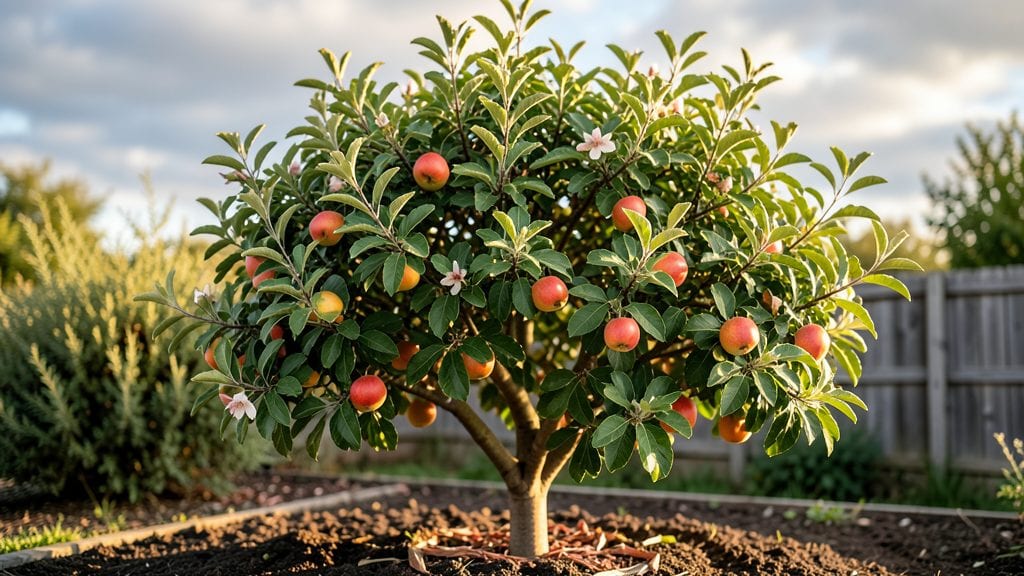
The Red Gold nectarine tree delivers sweet, juicy fruit and stunning spring blooms with less fuss than you’d expect—no heavy-handed pruning required. 🌸 I planted mine in early spring after nearly giving up on stone fruits, and now it’s the star of my backyard, producing fruit from early summer through fall.
The key? Understanding its natural growth habits and working with them instead of against them.
This variety thrives in full sun and well-draining soil, but it’s surprisingly adaptable—even in containers if your space is limited. Watering is simple: deep soaks once a week during dry spells, with extra care in the first two years to establish strong roots.
The minimal pruning approach keeps it healthy without the overwhelm, and you’ll reward yourself with fewer pests and diseases too. It’s the kind of tree that makes gardening feel effortless.
By late spring, you’ll see those vibrant pink blossoms followed by fruit that ripens in waves—perfect for snacking or preserving. The tree stays compact (around 15 feet tall), making it ideal for smaller yards or urban gardens.
With the right care, it’ll produce for decades, giving back far more than the initial work.
Whether you’re a first-time fruit grower or a seasoned gardener looking for low-maintenance options, the Red Gold nectarine fits the bill. The secret isn’t complicated—just a little patience and the right timing. Let’s get your tree off to the best possible start.
📚 In This Guide
- What you need
- Instructions
- Tips and common mistakes
- Wrapping up and next steps
What you need
- ● Red Gold Nectarine Tree: A healthy 1-3 year old sapling (bare-root or potted) from a reputable nursery.
- ● Well-draining soil: Mix of 60% native soil, 30% compost, and 10% perlite or coarse sand (for optimal drainage).
- ● Organic fertilizer: Slow-release 10-10-10 NPK or citrus-specific fertilizer (follow package instructions).
- ● Mulch: 2-3 inches of wood chips or straw (keep away from the trunk).
- ● Drip irrigation system or soaker hose: For consistent moisture (especially in dry climates).
- ● Pruning shears: Sharp, bypass-style shears (disinfect with rubbing alcohol between cuts).
- ○ Grafting tape (optional but helpful): For sealing pruning wounds (e.g., Tree Wound Pruning Seal).
- ● Gloves: Heavy-duty gardening gloves (to protect from thorns and sap).
- ● Ladder or step stool: For reaching higher branches (if tree is mature).
- ● pH test kit: To ensure soil pH is between 6.0–7.0 (ideal for nectarines).
- ● Sunlight access: Full sun (6+ hours daily) in a frost-free zone (USDA 7-10).
- ● Spray bottle with water: For cleaning tools and rinsing sap off hands.
- ● 🌡️ Timing matters: Plant in early spring (after last frost) or fall (6-8 weeks before first frost).
- ● ✨ Pollination boost: Plant a second nectarine variety nearby for cross-pollination (if not self-fertile).
- ● 🔥 Winter prep: Wrap the trunk with burlap in cold climates to prevent sun scald.
How to grow a thriving Red Gold nectarine tree
Here's my foolproof approach to growing this stunning, low-maintenance variety that rewards you with gorgeous blooms and sweet fruit.
🌱 Step 1: Choose the Perfect Planting Spot
Red Gold nectarines need 6-8 hours of direct sun daily—that's non-negotiable for both blooms and fruit production. I always pick a location with morning sun and afternoon shade protection, especially in hot climates, to prevent sunburn on the delicate fruit. The tree thrives in well-draining soil with a pH between 6.0-7.0, so test your soil before planting.
Watch for microclimates in your yard—south-facing slopes get hotter, while north-facing areas stay cooler. You'll know you've found the right spot when you see other fruit trees thriving nearby, as they share similar growing conditions. Dig a hole twice as wide as the root ball but only as deep—planting too deep suffocates the roots and causes stress.
🪴 Step 2: Plant at the Right Time and Depth
Spring is ideal for planting nectarine trees, giving roots 6-8 weeks to establish before summer heat arrives. If you're in a warmer climate, plant in late fall instead. Remove the tree from its container and gently loosen any circling roots—you'll see them wrapping around the edges. This prevents girdling as the tree matures.
Place the tree in the hole so the graft union (the bump near the base) sits 2-3 inches above soil level. This protects against rot and ensures proper trunk development. Backfill with native soil mixed with compost (if not already in your soil mix) and water deeply to eliminate air pockets. The soil should settle about 1 inch—add more if needed after watering.
☀️ Step 3: Water and Mulch for First-Year Success
Water your newly planted Red Gold nectarine deeply 2-3 times per week for the first month, then taper to once weekly once established. You'll know it's getting enough water when the top 6 inches of soil stay consistently moist but not soggy. Overwatering is just as harmful as underwatering for young trees.
Apply 2-3 inches of organic mulch (like wood chips or straw) around the base, keeping it 6 inches away from the trunk to prevent rot. This conserves moisture, regulates soil temperature, and suppresses weeds. Replenish mulch annually as it breaks down—you'll notice fewer weeds and less watering needed after the first year.
✂️ Step 4: Minimal Pruning for Optimal Growth
The beauty of Red Gold nectarines is their minimal pruning needs. In late winter or early spring, remove only dead, diseased, or crossing branches—these are the only ones that truly need cutting. Use clean, sharp pruners to make cuts at a 45-degree angle just above a bud or branch collar.
Open the center of the tree slightly to improve airflow and sunlight penetration, but avoid heavy pruning. You'll see vigorous new growth in spring, and the tree will naturally develop an open canopy that supports both blooms and fruit. Never prune when the tree is under stress—wait until it's actively growing again.
🌿 Step 5: Feed and Protect for Year-Round Health
Apply a balanced fertilizer (10-10-10) in early spring and again after harvest to maintain vigor. Follow package instructions for amounts—over-fertilizing leads to excessive leafy growth at the expense of fruit production. Red Gold trees are relatively low-maintenance, but they do appreciate a light application of nitrogen in late summer to support next year's blooms.
Watch for common pests like aphids and scale insects, which can stress young trees. A strong spray of water usually dislodges them, but for persistent infestations, use horticultural oil in late winter when the tree is dormant. You'll know your tree is healthy when it produces abundant blooms in spring and sweet, firm fruit in summer—no heavy-handed interventions needed!
Tips & tricks for perfect Red Gold nectarine tree growth
A few key insights will help you avoid common pitfalls and maximize your Red Gold nectarine tree's potential for stunning blooms and sweet fruit.
Sunlight Strategy: When selecting your planting spot in Step 1, pay special attention to the 6-8 hours of direct sun requirement. I've seen many gardeners assume partial shade is acceptable, but Red Gold nectarines need full sun for proper fruit development. If your yard has limited full-sun areas, consider a south-facing location with afternoon shade protection—this balances heat exposure while still meeting the sun requirement. Trust me on this: the fruit quality makes all the difference!
Root Care Secret: In Step 2, when preparing the hole, make it twice as wide as the root ball but only as deep. This creates space for roots to spread horizontally, which is how nectarine trees naturally establish themselves. I've noticed that gardeners often dig too deep, which can suffocate the roots and lead to poor growth. After planting, water deeply to eliminate air pockets—this helps the soil settle properly around the roots.
Watering Wisdom: The 2-3 times per week watering schedule in Step 3 works best when you water deeply each time. I recommend using a soaker hose or drip irrigation to deliver water directly to the root zone. This prevents water from evaporating quickly and ensures the top 6 inches of soil stay consistently moist. A simple test: stick your finger in the soil—if it feels dry an inch down, it's time to water again.
Pruning Precision: When pruning in Step 4, focus on removing only dead, diseased, or crossing branches. I learned this the hard way after over-pruning and seeing my tree struggle to recover. Make cuts at a 45-degree angle just above a bud or branch collar—this promotes better healing and new growth. The goal is to maintain an open canopy that allows sunlight and air to circulate freely throughout the tree.
Pro Tips for Red Gold Nectarine Tree
- A few key insights will help you avoid common pitfalls and maximize your Red Gold nectarine tree's potential for stunning blooms and sweet fruit.
- Sunlight Strategy: When selecting your planting spot in Step 1, pay special attention to the 6-8 hours of direct sun requirement.
- Root Care Secret: In Step 2, when preparing the hole, make it twice as wide as the root ball but only as deep.
Frequently asked questions
Got questions about growing and maintaining your Red Gold Nectarine Tree? You’re not alone! Here are answers to the most common queries—from pruning tips to seasonal care—to keep your tree thriving with minimal effort.
How often should I prune my Red Gold Nectarine Tree?
Prune your Red Gold Nectarine Tree once a year, ideally in late winter or early spring (before buds swell). Light maintenance (removing dead branches) can be done anytime, but avoid heavy pruning during active growth. This keeps blooms abundant while reducing effort!
When do Red Gold Nectarine Trees bloom, and how long do the flowers last?
Blooms arrive early spring (March–April, depending on climate), with pink-white flowers lasting 1–2 weeks. For year-round interest, plant near evergreens or companion flowers like Daffodils (they bloom earlier). Pro tip: Deadhead spent blooms to encourage reblooming!
Why aren’t my Red Gold Nectarine Tree’s fruits developing?
Fruit may skip a year due to over-pruning, poor pollination, or nutrient deficiency. Ensure your tree gets 6+ hours of sun, cross-pollinate with another nectarine variety if possible, and fertilize in early spring with citrus-specific food. Patience helps—young trees focus on root growth first!
Can Red Gold Nectarine Trees survive cold winters?
This variety is hardy to USDA Zones 6–10. In colder zones, mulch heavily (3–4 inches) and wrap the trunk with burlap. Avoid pruning in winter—wait until late dormancy (Feb/March) to prevent frost damage. Bonus: Their glossy leaves add winter interest!
Are there low-maintenance alternatives to Red Gold Nectarine Trees?
Yes! Try these easy-care bloomers:
- Dwarf Meyer Lemon (Zones 9–11): Drought-tolerant, fragrant flowers.
- Ornamental Pear (Zones 4–8): Disease-resistant, no fruit needed for blooms.
- Crape Myrtle (Zones 7–9): Vibrant summer flowers, zero pruning required.
Wrapping up and next steps
The Red Gold Nectarine Tree is a dream for gardeners who love beauty and ease—its stunning blooms, minimal pruning needs, and year-round appeal make it a standout choice. Whether you're a novice or a seasoned gardener, this tree rewards patience with vibrant color and low-maintenance charm. 🌸
Now that you’re equipped with the right tools and know-how, take the next step—plant your Red Gold Nectarine Tree and watch your garden transform! Share your progress with fellow enthusiasts or explore more pruning tips to keep your tree thriving for years to come. 🌱