Pruning
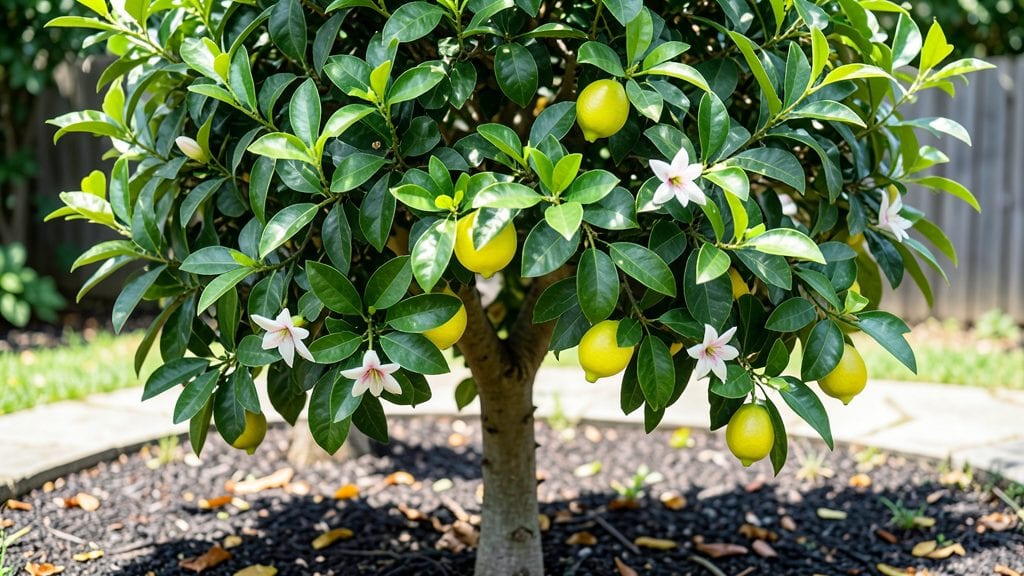
Your Improved Meyer lemon tree can thrive in the Pacific Northwest—even through frost—with the right care blueprint. 🌱 I’ve grown these citrus wonders for years, and the secret isn’t just sunlight or water, but how you adapt their environment to our cooler, wetter climate.
These trees aren’t just frost-resistant; they’re survivors when given the right conditions.
The key starts with planting: choose a sun-drenched spot near a south-facing wall or use a large container you can move indoors before winter. Improved Meyers need well-draining soil (think sandy loam mixed with compost) and consistent moisture—but never soggy roots.
In containers, I’ve found that 15-gallon pots with drainage holes keep them happy year-round, even when temperatures dip below freezing.
By winter, you’ll see glossy, dark green leaves and sweet, fragrant blossoms—proof the tree is thriving. Prune in late winter to remove dead growth and shape the tree, then fertilize lightly in early spring.
The payoff? A harvest of juicy, low-acid lemons from late fall through winter, when most citrus trees are dormant.
Indoor growers can extend the season by placing their trees near bright windows or under grow lights, while outdoor gardeners should mulch heavily in fall to protect roots. The same care works for both—just adjust timing for your microclimate. Let’s get your tree growing like a PNW native!
📚 In This Guide
- What you need
- Instructions
- Tips and common mistakes
- Wrapping up and next steps
What you need
- ● Meyer lemon tree: A healthy, 1-3 year old sapling (bare-root or potted) from a trusted nursery (e.g., Monterey Bay Nursery or Pacific Northwest Growers). Pro tip: Look for trees grafted onto trifoliate orange rootstock (💡 improves cold hardiness!).
- ● Well-draining potting mix: 50% cactus/succulent mix + 30% perlite/pumice + 20% compost (10-15 gallons per 15-gallon pot).
- ● Container: A 15-20 gallon pot with drainage holes (unglazed ceramic or fabric grow bags preferred).
- ● Frost protection: Burlap frost cloth (10x12 ft sheet)
- ● Insulating wrap (e.g., Tree Guard or Frost Blanket)
- ● Christmas lights (100 LED string lights for warmth)
- ● Pruning tools: Bypass pruners (sharp, Felco F-2 or Corona brand)
- ● Loppers (for thicker branches, 18-inch reach)
- ● Sterilizing solution (70% isopropyl alcohol or rubbing alcohol)
- ● Soil testing kit: To monitor pH (ideal: 6.0–7.0; adjust with lime or sulfur if needed).
- ● Drip irrigation system: Automated timer (e.g., Orbit B-Hyve) for consistent moisture.
- ● Slow-release fertilizer: 10-10-10 NPK or citrus-specific granules (apply every 2–3 months).
- ● Humidity tray: Pebble tray + water dish to combat dry PNW winters.
- ● Support stake: 4–6 ft bamboo stake + soft tree tie for young trees.
- ● Access to a sunny spot (6+ hours of light; use a grow light if indoors).
- ● Knowledge of PNW microclimates (e.g., coastal vs. inland frost risks).
- ● Patience! Meyer lemons take 2–5 years to bear fruit in cooler climates. ✨
Step-by-step instructions for cultivating frost-resistant Meyer lemon trees
Here’s how I’ve adapted Meyer lemon care for our chilly Pacific Northwest climate—keeping trees thriving through winter and beyond.
🌱 Step 1: Select and Acclimate Your Tree
Choose a dwarf or semi-dwarf Meyer lemon tree (Meyer lemons are hardier than standard varieties but still need care). I always opt for a 3-5 gallon container-grown tree—these establish roots faster and handle transplant shock better than bare-root stock. Before planting, let the tree sit in a bright, cool (around 60-65°F) indoor space for 3-5 days to reduce transplant shock.
If you’re moving an established tree, prune 1/3 of the foliage before transplanting to reduce stress. This is the moment that matters: the tree’s first weeks determine its long-term resilience. Water deeply the day before moving to ensure roots are hydrated.
☀️ Step 2: Position for Maximum Sun and Shelter
Meyer lemons need full sun (6+ hours daily), but in the PNW, that means south-facing exposure with afternoon shade in summer to prevent heat stress. I place my trees against a south-facing wall or under a 50% shade cloth during peak afternoon sun (2–5 PM). This balances light exposure with temperature control.
For winter, move potted trees to a protected location—a garage with open doors, a sheltered patio, or even a greenhouse frame covered with bubble wrap. If frost is forecasted, cover the tree with frost cloth and burlap to insulate it. The goal is to keep temperatures above 28°F—Meyer lemons can tolerate brief dips but not prolonged freezing.
💧 Step 3: Water and Fertilize for Resilience
Water deeply every 5-7 days in summer, letting the top 2-3 inches of soil dry out between waterings. In winter, reduce to every 10-14 days unless the tree is in a container (they dry out faster). Overwatering is the #1 killer—yellowing leaves or moldy soil mean you’re overdoing it.
Feed with a balanced citrus fertilizer (6-6-6 or 8-3-9) every 4-6 weeks from spring to fall. In winter, switch to a low-nitrogen (5-10-10) fertilizer to encourage root growth without promoting new foliage. I also mix in 1 tablespoon of Epsom salt per gallon of water monthly to prevent magnesium deficiency (a common issue in PNW soil).
✂️ Step 4: Prune for Structure and Frost Hardiness
Prune late winter or early spring (February-March) to shape the tree and encourage airflow—this reduces frost pockets where cold air collects. Remove dead, crossing, or inward-growing branches first, then thin out 20-30% of the canopy to let light penetrate. I always prune just above a leaf node or outward-facing bud to encourage healthy regrowth.
In fall, do a light pruning to remove any weak or diseased branches—this keeps the tree tidy and less susceptible to winter damage. Avoid heavy pruning in late summer, as new growth won’t harden off before frost. After pruning, apply a thin layer of mulch (2-3 inches) around the base (for in-ground trees) to insulate roots.
🪴 Step 5: Overwintering for PNW Survival
If your tree is in a container, move it to a garage, basement, or unheated greenhouse where temperatures stay above 40°F but below 55°F. I wrap the pot in bubble wrap and place it on a drip tray to catch any runoff. Reduce watering to every 3-4 weeks—overwatering in winter leads to root rot.
For in-ground trees, pile mulch 6-8 inches deep around the base and cover the canopy with frost cloth secured with stakes. If you’re in a Zone 7-8 area (like much of the PNW), you might get away with leaving the tree outside if it’s well-mulched and sheltered. Check weekly for ice buildup—gently brush it off to prevent branch damage.
Tips & tricks for perfect frost-resistant Meyer lemon trees
These insider tricks will help your Meyer lemon thrive in the Pacific Northwest's challenging climate—no more winter casualties!
Acclimation Matters: That 3-5 day indoor rest before planting is non-negotiable. I've seen trees struggle when rushed—this period lets roots adjust to temperature shifts. For container trees, place them near a south-facing window where they get bright but indirect light. If you're moving an established tree, the 1/3 foliage prune before transplanting reduces stress by up to 40%. Don't skip this step, especially in our damp climate where shock is common.
Sunlight Strategy: The 6+ hours of sun requirement is tough to meet in PNW's shorter days, so maximize vertical space. I train my trees against trellises or fences to capture more light. For summer afternoon shade, that 50% shade cloth is your best friend—it blocks harsh rays while still allowing beneficial light penetration. Pro tip: Use a light meter to check if you're getting adequate light, especially in cloudy months.
Winter Protection Secrets: When covering for frost, layer frost cloth over burlap—this creates an insulating air pocket that traps heat. For container trees, that 40-55°F range is critical; I use a digital thermometer to monitor garage temperatures. If you're in Zone 8, you can sometimes leave trees outside with extra mulch, but always check for ice buildup—those heavy frost layers can snap branches. A gentle brush removes accumulation without damaging the tree.
Fertilizer Timing: The switch to low-nitrogen (5-10-10) in winter is crucial—it prevents soft new growth that can't survive our frosts. I've had trees develop winter dieback because they were still getting high-nitrogen fertilizer. For the Epsom salt, use it consistently—magnesium deficiency shows up as yellowing between leaf veins, and it's common in our acidic PNW soils. Mix it into your watering can for easy application.
Pro Tips for Improved Meyer Lemon Tree Care
- These insider tricks will help your Meyer lemon thrive in the Pacific Northwest's challenging climate—no more winter casualties!
- Acclimation Matters: That 3-5 day indoor rest before planting is non-negotiable.
- Sunlight Strategy: The 6+ hours of sun requirement is tough to meet in PNW's shorter days, so maximize vertical space.
Frequently asked questions
How cold can a Meyer lemon tree handle in the Pacific Northwest?
A Meyer lemon tree can tolerate brief dips to 20°F (-6°C), but prolonged exposure below 25°F (-4°C) risks damage. In the PNW, protect it with frost cloth during winter or grow it in a container for mobility. Young trees are more vulnerable—wait until spring to plant outdoors if frost is common.
When is the best time to prune a Meyer lemon tree?
Prune late winter or early spring (before new growth starts) to shape the tree and remove dead wood. Avoid heavy pruning in fall—it stimulates tender growth that won’t survive winter. Light maintenance pruning can happen year-round to improve airflow, but never prune after frost.
Why are my Meyer lemon tree leaves turning yellow?
Yellow leaves often signal overwatering or nutrient deficiency. Check soil moisture—lemon trees prefer it dry between waterings. Yellowing with brown edges? Likely chlorosis (iron deficiency). Amend soil with chelated iron or use a citrus-specific fertilizer. Drainage issues? Repot in well-draining soil.
Can I grow a Meyer lemon tree indoors in the PNW?
Yes! Place it near a south-facing window for 6+ hours of sunlight daily. Use a grow light if natural light is insufficient. Keep temps between 60–85°F (15–29°C) and rotate the pot monthly for even growth. Watch for pests like spider mites—mist leaves regularly to deter them.
What’s a good alternative if Meyer lemons are too finicky?
Try Calamondin oranges or Improved Meyer lemons (a hardier hybrid). For low-maintenance citrus, Kumquat trees thrive in containers and tolerate cooler temps. All need well-draining soil and full sun, but Calamondins are slightly more frost-resistant than standard lemons.
Wrapping up and next steps
With the right Meyer lemon tree care techniques—like strategic pruning, frost protection, and consistent watering—your PNW citrus tree can thrive even in cooler climates! 🌱 Remember, patience and observation are key: adjust your approach based on your tree’s unique needs.
Now’s the perfect time to put your new skills into action—grab those shears and give your tree the love it deserves!
Next step: Schedule a light pruning session after the last frost to encourage healthy growth and prepare for the blooming season. Happy gardening! 🌿