
Pruning
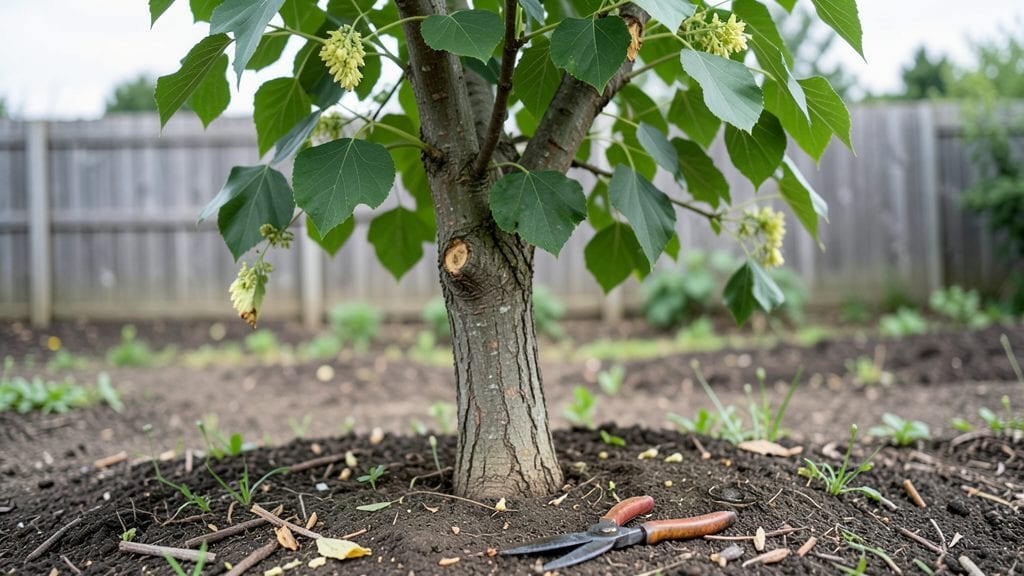
Pruning mature trees isn’t just about cutting branches—it’s about giving your trees a second chance to thrive after years of neglect or improper care. 🌳 I’ve seen overgrown oaks transformed into healthy, balanced giants with the right approach, and the difference in their growth is shocking.
The key isn’t brute force; it’s patience, timing, and knowing where to make those precise cuts.
You’ll need basic tools—a sharp pruning saw, loppers, gloves, and a sturdy ladder—but the real secret is working during the dormant season when trees heal fastest. This isn’t a quick weekend project; it’s a methodical process that pays off for years.
I’ve pruned fruit trees in late winter and shade trees in early spring, and the results speak for themselves—better airflow, fewer pests, and stronger branches that won’t snap in storms.
What you’ll end up with is a tree that looks like it belongs in a park, not a backyard. The canopy opens up, sunlight reaches the ground, and the structure becomes stable enough to last another decade.
No more deadwood hanging over your roof or limbs blocking your view—just a tree that’s actually working for you, not against you.
Whether you’re dealing with a fruit tree, a shade maple, or an overgrown pine, the principles stay the same. The only difference is the details—like when to prune fruit trees versus when to thin a shade tree. Let’s get started with the tools and timing that make all the difference.
📚 In This Guide
- What you need
- Instructions
- Tips and common mistakes
- Wrapping up and next steps
What you need
- ● Pruning saw: A sharp, bypass pruning saw (8–10 inches) for thick branches (2+ inches in diameter).
- ● Loppers: Bypass loppers (18–24 inches) for medium branches (¾–2 inches thick). Choose ratcheting models for extra leverage.
- ● Hand pruners: Bypass pruners (for cuts ergonomic handles to reduce hand fatigue.
- ● Pole saw/pruner: Extendable (10–16 feet) for high branches—never stand on ladders for this!
- ● Work gloves: Heavy-duty, cut-resistant gloves (e.g., ANSI-rated) to protect hands from splinters and thorns.
- ● Safety gear: Safety glasses with side shields
- ● Hard hat (if branches are dense or overhanging structures)
- ● Steel-toe boots or work shoes
- ● Disinfectant: 70% isopropyl alcohol or a tree-pruning spray to sterilize tools between cuts (prevents disease spread).
- ○ Tar or pruning sealant: (Optional but helpful) For large cuts (>2 inches) to reduce sap leakage and pest entry.
- ● Ladder: Extension ladder (20–30 feet, rated for your weight + tools) with non-slip feet. Use a ladder stabilizer for safety.
- ● Heavy-duty trash bags: 30–50 gallon bags for debris—mature trees make a lot of branches!
- ● First-aid kit: Bandages, antiseptic wipes, and tweezers (for splinters or minor cuts).
- ● Rope or harness: For professional-grade safety if working at extreme heights (e.g., climbing trees).
- ● Tree wound dressing: (Controversial but useful for some species) Like Tanglefoot Tree Wound Pruning Seal.
- ● Tagging tool: To mark branches for removal before cutting (helps with planning).
- ● Wheelbarrow: For hauling heavy branches to a compost pile or chipper.
- ● Chainsaw: Only for experienced users—required for branches >4 inches thick. Use chaps and a helmet if needed.
Step-by-step guide for pruning mature trees
Here's how I prune mature trees to promote health and safety without stressing the plant.
✂️ Step 1: Assess the Tree and Plan Your Cuts
Start by examining the tree closely for dead, diseased, or crossing branches. I look for branches that rub against each other—these create wounds that invite infection. Also, identify any branches growing toward the center of the tree; these compete for sunlight and weaken the structure. Mark these branches with colored tape or a spray paint marker so you don’t miss them during pruning.
Next, check for signs of disease like fungal growth, oozing sap, or unusual discoloration. If you spot these, prioritize removing the affected branches first. Healthy branches should have smooth bark and vibrant green leaves. Remember, never remove more than 25% of the tree’s canopy in one session—this prevents shock and promotes recovery.
✂️ Step 2: Gather the Right Tools and Safety Gear
You’ll need a sharp pruning saw for thick branches over 2 inches in diameter, loppers for branches between ½ to 2 inches, and hand pruners for smaller cuts. A pole saw comes in handy for high branches you can’t reach safely. Always wear gloves, safety goggles, and sturdy boots—tree branches can snap unexpectedly, and debris can fly.
I also keep a first-aid kit nearby, just in case. Before you start, inspect your tools to ensure they’re clean and sharp. Dull blades tear wood, creating larger wounds that heal slowly. If your tools are rusty or dirty, sterilize them with rubbing alcohol or a 10% bleach solution to prevent spreading disease between cuts.
☀️ Step 3: Make Clean, Strategic Cuts
For branches thicker than 2 inches, use the three-cut method to avoid tearing the bark. First, make an undercut about 12 inches out from the trunk on the underside of the branch. This prevents the branch from tearing as you remove it. Next, make a top cut just outside the branch collar—the swollen area where the branch meets the trunk. Finally, cut the remaining stub just outside the undercut.
For smaller branches, cut just outside the branch collar at a 45-degree angle if needed, but avoid leaving stubs. The branch collar contains healing tissues, so cutting too close can damage the tree. If you’re removing a large branch, consider thinning out instead of topping—removing entire limbs improves airflow and reduces weight on the tree.
🌿 Step 4: Clean Up and Monitor the Tree
After pruning, remove all debris from the ground to prevent disease and pests. I rake up fallen branches and leaves, then dispose of them in a sealed bag. If you notice any signs of disease on the removed branches, bag and discard them separately to avoid contamination. Water the tree deeply after pruning to help it recover, especially if you’ve made significant cuts.
Keep an eye on the tree in the weeks following pruning. Healthy new growth should appear within 4-6 weeks, and the wounds should begin to seal over with callus tissue. If you notice excessive sap, wilting, or new signs of disease, the tree may be struggling—adjust your care accordingly. Regular pruning every 2-3 years keeps the tree strong and safe for years to come.
Tips & tricks for pruning mature trees
Here's what I've learned from years of pruning—these tricks make all the difference between healthy growth and stressed trees.
Season Timing: The best time to prune is late winter to early spring, just before new growth begins. This timing allows the tree to heal before summer heat and pests become active. If you must prune in summer, do it early in the morning to reduce stress from heat and evaporation. Avoid pruning in fall, as new growth can't harden off before winter.
Tool Sharpness Matters: Never skip sharpening your tools before starting. A dull pruning saw or lopper tears bark instead of making clean cuts, creating larger wounds that take longer to heal. I keep a small file in my toolkit and sharpen blades between cuts for branches over 1 inch thick. For hand pruners, a simple diamond file works perfectly—just 10 seconds per blade makes a world of difference.
Branch Collar Protection: In Step 3, when making your cuts, always preserve the branch collar—the swollen area where the branch meets the trunk. This contains healing tissues that help the tree seal wounds faster. If you accidentally cut into the collar, don't worry—just make your next cut slightly farther out to maintain the collar's integrity. This small detail prevents long-term damage that can invite disease.
Post-Pruning Care: After you've finished pruning, don't just walk away! Water the tree deeply to help it recover, especially if you removed more than 15% of the canopy. I also recommend applying a thin layer of arborist wound dressing to larger cuts over 2 inches in diameter. This isn't necessary for small cuts, but it helps prevent disease entry points in bigger wounds. Monitor the tree weekly for the first month to catch any issues early.
Pro Tips for Pruning Mature Trees
- Here's what I've learned from years of pruning—these tricks make all the difference between healthy growth and stressed trees.
- Season Timing: The best time to prune is late winter to early spring, just before new growth begins.
- Tool Sharpness Matters: Never skip sharpening your tools before starting.
Frequently asked questions
Got questions about pruning mature trees? You’re not alone—this task can feel overwhelming! Here are answers to the most common concerns to help you prune with confidence and care.
When is the best time of year to prune mature trees?
The ideal time depends on the tree species. For most deciduous trees, late winter or early spring (just before buds swell) is best. Evergreens can be pruned in early spring or late summer. Avoid heavy pruning in fall, as wounds may not heal before winter. Pro tip: Research your specific tree type for precise timing!
Can I prune a mature tree myself, or should I hire a professional?
Small, accessible branches can often be handled by homeowners with the right tools. However, for large trees, high branches, or trees near power lines, hire a certified arborist. Professionals have the expertise to avoid damage and ensure safety. Pro tip: If unsure, start with minor pruning and consult an expert for complex jobs.
How do I know which branches to cut?
Focus on removing:
- Dead, diseased, or dying branches (look for dry wood, fungi, or hollow spots).
- Crossing or rubbing branches to prevent future damage.
- Water sprouts (fast-growing, vertical shoots).
- Branches growing toward the center to improve airflow and sunlight.
What should I do if it rains or storms after pruning?
Light rain is usually fine, but heavy storms or prolonged wet conditions can stress fresh cuts. If possible, prune when dry weather is forecasted. If you’ve already pruned and a storm hits, monitor the tree for signs of stress (e.g., oozing sap, wilting leaves). In extreme cases, consult an arborist to assess damage.
How much does professional pruning cost for a mature tree?
Costs vary widely based on tree size, location, and complexity. On average, expect to pay:
- $300–$800 for small to medium trees (under 30 feet).
- $800–$2,500+ for large or hazardous trees (over 50 feet).
What if I accidentally damage the tree while pruning?
Mistakes happen! If you make a large, jagged cut or remove too much bark (girdling), the tree may struggle to heal. Don’t panic:
- Seal minor wounds with pruning sealant (though many arborists argue this isn’t necessary for healthy trees).
- Monitor the tree for signs of decline (yellowing leaves, dieback).
- Contact an arborist if damage is severe—they can assess long-term risks.
Wrapping up and next steps
Pruning mature trees might seem daunting, but with the right tools, timing, and technique, you can transform your yard into a thriving, safe oasis. 🌳 Remember, consistency is key—regular maintenance keeps your trees healthy, vibrant, and resilient.
Now that you’re armed with knowledge, why not grab those shears and give your trees the care they deserve? Start small, stay patient, and watch your green space flourish!
- Next step: Schedule your first pruning session and observe how your trees respond—adjust as needed!