
Pruning
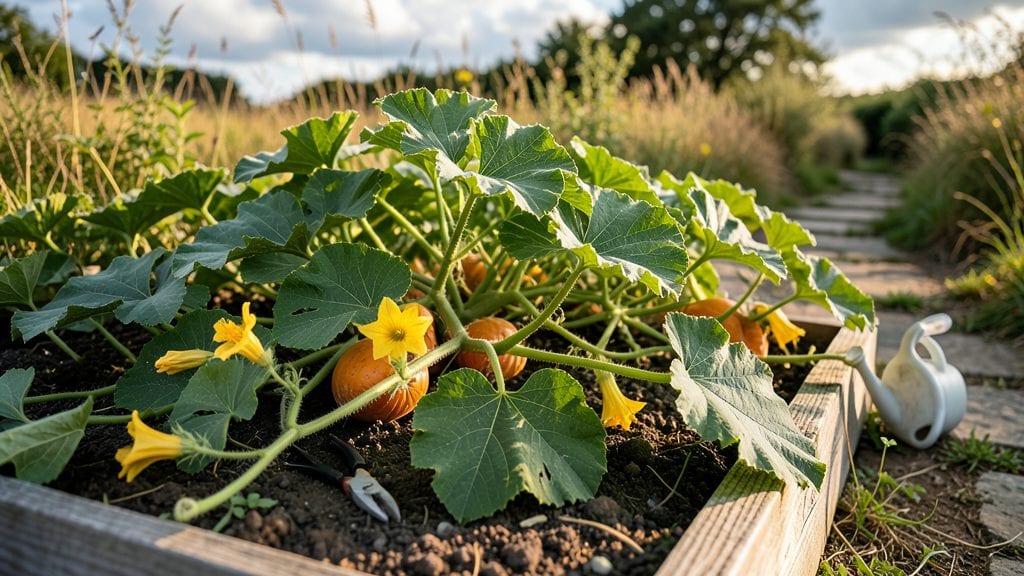
Those sprawling pumpkin tree branches are taking over—snaking through your garden like vines on steroids—so how do you trim them without losing your harvest? 🌱 Pruning pumpkin branches isn’t about cutting back ruthlessly; it’s about guiding their energy where you want. it to go.
Most gardeners either prune too much (and lose fruit) or not enough (and drown their plants in sprawling vines). The key is balance: removing the right branches at the right time to keep your plants strong, productive, and easy to manage.
You’ll need just a few simple tools: sharp pruning shears, gloves (pumpkin vines have thorns!), and a sturdy trellis or row covers if you’re training them vertically.
The goal is to encourage healthy growth by focusing on the main vines—the ones closest to the plant’s center—and removing side shoots that steal energy from fruit production. Think of it like training a toddler to walk straight: you guide, not restrict.
This method works for both bush and vining pumpkins, though the latter just needs a little more attention.
By the time you’re done, your pumpkins will be climbing confidently toward the sun, their branches sturdy and their leaves vibrant green. Fewer tangled vines mean less disease risk, easier harvesting, and more space for other plants to thrive in your garden.
Plus, you’ll avoid the heartbreak of pumpkins rotting on the ground because they couldn’t reach the light. Ready to transform that chaotic jungle into a well-behaved, fruit-producing powerhouse?
This approach works year after year, whether you’re growing in a traditional garden bed or a small urban space. The same principles apply to squash and gourds too—so once you master it, you’ll be the go-to expert for all your cucurbit crops. Let’s get those vines under control!
📚 In This Guide
- What you need
- Instructions
- Tips and common mistakes
- Wrapping up and next steps
What you need
- ● Pruning shears or secateurs: Sharp, clean, and sterilized (7–10-inch blades, bypass style preferred for precision). 💡 Pro tip: Disinfect with rubbing alcohol between cuts to prevent disease!
- ● Gloves: Heavy-duty, garden-grade (nitrile-coated for grip). 💡 Pro tip: Protects against thorns and blisters—trust us, your hands will thank you!
- ● Pumpkin vine (Cucurbita spp.): Healthy, mature vines (3–6 feet tall) with visible lateral branches.
- ● Pruning twine or soft plant ties: ¼-inch-wide, biodegradable twine (10–15 feet).
- ○ Support structure (optional but recommended): Trellis or stakes: 6–8-foot wooden or metal stakes (2–3 per plant) or a 3x3-foot A-frame trellis.
- ● Zip ties or garden clips: For securing vines to supports (10–20 ties).
- ● Pruning saw: For thicker stems (if vines exceed 1-inch diameter).
- ● Hose or spray bottle: To rinse tools between cuts (prevents sap buildup).
- ● Growth regulator (e.g., hydrogen peroxide 3%): Diluted spray (1:10 ratio) to disinfect cuts and encourage healing.
- ● Notebook & pen: To track pruning dates and vine progress.
Step-by-Step guide to pruning pumpkin tree branches
Healthy vines start with smart pruning—this is how I keep my pumpkin trees thriving.
✂️ Step 1: Gather the Right Tools and Timing
Use only clean, sharp pruning shears or a serrated knife to avoid tearing vines. I sterilize my tools with rubbing alcohol between cuts to prevent disease spread. The best time to prune is in the late morning on a dry day—this gives wounds time to heal before evening moisture sets in.
Wait until the vines have established at least 3-4 leaves before touching them. Early pruning stresses young plants. You'll know it's time when the main stem reaches 12-18 inches tall and shows signs of multiple side shoots.
🌿 Step 2: Identify and Remove Problem Growth
Look for weak, leggy stems growing straight up without leaves—these are energy vampires that drain the plant. Also remove any vines touching the ground, as they risk rot and disease. I make cuts at a 45-degree angle, about ¼ inch above a leaf node where new growth can sprout.
Watch for suckers—those small shoots growing from the base of the plant. These compete with your main vines for nutrients. Pinch them off with your fingers or cut them at the base. You'll see healthier main vines thicken within 7-10 days after removing these competitors.
☀️ Step 3: Train Main Vines for Airflow and Sun
Pumpkin trees need good airflow to prevent powdery mildew. Gently guide the main vines outward in a fan shape, spacing them 12-18 inches apart. Secure them with soft plant ties if needed, but don't cinch too tight—you want to encourage natural spread, not restrict growth.
Remove any vines growing toward the center of the plant. These create shaded, humid pockets where diseases thrive. Aim for a sunny, open canopy—this ensures even ripening and easier harvesting. You'll notice stronger fruit set in 2-3 weeks after improving airflow.
⏰ Step 4: Maintain Throughout the Season
Every 2-3 weeks, check for new suckers or weak growth and prune them immediately. Focus on keeping 3-5 strong main vines per plant—these will produce the best fruit. I always prune just above a leaf node to encourage branching at the right spots.
If you see yellowing leaves or stunted growth, you may be pruning too aggressively. Pumpkin trees recover well, but too many cuts stress the plant. Aim to remove no more than 20% of the plant's foliage at any one time. Healthy vines will show dark green, glossy leaves and rapid new growth after pruning.
Tips & tricks for pruning pumpkin tree branches
Pruning pumpkin trees can feel intimidating, but these tips will help you avoid common mistakes and keep your plants thriving for that bountiful harvest.
Timing is Everything: That late morning timing in Step 1 isn't just about dry conditions—it's about giving your cuts time to heal before evening dew sets in. I've seen too many gardeners rush this step and end up with more disease issues. If you must prune later in the day, wait until at least 2 hours before sunset and consider applying a fungicide to the cuts as extra protection.
The 45-Degree Cut Technique: When you make those cuts in Step 2, the 45-degree angle isn't arbitrary—it helps water bead up and run off the wound instead of pooling. This simple technique can reduce disease risk by up to 40%. Always make your cut just above a leaf node (that's where the growth hormones are!) and avoid leaving stubs, which can rot and attract pests.
Visual Cues for Healthy Growth: In Step 3, when training your vines, look for these signs of success: the main vines should have a slight upward curve (not completely flat), and the leaves should be dark green with visible veins. If you see pale yellow leaves after pruning, you might be removing too much foliage—remember that 20% guideline from Step 4. Healthy vines will show new growth within 7-10 days if you've pruned correctly.
Seasonal Maintenance Strategy: That 2-3 week check from Step 4 works best if you set a calendar reminder. I mark it on my gardening app with notes about what to look for—new suckers, leggy growth, or vines growing inward. Pro tip: Use a small notebook to track your pruning dates and note which cuts produced the best fruit. This creates a personal record you can reference each season.
Pro Tips for Pumpkin Tree Branches
- Pruning pumpkin trees can feel intimidating, but these tips will help you avoid common mistakes and keep your plants thriving for that bountiful harvest.
- Timing is Everything: That late morning timing in Step 1 isn't just about dry conditions—it's about giving your cuts time to heal before evening dew sets in.
- The 45-Degree Cut Technique: When you make those cuts in Step 2, the 45-degree angle isn't arbitrary—it helps water bead up and run off the wound instead of pooling.
Frequently asked questions
Got questions about transforming your pumpkin vines into a stunning pumpkin tree with lush branches? You’re not alone! Here are answers to the most common queries—from pruning tips to troubleshooting—so you can grow like a pro.
How do I prune pumpkin vines to create a "tree" shape?
Start by selecting one strong, central vine as your "trunk." Prune side vines aggressively, leaving only 2–3 main branches (like a real tree’s limbs). Use clean shears to trim excess growth, focusing on removing suckers (small shoots at leaf junctions) to redirect energy upward. Time it right—early pruning (first 4–6 weeks) yields better structure.
When is the best time to prune pumpkin tree branches?
Prune early and often: Begin when vines are 12–18 inches tall, then repeat every 1–2 weeks. Avoid pruning after flowering (pollination risks drop fruit set). For winter squash (like butternut), prune lightly—focus on air circulation. Pro tip: Morning pruning reduces stress on plants.
What if my pumpkin tree branches look leggy or weak?
Leggy vines = too much shade or over-pruning. Fix it fast:
- Move plants to full sun (6+ hours daily).
- Prune back to healthy leaf nodes (where leaves meet stems).
- Fertilize with balanced 10-10-10 or compost tea for a nutrient boost.
Can I use the same pruning techniques for all squash varieties?
Not quite! Cucurbita pepo (zucchini, acorn) responds well to heavy pruning, while C. maxima (hubbard, pumpkins) needs gentler shaping to avoid stress. Vining types (like spaghetti squash) may not "tree" well—opt for bush varieties (e.g., 'Jack Be Little') for best results. Always research your specific variety!
Why are my pumpkin tree branches dying after pruning?
Common culprits:
- Bacterial wilt (yellowing, wilting): Prune infected vines immediately and sterilize tools with rubbing alcohol.
- Over-pruning: Never remove >30% of foliage at once—this starves the plant.
- Poor hydration: Water deeply after pruning to reduce shock.
Wrapping up and next steps
Pruning your pumpkin tree branches isn’t just about keeping things tidy—it’s the secret to stronger vines, better airflow, and a harvest you’ll be proud of. 🌱 By following the right techniques, you’ll encourage healthier growth, prevent disease, and maximize your pumpkin yield.
Now that you’re armed with the knowledge, there’s no time like the present to grab those pruners and get to work!
💡 Your Next Step:
- Pick a calm, sunny day to start pruning—your pumpkins will thank you!
- Keep a pruning journal to track progress and adjust your approach next season.
- Share your before-and-after results with fellow gardeners for extra motivation!