
Neem Oil
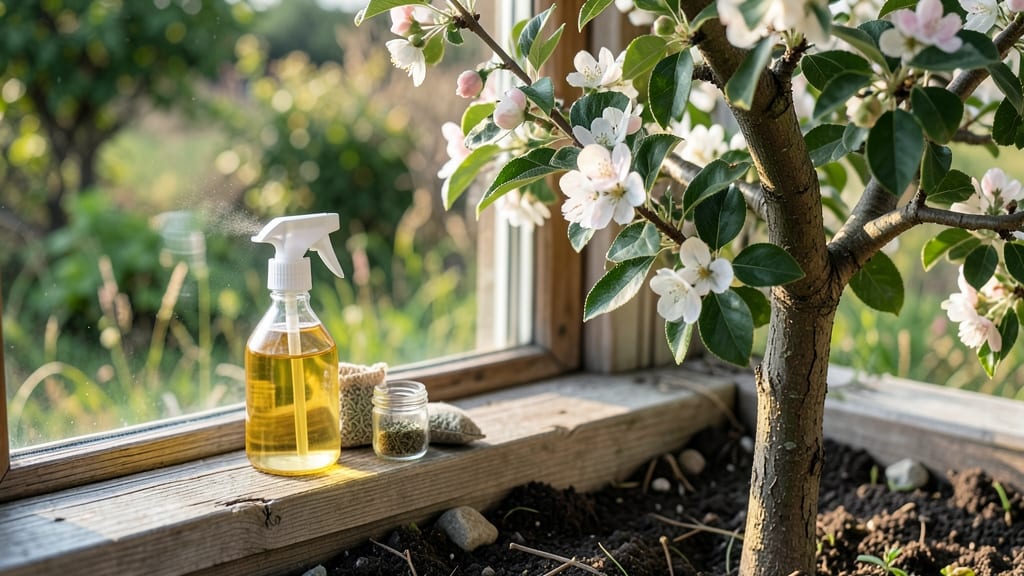
My fruit tree oil spray saved my apple harvest last summer when aphids turned leaves into sticky messes. 🌱 This neem-based defense works like a shield against pests and fungus, giving you organic control without harsh chemicals.
The key is timing—spraying when pests are vulnerable but before they ruin your fruit.
You’ll need neem oil, water, a few drops of dish soap, and a sprayer. Mix it up in a 1-gallon container and apply it when trees are dormant or pests first appear.
Avoid blooming season—bees need protection too. The spray sticks to pests, smothering them while keeping your fruit safe to eat.
What you’ll get is healthier trees with fewer pests and diseases. Leaves stay green, fruit develops without blemishes, and you avoid the frustration of losing harvests to insects or fungus. Just remember: cooler temps and even coverage are your best friends for effectiveness.
Works for apples, peaches, cherries, and more—just adjust timing based on your tree’s growth cycle. Ready to protect your harvest the natural way? Let’s get started.
📚 In This Guide
- What you need
- Instructions
- Tips and common mistakes
- Wrapping up and next steps
What you need
- ● Neem oil (100% cold-pressed, organic preferred) – 1 tablespoon per 1 quart of water (adjust for larger batches).
- ● Water – 1 quart (32 oz) per batch (use distilled or rainwater for best results).
- ● Dish soap (mild, biodegradable) – ½ teaspoon (helps emulsify the oil).
- ● Spray bottle – 16–32 oz with a fine mist nozzle (glass or BPA-free plastic recommended).
- ● Measuring spoons/cups – For precise mixing.
- ● Stirring stick or spoon – Wooden or silicone (avoid metal to prevent reactions).
- ● Garlic or cayenne pepper – 1 crushed clove or ¼ tsp (boosts antifungal properties).
- ● Horticultural oil or vegetable oil – 1 tsp (for extra stickiness to trap pests).
- ● Essential oils (e.g., peppermint, rosemary) – 5–10 drops (repels insects naturally).
- ● Gloves – To protect your hands from neem oil (it can be drying!).
- ● Label or marker – To tag your spray bottle with the date (neem oil degrades in sunlight).
Step-by-Step instructions for making fruit tree oil spray
Here's how I mix up a powerful, organic defense for your orchard—simple, effective, and ready in minutes.
🌱 Step 1: Gather and Mix the Base Ingredients
Start by combining 1 quart of water with 1 tablespoon of vegetable oil in a large container. The oil helps the spray stick to leaves and pests. I like to use a quart-sized spray bottle for convenience, but a bucket works too if you're treating multiple trees. Stir well until the oil is fully emulsified—this prevents separation later.
Next, add 1 teaspoon of liquid dish soap (unscented, like Castile). The soap acts as an emulsifier, ensuring the oil and water blend properly. Avoid scented soaps—they can irritate plants or attract pests. Mix everything thoroughly until the solution looks uniformly cloudy, not streaked.
🌿 Step 2: Add Neem Oil for Pest and Fungus Control
Measure out 1 tablespoon of cold-pressed neem oil—this is the star ingredient that disrupts pests' life cycles and prevents fungal spores from taking hold. Pour it into the mixture slowly while stirring continuously. Neem oil is potent, so accuracy matters: too little won’t work, but too much can harm beneficial insects if overused.
Stir the mixture for another 30 seconds to ensure the neem oil is fully incorporated. The solution should now have a faint, earthy scent. If you notice any separation after sitting for a few minutes, give it another quick stir before use. This spray is best used fresh, so prepare it just before applying.
💧 Step 3: Test on a Small Leaf Before Full Application
Before spraying your entire tree, test the mixture on a single leaf hidden among the branches. Wait 24 hours to check for any signs of leaf burn or discoloration. If the leaf looks unaffected, your tree is ready for treatment. This step is critical—neem oil can be harsh if the concentration is off or if your tree is particularly sensitive.
Shake the bottle gently before each use, as the ingredients may settle. On application day, spray the undersides of leaves first—this is where many pests hide. Cover the entire tree, including the trunk and branches, but avoid spraying in direct sunlight or during extreme heat, as this can cause the solution to evaporate too quickly and reduce effectiveness.
☀️ Step 4: Apply at the Right Time for Maximum Effect
Choose an overcast day or early morning to apply the spray, ideally when temperatures are between 50°F and 85°F. Avoid spraying when bees or other pollinators are active, as neem oil can harm them. If you must treat during bloom time, apply in the late afternoon when pollinators are less active.
Reapply every 7-10 days or after heavy rain, as the spray washes off over time. Store any leftover mixture in a cool, dark place for up to 1 week, but shake well before each use. For persistent infestations, alternate with other organic treatments like horticultural oil or insecticidal soap to prevent resistance.
Tips & tricks for perfect fruit tree oil spray
A few simple tricks that'll make your homemade fruit tree oil spray even more effective—and save you from common pitfalls.
Emulsification is Key: The 30-second stir after adding neem oil in Step 2 is crucial for proper emulsification. Use a whisk or small spatula to break up any oil droplets completely—this ensures even coverage when you spray. If you notice separation later, give it another quick stir before each use. Confession: I skipped this step for years and wondered why my spray wasn't working as well!
Temperature Matters: Those 50°F to 85°F guidelines in Step 4 aren't arbitrary—they're perfect for optimal spray effectiveness. Too cold, and the solution may not adhere properly; too hot, and it evaporates too quickly. I've found that early morning applications between 60°F and 75°F give the best results while minimizing stress on the plants.
Leaf Testing is Non-Negotiable: The 24-hour test period in Step 3 might seem like overkill, but it's your safety net. Some trees—especially citrus or young fruit trees—can be sensitive to neem oil. I've seen leaf burn develop after just a few hours on particularly tender varieties, so don't skip this critical step, even if it feels like waiting too long.
Storage Wisdom: While the spray lasts up to 1 week in the fridge, I recommend making only what you'll use within 3-4 days for maximum potency. Neem oil's effectiveness diminishes over time, and the solution may separate if stored too long. Keep it in a dark bottle to preserve the neem oil's properties—light exposure breaks down its active compounds.
Pro Tips for Fruit Tree Oil Spray
- A few simple tricks that'll make your homemade fruit tree oil spray even more effective—and save you from common pitfalls.
- Emulsification is Key: The 30-second stir after adding neem oil in Step 2 is crucial for proper emulsification.
- Temperature Matters: Those 50°F to 85°F guidelines in Step 4 aren't arbitrary—they're perfect for optimal spray effectiveness.
Frequently asked questions
Got questions about using fruit tree oil spray?
Here are answers to the most common ones to help you get the best results from your neem-based defense!
How often should I spray neem oil on fruit trees?
For preventive care, spray every 7–14 days during peak pest seasons (spring/summer). If treating an active infestation, apply every 5–7 days until pests disappear. Avoid spraying during bloom time—neem can harm pollinators. Always apply in the early morning or late evening for safety.
Can I use neem oil spray on all fruit trees?
Neem oil is safe for most fruit trees, including apples, peaches, citrus, and cherries, but avoid spraying on walnut, pecan, or grapefruit trees—neem can cause leaf damage or fruit discoloration. Always test a small leaf first for sensitivity. Organic-certified trees benefit most, but check labels for specific varieties.
What if my tree leaves turn yellow after spraying?
Yellowing leaves may signal overapplication or sensitivity. Dilute your mix to 1–2% neem oil (1–2 tbsp per gallon) and reduce frequency. Ensure you’re using cold-pressed, food-grade neem oil and avoid spraying on hot, sunny days. If yellowing persists, rinse leaves with water and monitor for improvement.
Does neem oil work in cold or humid weather?
Neem oil works best in warm (60–90°F) and dry conditions. In humidity, spray in the morning so leaves dry quickly (prevents fungal growth). In cold weather (<50°F), neem is less effective—wait until temps rise. For fungal issues like powdery mildew, combine neem with a baking soda spray (1 tsp baking soda + 1 tbsp oil + 1 quart water).
Are there natural alternatives to neem oil for fruit trees?
Yes! Try these DIY alternatives:
- Garlic spray: Blend 2 cloves garlic + 1 tsp cayenne + 1 quart water. Strain and spray (repels soft-bodied pests like aphids).
- Soap spray: Mix 1 tbsp mild liquid soap (like Castile) + 1 quart water (targets mites and scales).
- Diatomaceous earth (DE): Sprinkle food-grade DE around the tree base (dries out crawling pests like ants).
- Compost tea: Boosts tree immunity naturally (use a 1:10 compost-to-water ratio).
Rotate methods to prevent pest resistance!
Wrapping up and next steps
Protecting your fruit trees from pests and fungus doesn’t have to be complicated or expensive—neem oil spray is your natural, effective ally! 🌿 With just a few simple ingredients and a little effort, you can create a powerful, eco-friendly solution that keeps your trees thriving.
Whether you're a seasoned gardener or just starting out, this DIY method is a game-changer for organic care.
Ready to take action? Start small—test the spray on one tree first—and watch your garden flourish without harsh chemicals. Your fruit trees (and future harvests) will thank you! 🍎✨