Pruning
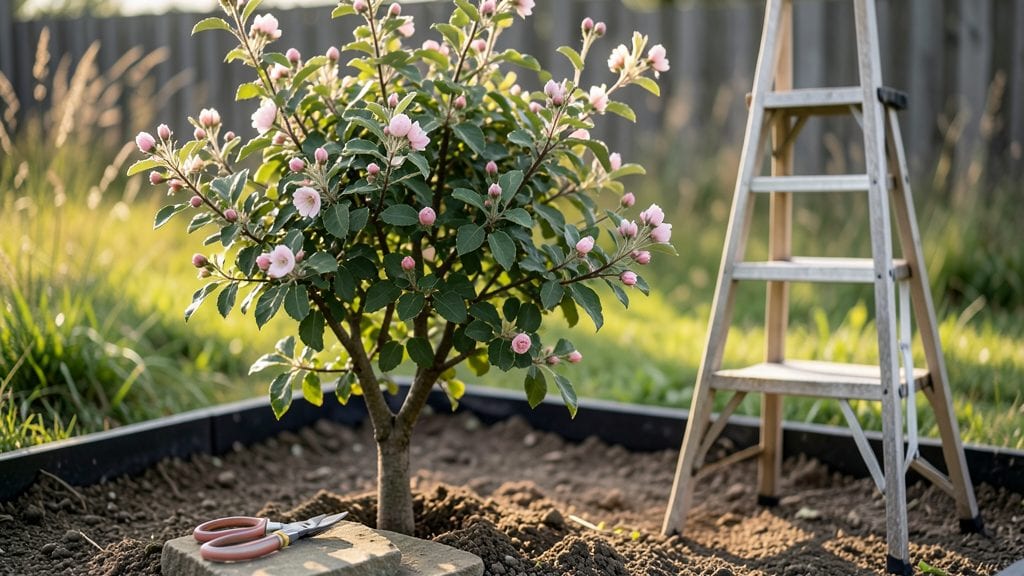
Learn how to prune fruit trees to keep them small—because my peach tree once towered over the garage, yielding only bitter, shade-shrunken fruit, and I refused to let that happen again. The secret lies in three strategic cuts: thinning, heading back, and structural shaping, all done at the right time.
You’ll need sharp pruners, rubbing alcohol (to sterilize cuts), and a clear day when the tree’s dormant—usually late winter or early spring. Start by removing dead or crossing branches first; these cuts open up the canopy so light reaches the center.
Then, head back overgrown limbs by cutting just above an outward-facing bud to encourage new growth in the right direction.
What you’ll end up with is a tree that stays manageable in small yards, produces larger fruit, and requires less ladder work. My peach tree now fits neatly in a corner, its branches heavy with ripe fruit instead of just leaves.
The key is patience—don’t rush the process, and always step back to check the shape after each cut.
This method works for apples, cherries, plums, and even citrus in containers. The same principles apply whether you’re pruning a backyard dwarf apple or a patio lemon tree. Let’s get those branches in shape!
📚 In This Guide
- What you need
- Instructions
- Tips and common mistakes
- Wrapping up and next steps
What you need
- ● Pruning shears (bypass or anvil type) – Sharp, clean, and sized for small-to-medium branches (6–8 inches).
- ● Lopping shears – For thicker branches (1–2 inches in diameter).
- ● Pruning saw – For larger branches (2+ inches) that shears can’t handle.
- ● Disinfectant (rubbing alcohol or bleach solution) – 1 part bleach to 9 parts water for sterilizing tools.
- ● Garden gloves – Thick, cut-resistant gloves to protect your hands.
- ● Rag or paper towels – For wiping tools between cuts.
- ○ Tree wound dressing (optional) – Pruning paste or sealant for larger cuts (controversial but useful for some trees).
- ● Extension pole saw – For high branches without a ladder.
- ● Ladder (stable, 6–10 ft) – If your tree is taller than you can safely reach.
- ● Marking spray or tape – To mark branches for removal before cutting.
- ● Sharpener (file or whetstone) – To keep blades razor-sharp between uses.
Instructions for pruning fruit trees to maintain compact growth
Here’s the straightforward method I use to keep fruit trees small while maximizing fruit production.
Identify and Remove Dead or Crossing Branches
Start by inspecting the tree for branches that are dead, diseased, or crossing each other. Dead branches are easy to spot—they’re brown, brittle, and snap when you bend them slightly. Crossing branches rub against each other, creating wounds that invite pests and disease. Use clean, sharp pruning shears to make a clean cut just outside the branch collar, the swollen area where the branch meets the trunk. This ensures the tree heals properly and reduces the risk of infection.
I always prune these first because they’re the lowest-hanging fruit—literally and figuratively. Removing them early opens up the canopy, allowing light and air to reach the center of the tree. This step alone improves fruit quality and makes future pruning easier. If you’re unsure whether a branch is dead, scratch the bark with your fingernail. Live wood is green underneath, while dead wood stays brown.
Thin Out Excessive Growth to Maintain Shape
Next, focus on thinning out branches that are growing inward or upward. These are the branches that crowd the center of the tree or grow straight up toward the sky, creating a narrow, unstable shape. Aim to remove branches that are growing at a narrow angle—less than 45 degrees—to the trunk or main branches. Cut these back to a lateral branch or bud that’s facing outward. This opens up the tree’s center, allowing sunlight to penetrate and fruit to develop evenly.
I like to step back every few cuts to visualize the tree’s shape. The goal is to create an open, vase-like structure with a strong central leader (the main upward-growing branch). If your tree doesn’t have a dominant central leader, choose the strongest upward-growing branch and encourage it by pruning competing leaders. Avoid cutting more than 25% of the tree’s foliage in one season—this can stress the tree and reduce fruit production.
Head Back Overly Long Branches to Control Size
For branches that are too long, use the heading cut technique to shorten them while encouraging bushier growth. Make your cut just above a lateral branch or outward-facing bud, leaving a small stub. The length of the cut depends on the branch’s size, but I typically aim to reduce it by one-third of its length. This stimulates the growth of smaller, more manageable branches and helps keep the tree compact. Avoid cutting back to a stub or leaving a large wound—this can invite decay and weaken the tree.
Here’s where timing matters: I do this step in late winter or early spring, just before the tree breaks dormancy. The tree is still dormant, so it’s less stressful, and you can see the branch structure clearly. If you prune too late in the season, new growth will be encouraged, which can delay dormancy and leave the tree vulnerable to cold damage. Always sterilize your pruning tools between cuts with rubbing alcohol to prevent spreading disease.
Refine the Canopy for Balance and Airflow
Finally, refine the outer edges of the tree by trimming branches that are growing too close together or extending outward at sharp angles. These branches can create a dense, unmanageable canopy and make harvesting difficult. Cut back branches that are growing at less than 30 degrees to the trunk or main branches, as these are more likely to break under the weight of fruit. Aim to create a balanced, rounded shape with branches spaced evenly around the tree.
Pay attention to the tree’s natural growth habit—some varieties, like dwarf fruit trees, respond better to a more horizontal pruning style, while others, like standard-sized trees, benefit from a slightly more vertical structure. After pruning, take a step back and imagine how sunlight and rain will move through the tree. The goal is to create a shape that’s not only small but also functional and healthy. Water the tree deeply after pruning to help it recover and reduce stress.
Tips & tricks for pruning fruit trees to maintain compact growth
A few strategic tricks will help you prune like a pro while keeping your fruit trees healthy and manageable.
The Timing Secret: Late winter or early spring is the absolute best time to prune, right before buds begin to swell. This timing ensures the tree is still dormant, making it easier to see the branch structure and less stressful on the tree. If you prune too late, you risk encouraging new growth that won't have time to harden off before winter, leaving it vulnerable to cold damage. I always aim to finish pruning at least 2-3 weeks before the last frost in my area.
Tool Preparation Matters: Sterilizing your pruning tools between cuts is non-negotiable. I use rubbing alcohol on a clean cloth to wipe down shears after each cut—this prevents spreading disease from one branch to another. Also, make sure your tools are sharp! Dull blades crush rather than cut cleanly, which creates larger wounds that heal more slowly. A good pair of bypass pruners costs around $20 and will last for years if properly maintained.
Visualizing the Shape: Step back every few cuts to visualize the tree's overall shape. The goal is an open, vase-like structure with branches spaced evenly around the tree. In Step 2, when you're thinning branches, imagine light and air moving through the center. You want sunlight to reach all parts of the canopy, not just the outer edges. For dwarf varieties, aim for a more horizontal spread, while standard trees can handle a slightly more vertical structure. This step makes all the difference in fruit quality and tree health.
Pruning Mistakes to Avoid: Never remove more than 25% of the tree's foliage in a single season—this can stress the tree and reduce fruit production. Also, avoid cutting back to a stub or leaving large wounds, as these invite decay. In Step 3, when heading back branches, always cut just above a lateral branch or outward-facing bud. This encourages bushier growth and maintains the tree's natural shape. I've made this mistake before, and it took years for the tree to recover!
Pro Tips for Prune Fruit Trees To Keep Them Small
- A few strategic tricks will help you prune like a pro while keeping your fruit trees healthy and manageable.
- The Timing Secret: Late winter or early spring is the absolute best time to prune, right before buds begin to swell.
- Tool Preparation Matters: Sterilizing your pruning tools between cuts is non-negotiable.
Frequently asked questions
about pruning fruit trees to keep them small—because even the pros need a little clarity! Here are answers to the most common questions to help you prune like a pro.When is the best time to prune fruit trees for compact growth?
The ideal time depends on your climate and tree type. For most fruit trees, late winter or early spring (just before buds swell) is best—this encourages strong new growth. In warmer regions, light pruning can be done in late fall. Avoid heavy pruning in late summer, as it may stimulate tender growth vulnerable to frost.
Can I prune a fruit tree too much? What are the signs?
Yes! Over-pruning can stress the tree, leading to weak growth, fewer fruits, or even tree decline. Signs include sparse foliage, excessive water sprouts (fast-growing, vertical shoots), or a lack of fruit production. Aim to remove no more than 25% of the tree’s canopy in a single session, and prioritize structural cuts over aggressive thinning.
Will pruning small affect the size or quality of my fruit?
Not if done correctly! Pruning to maintain a compact shape actually improves fruit quality by increasing airflow and sunlight penetration, reducing disease risk, and encouraging larger, sweeter fruits. Smaller trees also make harvesting easier. Just avoid cutting back too aggressively on bearing branches—balance size control with fruit production goals.
Are there fruit tree varieties that stay small naturally?
Dwarf or semi-dwarf varieties (like ‘Patio’ peaches, ‘Columnar’ apples, or ‘Bush’ cherries) are bred for compact growth and thrive in small spaces. Even standard varieties can be kept small with consistent pruning. Just be sure to check the rootstock—dwarf trees often require more frequent pruning to maintain their shape.
What should I do if my tree looks unhealthy after pruning?
If your tree shows signs of stress (wilting, discolored leaves, or dieback), it may need time to recover. Ensure it’s well-watered and fertilized, and avoid pruning again until new growth appears. If large branches die, prune them out completely to prevent disease. For severe issues, consult a local arborist—they can diagnose problems like fungal infections or pest damage.
Wrapping up and next steps
Pruning your fruit trees doesn’t have to be intimidating—with just three strategic cuts, you can keep them compact, healthy, and productive! 🌱 The key is timing, technique, and consistency, whether you’re shaping young saplings or maintaining mature branches.
Remember, every snip is an investment in long-term fruitfulness and easier harvests.
Now that you’re armed with the know-how, grab your pruners and start small. Pick one tree this season, follow the steps, and watch your garden transform! For extra confidence, join a local gardening group or revisit our FAQs—your perfect pruning journey begins today!