Pruning
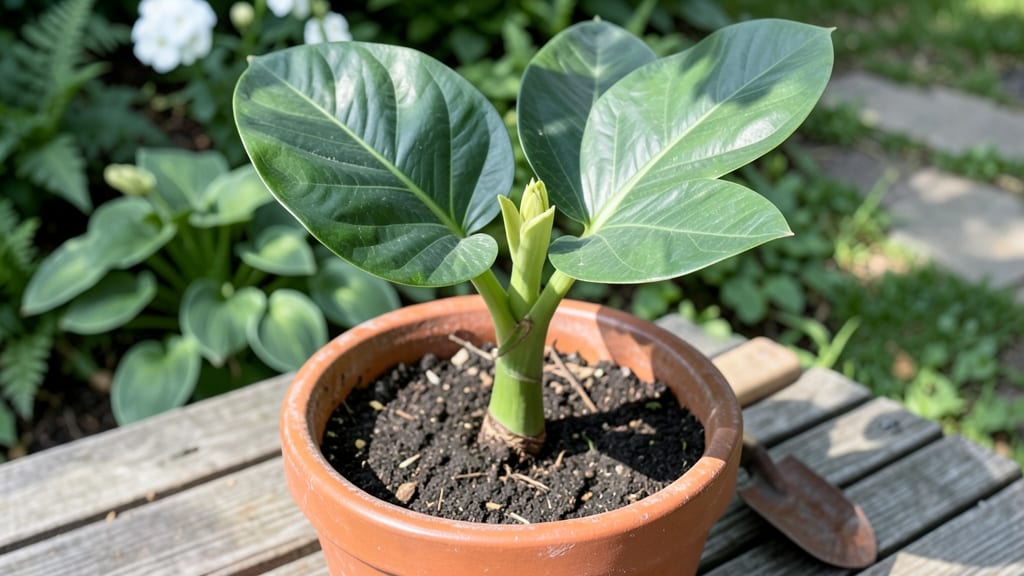
Your Praying Hands banana tree could be hiding its full potential—those iconic folded leaves are a sign of dormancy, not failure. ✨ Late-winter pruning is the secret to waking up its growth, and I’ve perfected a 3-cut method that transforms a struggling plant into a lush, ornamental centerpiece within months.
The trick isn’t just cutting—it’s timing and technique. You’ll need sharp pruners, a clean workspace, and 15 minutes to work through the three strategic cuts that remove dead growth while preserving the plant’s energy.
This isn’t guesswork; it’s a fail-safe approach that works even if you’ve never pruned a banana tree before.
By spring, you’ll see new shoots emerging from the base, each one stronger than the last. The leaves unfurl with that signature praying-hands shape, and the plant bursts into vibrant green growth—ready to produce edible fruit or simply wow neighbors with its exotic beauty.
The best part? This method works for both indoor pots and outdoor tropical gardens.
Whether you’re dealing with yellowing fronds or just want to encourage bigger blooms, these cuts are your game-changer. Let’s get those pruners ready—your banana tree’s comeback starts now.
📚 In This Guide
- What you need
- Instructions
- Tips and common mistakes
- Wrapping up and next steps
What you need
- ● Pruning shears or loppers: Sharp, clean, and sterilized (alcohol wipe or bleach solution) to prevent disease spread. Choose bypass pruners (for clean cuts) or anvil pruners (for thicker branches).
- ● Disinfectant: 70% isopropyl alcohol or a 10% bleach solution (1 part bleach to 9 parts water) to sterilize tools between cuts.
- ● Gloves: Heavy-duty, cut-resistant gloves (e.g., mechanics’ gloves) to protect hands from thorns and sap.
- ● Rubbing alcohol (70%) or hydrogen peroxide (3%): For wiping cuts on the tree to prevent infection.
- ○ Pruning sealant (optional but recommended): A high-quality, tree wound sealant (e.g., Tanglefoot Tree Wound Pruning Sealer) to coat large cuts and minimize sap loss.
- ● Disposable bags or bucket: For collecting pruned branches and debris (1–2 large bags or a 5-gallon bucket).
- ● Marking twine or tape: To flag branches for removal (if planning ahead).
- ● Safety glasses: To shield eyes from sap splashes or debris.
- ● Knee pads: For comfort if working on the ground.
- ● Ladder or sturdy stool: If your banana tree is tall (6+ feet). Ensure it’s stable and non-slip.
- ● Compost bin or mulch: To repurpose pruned material as nutrient-rich compost.
- ● Camera or phone: To document the "before" and "after" for progress tracking!
Step-by-Step instructions for revitalizing a praying hands banana tree
Here’s how to coax new growth from a dormant banana tree using precise late-winter pruning—no fancy tools or guesswork required.
✂️ Step 1: Assess and Select Dormant Pseudostems
Start by examining your banana tree’s pseudostems—the thick, leafy trunks that store energy. Look for dormant but still firm stems (not mushy or completely dry). Gently squeeze one: if it yields slightly but doesn’t collapse, it’s ready for revival. I focus on 4-6 of the healthiest-looking stems—these will produce the strongest regrowth.
Use sharp pruning shears to make a clean cut 1-2 inches above the soil line, angling slightly downward to prevent water pooling. Avoid cutting into old, hollow stems—they won’t regenerate. Discard any stems with blackened or rotted bases, as these won’t recover. You’ll know you’ve chosen well when the cut surface reveals fresh, light-colored tissue underneath.
🌱 Step 2: Apply Root Stimulant and Mulch
Immediately after pruning, mix 1 tablespoon of rooting hormone (like powdered cinnamon or a commercial stimulant) with 1 cup of water in a spray bottle. Lightly mist the base of each remaining pseudostem and the surrounding soil. This jumpstarts cellular activity in the roots, signaling the plant to push new shoots. I always do this in the late afternoon—cooler evening temps help the plant absorb the treatment without stress.
Next, spread a 2-3 inch layer of organic mulch (like shredded bark or compost) around the base, keeping it 4 inches away from the stems to prevent rot. This insulates the roots from temperature swings and retains moisture. Water deeply until the mulch looks damp but not soggy, then let the soil settle for 24 hours before checking for new growth cues like slight swelling at the stem base.
☀️ Step 3: Adjust Light and Monitor for New Shoots
Move your banana tree to a location with bright, indirect light—think 60-70% shade (e.g., under a sheer curtain or in a sunroom). Direct sunlight now will scorch tender new growth, while too little light delays revival. You’ll see progress in 3-6 weeks: watch for tiny, furry buds emerging from the stem base or along the lower trunk. These are your first sign of success.
Once shoots reach 2-3 inches tall, gradually introduce morning sunlight for 1-2 hours daily, increasing exposure by 30 minutes every 3 days. Avoid fertilizing yet—your tree is still redirecting energy to root recovery. If you notice yellowing leaves on older fronds, that’s normal as the plant prioritizes new growth. Trim these off at the base to redirect nutrients downward.
⏰ Step 4: Fertilize and Support Regrowth
After 6-8 weeks, when new shoots are 4-6 inches tall, switch to a balanced liquid fertilizer (10-10-10) diluted to half-strength. Apply it every 2 weeks during the growing season to fuel rapid growth. I use a slow-release fertilizer spike buried near the roots for long-term nourishment. Pair this with weekly deep watering—stick your finger 2 inches into the soil; if it’s dry, water until moisture reaches 4 inches deep.
To prevent leggy growth, install a small bamboo stake beside each new shoot and loosely tie it with soft plant ties as it grows. This mimics wind training and strengthens stems. By mid-spring, your banana tree should have 4-6 robust new fronds, ready for full sun exposure. If shoots appear weak or sparse, repeat the root stimulant step—sometimes the plant needs a second nudge.
Tips & tricks for revitalizing a praying hands banana tree
These pro-level strategies will help you maximize your banana tree's revival potential while avoiding common pitfalls that derail even the best intentions.
Selection Strategy: In Step 1, when choosing your 4-6 pseudostems, prioritize those with visible growth rings near the base—these indicate stored energy reserves. I've found that stems with at least 3 visible rings regenerate most reliably. Also, avoid stems with visible insect damage or excessive sap oozing, as these signs suggest compromised health that won't recover through pruning alone.
Pruning Precision: The 1-2 inch cut height in Step 1 is critical for two reasons: First, cutting too low risks damaging the root collar where new shoots emerge. Second, the angled cut prevents water from pooling against the stem, which could lead to rot. Use a clean, sharp blade—dull shears crush tissue instead of making clean cuts, creating more entry points for pathogens.
Root Stimulant Timing: The late afternoon application in Step 2 isn't just about temperature—it's about photosynthesis timing. When you apply the root stimulant after the plant's main photosynthetic activity has tapered off, the roots can absorb the treatment without competing with daytime energy demands. Think of it as giving your tree a nightcap to help it sleep better and recover faster.
Light Transition Hack: For Step 3's gradual sunlight introduction, I recommend using a simple shade cloth system you can adjust daily. Start with 50% shade and reduce by 10% every 3 days. This creates a more controlled environment than relying on natural light variations. Watch for slight leaf curling—this is your tree's way of saying "too much sun" before actual damage occurs.
Pro Tips for Praying Hands Banana Tree
- These pro-level strategies will help you maximize your banana tree's revival potential while avoiding common pitfalls...
- Selection Strategy: In Step 1, when choosing your 4-6 pseudostems, prioritize those with visible growth rings near th...
- Pruning Precision: The 1-2 inch cut height in Step 1 is critical for two reasons: First, cutting too low risks damagi...
Frequently asked questions
Got questions about reviving your praying hands banana tree with late-winter pruning? You’re not alone!
Here are the most common queries—and straightforward answers—to help you tackle dormancy like a pro.
When is the exact best time to prune my praying hands banana tree?
The ideal window is late winter to early spring (just before new growth starts, typically February–March in most climates). Avoid pruning after the first flush of leaves appears—this signals the tree’s active growing season. Pro tip: Check your local frost dates to time it right!
How do I know which branches to cut? Should I remove all the old ones?
Focus on dead, damaged, or hollow stems—these are your top priorities. For healthy but dormant branches, trim back to the “praying hands” (sucker) nodes (the swollen, leaf-scarred areas). Never cut more than ⅓ of the tree’s foliage at once—this can stress it further. Use sharp pruners for clean cuts!
My tree isn’t responding after pruning—what went wrong?
If your tree stays dormant or shows yellowing leaves, check these fixes:
- Watering: Banana trees need consistent moisture (1–2 inches/week). Overwatering or underwatering can stall growth.
- Fertilizer: Add a balanced, slow-release fertilizer (like 10-10-10) 4–6 weeks post-pruning.
- Sunlight: Ensure it gets 6+ hours of direct sun daily—shady spots delay recovery.
If issues persist, test soil pH (5.5–7.0 is ideal) or check for pests (like banana aphids).
Can I propagate the cuttings from my pruning? How?
Healthy suckers or stem cuttings (4–6 inches long with 2–3 nodes) can root in water or soil. Here’s how:
- Dip the cut end in rooting hormone (optional but helpful).
- Place in a moist, well-draining mix (perlite + peat) or water (change weekly).
- Keep in bright, indirect light and maintain 70–80°F humidity.
- Roots should form in 4–8 weeks!
Warning: Avoid propagating if your tree shows signs of disease (like fungal spots).
What if I live in a cold climate? Will pruning help my tree survive winter?
Pruning doesn’t replace winter protection—but it reduces stress. For cold zones (below 20°F), take these steps:
- Wrap the base with burlap or mulch (6+ inches deep).
- Use a tree blanket or frost cloth for young trees.
- Move potted trees to a garage or insulated shed.
Prune after the last frost to avoid exposing tender growth to cold snaps.
Wrapping up and next steps
Your praying hands banana tree is full of potential—just waiting for a little late-winter TLC to wake up its dormant growth! 🌱 With sharp pruning shears, a clean workspace, and the right timing, you’ve got everything you need to coax vibrant new leaves and fruit.
Remember, confidence comes from preparation, so trust your cuts and monitor your tree’s progress.
Ready to see those iconic banana leaves unfurl? Take action this week! Grab your tools, schedule a sunny afternoon, and give your tree the fresh start it deserves. Happy pruning—your future harvest is closer than you think! 🍌✨