
Container Gardens
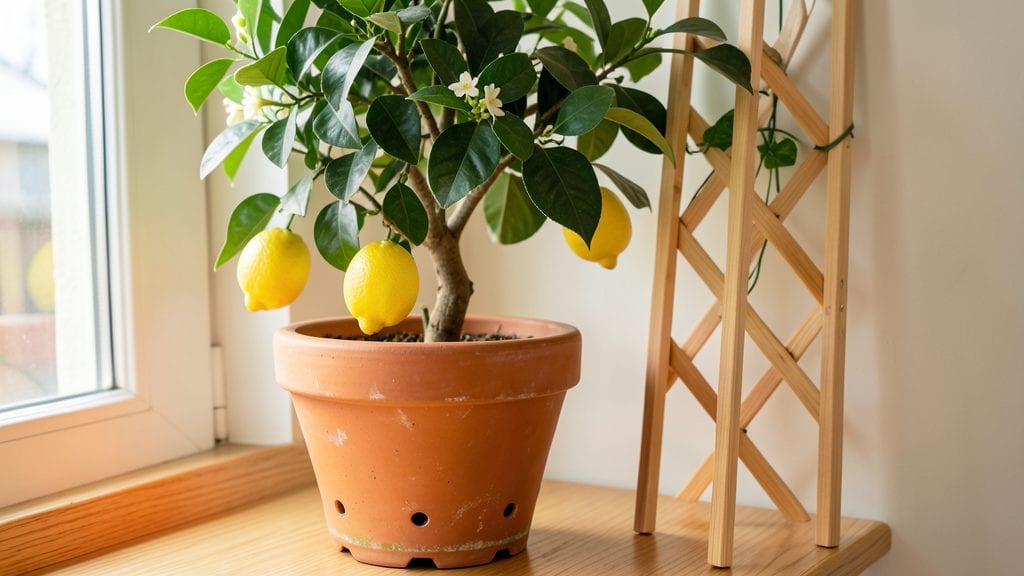
Growing a potted fruit tree isn’t just possible—it’s the secret to fresh peaches, apples, or cherries even on a tiny balcony. 🌱 I’ve watched dwarf varieties thrive in 15-gallon pots, producing fruit for years with the right care.
The key lies in choosing compact rootstocks, well-draining soil, and a sun-drenched spot that mimics their natural growing conditions.
You’ll need dwarf rootstocks like ‘Columnar’ apple or ‘Patio’ peach, a pot with drainage holes (at least 18 inches deep), and a high-quality potting mix blended with compost. Watering demands shift with seasons—deep soaks every 3-5 days in summer, but letting the top inch dry between waterings in winter.
Fertilize monthly during growing months with a balanced organic formula, and prune to maintain shape and airflow.
By year two, you’ll harvest sweet, sun-ripened fruit straight from your container. The trees stay manageable, the harvests are predictable, and you sidestep the space constraints that make backyard orchards impossible. Even urban balconies become productive fruit stands with this approach.
This method works for citrus in warm climates or stone fruits in containers with winter protection. The same principles apply whether you’re growing in clay pots or fabric grow bags—just adjust for your microclimate. Let’s get those trees fruiting!
📚 In This Guide
- What you need
- Instructions
- Tips and common mistakes
- Wrapping up and next steps
What you need
- ● Potted fruit tree: Choose a dwarf variety (e.g., columnar apple, Meyer lemon, or patio pear) suited for containers. Size: 1–3 gallons (for citrus) or 5+ gallons (for apples/pears).
- ● Container: A pot with drainage holes (12–18" diameter for most fruit trees). Material: Terracotta (breathable) or plastic (retains moisture).
- ● High-quality potting mix: 10–15 lbs of a well-draining blend (e.g., 60% potting soil, 30% perlite, 10% compost). Avoid garden soil!
- ● Slow-release fertilizer: 1–2 lbs of organic granular fertilizer (e.g., 10-10-10 or citrus-specific blend).
- ● Mulch: 1–2 inches of wood chips or straw to retain moisture and regulate temperature.
- ● Trowel or small shovel for planting.
- ● Gloves (to protect your hands from thorns or rough bark).
- ● Watering can with a rose attachment (for gentle, deep watering).
- ○ pH testing kit (optional but useful—fruit trees prefer 6.0–7.0 pH).
- ● Pruning shears (for shaping and maintaining your tree).
- ● Support stake or trellis (if your tree needs extra stability, especially for heavy fruit like apples).
- ● Sunlight: A spot with 6–8+ hours of direct sun daily (south or west-facing is ideal).
- ● Climate awareness: Choose a fruit tree hardy to your USDA zone (e.g., citrus thrives in Zones 9–11; apples in Zones 3–8).
- ● Patience: Dwarf fruit trees take 2–5 years to bear fruit, but the wait is worth it! 🍎🍊
Step-by-step guide to growing a thriving potted fruit tree
Here's how I've mastered growing dwarf fruit trees in containers—no yard required.
🪴 Step 1: Choose the Right Container and Drainage
Select a pot at least 18-24 inches in diameter with drainage holes—fruit trees despise soggy roots. I use unglazed ceramic containers because they breathe better than plastic, preventing root rot. Place 2-3 inches of gravel or broken pottery at the bottom to improve drainage and prevent soil compaction.
For 4 dwarf fruit trees, you'll need 4 containers (one per tree). The wider the pot, the better the root spread, which directly impacts fruit production. If your pot lacks drainage, drill holes yourself—4-6 evenly spaced holes along the bottom works perfectly. This ensures excess water escapes, keeping roots healthy.
🌱 Step 2: Prepare the Soil and Plant Your Dwarf Tree
Fill the container with a well-draining potting mix—avoid garden soil, which compacts and suffocates roots. I blend 50% premium potting mix, 30% perlite, and 20% compost for ideal aeration and nutrition. Moisten the mix until it feels like a damp sponge, then add a slow-release fertilizer (10-10-10) at the rate of 1 tablespoon per gallon of soil.
Remove the tree from its nursery pot and loosen the roots gently if they're circling. Position the tree so the graft union (the bulge near the base) sits 1-2 inches above the soil line—this prevents rot and ensures strong regrowth. Backfill with soil, pressing lightly to eliminate air pockets, then water deeply until it drains from the bottom holes.
☀️ Step 3: Position for Sunlight and Water Consistently
Fruit trees need 6-8 hours of direct sunlight daily—place your pots in the sunniest spot on your patio, balcony, or deck. South- or west-facing exposures work best in the Northern Hemisphere. If you're short on sunlight, supplement with a bright LED grow light for 12-14 hours daily, keeping it 6-12 inches above the tree.
Water when the top 2 inches of soil feel dry—stick your finger in to check. Overwatering is the #1 killer of potted fruit trees, so never let the pot sit in standing water. In summer, you may need to water every 2-3 days; in winter, reduce to once a week. Mulch the soil surface with 1 inch of bark chips to retain moisture and regulate temperature.
✂️ Step 4: Prune and Fertilize for Maximum Fruit Production
Prune in late winter or early spring before new growth begins. Remove dead, crossing, or inward-growing branches first, then thin the canopy to improve airflow. For dwarf trees, aim to keep the shape open and rounded—this ensures sunlight reaches all fruit. Use clean, sharp pruners and make cuts just above a bud or branch collar to promote healing.
Fertilize every 4-6 weeks during the growing season (spring through summer) with a balanced fruit-tree fertilizer (8-3-9 or similar). In fall, switch to a low-nitrogen, high-potassium fertilizer (5-10-10) to encourage root development and prepare for dormancy. Avoid fertilizing in winter—trees need rest to set next year’s fruit.
🍎 Step 5: Protect and Harvest for Long-Term Success
Watch for pests like aphids or spider mites—they thrive on stressed potted trees. Spray with neem oil at the first sign of trouble, repeating every 7-10 days until pests disappear. In late fall, move pots to a protected location (like a garage or covered porch) if temperatures drop below 20°F. Most dwarf fruit trees tolerate down to 10°F, but extra insulation extends their lifespan.
Harvest fruit when it reaches full color and slight softness—this varies by variety (e.g., apples in late summer/fall, citrus year-round in warm climates). Twist gently to avoid damaging branches, or use clean pruners to snip stems. After harvest, prune lightly to remove any dead or diseased wood, then reduce watering to prepare the tree for dormancy.
Tips & tricks for growing thriving potted fruit trees
Growing fruit trees in containers takes patience and attention to detail—but these pro tips will help you avoid common pitfalls and maximize your harvest.
Container Size Matters: While the instructions specify 18-24 inch pots for your 4 dwarf trees, I've found that wider is always better when space allows. If you can stretch to 24-inch diameter containers, your trees will have room to develop stronger root systems, which directly translates to bigger fruit production. For citrus varieties, even 26-inch pots work beautifully if you're growing just one tree. The extra space prevents root binding that can stunt growth over time.
Soil Mix Secrets: When blending your 50% premium potting mix, 30% perlite, and 20% compost, don't skimp on the perlite—this is what prevents compaction. I add an extra 5-10% coconut coir to my mix for better moisture retention during dry spells. For newly planted trees, I also incorporate 1 cup of worm castings per gallon of soil for an immediate nutrient boost that helps them establish faster.
Sunlight Strategy: The 6-8 hours of direct sunlight requirement can be tricky in smaller spaces. If your balcony only gets morning sun, consider rotating your pots every few days to give all sides equal exposure. For indoor growing, supplement with a full-spectrum LED grow light positioned 6-12 inches above the tree—just remember to give the leaves a break from light for 8 hours each night to mimic natural cycles.
Watering Wisdom: Checking the top 2 inches of soil is smart, but I've learned to also monitor the weight of the pot. A dry pot feels noticeably lighter—this helps prevent both underwatering and overwatering. For trees in 18-inch pots, I've found that watering every 3-4 days in summer (rather than every 2-3) often works better, as the soil stays moister longer in properly sized containers. Always empty saucers after watering to prevent root rot.
Pro Tips for Potted Fruit Tree
- Growing fruit trees in containers takes patience and attention to detail—but these pro tips will help you avoid common pitfalls and maximize your harvest.
- Container Size Matters: While the instructions specify 18-24 inch pots for your 4 dwarf trees, I've found that wider is always better when space allows.
- Soil Mix Secrets: When blending your 50% premium potting mix, 30% perlite, and 20% compost, don't skimp on the perlite—this is what prevents compaction.
Frequently asked questions
Got questions about growing a potted fruit tree?
You’re not alone! Here are answers to the most common queries—from first-timers to seasoned gardeners—to help you crush your container harvest.
What’s the best fruit tree for beginners in a pot?
Start with dwarf varieties like columnar apple trees, patio citrus (like Meyer lemon or calamondin), or dwarf peach trees. These thrive in containers, require less pruning, and produce fruit faster than standard-sized trees. Bonus: They’re easier to move indoors if frost threatens!
How long does it take for a potted fruit tree to bear fruit?
Patience is key! Most dwarf fruit trees take 2–5 years to bear fruit, depending on the variety and care. Citrus trees (like Meyer lemons) often fruit in 1–2 years with proper sunlight and fertilizer. Apples and peaches may take longer—sometimes up to 5 years—but consistent care speeds things up.
How often should I water a potted fruit tree?
Check soil moisture daily in summer and every 2–3 days in winter. Containers dry out faster than ground soil! Water until it drains from the bottom, then empty the saucer to prevent root rot. Pro tip: Mulch the topsoil to retain moisture and reduce evaporation.
Can I grow a fruit tree indoors year-round?
Yes, but with caveats! Citrus trees (like Meyer lemons) adapt best to indoor life with 6+ hours of sunlight daily (a south-facing window or grow light works). Other fruit trees (apples, peaches) need outdoor seasons for pollination and dormancy. If indoors, rotate the pot weekly for even growth and supplement with a balanced fertilizer every 2 months.
Why isn’t my potted fruit tree fruiting?
Common culprits include:
- Insufficient sunlight (most fruit trees need 6–8 hours/day).
- Lack of pollination—hand-pollinate with a small brush if growing indoors or plant two compatible trees nearby.
- Nutrient deficiencies—use a fruit-tree-specific fertilizer (high in nitrogen early, phosphorus/potassium later).
- Stress from over/under-watering or temperature swings.
Give it time, adjust care, and don’t forget: Young trees prioritize growth over fruit!
What’s the best soil mix for a potted fruit tree?
Use a well-draining blend like:
- 60% high-quality potting mix
- 30% perlite or coarse sand (for aeration)
- 10% compost or worm castings (for nutrients)
Avoid garden soil—it compacts and suffocates roots. Repot every 2–3 years to refresh the mix and accommodate growth.
Wrapping up and next steps
Growing a potted fruit tree is a rewarding way to enjoy fresh, homegrown fruit—no matter how limited your space!
With the right variety, container, and care, you can turn even a tiny balcony or windowsill into a thriving orchard. 🌱 Whether you’re a beginner or a seasoned gardener, the key is patience and consistency.
Ready to take the next step? Start by choosing your fruit tree (like dwarf citrus or figs) and gather your supplies. Then, plant with confidence—your future harvest is just a season away! Review the materials list or browse common questions to get started today.