
Pruning
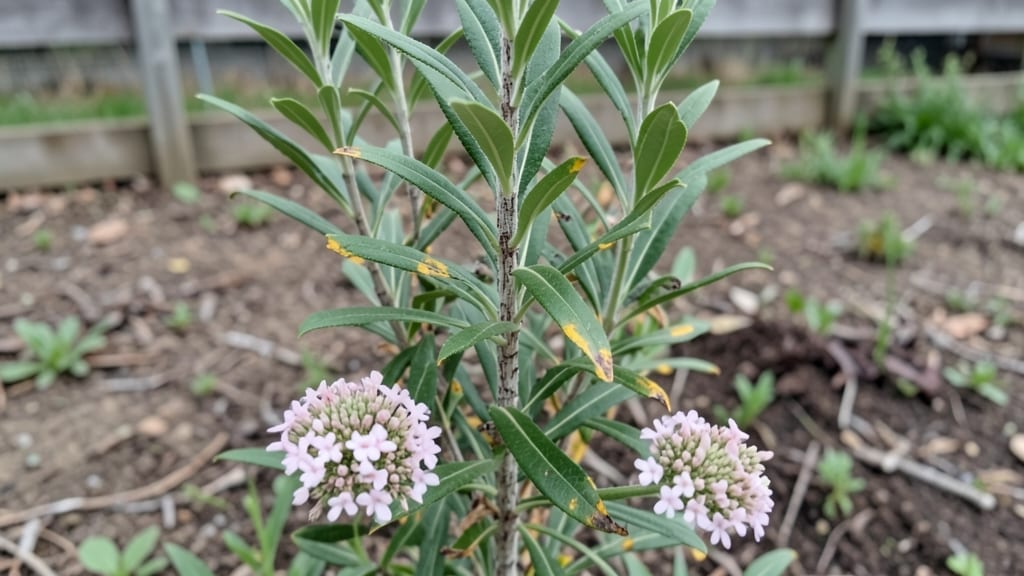
Pruning Oregon tea tree (Leptospermum scoparium) unlocks its true Pacific Northwest charm—frost-resistant branches that stay lush even after winter’s bite. 🌿 I’ve pruned mine for years, and the secret isn’t just timing, but understanding how this hardy shrub rewards patience with glossy foliage and fragrant white blooms that hummingbirds adore.
This evergreen thrives in USDA zones 7-9, making it perfect for Oregon’s cool, damp climate. It loves well-draining soil and morning sun with afternoon shade, though it tolerates partial shade once established.
Overwatering is the biggest rookie mistake—let the top inch of soil dry between waterings, and you’ll avoid root rot while keeping leaves vibrant.
With the right cuts, you’ll encourage bushier growth and more flowers. Prune just after blooming to shape the shrub without sacrificing next year’s blossoms. Container growing works too—just use a pot with drainage and prune more aggressively to control size.
The ‘Red Damask’ variety adds a stunning burgundy twist, while the classic ‘Scoparium’ stays true to its silvery-green roots.
Whether you’re shaping a hedge or a standalone specimen, Oregon tea tree delivers year-round interest with minimal fuss. Start with clean cuts, and you’ll have a fragrant, frost-proof centerpiece that outshines seasonal plants. Let’s get those shears ready!
📚 In This Guide
- What you need
- Instructions
- Tips and common mistakes
- Wrapping up and next steps
What you need
- ● Pruning shears: Bypass pruners (sharp, clean, and sterilized with rubbing alcohol or bleach solution—1 pair).
- ● Loppers: For thicker branches (½”–1” diameter—1 pair).
- ● Hand saw: For stubborn, larger branches (1”+ diameter—1 saw).
- ● Gloves: Heavy-duty, cut-resistant (1 pair).
- ● Disposable pruning bags: To collect clippings (1–2 bags).
- ● Rubbing alcohol (70%+) or bleach solution: For sterilizing tools (small bottle).
- ○ Pruning sealant (optional): For large cuts to prevent disease (small tube).
- ● Timing: Prune in late winter or early spring (before new growth) or after flowering (summer). Avoid pruning in frost or extreme heat.
- ● Weather: Choose a dry, overcast day to minimize stress on the tree.
- ● Tools check: Sharpen blades and sterilize tools to prevent bacterial spread.
- ● Safety gear: Long sleeves/pants to protect from thorns or sap.
Step-by-step guide to pruning Oregon tea tree for Pacific Northwest resilience
Here's how to maintain your frost-tolerant Oregon tea tree while encouraging dense, healthy growth.
✂️ Step 1: Time Your Pruning for Optimal Growth
Prune Oregon tea trees during late winter or early spring—just as new growth begins but before buds fully swell. This timing ensures you remove dead wood while stimulating fresh foliage. In the Pacific Northwest, aim for February through March when temperatures consistently stay above 32°F. Avoid pruning in fall, as new growth won’t harden off before winter frost.
Look for dormant branches that appear brown or brittle—they’re prime candidates for removal. Healthy branches will have a slight green tint beneath the bark when scratched. If you prune too early, you risk exposing tender new shoots to late frosts; too late, and you cut back growth that could’ve hardened for winter.
🌿 Step 2: Remove Dead, Diseased, or Crossing Branches
Start by eliminating dead or diseased branches—these are usually dry, hollow, or covered in fungal spots. Use clean, sharp pruners to make cuts just outside the branch collar (the swollen area where the branch meets the trunk). This prevents unsightly stubs and reduces infection risk. For larger branches over ½ inch thick, sterilize your tools with rubbing alcohol between cuts.
Next, target crossing or rubbing branches—these create weak points where bark can tear, inviting pests and disease. Remove the smaller of the two branches at its base. You’ll notice these branches often have split bark or exposed wood where they intersect. Thin out crowded areas too, aiming for 6-8 inches of space between branches to improve airflow and sunlight penetration.
☀️ Step 3: Shape for Airflow and Sunlight
Oregon tea trees thrive with an open, airy structure, so avoid heavy topping. Instead, focus on selective pruning to encourage a natural, rounded shape. Cut back overgrown branches by ⅓ of their length to promote bushier growth. Make cuts just above a bud or lateral branch at a 45-degree angle to prevent water pooling.
Pay special attention to the lower branches—remove those that shade the trunk or compete with the canopy. This prevents moisture retention and fungal issues. After pruning, step back and visualize sunlight reaching all foliage. If gaps remain, you’ve left too many large branches; trim one or two more to open the center.
⏰ Step 4: Post-Pruning Care for Recovery
Water deeply immediately after pruning to reduce stress on the tree. Focus on the root zone, applying 1-2 gallons of water depending on soil dryness. Avoid overwatering, as fresh cuts are vulnerable to rot. Mulch the base with 2-3 inches of organic mulch (like wood chips) to retain moisture and regulate soil temperature.
Monitor the tree for new growth—you should see buds swelling within 2-3 weeks. If you notice yellowing leaves or wilting, it’s a sign of over-pruning or shock. In that case, reduce watering slightly and avoid further cuts until the tree recovers. Fertilize lightly with a balanced 10-10-10 formula in early spring to support regrowth.
🌱 Step 5: Maintain Year-Round with Minimal Pruning
Throughout the growing season, remove any dead or diseased branches as they appear. Oregon tea trees are resilient but benefit from light pruning in late summer to shape and control size. Avoid heavy pruning after mid-July, as new growth won’t have time to harden before winter. Instead, focus on deadheading spent flowers to encourage more blooms.
In the Pacific Northwest’s mild winters, Oregon tea trees rarely need winter protection. However, if you’re in a colder microclimate, wrap young trees with burlap during extreme cold snaps below 20°F. Prune lightly in early spring to remove any frost-damaged tips—you’ll spot these as brown, crispy ends on branches.
Tips & tricks for pruning Oregon tea trees
Mastering the art of pruning your Oregon tea tree can transform its growth from struggling to stunning. Here's what I've learned after years of working with these resilient Pacific Northwest natives.
The Timing Secret: February through March is your perfect window for pruning Oregon tea trees because this aligns with their natural dormancy period. I've seen firsthand how pruning too early exposes tender buds to late frosts, while waiting too late removes growth that could've hardened for winter. The goal is to catch that sweet spot when buds begin swelling but haven't fully opened—this ensures you remove dead wood without sacrificing potential new growth.
Visual Cues for Healthy Branches: When identifying branches to keep, look for that subtle green tint beneath the bark when you scratch it—this indicates healthy, living tissue. I used to make the mistake of assuming all branches were healthy just because they looked green from the outside. The scratch test reveals the truth about a branch's vitality, helping you make precise cuts that maintain the tree's health. This simple technique has saved me from removing perfectly good branches that just needed a little more time.
Tool Maintenance Matters: Your pruners are your most important tool, and keeping them sharp is non-negotiable. I've learned the hard way that dull blades tear bark rather than make clean cuts, creating wounds that invite disease. Sterilize your tools between cuts, especially when dealing with larger branches over ½ inch thick. A quick wipe with rubbing alcohol between cuts prevents cross-contamination and keeps your tree healthy. This might seem like overkill, but it's the difference between a thriving tree and one struggling with infections.
Post-Pruning Recovery Strategy: After you've finished pruning, don't just walk away. Water deeply immediately after cutting to reduce stress on the tree, focusing on the root zone with 1-2 gallons depending on your soil's dryness. Then apply 2-3 inches of organic mulch to regulate soil temperature and retain moisture. I've noticed that trees with proper post-pruning care show new buds swelling within just 2-3 weeks, while those without this attention often struggle to recover. This care routine makes all the difference in your tree's resilience.
Pro Tips for Oregon Tea Tree
- Mastering the art of pruning your Oregon tea tree can transform its growth from struggling to stunning.
- The Timing Secret: February through March is your perfect window for pruning Oregon tea trees because this aligns with their natural dormancy period.
- Visual Cues for Healthy Branches: When identifying branches to keep, look for that subtle green tint beneath the bark when you scratch it—this indicates healthy, living tissue.
Frequently asked questions
Got questions about pruning your Oregon tea tree? You’re not alone!
Here are answers to the most common queries—whether you're a first-time pruner or just want to refine your technique.
When is the best time to prune an Oregon tea tree?
The ideal time is late winter or early spring (February–March in the PNW) when the tree is dormant but before new growth starts. Avoid pruning in fall, as it can stimulate tender new growth vulnerable to winter frost. For light shaping, you can prune lightly in summer, but avoid heavy cuts during hot weather.
Can I prune my Oregon tea tree after a hard frost?
Yes, but wait until after the frost has passed and the tree shows signs of recovery (new buds or leaves). Frost-damaged branches are easier to spot—prune them back to healthy, green wood. If the tree looks completely dormant, hold off until early spring to avoid stressing it further.
How much can I trim without harming the tree?
You can safely remove up to one-third of the tree’s foliage in a single pruning session. For mature Oregon tea trees, focus on thinning out crowded branches (remove entire branches at the base) rather than just trimming tips. This improves airflow and reduces disease risk. Avoid "topping" (cutting the top flat)—it weakens the tree.
What should I do if my pruned Oregon tea tree develops yellow leaves?
Yellow leaves after pruning are often normal, especially if you cut into older wood. However, if many leaves yellow and drop, check for:
- Over-pruning: You may have removed too much foliage—scale back next time.
- Fungal issues: Sterilize tools with rubbing alcohol and avoid wetting cuts.
- Nutrient deficiency: Fertilize lightly with acidic compost or a balanced 10-10-10 formula in spring.
Are there alternatives to pruning Oregon tea trees?
If pruning feels overwhelming, try these low-maintenance options:
- Selective thinning: Remove only the most crowded or crossing branches annually.
- Natural shaping: Let the tree grow wild for a few years, then prune lightly to guide its shape.
- Mulching: Add 3–4 inches of wood chips around the base to retain moisture and reduce stress.
- Container growing: If space is tight, plant in a large pot and prune minimally to control size.
Wrapping up and next steps
Pruning your Oregon tea tree isn’t just about shaping—it’s about unlocking its full potential in the Pacific Northwest’s unique climate. By following the right timing, techniques, and tools, you’ll encourage frost-resistant growth, vibrant blooms, and a healthier plant year after year. 🌿✨
Ready to give your tree the care it deserves? Grab your pruners, mark your calendar for late winter or early spring, and start pruning with confidence. Your tea tree will thank you with lush, resilient foliage and maybe even a few extra berries or fragrant flowers!