
Pruning
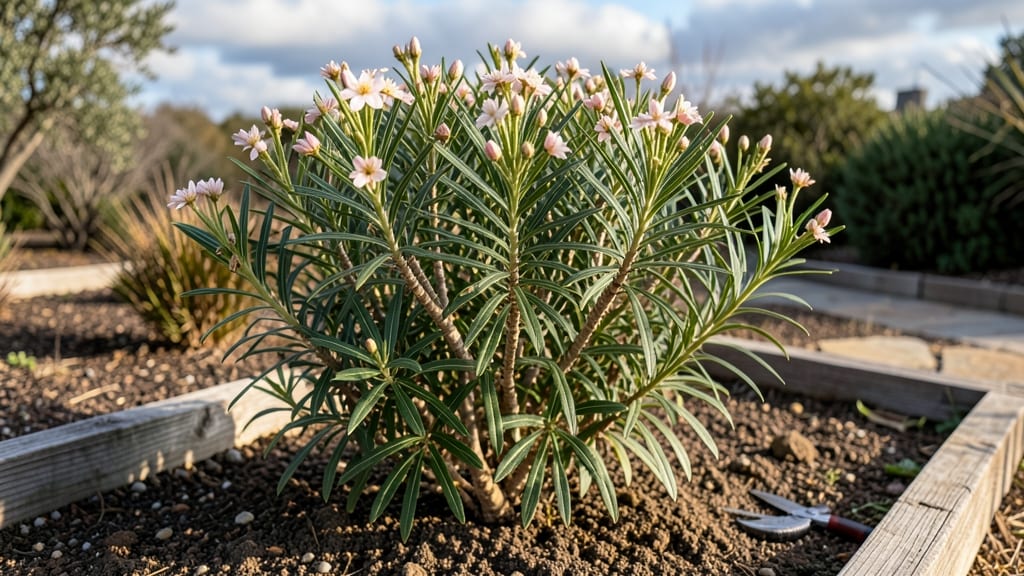
The Pacific Northwest’s fragrant secret weapon for gardens is Leptospermum scoparium—the New Zealand tea tree that hummingbirds can’t resist. 🌿 I’ve grown mine for five years, and every spring, the air fills with its honey-sweet scent while iridescent wings dart between the branches.
This isn’t just a pretty shrub; it’s a four-season performer that thrives in our damp climate.
What makes it special? It’s low-maintenance yet hardy, tolerating everything from coastal winds to urban pollution. The key is mimicking its native habitat: well-draining soil, partial shade, and regular pruning to encourage dense growth.
Unlike fussy ornamentals, this tree tree rewards patience with glossy leaves, creamy-white blooms, and that signature tea-like fragrance—even in winter.
You’ll end up with a hummingbird magnet that blooms from late spring through fall, plus fragrant foliage that repels pests naturally.
The tea tree’s medicinal properties (antiseptic, anti-inflammatory) are a bonus, though I mostly love it for the way it transforms a corner of the garden into a living perfume bottle. Once established, it’s nearly indestructible.
Perfect for hedges, borders, or as a standalone specimen—it scales beautifully and handles pruning like a champ. Here’s how to grow yours without the guesswork, from soil prep to shaping for maximum blooms.
📚 In This Guide
- What you need
- Instructions
- Tips and common mistakes
- Wrapping up and next steps
What you need
- ● Pruning shears: Bypass pruners with sharp, clean blades (4–6-inch blades for small branches). (1 pair)
- ● Loppers: For thicker branches (up to 1.5 inches). (1 pair)
- ○ Pruning saw: For stubborn, woody stems (optional but handy). (1)
- ● Disinfectant: 70% isopropyl alcohol or a gardening-specific sanitizer to sterilize tools between cuts. (small bottle)
- ● Garden gloves: Heavy-duty, cut-resistant gloves for protection. (1 pair)
- ● Trash bag or bucket: For collecting pruned branches and debris. (1)
- ● Hose or bucket of water: To clean tools post-pruning. (1)
- ● Hand pruners: For delicate trimming of small stems. (1 pair)
- ● Rubbing alcohol wipes: Quick tool sterilization on the go.
- ● Plant growth hormone: (e.g., rooting powder) if propagating cuttings. (small jar)
- ● Marking twine or flags: To tag areas for future reference.
- ● Safety glasses: If working near your face or eyes.
Step-by-Step guide to planting and cultivating Leptospermum scoparium
This fragrant, evergreen shrub thrives in the Pacific Northwest’s climate—here’s how to plant it for maximum beauty and bird appeal.
🪴 Step 1: Choose the Perfect Planting Location
Leptospermum scoparium thrives in full sun to partial shade, with at least 6 hours of direct sunlight daily. In the Pacific Northwest’s cooler, wetter climate, a spot with morning sun and afternoon shade prevents leaf scorch while maintaining vibrant foliage. Avoid low-lying areas where cold air settles—this shrub dislikes soggy roots and can develop root rot in poorly draining soil.
Test your soil’s drainage by digging a 6-inch hole—if water pools after 30 minutes, amend the site with 2-3 inches of coarse sand or gravel mixed into the native soil. The ideal location balances sun exposure, airflow, and drainage to keep your tea tree healthy and blooming year-round.
☀️ Step 2: Prepare the Soil and Plant with Care
Dig a hole twice as wide as the root ball but no deeper—planting too deep suffocates roots and stunts growth. Loosen the soil at the edges of the hole to encourage root expansion. Leptospermum scoparium prefers well-draining, slightly acidic soil (pH 5.5-6.5), so mix 1 part peat moss or compost into the native soil if your garden’s soil is heavy clay.
Gently remove the shrub from its container and tease out any circling roots. Place it in the hole so the top of the root ball sits level with the surrounding soil—burying the stem too deeply invites disease. Backfill with the amended soil, pressing lightly to eliminate air pockets. Water deeply to settle the soil and eliminate gaps.
💧 Step 3: Water and Mulch for Long-Term Success
Water the newly planted shrub deeply every 2-3 days for the first 2 weeks, then taper to once a week once established. Leptospermum scoparium is drought-tolerant once rooted, but young plants need consistent moisture to prevent transplant shock. You’ll know it’s settled when new growth appears—usually within 4-6 weeks—and the soil stays slightly damp 2 inches below the surface.
Apply a 2-3 inch layer of mulch (pine bark or wood chips) around the base, keeping it 6 inches away from the trunk to prevent moisture buildup. Mulch conserves soil moisture, regulates temperature, and suppresses weeds—critical for the Pacific Northwest’s variable rainfall. Replenish mulch annually to maintain its protective layer.
✂️ Step 4: Prune and Maintain for Year-Round Fragrance
Prune your Leptospermum scoparium after flowering (late summer to early fall) to shape the shrub and encourage dense growth. Remove dead, damaged, or crossing branches first, then trim back overgrown stems by ⅓ to maintain a natural shape. Avoid heavy pruning in spring—new growth emerges slowly, and aggressive cuts can stress the plant.
Fertilize lightly in early spring with a balanced, slow-release fertilizer (10-10-10)—too much nitrogen reduces flowering and fragrance. Monitor for pests like aphids or spider mites, which thrive in dry conditions. A strong spray of water usually dislodges them, but severe infestations may require neem oil or insecticidal soap. With proper care, your tea tree will reward you with scented blooms and hummingbird visits for decades.
Tips & tricks for perfect Leptospermum scoparium cultivation
Here's what nobody tells you about growing this Pacific Northwest favorite—details that make all the difference between a struggling shrub and a thriving hummingbird magnet.
Sunlight Strategy: That 6-hour minimum of sunlight is non-negotiable, but here's the secret: in Step 1, prioritize morning sun exposure first. The cooler afternoon light in our region prevents leaf scorch while still giving your tea tree the energy boost it needs. If your yard only gets partial sun, choose the sunniest spot available—even 4 hours of direct morning light will work better than 6 hours of dappled afternoon shade.
Drainage Test: The 30-minute water test in Step 1 is your best friend for avoiding root rot. If water disappears within 30 minutes, you're golden. If it's still standing after an hour, that's your cue to amend aggressively with coarse sand or gravel. I've seen too many tea trees fail because people skipped this step—don't make that mistake. For heavy clay soils, consider planting in a raised bed or mound to improve drainage from the start.
Planting Depth: When placing your tea tree in Step 2, think "level with the surrounding soil"—this means the top of the root ball should be flush with ground level, not buried. I always check this by comparing the root ball's top to the surrounding soil line. Burying too deep suffocates the plant, while planting too high creates instability. A simple trick: use a level tool or even a straight stick to verify you've got it right before backfilling.
Watering Wisdom: The 2-3 day watering schedule in Step 3 can be tricky—you want the soil to stay slightly damp 2 inches down, not soggy. Here's how I check: stick your finger in the soil at that depth. If it feels dry, water deeply. If it's still moist, wait another day. Overwatering is the #1 killer of young tea trees, so resist the urge to water on a strict schedule—let the soil be your guide. Once established, you'll notice the 4-6 week growth spurt as your signal that the plant is thriving.
Pro Tips for Leptospermum Scoparium New Zealand Tea Tree
- Here's what nobody tells you about growing this Pacific Northwest favorite—details that make all the difference between a struggling shrub and a thriving hummingbird magnet.
- Sunlight Strategy: That 6-hour minimum of sunlight is non-negotiable, but here's the secret: in Step 1, prioritize morning sun exposure first.
- Drainage Test: The 30-minute water test in Step 1 is your best friend for avoiding root rot.
Frequently asked questions
about Leptospermum scoparium (New Zealand Tea Tree) can help you care for this fragrant, hummingbird-loving plant with ease. Here are answers to common queries:How often should I prune my New Zealand Tea Tree?
Prune your Leptospermum scoparium lightly in early spring (before new growth) to shape it and encourage blooms. Avoid heavy pruning—this plant thrives with minimal intervention. Focus on removing dead or crossing branches and thinning out overgrowth to maintain airflow.
Can I prune my Tea Tree at any time of year?
While you can prune year-round, avoid heavy cuts in late fall or winter—this stresses the plant. Light trimming to remove deadwood is fine, but major shaping is best saved for late winter or early spring when it’s entering active growth.
Why aren’t my Tea Trees blooming?
If your Leptospermum scoparium skips blooms, check these factors:
- Sunlight: Ensure it gets 6+ hours of full sun daily—partial shade can reduce flowers.
- Pruning: Avoid over-pruning, as flowers form on new wood.
- Age: Young plants (under 3 years) may not bloom yet.
- Soil: Well-draining, slightly acidic soil (pH 5.5–6.5) encourages blooms.
What’s the best alternative if I can’t grow a Tea Tree?
If your climate or space limits Leptospermum scoparium, try these fragrant, hummingbird-friendly alternatives:
- Manuka (Leptospermum scoparium ‘Manuka’) – A hardier, smaller variety.
- Western Red Cedar (Thuja plicata) – Evergreen with a similar Pacific Northwest feel.
- Salal (Gaultheria shallon) – Native ground cover with glossy leaves and winter interest.
- Oregon Grape (Mahonia aquifolium) – Drought-tolerant with yellow blooms and berries.
Is New Zealand Tea Tree toxic to pets or kids?
The Leptospermum scoparium is non-toxic to pets and humans, making it a safe, family-friendly choice. However, ingesting large amounts of any plant can cause mild stomach upset—keep an eye on curious pets or children. Always wash hands after handling to avoid skin irritation from sap.
Wrapping up and next steps
Leptospermum scoparium, or New Zealand tea tree, isn’t just a stunning addition to your Pacific Northwest garden—it’s a year-round hummingbird haven with fragrant blooms that bring life to your outdoor space. 🌿 From pruning techniques to seasonal care, this versatile shrub rewards your efforts with vibrant color and wildlife charm.
Ready to transform your garden? Start by planting one today—or share your newfound knowledge with fellow plant lovers! Whether you’re trimming for shape or encouraging more blooms, every snip brings you closer to a thriving, fragrant oasis. Happy gardening!