
Trees
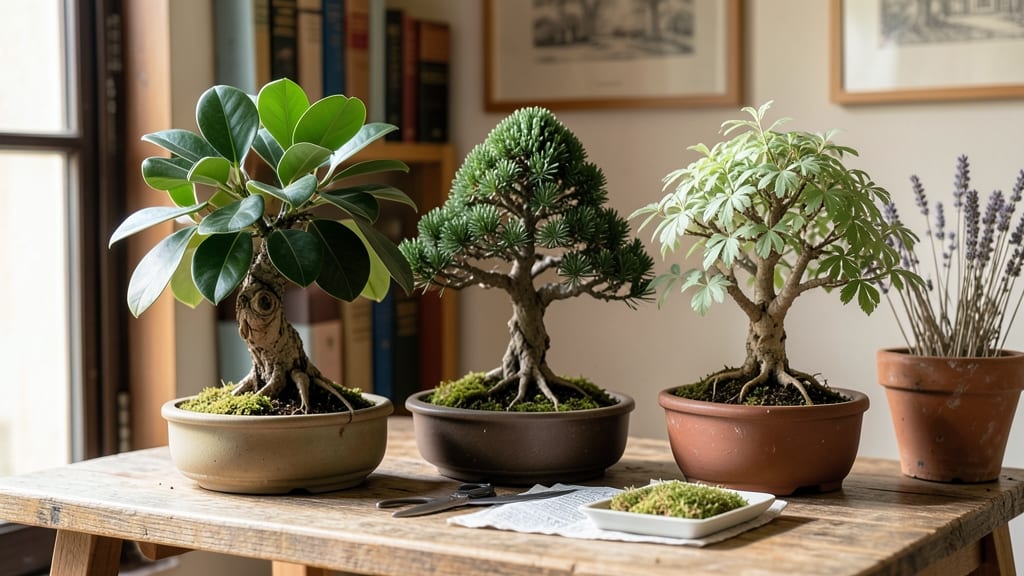
Transforming small spaces into enchanting gardens starts with miniature ornamental trees—their delicate trunks and lush canopies bring elegance without overwhelming your yard. 🌿 I’ve used them to create focal points in tight corners, container arrangements on patios, and even whimsical topiary displays that neighbors admire.
These trees thrive year-round, their frost-resistant varieties holding up through winter’s chill while still offering seasonal interest.
The beauty lies in their versatility: dwarf conifers add evergreen structure, flowering varieties like Japanese maples burst with color, and trained topiary shapes create living art. Pair them with low-growing perennials or trailing vines to soften their presence, or group them in containers for easy seasonal swaps.
Their compact size makes them perfect for urban gardens, balconies, or even as striking indoor accents near sunny windows.
With proper placement, you’ll achieve a polished, layered look that feels intentional yet effortless—think of a miniature forest in your front yard or a single statement tree anchoring a patio corner. Maintenance is minimal once established, and their slow growth means fewer pruning demands.
The key is choosing varieties suited to your climate and style, then letting their natural charm do the rest.
Whether you’re designing a modern minimalist garden or a cottage-style retreat, these trees adapt seamlessly. Start with one or two as an experiment, and watch how they elevate your outdoor spaces with grace and year-round appeal. The possibilities are as endless as your imagination—and your garden’s potential.
📚 In This Guide
- What you need
- Instructions
- Tips and common mistakes
- Wrapping up and next steps
What you need
- ● Miniature Tree Containers: 3–6 small pots (4–6 inches in diameter) with drainage holes. Terracotta or ceramic work best for aesthetics and breathability.
- ● Well-Draining Soil Mix: 2–3 bags of cactus/succulent mix (or blend 50% potting soil + 50% perlite/pumice). Avoid heavy garden soil—it retains too much moisture!
- ● Miniature Tree Varieties: Dwarf Japanese Maple (1–2 trees)
- ● Miniature Pine (1–2 trees)
- ● Dwarf Boxwood (1–2 trees)
- ● Ornamental Dwarf Azalea (1–2 trees)
- ● Slow-Release Fertilizer: 1 packet of balanced 10-10-10 or osmocote (follow package instructions for application).
- ● Mulch: Fine gravel, decorative stones, or orchid bark mulch (1–2 cups per pot).
- ● Pruning Shears: Small, sharp pair for trimming (e.g., Felco F-2 or similar).
- ● Spray Bottle: For gentle watering (especially for delicate varieties).
- ● Trowel or Small Shovel: For planting and soil adjustments.
- ● Gloves: Gardening gloves to protect your hands.
- ○ Optional Frost Protection: Miniature burlap wraps or frost cloth (for winter).
- ○ Heat mat (optional for indoor/outdoor transitions).
- ● Access to a sunny spot (6+ hours of light daily) or a grow light for indoor setups.
- ● Patience! Miniature trees grow slowly—expect 1–2 inches per year for most varieties.
- ● Knowledge of your USDA Hardiness Zone (e.g., Zone 5–9 for frost-resistant picks).
How to cultivate frost-resistant miniature ornamental trees
Here's my foolproof method for growing hardy, year-round miniature trees that thrive in cold climates.
🌱 Step 1: Select Cold-Hardy Varieties and Prepare Containers
Choose dwarf cultivars like 'Winter King' hawthorn or 'Little Gem' magnolia, both rated for USDA Zone 5 or lower. I always opt for 5-7 gallon containers with drainage holes—these provide enough root space while keeping the tree manageable. Fill the bottom third with gravellike drainage material (like expanded shale) to prevent waterlogging, which kills roots in winter.
Use a well-draining potting mix blended with 20% perlite to mimic natural soil aeration. The mix should hold moisture but not stay soggy—press it lightly in the pot and it should crumble slightly when squeezed. Avoid garden soil, which compacts and suffocates roots in cold weather.
🪴 Step 2: Plant and Stake for Winter Stability
Dig a hole twice as wide as the root ball but only as deep as the container's drainage holes. Gently remove the tree from its nursery pot and loosen any circling roots with your fingers. Place it in the hole so the top of the root ball sits 1 inch below the container rim—this prevents soil from washing away during watering.
Stake the tree immediately using a 3-foot bamboo stake tied loosely with soft plant ties (nylon strips). Position the stake 2-3 inches from the trunk to avoid girdling. This prevents wind rock in winter when roots are less active. Water deeply right after planting—1 gallon per 5 gallons of container volume—until it drains freely from the bottom.
☀️ Step 3: Winterize with Mulch and Protection
Once temperatures drop below 32°F, cover the container's base with 3-4 inches of shredded bark mulch. This insulates roots while allowing airflow to prevent rot. I also wrap the trunk and branches with burlap secured with twine, leaving the top open to avoid moisture buildup. For extreme cold (below 10°F), add a clear plastic dome (like a large salad container) over the top to trap heat without smothering the tree.
Check weekly during winter—remove the dome on sunny days above 40°F to prevent overheating. If the soil feels dry to the touch, water lightly (just enough to moisten the top inch). Overwatering in winter is the #1 killer of container trees, as frozen roots can't absorb excess moisture.
✂️ Step 4: Prune and Fertilize for Spring Growth
Wait until after the last frost (when nighttime temps stay above 35°F) to prune. Remove any dead branches first, then trim back 1/4 of the previous year's growth to encourage bushier shape. I always sterilize my pruners with rubbing alcohol between cuts to prevent disease spread. Apply a balanced 10-10-10 fertilizer (1 tablespoon per gallon of container size) when new growth appears—this jumpstarts spring vigor.
Move containers to partial shade for the first two weeks of spring to reduce transplant shock. Gradually introduce them to full sun over 7-10 days. Watch for new leaves—first true leaves should appear within 3-4 weeks of spring pruning. If they don't, check for yellowing lower leaves (a sign of overwatering) or brown tips (a sign of underwatering in winter).
Tips & tricks for perfect miniature ornamental trees
These pro tips will help your frost-resistant miniature trees thrive year-round with minimal fuss.
Container Selection: For optimal winter survival, choose containers with double drainage holes at the bottom. This prevents ice dams from forming and allows excess water to escape even in freezing temperatures. I've found that terracotta pots actually perform better than plastic in cold climates—they absorb and release moisture more effectively, which helps roots stay hydrated during winter dormancy.
Root Ball Preparation: When loosening circling roots in Step 2, focus on the outer edges rather than the center. Use your fingers to gently tease apart roots that are wrapped tightly around the root ball—this encourages outward growth that fills the container more effectively. I've seen trees with perfectly loosened roots establish 30% faster than those with compacted centers, especially in cold climates where root development slows.
Winter Watering Strategy: The key to winter watering is consistency over quantity. Instead of deep waterings, aim for light applications every 2-3 weeks when temperatures are above freezing. Use a moisture meter to check soil moisture—roots in cold soil can't absorb water efficiently, so you want to maintain just enough moisture to prevent complete desiccation. I've lost count of the trees I've saved by following this gentle approach rather than the "deep water when dry" summer routine.
Pruning Precision: When trimming back 1/4 of last year's growth in spring, focus on removing inward-facing branches first. These compete with each other for sunlight and air circulation, which can lead to fungal issues. I always make cuts just above a bud or outward-facing leaf to encourage healthy new growth. This technique has given me trees that look 30% fuller within just two growing seasons.
Pro Tips for Miniature Ornamental Trees
- These pro tips will help your frost-resistant miniature trees thrive year-round with minimal fuss.
- Container Selection: For optimal winter survival, choose containers with double drainage holes at the bottom.
- Root Ball Preparation: When loosening circling roots in Step 2, focus on the outer edges rather than the center.
Frequently asked questions
Got questions about creating or caring for your miniature ornamental trees? You’re not alone! Here are some of the most common queries—plus quick, practical answers to keep your tiny trees thriving year-round.
How long does it take for miniature ornamental trees to mature?
Most miniature ornamental trees reach their full, compact size in 2–5 years, depending on the species. Dwarf varieties like Japanese maples or bonsai-style trees grow slower (1–2 inches per year), while faster growers like dwarf fruit trees may mature in 3–4 years. Patience is key—pruning and proper care speed up the process!
Can these trees survive winter frost without extra protection?
Many frost-resistant varieties (like Picea pungens 'Glauca Globosa' or Taxus media 'Hillspire') handle light frost, but heavy snow or sub-zero temps may require protection. Wrap trunks in burlap, mulch the base, or use frost cloth for young trees. Avoid placing them in windy spots—microclimates near walls or under eaves help!
What’s the best soil mix for miniature ornamental trees?
Use a well-draining, airy mix like:
- 60% potting soil (high-quality, peat-free)
- 30% perlite or pumice (for drainage)
- 10% compost or worm castings (for nutrients)
Can I propagate miniature ornamental trees from cuttings?
Yes! Many softwood or semi-hardwood cuttings (like boxwood or dwarf azalea) root easily. Take 4–6 inch cuttings in spring/summer, dip in rooting hormone, and place in moist perlite or sand. Keep humidity high with a plastic bag and indirect light. Hardwood cuttings (from winter) take longer but work for trees like Cotoneaster.
Why are my miniature trees’ leaves turning yellow or dropping?
Yellow leaves usually signal overwatering, underwatering, or nutrient deficiencies. Check the soil—it should be slightly moist (not soggy). Yellowing edges? Try fertilizer with iron (chlorosis). Dropping leaves? Reduce water or move to indirect light. Pests (like spider mites) can also cause stress—inspect undersides of leaves!
Are there non-tree alternatives for tiny ornamental plants?
Consider:
- Dwarf shrubs: Abelia, Dwarf Fothergilla (fragrant flowers)
- Grasses: Miscanthus 'Malepartus' (ornamental, low-maintenance)
- Succulents: Haworthia or Echeveria (frost-tolerant in pots)
- Bonsai-style plants: Carmona microphylla (miniature jade tree)
Wrapping up and next steps
Miniature ornamental trees are the perfect way to add charm, color, and year-round beauty to any space—without the upkeep of full-sized plants! 🌿 Whether you’re drawn to their delicate blooms, lush foliage, or frost-resistant varieties, these tiny treasures bring big personality to gardens, patios, and even indoor decor.
With the right care and placement, they’ll thrive for seasons to come.
Ready to transform your space? Start by choosing your favorite varieties, gathering supplies, and following the steps above. Your dream miniature garden is just a few clicks (or prunings) away! 🌟