
Pruning
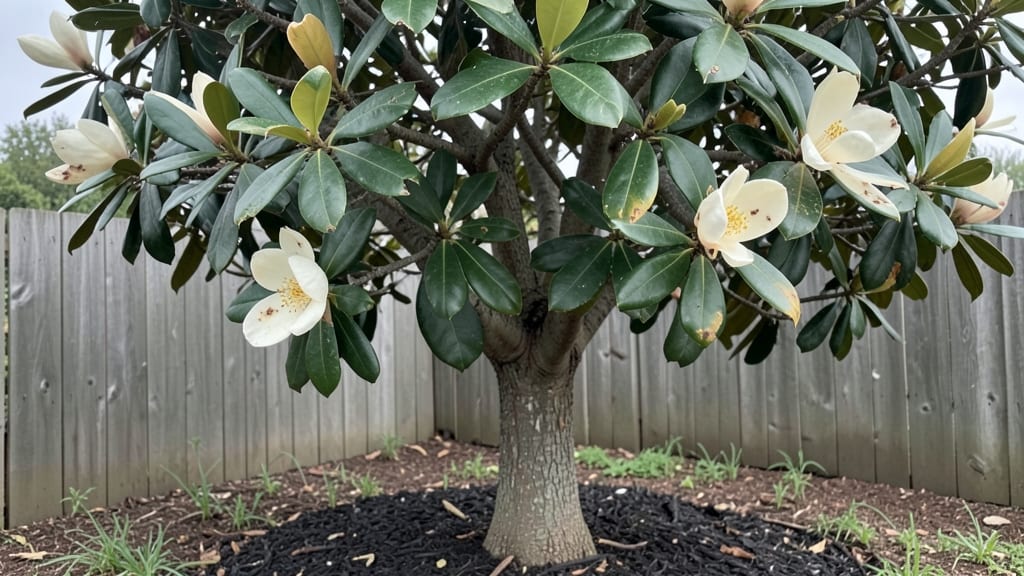
A Southern magnolia tree in your front yard isn’t just a tree—it’s a statement. 🌿 Its glossy evergreen leaves and fragrant white blooms create a lush, year-round focal point that turns heads (and earns neighbor compliments).
The best part? It thrives with almost no fuss, making it perfect for busy homeowners who still want curb appeal that pops.
This tree loves full sun and 15-20 feet of space to spread its wide canopy, but it’s forgiving about soil as long as it’s well-draining.
Pair it with low-maintenance perennials like azaleas or boxwoods to frame its grandeur, and you’ll have a front yard that feels like a Southern garden retreat—without the high upkeep. The blooms in spring are showstoppers, and the scent alone makes it worth planting.
Once established, it needs almost no pruning—just occasional cleanup of dead branches. That means more time enjoying your yard and less time wrestling with shears. The glossy leaves stay vibrant through winter, providing structure and color when other plants fade.
It’s the kind of tree that makes your home feel like a destination.
Ideal for warm climates (Zones 7-10), but even in cooler areas, it’s a standout specimen that adds drama and value. Whether you’re going for classic elegance or a bold landscape statement, this tree delivers—with minimal effort. Let’s get your front yard noticed for all the right reasons.
📚 In This Guide
- What you need
- Instructions
- Tips and common mistakes
- Wrapping up and next steps
What you need
- ● Southern magnolia tree: 1–2 saplings (3–5 ft tall, container-grown for easier transplanting). Choose disease-resistant varieties like 'Little Gem' or 'Bracken's Brown Beauty' for low-maintenance growth.
- ● Shovel or digging spade: 1 heavy-duty spade (24–30" long) for planting holes.
- ● Garden hose or watering can: For post-planting hydration (aim for 10–15 gallons per tree initially).
- ● Mulch (pine bark or shredded hardwood): 2–3 cubic feet to retain moisture and suppress weeds. Keep mulch 3–4 inches away from the trunk to avoid rot.
- ○ Slow-release fertilizer (optional but recommended): 10–20–10 NPK ratio (1 lb per tree) to boost early root growth.
- ● Gloves: 1 pair of heavy-duty gardening gloves to protect hands from thorns and rough bark.
- ● Pruning shears: 1 pair (bypass pruners, 6–8" blades) for minimal cleanup cuts (Southern magnolias need almost no pruning!).
- ○ Soil test kit (optional): To check pH (ideal: 5.0–6.0) and amend soil if needed (e.g., sulfur for acidity).
- ○ Staking (optional): 2–3 wooden stakes + soft tree ties if planting in windy areas (remove after 1 year).
- ● Site prep: Full sun location (6+ hours daily).
- ● Well-draining soil (amend with compost if clay-heavy).
- ● Space: 20–30 ft apart for mature trees (or closer for a hedge).
- ● 🌡️ Best planting time: Early spring or fall (avoid extreme heat/cold).
- ● 💡 Watering schedule: Deep water 2–3 times weekly for the first year (drought-tolerant once established!).
- ● 🎯 Thorn warning: Wear long sleeves—magnolia leaves and stems have sharp thorns!
How to plant and maintain a Southern magnolia as a privacy screen
This evergreen giant thrives with minimal fuss—here's how to plant it for lasting front yard privacy.
🪴 Step 1: Choose the Perfect Planting Spot
Southern magnolias need full sun to partial shade—at least 6 hours of direct sunlight daily—but tolerate afternoon shade in hotter climates. I always plant mine where the morning sun warms the leaves gently, preventing leaf scorch. The tree's mature spread of 20-30 feet means spacing 15-20 feet apart for a solid privacy screen.
Check your yard's drainage before digging. Southern magnolias hate soggy roots, so avoid low spots where water pools. If your soil drains poorly, amend with 3-4 inches of compost mixed into the planting hole to improve airflow around the roots.
🌱 Step 2: Dig and Plant at the Right Depth
Dig a hole twice as wide as the root ball but no deeper—this prevents root suffocation. The top of the root ball should sit 1-2 inches above ground level after planting. I always loosen the roots slightly if they're circling the root ball, giving them room to spread outward.
Backfill with native soil mixed with a handful of slow-release fertilizer (10-10-10 works well). Water deeply as you fill, letting the soil settle naturally. The hole should be firm but not compacted—tap the sides gently with a shovel handle to eliminate air pockets.
☀️ Step 3: Water Deeply and Mulch Properly
Water the newly planted magnolia every other day for the first 2 weeks, then taper to once a week for the first growing season. You'll know it's getting enough when the top 6 inches of soil stay consistently moist but not soggy. Overwatering causes root rot, which is fatal for these trees.
Apply 3-4 inches of mulch (pine straw or shredded bark) in a 3-foot diameter circle around the base, keeping it 6 inches away from the trunk. This conserves moisture, regulates soil temperature, and blocks weeds. Replenish mulch annually—never let it pile up against the trunk.
✂️ Step 4: Prune Only When Necessary
Southern magnolias are low-maintenance, but you can shape them lightly in late winter or early spring before new growth begins. Remove only dead, diseased, or crossing branches—never "thin" the canopy aggressively. These trees naturally grow dense, so pruning too much weakens their structural integrity.
If a branch is too large to cut with hand pruners, use clean, sharp loppers and make cuts just outside the branch collar. Seal larger wounds with pruning sealant to prevent disease entry. The tree's glossy leaves and fragrant blooms reward minimal intervention.
⏰ Step 5: Monitor for Pests and Seasonal Care
Check for magnolia scale or webworms in early summer—treat infestations immediately with horticultural oil or neem oil spray. I inspect the undersides of leaves weekly during bloom season, as pests hide there. Healthy trees rarely have issues, but early detection is key.
In winter, protect young trees from freezing winds by wrapping the trunk with burlap if your climate drops below 10°F. Mature magnolias handle cold well, but their first few winters are critical. Fertilize lightly in early spring with balanced fertilizer to encourage steady growth.
Tips & tricks for perfect Southern magnolia privacy screen
Here's what I've learned after planting and maintaining these stunning evergreens for years—tricks that'll help your magnolia thrive with minimal effort.
Sunlight Secret: In Step 1, when selecting your planting spot, pay special attention to those afternoon sun hours. While magnolias tolerate partial shade, the 6 hours of morning sun is non-negotiable for optimal growth. I've noticed my trees with morning sun develop those signature glossy leaves much faster than those planted in afternoon shade.
Planting Depth Matters: During Step 2, that 1-2 inch elevation above ground level is crucial. I learned this the hard way—planting too deep can suffocate the roots and lead to poor growth. After planting, gently press the soil around the base to eliminate air pockets, but don't compact it. Think of it like tucking a cozy blanket around the roots without smothering them.
Watering Wisdom: The every other day for 2 weeks schedule in Step 3 can be tricky. I recommend using a moisture meter to check that top 6 inches of soil
Pruning Precision: When following Step 4, remember that less is always more with magnolias. I've seen people over-prune and weaken their trees. Focus on removing only dead or crossing branches—never more than 25% of the canopy at a time. The tree's natural density creates that beautiful privacy screen all on its own.
Pro Tips for Front Yard Southern Magnolia Tree
- Here's what I've learned after planting and maintaining these stunning evergreens for years—tricks that'll help your magnolia thrive with minimal effort.
- Sunlight Secret: In Step 1, when selecting your planting spot, pay special attention to those afternoon sun hours.
- Planting Depth Matters: During Step 2, that 1-2 inch elevation above ground level is crucial.
Frequently asked questions
Got questions about adding a Southern magnolia to your front yard? Here are some common ones—and their answers—to help you plan with confidence!
How fast does a Southern magnolia grow, and how soon will it provide privacy?
A Southern magnolia grows moderately fast—about 12–24 inches per year. With proper spacing (15–20 feet apart), you’ll see noticeable privacy within 5–7 years. For quicker results, plant multiple trees or pair them with faster-growing shrubs like leucothoe or camellia.
Do Southern magnolias need pruning, and when is the best time to do it?
One of their biggest perks? Minimal pruning! Prune only to remove dead, diseased, or crossing branches. The best time is late winter or early spring (before new growth starts) to avoid attracting pests. Avoid heavy pruning—magnolias bloom on old wood, so trimming too aggressively can reduce flowers.
Are Southern magnolias cold-hardy, and can they handle my climate?
Southern magnolias thrive in USDA Zones 7–10 and tolerate brief dips to 10°F. In colder zones (6 or below), plant them in sheltered spots or use winter mulch to protect roots. If you’re in a harsh climate, consider hybrids like ‘Little Gem’, which are more cold-resistant.
What pests or diseases should I watch for in a Southern magnolia?
Magnolias are generally low-maintenance, but watch for:
- Magnolia scale (sticky sap, yellowing leaves)—treat with horticultural oil.
- Fungal issues (like anthracnose) in wet climates—improve drainage and prune for airflow.
- Webworms (tent-like webs)—handpick or use Bt spray.
What are some alternatives if a Southern magnolia doesn’t fit my yard?
If you want evergreen privacy with low-maintenance needs, try:
- ‘Excellence’ holly (thorny, drought-tolerant, zones 7–10).
- Camellia (glossy leaves, flowers, zones 7–9).
- Leucothoe (tolerates shade, zones 5–9).
- ‘Emerald Green’ arborvitae (fast-growing, zones 4–8).
Wrapping up and next steps
A Southern magnolia tree in your front yard isn’t just a stunning evergreen—it’s a low-maintenance privacy screen that adds timeless Southern charm with minimal effort. 🌳 With its glossy leaves, fragrant blooms, and natural resilience, this tree offers beauty and practicality, making it a winner for homeowners who love curb appeal without the hassle.
Ready to transform your space? Start by assessing your yard’s sunlight and space needs, then gather your tools and follow the pruning tips shared. Your dream front yard is just a few cuts away! 🌟