Pruning
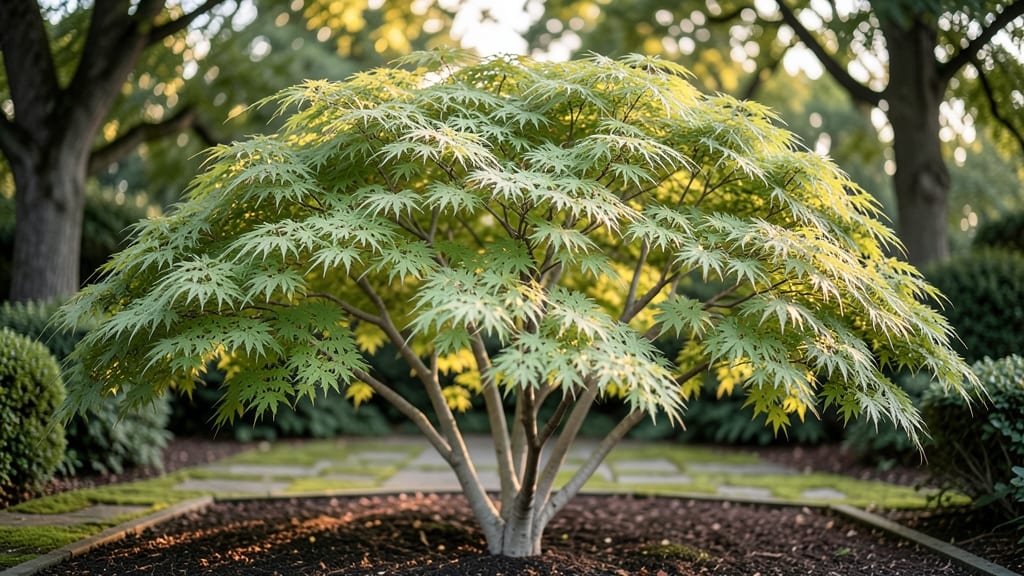
The Japanese lace maple tree’s intricate, lace-like foliage turns any yard into a living watercolor—when you prune it right. I’ve watched mine go from scraggly to showstopper in just two seasons, and the secret lies in timing and technique that keeps those fine branches from getting too heavy.
The key isn’t just cutting back—it’s shaping the tree to encourage that signature filigree growth while keeping it strong enough to hold its own against winter winds.
You’ll need sharp bypass pruners (dull blades tear bark), a sturdy ladder for higher branches, and a clear day to avoid working with wet wood that splinters.
Most pruning happens in late winter or early spring, but light shaping after summer growth prevents those branches from sagging under their own weight.
The goal is to maintain that airy, open habit—think of it like giving the tree a haircut that keeps its signature lace texture rather than letting it grow into a dense, unruly mess.
What you end up with is a tree that looks like a masterpiece year-round: vibrant green lacework in spring, fiery reds and oranges in fall, and even winter interest when the branches catch the light just right. The best part?
Once you get the rhythm, it takes less than 30 minutes a year to keep it looking like a million bucks. No more hiding your lace maple behind other plants—it’ll be the star of the show.
This works for both container-grown lace maples and those planted in the ground, though dwarf varieties need slightly lighter pruning. Whether you’re dealing with a mature tree or a young seedling, the same principles apply—just scaled down. Let’s get those branches looking like fine art.
📚 In This Guide
- What you need
- Instructions
- Tips and common mistakes
- Wrapping up and next steps
What you need
- ● Pruning shears: Bypass pruners (for small branches, 4-6 inches in diameter). Look for sharp, stainless steel blades to avoid crushing stems. Example: Felco F-2 or Corona Classic.
- ● Loppers: Bypass or anvil type (for medium branches, ¾–2 inches thick). Opt for long-handled, ergonomic models for comfort. Example: Fiskars X27 or Bahco Forester.
- ● Pruning saw: Curved-tooth or bow saw (for thick branches, 2+ inches). Choose a lightweight, portable saw with a sharp blade. Example: Felco 32 or Corona CS9100.
- ● Gloves: Heavy-duty, cut-resistant gloves (e.g., mechanics or pruning gloves) to protect hands from thorns and sharp edges. Example: Southport or Fox River Garden.
- ● Disinfectant: 70% isopropyl alcohol or horticultural spray (to sterilize tools between cuts and prevent disease spread).
- ○ Sealing wax or pruning paint: Optional but recommended for cuts larger than ½ inch to prevent sap bleeding and reduce disease risk. Example: Tanglefoot Tree Wound Pruning Sealer.
- ● Ladder or step stool: Sturdy, extendable ladder (if your tree is taller than 6 feet). Ensure it’s rated for your weight and has non-slip feet.
- ● Heavy-duty trash bags or bucket: For collecting debris. Aim for 10+ gallons capacity.
- ● Rake or broom: To clear fallen leaves and small debris post-pruning.
- ● Notebook & pen: To jot down notes on cuts, growth patterns, or seasonal reminders.
- ● Hand saw: For precision cuts on very thick branches (if loppers aren’t sufficient).
- ● Pole pruner: For high branches (if you don’t want to use a ladder).
- ● Safety glasses: To protect eyes from debris.
- ● Knee pads: If you’ll be working on the ground for extended periods.
- ○ Tree growth regulator: Optional for post-pruning care (e.g., seaweed extract or diluted hydrogen peroxide spray to promote healing).
How to prune a Japanese lace maple for stunning year-round foliage
This delicate tree thrives when you prune with purpose—here's how to shape it beautifully while preserving its signature lace-like leaves.
Understand the Best Pruning Seasons
Japanese lace maples respond best to pruning during their dormant season in late winter or early spring before new growth begins. This timing ensures you won't remove buds that would have produced vibrant foliage. Avoid pruning in summer or fall, as this can stress the tree and reduce its winter hardiness. I always mark my calendar for February to March—just as the first buds start to swell but before any leaves appear.
For light maintenance trimming, you can also prune in early summer after the tree has finished its primary growth spurt. This helps shape the tree while still allowing time for new growth to harden off before winter. Just avoid heavy pruning during this period, as it can lead to excessive water loss and attract pests.
Prepare Your Tools and Workspace
Gather sharp, clean pruning shears and loppers—dull tools crush branches and create jagged wounds that heal poorly. I always disinfect my tools with 70% rubbing alcohol between cuts to prevent spreading disease. Wear gloves to protect your hands from thorns and sap, and lay down a tarp or old sheet beneath the tree to catch falling leaves and debris.
Work on a dry day when the tree isn't stressed by heat or drought. The ideal time is early morning, when the air is cool and the tree is fully hydrated. Avoid pruning during windy conditions, as this can make it harder to see where you're cutting and increases the risk of tearing branches.
Remove Dead, Diseased, or Crossing Branches First
Start by identifying and removing any dead, diseased, or crossing branches—these are the lowest-hanging fruit in pruning. Dead branches are easy to spot: they're brittle, snap when bent, and often have no leaves or buds. Diseased branches may have discolored bark, oozing sap, or fungal growth. Crossing branches rub against each other, creating wounds that invite infection.
Cut these branches back to the branch collar, the swollen area where the branch meets the trunk. Never leave a stub—this creates an entry point for pests and disease. For larger branches, use the three-cut method: make an undercut, then a top cut just outside the branch collar, and finally remove the remaining wood. This prevents tearing the bark.
Shape the Tree for Balance and Airflow
Step back and assess the tree's overall shape, looking for areas where growth is too dense or uneven. Japanese lace maples naturally grow in a rounded form, so aim to maintain that silhouette. Start by thinning out the innermost branches to improve airflow and reduce humidity, which helps prevent fungal diseases like powdery mildew.
Focus on removing branches that grow inward or downward, as these compete with others for sunlight and nutrients. Cut back to a healthy outward-facing bud or branch to encourage growth in the right direction. Avoid removing more than 25% of the tree's foliage in one season—this can shock the tree and reduce its vigor. If you're unsure, err on the side of caution and remove less.
Refine the Canopy for Year-Round Color
The lace-like foliage of a Japanese maple is its signature feature, so prune to enhance its texture and color. In late spring or early summer, after the tree has finished its primary growth, you can do a light pruning to refine the canopy. Remove any branches that spoil the tree's symmetry or grow too close together, which can lead to weak, leggy growth.
Pay special attention to the tips of branches, where new growth emerges. Cutting back to just above a leaf scar or bud encourages bushier growth and more vibrant foliage. Avoid over-pruning the top of the tree, as this can expose the trunk to harsh sunlight and reduce the tree's ability to produce energy through photosynthesis. Step back frequently to check your progress—your goal is to create a tree that looks natural and balanced, not overly manicured.
Tips & tricks for perfect Japanese lace maple pruning
Pruning your Japanese lace maple can transform its appearance—here's how to avoid common pitfalls and achieve that picture-perfect look.
Seasonal Timing is Everything: In Step 1, when you're planning your February-March pruning, check for bud swell but no leaf emergence. These buds are your guide—cutting too early removes potential foliage, while waiting too long stresses the tree. For early summer maintenance, wait until after the primary growth spurt when new leaves have fully hardened off. This timing ensures you're always working with resilient growth.
Tool Sharpness Makes All the Difference: Before you begin Step 2, test your pruning shears by making a clean cut through a piece of paper—if it tears, your tools need sharpening. Dull blades crush branches, creating jagged wounds that heal poorly and invite disease. I keep a small file in my tool kit specifically for this purpose, sharpening blades between trees to maintain precision. The three-cut method for larger branches (mentioned in Step 3) only works with sharp tools—blunt blades will tear bark instead of making clean cuts.
Visualize the Final Shape: When shaping in Step 4, step back frequently to assess your progress. Hold your pruning shears at arm's length to check balance—this helps you see the tree's overall silhouette rather than focusing on individual branches. For lace maples, aim to maintain that natural rounded form while opening up the center. Think of it like sculpting: remove just enough to reveal the tree's natural beauty without overworking it.
Bud Selection Determines Growth Direction: In Step 5, when refining the canopy, always cut back to an outward-facing bud or branch. This simple technique ensures new growth will continue in the direction you want. Look for buds that point slightly upward—these will produce branches that maintain your tree's rounded shape. If you're unsure which bud to target, make a small notch above your intended cut to guide future growth.
Pro Tips for Japanese Lace Maple Tree
- Pruning your Japanese lace maple can transform its appearance—here's how to avoid common pitfalls and achieve that picture-perfect look.
- Seasonal Timing is Everything: In Step 1, when you're planning your February-March pruning, check for bud swell but no leaf emergence.
- Tool Sharpness Makes All the Difference: Before you begin Step 2, test your pruning shears by making a clean cut through a piece of paper—if it tears, your tools need sharpening.
Frequently asked questions
Got questions about keeping your Japanese Lace Maple (Acer palmatum 'Dissectum') vibrant and healthy? Here are some of the most common concerns—and their answers—to help you master year-round pruning and care.
When is the best time to prune a Japanese Lace Maple?
The ideal time is late winter to early spring (just before buds swell), but you can also do light pruning in summer to shape the tree. Avoid heavy cuts in fall or winter—this can stress the tree and reduce its stunning foliage. Pro tip: If you must prune in summer, do it after a growth flush to minimize shock.
Can I prune a Japanese Lace Maple in winter?
Light pruning in dormant winter (Dec–Feb) is fine, but avoid heavy cuts. Cold snaps can stress the tree, and winter pruning may encourage sucker growth or weak new branches. If you spot dead or crossing branches, trim them back sparingly—just enough to open the canopy for airflow and sunlight.
How do I encourage more lace-like foliage?
To enhance that delicate, feathery look, prune selectively to remove dense growth. Focus on:
- Thinning out overcrowded branches (cut back to a bud or side branch).
- Avoiding shearing—this can make foliage look stiff.
- Pruning just outside the growth ring (the swollen area where the branch meets the trunk) to promote finer regrowth.
My Japanese Lace Maple has brown leaves—what’s wrong?
Brown leaves can signal underwatering, overwatering, or fungal issues. Check these first:
- Soil moisture: Lace Maples prefer consistently moist but well-draining soil. If the top inch is dry, water deeply.
- Sun exposure: Too much direct sun (especially in hot climates) can scorch leaves. Provide dappled shade if needed.
- Pests/fungus: Inspect for aphids, scale, or powdery mildew. Treat with neem oil or a fungicide if necessary.
Are there alternatives to Japanese Lace Maple for small gardens?
If space is tight or you want similar delicate foliage and color, consider:
- Bloodgood Japanese Maple (Acer palmatum 'Bloodgood') – Compact, deep red leaves.
- Emperor I Japanese Maple (Acer palmatum 'Emperor I') – Slow-growing, vibrant green lace foliage.
- Dwarf Fountain Grass (Pennisetum spp.) – Adds texture without competing for space.
- Coral Bells (Heuchera) – Perennial ground cover with striking foliage.
Wrapping up and next steps
The Japanese Lace Maple Tree is a stunning addition to any garden, offering year-round beauty with its delicate foliage and vibrant colors. By mastering strategic pruning—whether for shape, health, or seasonal blooms—you can keep this tree thriving and breathtaking.
Now that you’re armed with the right tools, techniques, and timing, it’s time to roll up your sleeves and give your lace maple the care it deserves!
🌿 Ready to transform your outdoor space? Start small—trim a single branch today—and watch your Japanese Lace Maple shine brighter than ever. Happy pruning!