Pruning
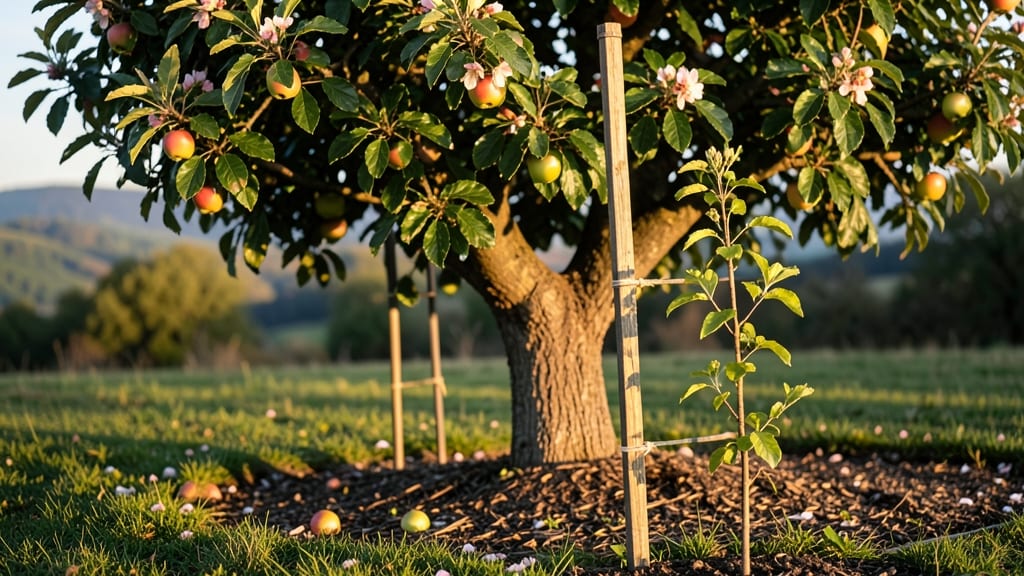
When your apple tree’s branches start sagging under fruit weight, apple tree branch support isn’t just helpful—it’s essential for saving your harvest and the tree itself. 🌳 I learned this the hard way when my young tree nearly split in half under a heavy crop, and now I swear by the right stakes and ties to keep branches strong.
The key is starting early—install supports as soon as branches reach 12–18 inches long, before they get too heavy. You’ll need T-posts or wooden stakes (4–6 feet tall), tree ties or soft nylon straps, and a spreader bar for wider branches.
This setup keeps the tree upright while letting it grow naturally, not strapped too tight.
With proper support, your tree will hold heavier fruit loads without breaking, and the branches grow straighter over time. You’ll also see fewer split limbs and more consistent harvests year after year. The best part? It only takes 30 minutes to set up and lasts for seasons.
Works for young trees, mature branches, or even storm-damaged limbs. Here’s how to do it right—no guesswork, just sturdy growth. Let’s get those branches supported before the next big harvest!
📚 In This Guide
- What you need
- Instructions
- Tips and common mistakes
- Wrapping up and next steps
What you need
- ● Stakes or Posts: 2–4 wooden or metal stakes (4–6 ft tall, 1–2 inches in diameter).
- ● For heavy trees: galvanized steel or bamboo stakes (more durable).
- ● Support Ties: Tree tie straps (soft fabric or rubber-coated, ½–1 inch wide).
- ● OR soft tree tape (for gentle, long-term support).
- ● Hardware: Heavy-duty zip ties (for securing stakes to the tree).
- ● Galvanized screws or nails (if using wooden stakes).
- ● Tools: Hammer or mallet (for driving stakes).
- ● Drill or screwdriver (if pre-drilling stake holes).
- ● Measuring tape (to ensure proper stake placement).
- ● Tree guard or collar (to protect the trunk from stake rubbing).
- ● Concrete mix or gravel (for anchoring stakes in loose soil).
- ● Pruning shears (to trim excess branches before securing).
- ● Waterproof sealant (for outdoor stake longevity).
How to install sturdy branch supports for young apple trees
Strong support now means fewer broken limbs later—here’s how to set up a system that lasts.
🪴 Step 1: Select and Position the Right Stakes
For each young apple tree, choose two 6-foot wooden or metal stakes—one on the north side, one on the south. Drive them 6 inches deep into the soil, about 12 inches from the trunk on opposite sides. The stakes should be 4-6 inches apart when viewed from above, forming a gentle triangle with the trunk for stability.
Use a mallet or sledgehammer for driving stakes—don’t pound too hard near the trunk roots. If your soil is rocky or compacted, pre-drill small holes with an augur bit to ease stake placement. The top of the stakes should extend 2 feet above the tree’s expected height (account for growth spurts).
✂️ Step 2: Install a Flexible Support System
Attach a 3-foot length of flexible tree tie material (not wire) to each stake at the top and bottom. I use wide, woven fabric ties because they distribute pressure evenly and won’t cut into the bark as the tree grows. Secure them loosely—you’ll adjust tension as the tree matures.
Loop the ties around the trunk at two points: one near the base (about 6 inches above the soil) and one at the top of the stake. Cross the ties in an "X" pattern behind the trunk for a cradle effect. This prevents trunk sway while allowing natural movement to strengthen the wood fibers. Avoid wrapping ties too tightly—they should fit snugly but not restrict growth.
🌿 Step 3: Secure Branches Individually
For each primary scaffold branch (those forming the tree’s structure), attach a single, adjustable branch tie to the stake. Use soft rubber or Velcro-style ties—never wire or zip ties, which can girdle the branch as it thickens. Position the tie 6-12 inches from the branch collar (where the branch meets the trunk).
Angle the branch at 45-60 degrees from the trunk, never straight up or down. This encourages outward growth and prevents future limb failure. Check ties monthly—remove any that feel too tight or show signs of cutting into the bark. If a branch grows beyond the stake’s reach, add a third stake between the existing two and reattach the tie.
💧 Step 4: Maintain and Adjust Over Time
Remove all ties by late summer of the third year—by then, the tree’s wood should be strong enough to stand alone. Until then, check ties every 4-6 weeks for wear or loosening. Replace any that fray or lose elasticity. If a branch grows too heavy for its support, add a secondary stake at a wider angle and redistribute the ties.
Here’s the thing—don’t over-tighten. A slightly loose tie that moves with the wind is better than one that restricts growth. Watch for rubbing marks on the bark where ties contact the wood; these are your warning signs to adjust immediately. With proper support, your apple tree’s branches will develop the strength to bear fruit without breaking under the weight.
Tips & tricks for perfect apple tree branch support
Here's what nobody tells you about creating a support system that actually works—these tricks will keep your young apple trees thriving for years.
Stake Placement Precision: When positioning those 6-foot stakes in Step 1, think about the tree's future growth pattern. The north-south orientation prevents shading issues, while the 4-6 inch spacing creates that crucial triangular stability. I've seen trees with stakes too close together develop uneven pressure points—always visualize how the tree will grow when you're positioning them. The 2-foot height above expected growth is especially important for wind-prone areas.
Tie Material Game-Changer: That 3-foot length of flexible tree tie in Step 2 makes all the difference. I've tried everything from zip ties to wire, but nothing compares to the wide, woven fabric ties. They distribute pressure evenly and won't cut into the bark as the tree grows. Pro tip: Keep a few extra ties handy—trees grow faster than you think, and you'll need to replace frayed ones before they fail. The X-pattern cradle is your secret weapon against trunk sway.
Branch Angle Secrets: The 45-60 degree angle in Step 3 isn't just arbitrary—it's based on how apple trees naturally grow when left unsupported. Straight-up branches are more prone to breaking under fruit weight. I've found that branches at 55 degrees tend to develop the strongest structure. When checking ties monthly, look for that slight give—it means the tree is moving naturally and building strength. If you notice rubbing marks, adjust immediately before they damage the bark.
Maintenance Timeline: The late summer of the third year isn't just a random deadline—it's when apple tree wood typically reaches sufficient strength. Until then, those 4-6 week checks are critical. I mark my calendar with reminders because I've seen ties fray completely between inspections. The key is balancing support with natural movement—your goal is to guide growth, not restrict it. A tree that sways slightly in the wind develops stronger wood fibers than one held rigidly in place.
Pro Tips for Apple Tree Branch Support
- Here's what nobody tells you about creating a support system that actually works—these tricks will keep your young ap...
- Stake Placement Precision: When positioning those 6-foot stakes in Step 1, think about the tree's future growth patte...
- Tie Material Game-Changer: That 3-foot length of flexible tree tie in Step 2 makes all the difference. I've tried eve...
Frequently asked questions
Got questions about keeping your apple tree sturdy and thriving? Here are answers to the most common concerns about branch support—so you can grow confidently!
When is the best time to add support stakes to my apple tree?
Install stakes as soon as you plant your apple tree (or within the first few weeks) to prevent wind damage. Young trees benefit most from support during their first 2–3 years, while their roots establish. If transplanting an older tree, add stakes immediately to stabilize it.
What happens if I don’t use stakes or ties?
Without support, your tree risks leaning, cracking, or breaking branches—especially in storms or high winds. Poor support can also lead to girdling (where branches grow in a spiral, strangling the trunk) or weak structural growth. Stakes and ties act like a "safety net" for young trees!
Can I reuse stakes or ties from last year?
While you can reuse stakes, check for rot, rust, or splinters first—old stakes may not hold as securely. Ties should always be replaced yearly, as they degrade from weather exposure. Opt for durable materials like polyester webbing or jute twine for longevity.
Are there alternatives to traditional stakes?
Yes! For smaller trees or tight spaces, try:
- Tree rings: Metal or plastic collars that wrap around the trunk for 360° support.
- Bamboo or willow stakes: Natural, biodegradable options (great for organic gardens).
- Cable systems: Used for mature trees needing reinforcement without visible stakes.
My tree’s branches are bending—how tight should the ties be?
Ties should be snug but not cutting—think of them like a "gentle hug". Use the "finger test": You should slide a finger between the tie and the branch. Check ties monthly and loosen if the tree outgrows the support. Never tie directly to the trunk; always secure to the stake.
Do I need to adjust support in winter?
Winter winds can stress unsupported trees, so leave stakes in place year-round. However, remove ties in late fall or early spring to avoid girdling as the tree grows. If heavy snow loads branches, add temporary support until the weight melts.
Wrapping up and next steps
Proper apple tree branch support isn’t just about aesthetics—it’s the backbone of your tree’s health and productivity! 🌳 By using sturdy stakes, ties, and pruning techniques, you’ll guide your tree toward stronger growth, better fruit yield, and fewer structural issues down the road.
Whether you’re a seasoned gardener or just starting out, these methods are your secret weapon for a thriving orchard.
Ready to give your apple tree the support it deserves? Start small: assess your tree’s needs, gather your materials, and take action this season. With patience and care, you’ll watch your tree flourish—and enjoy a bountiful harvest for years to come! 🍏✨