Pruning
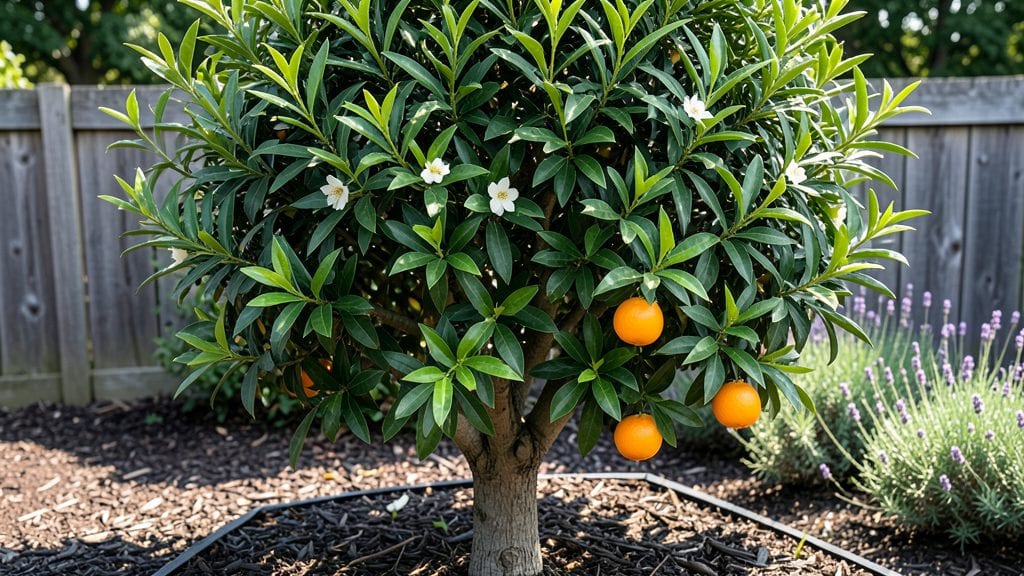
A mini orange tree brightens any home with fragrant blossoms and tiny, sweet fruit—year after year. 🌱 I’ve grown mine on a sunny windowsill for three winters now, and the secret isn’t fancy setups but matching its needs to what it craves: bright light, occasional water, and a little winter care.
The first time I saw blossoms turn to fruit indoors, I knew I’d never buy store-bought oranges again.
The real magic happens in the details: a well-draining pot, a south-facing window, and a pruning session every spring to keep it compact. You’ll avoid the most common mistakes—overwatering, letting it get too cold, or crowding its roots—by following a simple routine.
Even beginners can keep one alive for years, and the payoff is fresh citrus straight from your kitchen.
By summer, your tree will burst with glossy leaves and tiny oranges that taste sweeter than anything from the grocery store. The scent alone—bright and zesty—makes it worth the effort. Plus, it’s not just for show: you’ll actually harvest fruit, not just pretty leaves. Ready to grow one that thrives?
Works just as well indoors or outdoors in warm climates, though indoor trees need extra light in winter. The key is consistency—once you find the right balance, your mini orange tree will reward you for years to come.
📚 In This Guide
- What you need
- Instructions
- Tips and common mistakes
- Wrapping up and next steps
What you need
- ● Dwarf orange tree (Citrus × aurantium or Citrus sinensis) – Choose a Citrus × aurantium (bitter orange) or Citrus sinensis (sweet orange) variety, ideally grafted onto a dwarf rootstock like Poncirus trifoliata.
- ● Well-draining potting soil – A mix of 50% cactus/succulent soil and 50% perlite or pumice (10-15 lbs for a 10-12" pot).
- ● Pot with drainage holes – A 12-15" diameter ceramic or fabric pot (fabric pots help prevent root rot).
- ● Citrus fertilizer – A balanced, slow-release fertilizer (10-10-10 or 8-3-9) or a citrus-specific granular fertilizer (follow package instructions).
- ● Pruning shears – Bypass pruners (sharp, clean, and sterilized) for trimming branches and shaping.
- ○ Rooting hormone (optional but helpful) – If propagating from cuttings, use a powdered or gel rooting hormone.
- ● Gloves – Protect your hands from thorns and sap (nitrile or leather gloves work well).
- ● Spray bottle – For misting leaves (especially in dry climates).
- ● Humidity tray or pebble tray – Helps maintain 40-60% humidity for optimal growth.
- ● Support stake or trellis – Useful if your tree grows taller than 3-4 feet.
- ● pH testing kit – Ensures soil pH stays between 6.0-7.0 (citrus loves slightly acidic soil).
- ● Citrus-safe insecticide (neem oil or horticultural oil) – For pest control (aphids, scale, or spider mites).
- ○ LED grow lights (optional) – If placing indoors, a full-spectrum LED bulb (12-16 hours/day) mimics sunlight.
Step-by-step instructions for growing a dwarf orange tree indoors
Here's how to nurture your own compact citrus tree that bears fruit year-round.
🌱 Step 1: Select and Prepare Your Dwarf Variety
Choose a dwarf variety like 'Calamondin', 'Improved Meyer', or 'Satsuma'—these stay under 4-6 feet tall and thrive indoors. Check the root ball before buying; healthy trees have no mushy roots or yellowing leaves. I always repot immediately after purchase to refresh the soil and prevent transplant shock.
Use a well-draining potting mix (equal parts potting soil, perlite, and sand works well). Fill a 10-12 inch pot with drainage holes about 2 inches below the rim—this prevents root rot. Tap the pot gently after filling to settle the mix but avoid compacting it. The goal is loose, airy soil that mimics outdoor growing conditions.
🪴 Step 2: Plant and Position for Optimal Light
Remove the tree from its nursery pot and loosen the root ball if it looks tightly bound. Place it in the center of your prepared pot, ensuring the top of the root ball sits just below the soil line—burying the stem too deep causes rot. Fill around the roots with your mix, pressing lightly to eliminate air pockets.
Dwarf orange trees need 6-8 hours of bright, indirect sunlight daily. A south- or west-facing window is ideal, but if natural light is weak, supplement with a grow light positioned 12-18 inches above the tree. You’ll know the light is right when new leaves are deep green and glossy—pale or yellowing leaves mean it’s too dim.
💧 Step 3: Water and Maintain Humidity
Water deeply once a week, letting 1 inch of water drain out the bottom—this ensures roots get moisture without sitting in soggy soil. I check moisture by sticking my finger 2 inches into the soil; if it’s dry, it’s time to water. Overwatering is the #1 killer of dwarf citrus, so always let the top 1-2 inches dry out between waterings.
Humidity matters—these trees love 50-60% humidity. Place the pot on a pebble tray filled with water or use a humidifier nearby. You’ll spot the need for more humidity when leaves start curling at the edges or dropping prematurely. Mist the leaves 2-3 times a week in dry climates, but avoid wetting the foliage if your home stays humid.
☀️ Step 4: Fertilize and Prune for Growth
Feed every 4-6 weeks during spring and summer with a balanced citrus fertilizer (like 6-6-6 or 8-3-9). I dilute it to half-strength to avoid burning roots—citrus is sensitive to salt buildup. Stop fertilizing in fall and winter when growth slows naturally. Yellowing leaves? You’re likely over-fertilizing; flush the soil with water to cleanse it.
Prune in late winter or early spring to shape the tree and encourage branching. Cut back overly long branches to a leaf node (where leaves meet the stem), and remove any dead, crossing, or inward-growing branches. Pruning isn’t just for looks—it improves airflow, reducing fungal risks. Aim for an open, vase-like shape to maximize sunlight penetration.
✂️ Step 5: Encourage Fruit and Monitor Pests
If your tree flowers but drops blossoms, it’s likely not getting enough sunlight or nutrients. Hand-pollinate by gently shaking branches to spread pollen, or use a small paintbrush to transfer pollen between flowers. Once fruit sets, thin it to 3-4 oranges per branch—overloading weakens the tree and yields small, bitter fruit.
Watch for scale insects, spider mites, or aphids on the undersides of leaves. Wipe them off with a soapy water solution (1 tsp mild soap per quart of water) or spray with neem oil weekly as prevention. Yellowing leaves can also signal overwatering, underwatering, or nutrient deficiencies**—check your care routine if you see widespread discoloration.
Tips & tricks for perfect mini orange tree care
A few simple tricks will help your dwarf orange tree thrive indoors and reward you with fruit year after year.
Light is Everything: While the instructions mention 6-8 hours of bright, indirect sunlight, I’ve found that positioning your tree within 2 feet of a south-facing window actually gives it the ideal light exposure. If you notice new leaves turning pale or yellowing, it’s a clear sign you need to move it closer to the light source. For winter months when daylight is shorter, supplement with a grow light for 12 hours a day to maintain that energy boost your tree needs.
Soil Science Matters: The well-draining mix mentioned (equal parts potting soil, perlite, and sand) is perfect, but I like to add a handful of worm castings to the mix for extra nutrients. This gives your tree a gentle nutrient boost without overloading it. Also, avoid compacting the soil when you tap the pot—just give it a few gentle taps to settle it naturally. Compacted soil can suffocate roots and lead to poor growth.
Watering Wisdom: When checking soil moisture, I’ve learned to look for subtle clues beyond just the 2-inch dry test. If the pot feels unusually light or the soil pulls away from the pot edges, it’s definitely time to water. And here’s a pro move: I use room-temperature water for watering and soil flushing—cold water can shock the roots and cause stress. Always let excess water drain completely to prevent root rot.
Fertilizer Strategy: The 4-6 week feeding schedule works, but I’ve found that switching to a slow-release citrus fertilizer pellet in spring can simplify things. These pellets release nutrients gradually over 3-4 months, so you don’t have to remember to fertilize as often. Just follow the package instructions for application—usually one pellet per gallon of soil. This is especially helpful if you tend to forget your regular feeding schedule!
Pro Tips for Mini Orange Tree
- A few simple tricks will help your dwarf orange tree thrive indoors and reward you with fruit year after year.
- Light is Everything: While the instructions mention 6-8 hours of bright, indirect sunlight, I’ve found that positioning your tree within 2 feet of a south-facing window actually gives it the ideal light exposure.
- Soil Science Matters: The well-draining mix mentioned (equal parts potting soil, perlite, and sand) is perfect, but I like to add a handful of worm castings to the mix for extra nutrients.
Frequently asked questions
about growing a mini orange tree—because even citrus experts have questions! Here are the most common ones to help you navigate your dwarf orange tree journey like a pro.How long does it take for a mini orange tree to bear fruit?
A dwarf orange tree typically takes 3–5 years to bear fruit indoors, depending on care, sunlight, and variety. Patience is key—consistent watering, proper pruning, and adequate light (like a south-facing window or grow lights) speed up the process. Pro tip: Some varieties like Calamondin or Meyer lemon-orange hybrids fruit faster (1–2 years)!
Can a mini orange tree survive winter indoors?
Mini orange trees thrive indoors year-round, but they need adjustments in winter. Reduce watering (let soil dry slightly between waterings), avoid drafts, and supplement light with 12–14 hours of grow lights if natural light drops below 6 hours/day. Keep temps between 60–75°F—no freezing!
Are the oranges from a mini tree edible?
Yes! While smaller, the fruit is just as flavorful as full-size oranges. However, always wash thoroughly to remove dust or pesticide residue (if grown outdoors). Meyer lemon-orange hybrids are especially sweet and juicy—perfect for fresh eating, juicing, or baking. Warning: Some dwarf varieties (like Calamondin) are tart and better for marmalade!
How often should I prune my mini orange tree?
Prune 2–3 times a year:
- Spring (after flowering): Trim dead/brown branches and shape the tree for airflow.
- Summer (light pruning): Remove overcrowded growth to encourage fruit production.
- Late winter (before blooming): Prune to control size and remove crossing branches.
Why are the leaves on my mini orange tree turning yellow?
Yellow leaves usually signal overwatering, underwatering, or nutrient issues. Check these fixes:
- Overwatering: Let soil dry 1–2 inches deep between waterings.
- Underwatering: Water deeply until it drains from the bottom.
- Nutrient deficiency: Fertilize with citrus-specific food every 2–3 months.
- Pests: Inspect for aphids or scale—spray with neem oil if needed.
Wrapping up and next steps
Growing a mini orange tree indoors isn’t just a rewarding hobby—it’s a burst of sunshine on your windowsill year-round! 🌱 With the right dwarf variety, pruning techniques, and care, you’ll enjoy fresh citrus and lush greenery without the space of a full-sized tree.
Remember, patience and consistency are key, but the sweet, fragrant rewards make every pinch worth it.
Ready to take the next step? Start small:
- Pick your dwarf variety (like ‘Calamondin’ or ‘Meyer Lemon’ if you want a twist!).
- Grab your pruning shears and get hands-on—your tree will thank you!
- Share your progress with fellow plant lovers (or brag to your cat—judge not!).