
Trees
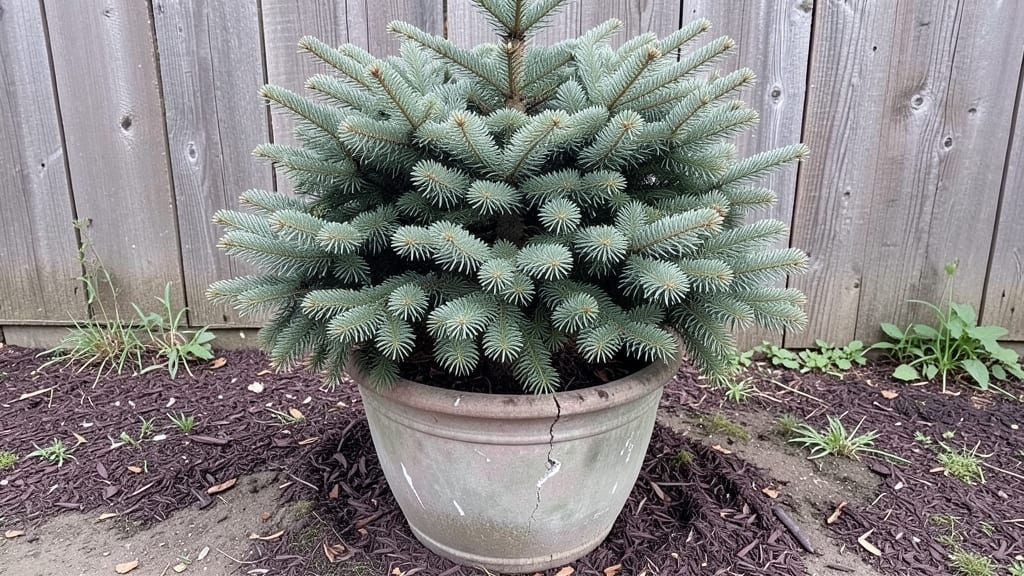
Transform your holidays with live Xmas trees in pots—I’ve kept mine alive for three years now, needle drop-free, lush, and ready to bring that same festive magic back every season. ✨ The trick starts with picking the right tree and giving it the care it deserves right from the get-go, not just during the holidays.
You’ll need a sturdy pot with drainage, well-draining soil mix, and a spot that mimics the tree’s natural light needs—bright but not scorching. Most people stop caring after the tree comes down, but that’s when the real work begins.
With the right after-holiday routine, your tree can thrive indoors or outdoors for years, saving you money and reducing waste.
Imagine walking past your balcony or patio in July and seeing that same tree you decorated last year, now full of fresh growth and ready for another round of tinsel.
The key is consistent watering, occasional pruning, and protecting it from extreme temperatures. It’s not just about surviving the holidays—it’s about creating a living tradition.
Whether you’re in a small apartment or a suburban home, this method works for any space. The only requirement is a little patience and the willingness to treat your tree like the living centerpiece it is. Let’s get yours growing strong for next year’s celebrations!
📚 In This Guide
- What you need
- Instructions
- Tips and common mistakes
- Wrapping up and next steps
What you need
- ● Live Christmas tree: 1 potted Abies (fir), Picea (spruce), or Pinus (pine) seedling (3–6 ft tall) or
- ● 1 pre-potted live Christmas tree (5–7 gallon container, 4–6 ft tall).
- ● Container: 1 large, sturdy pot (minimum 18–24 inches deep and 12–18 inches wide) with drainage holes. Pro tip: 💡 Use a whiskey barrel, half barrel, or fabric grow bag for rustic charm!
- ● Potting mix: 1 bag (1–2 cubic feet) of well-draining, acidic mix (pH 4.5–6.0). Look for blends labeled for coniferous trees or mix: 50% peat moss or pine bark fines
- ● 30% perlite or pumice (for aeration)
- ● 20% compost or sphagnum moss
- ● Fertilizer: 1 bottle of slow-release fertilizer (14-14-14 or 10-10-10 NPK) or 1 cup of organic osmocote.
- ● Mulch: 1 bag of pine bark mulch (to retain moisture and acidity).
- ● Basic tools: 1 trowel or spade (for planting)
- ● 1 gloves (gardening or work gloves)
- ● 1 watering can with a rose nozzle (or hose with gentle spray)
- ○ Optional (but helpful!): 1 moisture meter (to monitor soil hydration)
- ● 1 tree support stake (if your tree is top-heavy)
- ● 1 weatherproof pot cover (for winter protection)
- ● 1 pH test kit (to check soil acidity)
- ● Location: Partial shade to full sun (4–6 hours of sunlight daily).
- ● Protection from strong winds (use a windbreak if needed).
- ● Access to a covered or sheltered area during heavy rain/snow.
How to grow live Christmas trees in pots for year-round holiday charm
Bring that festive spirit indoors year-round with these easy steps for thriving potted Christmas trees.
🪴 Step 1: Choose the Right Tree Variety and Container
Select a dwarf or semi-dwarf variety like Fraser fir, Nordmann fir, or Colorado blue spruce—these stay manageable in pots. Your container needs drainage holes and should be at least 18 inches deep with a diameter 12-15 inches for each tree (you're growing 4). I like heavy ceramic pots because they won't tip over easily when decorated.
Fill the bottom 2 inches with gravel or coarse sand for drainage. This prevents root rot, which is the #1 killer of potted Christmas trees. The extra weight at the bottom also helps stabilize the tree—especially important when kids (or pets) get too enthusiastic with decorations.
🌱 Step 2: Plant with Well-Draining Soil and Proper Spacing
Use a lightweight potting mix with 20% perlite or pumice mixed in for aeration. Fill the pot ⅔ full, then loosen the root ball of your tree slightly before placing it in the center. The roots should sit 1 inch below the pot's rim—this gives you room to add mulch later without burying the trunk.
Backfill with more potting mix, pressing gently to remove air pockets. Space your 4 trees at least 3 feet apart if growing them together in one large area. Water immediately after planting until water runs freely from the drainage holes—this settles the soil and removes any air gaps around the roots.
☀️ Step 3: Position for Optimal Light and Seasonal Care
Place your trees in partial shade during summer to prevent heat stress. A spot with morning sun and afternoon shade works best. In winter, move them to bright indirect light—like a south-facing window or under grow lights if natural light is limited. You'll know they're getting enough light when the needles stay deep green and firm (not yellowing or dropping).
Water when the top 2 inches of soil feel dry—stick your finger in to check. Overwatering is the biggest mistake here; soggy soil leads to root rot. In winter, water only when the soil is completely dry, as most homes have lower humidity and trees lose less moisture.
✂️ Step 4: Prune and Fertilize for Healthy Growth
Prune brown or damaged branches in early spring using clean, sharp shears. Cut just above a healthy bud to encourage new growth. Avoid heavy pruning—you only want to shape lightly. I also give my trees a balanced 10-10-10 fertilizer every 6-8 weeks during the growing season (spring and summer).
For extra holiday flair, add a slow-release fertilizer in early fall. This gives the tree a nutrient boost as it prepares for winter dormancy. If you notice yellow needles, that's a sign of over-fertilizing—cut back immediately and water thoroughly to flush excess salts from the soil.
🎄 Step 5: Decorate and Overwinter Safely
Decorate your trees after watering—wet needles hold ornaments better. Use LED string lights (they stay cool) and avoid anything sharp that could puncture the branches. For extra protection, mist the tree lightly with water before decorating—this helps dust and debris stick less.
In winter, move trees indoors if temperatures drop below 20°F. Keep them in a cool (50-60°F) but bright spot, like a garage or basement with a window. Check soil moisture weekly—indoor heating dries the air faster, so you may need to water more frequently than you expect.
Tips & tricks for perfect live Christmas trees in pots
These simple strategies will help your potted Christmas trees thrive year after year, bringing that festive magic to your balcony every holiday season.
Container Stability Tip: In Step 1, when choosing your pots, consider adding a layer of paving stones at the very bottom before the gravel. This adds extra weight to prevent tipping—especially important when your tree is adorned with ornaments. I've seen trees topple after just a few decorations, so this small step saves a lot of headache later!
Soil Preparation Secret: Before planting in Step 2, mix in a handful of worm castings with your potting mix. This boosts nutrient availability right from the start, helping your trees establish strong roots faster. Just sprinkle about ½ cup per pot and work it into the bottom third of soil before adding your potting mix.
Light Monitoring Hack: For Step 3, create a simple light tracking chart to monitor your trees' needs. Mark your calendar with the four seasons and note when to adjust their light exposure. In summer, place a small whiteboard near your trees to track sunlight hours—aim for 4-6 hours of morning sun max to prevent heat stress. This visual reminder helps avoid common mistakes with seasonal light changes.
Winter Care Pro Tip: When moving trees indoors below 20°F in Step 5, place a small humidifier nearby to combat dry indoor air. The sudden change from outdoor humidity to heated indoor spaces can cause needle drop. I've found that even a small, inexpensive humidifier running for 12 hours a day makes a noticeable difference in keeping those needles lush and vibrant.
Pro Tips for Live Xmas Trees In Pots
- These simple strategies will help your potted Christmas trees thrive year after year, bringing that festive magic to your balcony every holiday season.
- Container Stability Tip: In Step 1, when choosing your pots, consider adding a layer of paving stones at the very bottom before the gravel.
- Soil Preparation Secret: Before planting in Step 2, mix in a handful of worm castings with your potting mix.
Frequently asked questions
How long can I keep a potted Christmas tree alive after the holidays?
A well-cared-for potted Christmas tree can live for years—some even decades! With proper pruning, watering, and winter protection, trees like Norfolk pines or Fraser firs can thrive indoors or outdoors. Just avoid letting the soil dry out completely, and give it bright, indirect light. Pro tip: Move it outdoors in spring/summer for fresh air and sunlight!
Can I keep my potted Christmas tree outside in winter?
Yes, but with precautions! Most potted trees can handle light frost, but heavy snow or freezing temps (below 10°F) can damage roots. Wrap the pot in burlap, add mulch, and place it in a sheltered spot. Water sparingly—only when the soil is dry—to prevent root rot. Warning: Avoid salted sidewalks or windy areas, which can stress the tree.
How often should I water my potted Christmas tree?
Watering depends on your tree’s size and environment. Check soil moisture weekly—stick your finger 1-2 inches deep. If it’s dry, water thoroughly until it drains from the bottom. Indoor trees may need watering every 5-7 days, while outdoor trees (in pots) can go longer. Pro tip: Use a moisture meter for accuracy, especially in winter when evaporation slows.
What’s the best way to revive a drooping potted Christmas tree?
A drooping tree usually means it’s thirsty or stressed. First, check the soil—if dry, water deeply. If the pot feels heavy but the soil is still damp, the roots may be suffocating. Trim any brown needles and move the tree to brighter light. For severe cases, repot in fresh soil and prune overgrown roots. Quick fix: Mist the needles with water to boost humidity!
Are there low-maintenance Christmas tree alternatives for pots?
If traditional trees seem high-maintenance, try these potted pals:
- Norfolk Pine: Hardy, drought-tolerant, and thrives indoors.
- Leyland Cypress: Fast-growing with lush foliage (great for privacy screens).
- Dwarf Alberta Spruce: Compact, slow-growing, and perfect for small spaces.
- Olive or Bay Trees: Evergreen and fragrant—ideal for Mediterranean climates.
Wrapping up and next steps
Bringing the magic of the holidays into your space with live Christmas trees in pots isn’t just festive—it’s a year-round celebration of nature’s beauty! Whether you’re a balcony gardener or a holiday enthusiast, these trees offer convenience, sustainability, and endless charm.
With the right care, your potted tree can thrive, spreading joy beyond just December.
Ready to transform your space? Start small: Choose your tree, gather your supplies, and plant it with confidence. Then, enjoy the cozy glow of holiday cheer—every day of the year! 🎄✨