
Pruning
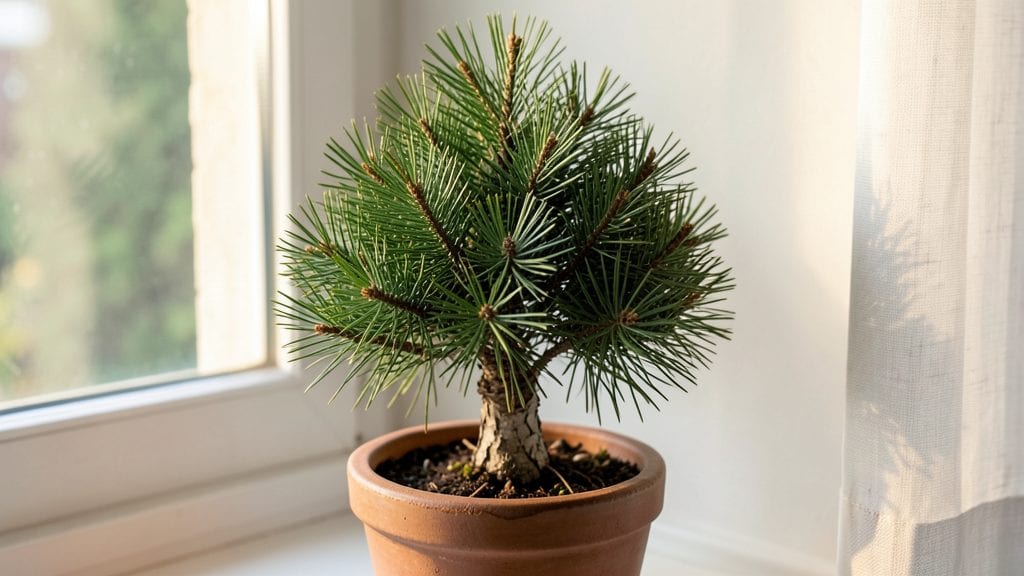
A living Christmas tree isn’t just a holiday decoration—it’s a year-round evergreen that grows back every season with the right care. 🌲 I’ve kept the same Nordmann fir for over a decade, and it’s now taller than my garage door, all while needing less pruning than my hedge.
The secret isn’t complicated: it’s about understanding when to plant, how to water, and which cuts actually encourage growth—not just survival.
The best part? You’ll never buy another cut tree again. After the holidays, simply move yours to a sheltered spot, water it deeply, and let it recover. Nordmann firs handle this best, but Fraser firs work too if you live in cooler climates.
The tree will reward you with fresh, fragrant needles year after year, and you’ll skip the annual guilt of tossing a perfectly good tree in January.
By spring, you’ll see new growth at the tips of the branches, proof that your tree is thriving—not just surviving. The pruning I do now is minimal: just shaping the top and removing any dead growth.
No shears? No problem—your tree will bounce back even if you skip a year. This is gardening that pays dividends for decades, not just a single season.
Whether you’re starting fresh or reviving a tired tree, the key is consistency. The first year is the hardest—after that, it’s just about giving it space, sunlight, and occasional water. Your yard will thank you, and so will your wallet. Let’s get that tree growing back stronger than ever.
📚 In This Guide
- What you need
- Instructions
- Tips and common mistakes
- Wrapping up and next steps
What you need
- ● Living Christmas tree (preferably a Picea or Abies species) – Choose a healthy, well-shaped tree (6–12 ft tall, depending on your space).
- ● Pruning shears or loppers – Sharp, bypass-style tools (avoid anvil shears to prevent crushing branches).
- ● Hand pruners – For smaller trims (test for sharpness by cutting a twig cleanly).
- ● Gloves – Heavy-duty work gloves to protect from sap and thorns.
- ● Disinfectant (70% rubbing alcohol or pruning sealant) – To sterilize tools between cuts and prevent disease.
- ○ Tree stand or support stake – Optional but helpful for stability if shaping a large tree.
- ● Extension pole pruners – For high branches (great for tall trees!).
- ● Ladder (lightweight aluminum) – Only if you’re absolutely sure about safety!
- ● String or twine – For marking branches to remove or shaping guides.
- ● Mulch (pine straw or bark) – To protect roots and retain moisture post-pruning.
- ● Camera or sketchpad – To plan your design before cutting!
- ● Time of year – Late winter or early spring (when the tree is dormant but before new growth).
- ● Weather – A dry, overcast day (wet conditions can stress the tree).
- ● Knowledge of tree anatomy – Familiarize yourself with leader shoots (central stems) and whorls (branch layers).
- ● Patience – Living trees take time to heal and regrow—don’t rush!
How to grow a living Christmas tree that thrives year-round
Here's my no-fuss method for growing a lush, healthy evergreen that doubles as holiday cheer and lasting landscape beauty.
🌱 Step 1: Select the Right Tree Species for Your Climate
Choose a slow-growing evergreen that thrives in your hardiness zone. I recommend Fraser firs or Scotch pines for their sturdy branches and classic Christmas shape. Avoid fast-growing species—they shed needles too aggressively. Visit a local nursery and look for 3-5 foot tall specimens with dense, symmetrical growth and no bare patches.
Check the root system before buying—healthy trees have white, fibrous roots extending beyond the root ball. If the roots are circling or brown, walk away. I always dig my fingers into the soil around the base to verify moisture—dry soil means the tree's been neglected. Bring it home immediately after purchase to minimize transplant shock.
🪴 Step 2: Plant in a Permanent Location with Proper Soil Prep
Dig a hole twice as wide as the root ball but only as deep. The top of the root ball should sit 1-2 inches above ground level—this prevents water from pooling at the base. Mix the native soil with 2 parts compost and 1 part peat moss to improve drainage and fertility. I use the 5-gallon bag of compost and 2 cubic feet of peat moss from my supply list.
Place the tree in the hole and backfill with the amended soil, tamping gently every 6 inches to eliminate air pockets. Water deeply until moisture reaches 12 inches down—you'll know it's enough when water runs out the bottom of the hole. Mulch with 3 inches of pine straw (not wood chips) in a 3-foot diameter circle, keeping it 6 inches away from the trunk to prevent rot.
☀️ Step 3: Position for Optimal Sunlight and Wind Protection
Evergreens need full sun (6+ hours daily) but also shelter from harsh winter winds. I plant mine on the north or east side of the house where it gets morning sun and afternoon shade. If your yard has prevailing winds, create a windbreak using bamboo stakes and frost cloth during winter months—this prevents needle browning.
Stake the tree only if it leans more than 15 degrees from vertical. Use two 6-foot wooden stakes placed 6 inches from the trunk and tie with soft tree ties (never wire). Remove stakes after 12 months to avoid girdling the trunk. Water once weekly during the first growing season, providing 1-2 gallons each time until the soil is 6 inches deep moist.
✂️ Step 4: Prune Strategically to Maintain Shape and Health
Prune only in late winter or early spring before new growth begins. Remove dead, crossing, or rubbing branches first using clean, sharp pruners. Cut just outside the branch collar where it meets the trunk. For shaping, limit pruning to no more than 25% of the tree's foliage in any year—this prevents stress.
I never prune the top of the tree to encourage height—this creates weak, sunburn-prone branches. Instead, focus on thinning the interior to improve air circulation. After pruning, apply 1 cup of slow-release fertilizer (10-10-10 ratio) spread evenly under the drip line. Water immediately to activate the fertilizer and prevent root burn.
⏰ Step 5: Winter Care to Prevent Needle Loss
Water your tree every 2-3 weeks during winter if natural snowfall is minimal. Evergreens lose moisture through their needles even in cold weather. I use a soaker hose set on low for 30 minutes to avoid compacting the soil. In Zone 5 or colder, wrap the trunk with tree wrap to prevent sunscald and rodent damage.
Shake the tree gently once monthly to dislodge ice buildup—this prevents branch breakage. If heavy snow accumulates, remove it with a soft broom rather than knocking it off. In spring, remove any winter wrap immediately to prevent bark damage. Fertilize lightly in early April with ½ cup of 10-10-10 fertilizer to encourage new growth.
Tips & tricks for perfect living Christmas tree care
Here's what I've learned from years of growing living Christmas trees—these tricks make all the difference between a tree that thrives and one that struggles.
Species Selection Matters: In Step 1, when choosing your tree, pay special attention to the needle color—dark green needles indicate a healthy, well-watered specimen. Fraser firs hold their needles longer than Scotch pines, making them ideal for holiday displays. I always look for trees with a slight taper (wider at the base than the top) as they'll have better structural integrity over time.
Soil Prep is Non-Negotiable: The soil mix in Step 2 is crucial for preventing root rot. I recommend adding a handful of perlite to your compost-peat moss mix to improve aeration. When backfilling, make sure to break up any large soil clumps with your hands—this prevents air pockets that can strangle young roots. The 12-inch moisture depth check is your best indicator of proper watering.
Winter Watering Strategy: Don't skip the winter watering in Step 5! Evergreens transpire (lose moisture) even in cold weather. I set a reminder every 2-3 weeks to check soil moisture—stick your finger 2-3 inches down. If it feels dry, that's your cue to water. A soaker hose on low for 30 minutes is perfect because it delivers water slowly without disturbing the soil structure.
Pruning Secrets: When pruning in Step 4, I always clean my pruners with rubbing alcohol between cuts to prevent spreading disease. For shaping, I focus on removing branches that grow inward—these create shaded areas where moisture lingers, promoting fungal growth. Never prune more than 25% in one year, and always make cuts just outside the branch collar where it meets the trunk.
Pro Tips for Living Christmas Tree
- Here's what I've learned from years of growing living Christmas trees—these tricks make all the difference between a tree that thrives and one that struggles.
- Species Selection Matters: In Step 1, when choosing your tree, pay special attention to the needle color—dark green needles indicate a healthy, well-watered specimen.
- Soil Prep is Non-Negotiable: The soil mix in Step 2 is crucial for preventing root rot.
Frequently asked questions
Got questions about keeping a living Christmas tree thriving year-round?
Here are answers to the most common ones—so you can enjoy your green beauty without the stress!
How often do I need to prune a living Christmas tree?
A living Christmas tree needs minimal pruning—just trim back any dead or overgrown branches in early spring (before new growth starts). Light shaping can happen in late winter to encourage fullness. Avoid heavy pruning; focus on removing no more than 25% of the foliage at a time to keep it healthy.
When is the best time to bring a living Christmas tree indoors for the holidays?
Introduce your tree indoors 2–3 weeks before Christmas to help it adjust to lower humidity. Place it near a window (but not in direct sunlight) and mist the needles daily. If you’re worried about stress, acclimate it gradually by moving it from outdoor shade to a cooler indoor spot for a few days first.
How do I keep a living Christmas tree from drying out indoors?
Living trees hate dry air! Use a humidifier nearby or mist the needles 2–3 times a day. Place the tree on a tray filled with pebbles and water (not the root ball) to boost moisture. Avoid heat sources like fireplaces, and check the soil—it should stay slightly moist but not soggy.
Can I reuse the same living Christmas tree every year?
With proper care, a living tree can last 10+ years (or even decades). Just ensure it gets full sun outdoors in summer, regular watering, and occasional fertilization. If it starts looking tired, a light pruning or repotting can revive it. Many families pass down their trees as heirlooms!
What do I do if my living Christmas tree’s needles start falling off?
Needle drop usually means stress from dry air, heat, or improper watering. Move the tree to a cooler, more humid spot immediately. Check the soil—overwatering or underwatering can cause issues. If the problem persists, trim any severely affected branches in spring and monitor its recovery closely.
Are there alternatives to traditional living Christmas trees?
Yes! Consider dwarf Alberta spruce (compact and easy to care for) or Norway spruce (hardy and fast-growing). For smaller spaces, potted pine trees (like Scotch pine) work well. If you’re short on time, artificial living-like trees (with realistic foliage) are a low-maintenance option.
Wrapping up and next steps
Embracing a living Christmas tree isn’t just a festive choice—it’s a sustainable, rewarding way to bring evergreen beauty into your home year-round! 🌲 With minimal pruning and a little care, your tree can thrive for decades, becoming a cherished part of your family’s traditions.
Whether you’re a pruning novice or a green thumb, the key is consistency and patience.
Ready to take the next step? Start by assessing your tree’s health this season—trim those overgrown branches, shape it with love, and watch it flourish. And why stop there?
Share your progress with fellow tree-lovers online or plan a DIY decorating session to make memories that last longer than just the holidays!