
Trees
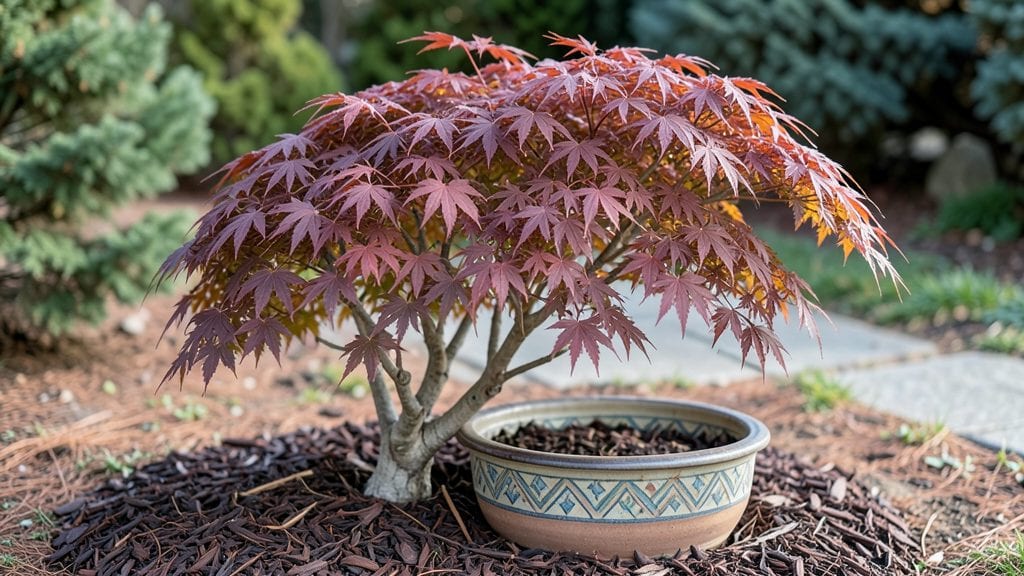
Mini outdoor trees are the secret weapon for small yards—turning tight spaces into lush, private retreats without sacrificing square footage. I learned this the hard way when my first attempt at a privacy screen used full-sized shrubs that crowded my patio.
These compact powerhouses deliver the same impact in a fraction of the space, with some mature in just 3-5 years while others stay manageable for decades.
Picture a 6-foot-tall Japanese maple casting dappled shade over your seating area or a 4-foot olive tree in a pot lining your walkway. The best options include dwarf fruit trees (like columnar apples), ornamental varieties (such as 'Sky Pencil' holly), and even mini evergreens that stay green year-round.
They thrive in containers, along fences, or tucked into corners where larger plants wouldn't fit.
What you get is a garden that feels intentional, not cramped—softening views, adding texture, and creating cozy nooks. A well-placed mini tree frames a doorway beautifully, while clusters of them along a property line replace chain-link with living art.
Maintenance is simple: occasional pruning to shape them and watering that matches their mature size, not their current one.
Perfect for urban balconies, courtyard gardens, or any space where big trees can't go. The key is choosing the right species for your climate and light, then letting them grow into their own natural privacy screens—no fence required. Let's explore the best picks for your space!
📚 In This Guide
- What you need
- Instructions
- Tips and common mistakes
- Wrapping up and next steps
What you need
- ● 1–3 dwarf or compact tree varieties (e.g., Dwarf Alberta Spruce, Japanese Garden Juniper, or Dwarf Lilac—choose based on your climate and design goals). Pro tip: 💡 Opt for slow-growing species to minimize maintenance.
- ● 5–10-gallon containers (per tree) with drainage holes—terracotta, plastic, or fiberglass (e.g., 16–20" diameter for stability).
- ● High-quality potting mix (6–8 bags, moisture-retentive but well-draining, like a blend of peat, perlite, and compost).
- ● Slow-release fertilizer (1–2 bags, balanced NPK 10-10-10 or organic options like fish emulsion).
- ● Mulch (e.g., pine bark or shredded leaves, 1–2 bags) to retain moisture and suppress weeds.
- ● Garden trowel or small shovel (for planting and soil adjustments).
- ● Pruning shears (to shape trees and encourage bushiness).
- ● Watering can or hose with a gentle spray nozzle (avoid over-saturating roots).
- ● Measuring tape (to space trees 3–5 feet apart for a cohesive screen).
- ○ Optional: Decorative pots or planters (for a unified aesthetic), stakes or trellis (if training vines or climbing plants), or soil moisture meter (for precision care).
- ● A sunny to partially shaded spot (check your tree’s light requirements!).
- ● Access to water (dwarf trees need consistent moisture but hate soggy roots).
- ● Basic knowledge of pruning techniques (or willingness to learn—YouTube tutorials help! 🎯).
- ● Patience (mini trees grow slowly but pack a big privacy punch over time!).
How to create a stunning mini outdoor tree privacy screen
Transform tiny spaces into cozy retreats with these clever, space-saving techniques that deliver big privacy payoffs.
Select the Right Dwarf Varieties for Your Space
Choose compact, slow-growing trees like dwarf Alberta spruce, Japanese maple, or columnar hawthorn—these stay under 6-10 feet tall while providing year-round screening. I always check the mature height tag at the nursery because even "dwarf" varieties can outgrow small yards. For instant impact, opt for 3-5 gallon container-grown plants that establish faster than seedlings.
Spacing matters most here. Plant 3-4 feet apart for a solid privacy barrier—closer spacing creates a denser screen but may require more pruning later. If your yard gets full sun, go for drought-tolerant varieties like dwarf blue spruce. For shadier spots, inkberry holly or dwarf fothergilla thrive beautifully. Always match the tree's light requirements to your site.
Prepare the Planting Site Like a Pro
Dig holes twice as wide as the root ball but only as deep—this encourages roots to spread horizontally instead of settling too low. I use the removed soil to create a slight mound in the center of the hole, which prevents water pooling around the roots. For 4 plants, you'll need about 12 cubic feet of amended soil (mix equal parts native soil, compost, and perlite for drainage).
Water the hole thoroughly 24 hours before planting to help roots establish contact with moist soil. If your yard has clay soil, add a 2-inch layer of coarse sand to the bottom of each hole—this prevents root rot by improving drainage. For sandy soil, mix in 1 part peat moss to help retain moisture. The goal is soil that drains well but holds enough water for new roots.
Plant with Precision for Long-Term Stability
Remove the tree from its container and loosen the roots if they're circling—gently tease them apart with your fingers. Place the plant in the hole so the top of the root ball sits 1 inch above ground level. This prevents soil from settling and burying the trunk, which can cause disease. For 4 plants, work quickly to keep roots from drying out.
Backfill with your amended soil mix, tamping lightly every 2 inches to eliminate air pockets. Water immediately after planting to settle the soil and eliminate gaps. I always add a 1-inch layer of mulch (but keep it 3 inches away from the trunk) to conserve moisture and suppress weeds. Water deeply once a week for the first month to encourage root establishment—you'll know you're doing it right when the soil stays moist 2 inches below the surface.
Prune and Shape for Instant Impact
Give your new trees a light haircut right after planting to encourage bushier growth. For evergreens, trim back any brown or leggy branches by one-third to stimulate new growth. For deciduous varieties, prune in late winter when they're dormant—but since we're planting now, just remove any dead wood. Use clean, sharp pruners and make cuts at a 45-degree angle just above a leaf bud.
Shape the trees into a uniform screen by trimming the outer branches to create a slightly tapered silhouette—this makes the screen look intentional, not wild. For 4 plants, spend about 10 minutes per tree shaping. Water again after pruning to help the trees recover. Avoid heavy pruning now; wait until next spring for major shaping when the trees have established stronger root systems.
Maintain for Year-Round Privacy
Water deeply every 7-10 days during the first growing season—1 gallon per tree per watering—until they're fully established. You'll know they're thriving when new growth appears within 4-6 weeks. For evergreens, fertilize in early spring with a slow-release, balanced fertilizer (10-10-10) to encourage dense foliage. For deciduous trees, apply fertilizer in late winter before new leaves emerge.
Prune again in late winter to remove any dead or crossing branches and maintain the screen's shape. Evergreens may need light pruning twice a year—once in early spring and again in mid-summer—to keep them dense. Watch for pests like spider mites (common on new growth) and treat with neem oil if you spot webbing between leaves. With proper care, your mini privacy screen will mature into a lush, living wall within 3-5 years.
Tips & tricks for perfect mini outdoor tree privacy screens
These game-changing tips will help you create a lush, living privacy screen that transforms your small space into a cozy retreat.
Variety Selection: When choosing your dwarf varieties, consider the mature height tag at the nursery—it's the only reliable indicator of how much space they'll need. For example, a "dwarf" Alberta spruce might reach 6 feet tall, while a Japanese maple could stay under 5 feet. I always opt for container-grown plants because they establish faster and have stronger root systems than seedlings. This means you'll see that lush privacy screen developing in just a few seasons instead of years.
Soil Preparation Strategy: The 24-hour pre-watering of your planting holes is absolutely critical. It ensures the roots have a head start in moist soil when you plant. For clay-heavy soil, I've found that adding a 2-inch layer of coarse sand at the bottom of each hole creates a drainage layer that prevents root rot. For sandy soil, mixing in peat moss helps retain moisture without suffocating the roots. Think of it as creating the perfect Goldilocks environment—not too wet, not too dry.
Root Care Technique: When you're loosening circling roots in Step 3, be gentle—you're not trying to tear them apart, just encourage them to spread outward. The goal is to create a natural, healthy root system that will support your trees for years. Also, that 1-inch elevation of the root ball above ground level is non-negotiable. It prevents soil from settling and burying the trunk, which can lead to disease and poor growth. Trust me, this small detail makes all the difference in long-term stability.
Pruning Precision: That light haircut after planting might seem counterintuitive, but it actually stimulates bushier growth. For evergreens, cutting back brown or leggy branches by one-third encourages new growth from the base. When shaping your screen, aim for a slightly tapered silhouette—this creates that intentional, polished look. And remember, those 10 minutes per tree spent shaping now will save you hours of heavy pruning later. It's an investment in beauty and maintenance-free living.
Pro Tips for Mini Outdoor Trees
- These game-changing tips will help you create a lush, living privacy screen that transforms your small space into a cozy retreat.
- Variety Selection: When choosing your dwarf varieties, consider the mature height tag at the nursery—it's the only reliable indicator of how much space they'll need.
- Soil Preparation Strategy: The 24-hour pre-watering of your planting holes is absolutely critical.
Frequently asked questions
Got questions about mini outdoor trees?
You’re not alone! Here are answers to the most common concerns to help you pick the perfect space-saving solution for your yard.
What’s the best mini outdoor tree for fast privacy?
If you want quick results, opt for Bamboo (clumping varieties) or Willow—they grow rapidly (up to 3 feet/year!) and create dense screens. For slower but low-maintenance options, Dwarf Alberta Spruce or Emerald Green Arborvitae are excellent. Just ensure your soil drains well for best growth!
How long does it take for mini trees to provide full privacy?
Most mini outdoor trees take 2–5 years to reach full height and density, depending on the species. Faster growers like Bamboo or Thuja (Arborvitae) may offer partial privacy in 1–2 years, while slower varieties like Dwarf Japanese Garden Juniper take longer. Plan ahead if you need immediate screening!
Do mini outdoor trees need special care compared to full-size trees?
Yes! They often require more frequent watering (especially in the first year) and regular pruning to maintain shape. Use mulch to retain moisture and avoid over-fertilizing—mini trees are sensitive to root burn. Pro tip: Group them in clusters for better wind protection and faster growth!
Can I plant mini outdoor trees in containers or raised beds?
Many mini trees thrive in large containers (15+ gallons) or raised beds, making them ideal for patios, balconies, or small yards. Use well-draining soil and ensure the container has drainage holes. Just be prepared to water more often and fertilize seasonally. Dwarf Citrus or Miniature Olive Trees are great container picks!
What pests or diseases should I watch for with mini outdoor trees?
Common issues include aphids, spider mites, or fungal diseases (like powdery mildew) in humid climates. Preventative care: Inspect leaves weekly, prune for airflow, and avoid overhead watering. For pests, use neem oil or insecticidal soap. Warning: Bamboo can spread aggressively—choose clumping varieties if containment is a concern!
What’s a good alternative if I don’t want to commit to trees?
If trees aren’t your style, consider privacy screens like:
- Bamboo fencing (fast-growing, eco-friendly)
- Lattice panels with climbing vines (e.g., Wisteria or Clematis)
- Trellis systems with evergreen shrubs (like Boxwood or Ivy)
- Decorative screens (wood, metal, or composite)
These options offer instant privacy with less long-term maintenance!
Wrapping up and next steps
Mini outdoor trees are a game-changer for small yards, offering privacy, charm, and low-maintenance beauty without sacrificing space. Whether you’re drawn to dwarf conifers, ornamental grasses, or compact flowering trees, these space-saving solutions prove that big style doesn’t require a big footprint. 🌿
Ready to transform your outdoor space? Start by sketching a simple layout—measure your yard, jot down sun/shade spots, and pick 2-3 trees that match your vision. Then, grab your tools and get planting! Your cozy, stylish retreat is just a few steps away. 🌱✨