
Container Gardens
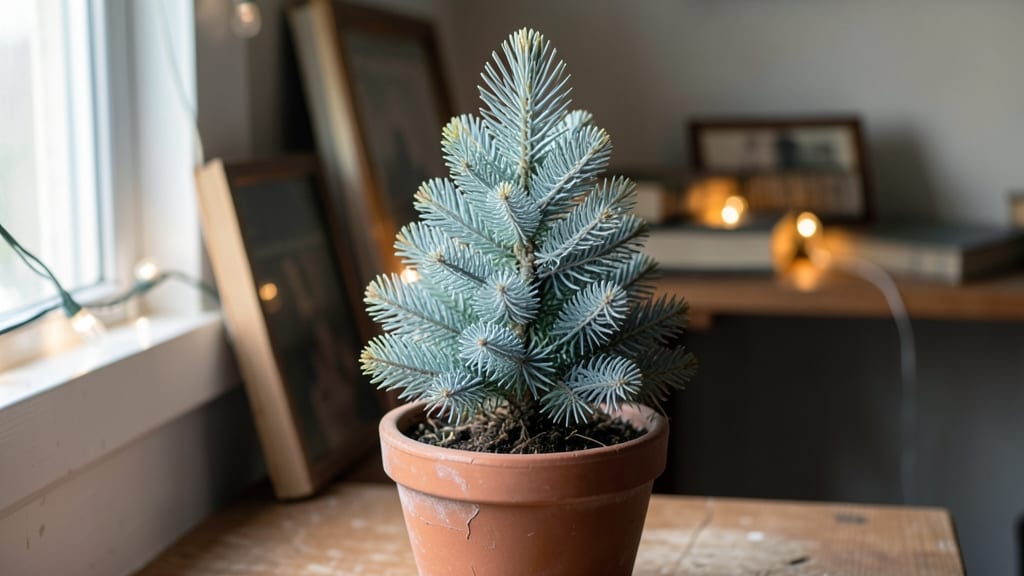
A potted blue spruce Christmas tree brings holiday magic to your porch or patio without the mess of a traditional tree. 🌲 I fell in love with these trees after my first one survived three winters in a container—its silvery-blue needles and sturdy form make it a showstopper year after year.
The key is choosing the right pot and soil mix to keep it healthy through the cold months.
You'll need a 15- to 20-gallon container with drainage holes, a well-draining soil mix (equal parts peat moss, pine bark, and perlite), and a sunny spot that gets at least 6 hours of light daily.
Watering is the trickiest part—blue spruces hate soggy roots, so let the top inch dry out between waterings, but never let it bone-dry. A mulch layer in winter helps protect roots from freezing temperatures.
With proper care, your potted blue spruce will grow 3 to 5 feet tall in a container, keeping its festive shape for years. Prune lightly in late winter to encourage fullness, and fertilize once in early spring with a slow-release evergreen fertilizer.
The best part? You can bring it indoors for the holidays and return it outside afterward—no need to sacrifice beauty for convenience.
Common challenges like root-bound issues or spider mites are easy to fix with the right techniques. I’ll walk you through how to spot problems early and keep your tree thriving, whether you’re using it as a holiday centerpiece or a permanent ornamental. Let’s get started!
📚 In This Guide
- What you need
- Instructions
- Tips and common mistakes
- Wrapping up and next steps
What you need
- ● Blue spruce sapling or small tree: Choose a Picea pungens 'Glauca' variety (1–3 feet tall) from a nursery. Ensure it’s healthy with vibrant blue-green needles.
- ● Large, sturdy container: A whirlpool planter (18–24" diameter) or fiberglass/glazed ceramic pot with drainage holes (minimum 10–12" depth).
- ● High-quality potting mix: A well-draining blend (e.g., 60% peat moss, 20% perlite, 20% coarse sand) or a pre-mixed evergreen/shrub mix.
- ● Drainage layer: 1–2 inches of gravel or expanded shale to prevent root rot.
- ● Slow-release fertilizer: A balanced 10-10-10 or 14-14-14 formula (follow package instructions for dosage).
- ● Watering can with a narrow spout: For deep, even hydration without disturbing the soil.
- ● Pruning shears: Bypass pruners (sharp, clean) for trimming dead branches or shaping.
- ● Gloves: Protect your hands from sap and rough needles.
- ○ Mulch (optional): Pine bark or cedar chips to retain moisture and suppress weeds (apply 1–2" around the base).
- ● Tree support (for windy areas): A stake or bamboo pole + soft ties to prevent toppling.
- ● Holiday decor (seasonal): Mini lights, ornaments, or a weatherproof tree skirt for outdoor displays.
- ○ Soil moisture meter (optional): To monitor root-zone hydration accurately.
Step-by-step guide to cultivating a potted blue spruce Christmas tree
Here’s how to grow a stunning, container-friendly blue spruce that stays lush year after year.
🪴 Step 1: Select the Right Container and Drainage System
Choose a 5-gallon or larger container with drainage holes—blue spruce roots need room to expand and hate soggy feet. I opt for unglazed ceramic or heavy-duty plastic pots because they wick moisture away naturally. If your pot lacks drainage, drill 4-6 holes along the bottom and line the container with landscape fabric to prevent soil loss while allowing water to escape.
For stability, place the pot on castor wheels or a sturdy stand, especially if you plan to move it seasonally. Blue spruce can reach 10-15 feet tall, so a wide base prevents tipping. I always test-fit the pot before planting—if it’s too shallow, the tree’s roots will circle and stunt growth.
🌱 Step 2: Prepare the Soil and Planting Site
Use a well-draining potting mix blended with 20% perlite or coarse sand to mimic the tree’s native rocky soil. Avoid garden soil—it compacts and suffocates roots. I mix 2 parts potting mix with 1 part peat moss and 1 part perlite for optimal aeration. Fill the pot 2/3 full, leaving space for root growth.
Gently remove the blue spruce from its nursery container and loosen the root ball with your fingers. If roots are circling, tease them outward to encourage outward growth. Place the tree in the pot so the root flare (where roots meet the trunk) sits 1 inch below the rim. This prevents water from pooling against the trunk, which causes rot.
💧 Step 3: Water Deeply and Establish a Care Routine
Water immediately after planting until water drains freely from the bottom holes. Blue spruce prefers consistently moist but not soggy soil—I check moisture by sticking my finger 2 inches deep. If it feels dry, water again. Overwatering is the fastest way to kill a potted spruce, so I always let the top 1 inch of soil dry out between waterings.
Place the tree in full sun (at least 6-8 hours daily) for the first month to help it establish strong roots. If your climate is hot, lightly shade it during peak afternoon sun to prevent leaf scorch. Mulch the soil surface with 1-2 inches of pine bark to retain moisture and regulate temperature.
☀️ Step 4: Fertilize and Prune for Long-Term Health
Feed the tree once in early spring with a slow-release, acid-loving plant fertilizer (look for 10-10-10 or 16-4-8). I avoid liquid fertilizers—they can burn tender roots. After fertilizing, water deeply to help nutrients absorb. Repeat in late summer to encourage new growth before winter dormancy.
Prune only to remove dead or damaged branches—blue spruce doesn’t need heavy pruning. If you shape it, cut just above a healthy bud using clean, sharp pruners. Never prune more than 1/3 of the tree’s foliage in one season, or you’ll stress it. I prune in late winter or early spring before new growth begins.
⏰ Step 5: Winterize for Year-Round Survival
Before the first frost, move the pot to a sheltered location (like a garage or covered porch) if temperatures drop below 15°F. Blue spruce can handle cold, but windburn and freezing soil are the real threats. Wrap the pot in burlap or frost cloth for extra protection, leaving the top open for airflow.
Reduce watering in winter—water only when the soil is completely dry (every 3-4 weeks). In spring, resume normal care and repot every 2-3 years if roots are circling or the tree looks root-bound. With proper care, your potted blue spruce will stay vibrant for decades, doubling as a living Christmas tree and year-round ornament.
Tips & tricks for perfect potted blue spruce Christmas trees
Here's what I've learned from years of growing potted blue spruce that stay vibrant through every season.
Container Selection: The 5-gallon minimum size is non-negotiable for blue spruce—roots need room to expand. I've seen shallow pots stunt growth completely. For extra stability with mature trees, add a weighted base or anchor the pot with stakes. The wider the base, the better the balance for those towering 10-15 foot specimens.
Soil Science: That 2/3 full measurement isn't arbitrary—it leaves room for root expansion. For the perfect mix, I blend 2 parts potting mix with 1 part peat moss and 1 part perlite to mimic rocky native soil. Pro tip: Add 1 tablespoon of lime to every 5 gallons of mix to maintain proper pH levels—blue spruce loves slightly acidic soil.
Watering Wisdom: The 2-inch deep moisture check is crucial, but timing matters too. Water in the morning so excess moisture evaporates by evening. I've ruined trees by watering at night—fungal growth thrives in damp conditions overnight. That 1-inch dry topsoil rule prevents both overwatering and root suffocation.
Winter Survival: The 15°F threshold is your guide, but don't wait until the last minute. Move pots indoors or to sheltered locations before the first frost—once roots freeze, even protected trees can suffer. I double-wrap pots in burlap and frost cloth for extra insulation, leaving the top open to prevent moisture buildup that causes rot.
Pro Tips for Blue Spruce Christmas Tree Potted
- Here's what I've learned from years of growing potted blue spruce that stay vibrant through every season.
- Container Selection: The 5-gallon minimum size is non-negotiable for blue spruce—roots need room to expand.
- Soil Science: That 2/3 full measurement isn't arbitrary—it leaves room for root expansion.
Frequently asked questions
Can a potted blue spruce survive indoors year-round?
A blue spruce in a pot can live indoors for short periods (like the holidays), but it thrives outdoors long-term. If you must keep it inside, place it near a bright window, mist the needles weekly, and avoid drafts. For year-round indoor success, invest in a large container (15+ gallons) and a humidifier—just don’t forget to bring it outside in summer for fresh air!
How long can a potted blue spruce live as a Christmas tree?
With proper care, your potted blue spruce can be your holiday centerpiece for 5–10 years or more! The key is gentle pruning after the season (trim brown needles and shape lightly) and fertilizing in early spring. Avoid overwatering—root rot is the #1 killer. Pro tip: Rotate the pot monthly so sunlight reaches all sides evenly!
What’s the best way to water a potted blue spruce during winter?
Blue spruces hate soggy roots but also despise dryness. Water deeply when the top 2–3 inches of soil feel dry (stick your finger in to test!). In winter, reduce watering to every 2–3 weeks unless your home is extremely dry. Use room-temperature water and empty saucers after 10 minutes to prevent root suffocation. Never let it sit in standing water!
Can I reuse my potted blue spruce after buying artificial lights?
Just remove lights immediately after decorating to avoid needle burn. Gently brush off any fallen needles or sap with a soft cloth. If you used heat-producing lights (like incandescent), give the tree a cool-down period (24 hours) before returning it to its spot. For extra safety, opt for LED lights—they’re cooler and safer for your evergreen.
What should I do if my potted blue spruce drops needles?
Needle drop is normal in late fall/winter, but excessive shedding signals stress. Check for:
- Overwatering/underwatering (adjust your routine!)
- Low humidity (place a tray of water nearby or mist lightly)
- Drafts or heat sources (move it away from vents/heaters)
- Pests (inspect for spider mites or aphids)
Wrapping up and next steps
A blue spruce Christmas tree in a pot isn’t just a festive centerpiece—it’s a year-round investment in evergreen beauty and sustainability. 🌲 With the right care, your potted tree will bring joy beyond the holidays, offering shade, texture, and that signature Picea pungens charm for seasons to come.
Whether you’re a first-time grower or a container-gardening pro, the key is patience, proper drainage, and a little seasonal TLC.
Ready to make your blue spruce thrive? Start small—choose your pot, gather supplies, and plant with confidence! Then, share your progress or ask questions in the comments below. Your future holiday hero is just a few steps away. 🌟