
Pruning
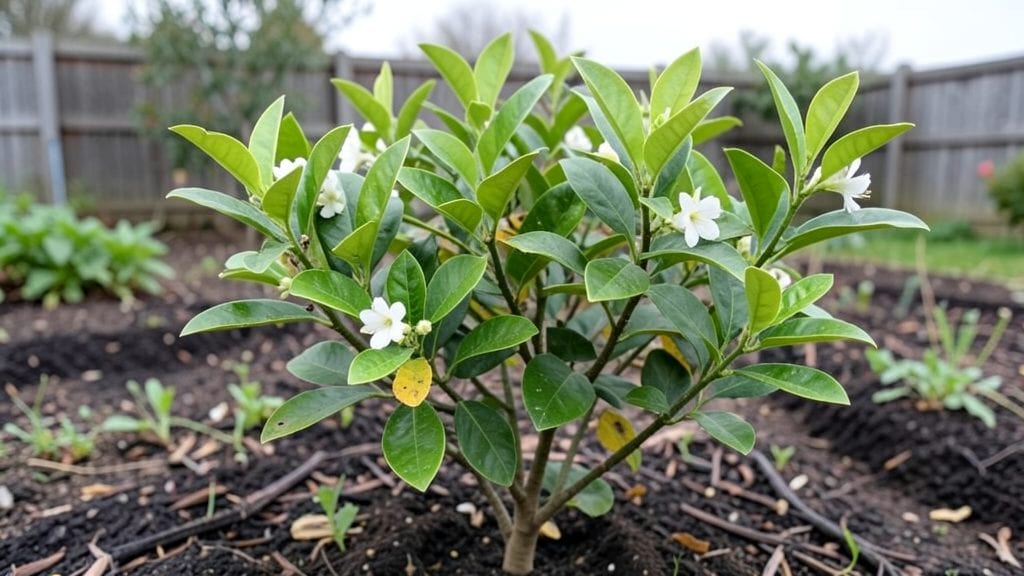
Growing frost-resistant lemon tree seedlings in the Pacific Northwest starts with the right variety and a little patience—your kitchen could soon smell like a Mediterranean orchard. 🌿 The secret isn’t just choosing cold-hardy types like 'Meyer' or 'Improved Meyer'; it’s mimicking their natural Mediterranean climate indoors until they’re strong enough to handle our damp, chilly springs.
I’ve watched seedlings that looked like sad sticks in February burst into leafy growth by May, and with the right care, yours can too.
The first year is all about baby steps: 6-8 hours of bright light daily, well-draining soil (think 60% potting mix, 30% perlite, 10% compost), and watering only when the top inch feels dry.
Overwatering is the #1 killer—root rot turns a promising seedling into a mushy mess faster than you can say "zest." Start with 3-inch pots for seeds or 1-gallon containers for nursery starts, and avoid drafts near windows or doors where cold air sneaks in.
By summer, your seedlings will reward you with shiny, dark green leaves and maybe even a few tiny blossoms (don’t pick them—they’re sapping energy).
The real magic happens when you gradually harden them off: move them outside for 2 hours the first week, then 4 hours the next, always in morning sunlight. A lightweight row cover on frost nights can buy you another month of growth before winter hits.
Here’s the kicker: even in our rainy climate, these trees can live 10+ years indoors with proper care—or thrive in a sheltered patio spot if you’re in Zone 8 or warmer.
The key is consistency: no sudden temperature swings, regular pruning to encourage bushiness, and patience while they build roots. Next up, we’ll tackle the tools and timeline for your first harvest-worthy tree.
📚 In This Guide
- What you need
- Instructions
- Tips and common mistakes
- Wrapping up and next steps
What you need
- ● Lemon tree seeds or seedlings: 3–5 frost-resistant varieties (e.g., Citrus × limon ‘Meyer’ or Citrus × limon ‘Ponderosa’). Start with 1–2 extra in case of germination failure.
- ● Containers: 5–10 gallon pots (or larger) with drainage holes. Use fabric grow bags for flexibility.
- ● Well-draining potting mix: 5–10 gallons of a blend like 60% cactus/succulent mix, 30% perlite, and 10% compost.
- ● Frost cloth or row covers: 1–2 heavyweight (3.5 oz/yd²) covers for seedlings (10’x10’ minimum).
- ○ Heat mat or greenhouse: Optional but critical for early growth (1–2 mats for seed-starting trays).
- ● Pruning shears: Sharp, sterilized shears (for trimming new growth).
- ● Spray bottle: For misting seedlings (16 oz with fine mist nozzle).
- ● Thermometer/hygrometer: To monitor temperature (50–85°F ideal) and humidity (40–60%).
- ● Gloves & kneeling pad: For comfort during planting/pruning.
- ● pH test kit: To check soil acidity (aim for 6.0–7.0).
- ● Sunlight: South-facing window or grow lights (12–14 hours/day).
- ● Water source: Soft, room-temperature water (avoid tap water if high in chlorine/fluoride).
- ● Patience: Seedlings take 6–12 months to mature enough for frost exposure.
- ● Backup plan: A greenhouse or indoor space for winter relocation.
Step-by-step guide to growing frost-resistant lemon tree seedlings
Here’s the method I’ve used for years to grow hardy lemon trees that thrive in the Pacific Northwest’s cooler climate.
🌱 Step 1: Select and Prepare Frost-Tolerant Seeds
Start with seeds from cold-hardy varieties like ‘Meyer’ lemon or ‘Ponderosa’ lemon, which handle temperatures down to 20°F once established. Remove seeds from fresh fruit, rinse off the pulp, and let them dry for 24 hours on a paper towel. This prevents mold and prepares them for planting.
Soak the seeds in warm water for 12 hours before planting—this softens the outer coating and speeds up germination. I use a small glass of water and a mesh bag to keep them contained. The goal is to break dormancy without overhydrating, which can rot the seeds.
🪴 Step 2: Plant in Well-Draining, Acidic Soil Mix
Fill 4-inch pots with a mix of 50% potting soil, 30% perlite, and 20% peat moss to replicate the well-draining conditions citrus trees love. The acidity should sit around pH 6.0–6.5—test your soil if unsure. Press the mix lightly into the pot to remove air pockets, then create a ½-inch deep planting hole with your finger.
Place 1–2 seeds per pot (just in case) at the correct depth—¼ inch below soil level. Cover them with a thin layer of the mix and mist gently with water until the surface looks damp but not soggy. Overwatering here can smother seeds before they sprout.
☀️ Step 3: Provide Warmth and Indirect Light for Germination
Place the pots in a warm location (ideally 75–85°F) like on top of a refrigerator or under a seedling heat mat. Lemon seeds germinate best in warmth, and this mimics their natural tropical environment. Keep the soil consistently moist—not wet—by checking the top inch daily. If it feels dry, water lightly.
Once sprouts appear (7–14 days), move them to a bright, indirect light spot. Avoid direct sun at this stage—young seedlings burn easily. A south-facing window with sheer curtains works well. You’ll know they’re getting enough light when the first true leaves (not the initial seed leaves) are bright green and sturdy.
💧 Step 4: Harden Off and Transition to Outdoor Conditions
After 4–6 weeks, when seedlings have 3–4 sets of true leaves, start hardening them off. Begin by placing them outside in a sheltered spot (like a patio or garage) for 1–2 hours the first day. Gradually increase exposure over 10–14 days, ending with full sun by day 7.
During this time, water only when the top 1–2 inches of soil feel dry. Overwatering now can weaken roots before they adapt to outdoor conditions. If frost is forecast, bring seedlings back inside or cover them with a frost cloth—even young trees can handle brief dips to 25°F if acclimated slowly.
⏰ Step 5: Transplant and Protect for Long-Term Frost Resistance
Once seedlings are 6–8 inches tall and the last frost has passed, transplant them into larger containers (at least 12 inches deep) or directly into the ground in a sheltered microclimate (like near a south-facing wall). Bury the pot ½ inch deeper than before to stabilize the stem—this helps prevent wind damage.
Mulch heavily with 2–3 inches of wood chips to insulate roots in winter. In the PNW, young trees benefit from a winter wrap of burlap or frost cloth during the first 2–3 years. Prune lightly in early spring to encourage bushier growth, and fertilize with a citrus-specific formula in early summer.
Tips & tricks for growing Pacific Northwest frost-resistant lemon trees
Here's what I've learned after years of growing lemon trees that actually thrive in our chilly Pacific Northwest winters.
Seed Selection: The 24-hour drying time for seeds is non-negotiable—this critical step prevents mold that can kill your seedlings before they even sprout. I've ruined batches by skipping this, so trust me on this. For extra insurance, sprinkle a tiny bit of cinnamon on the drying towel (it's antifungal and won't harm the seeds).
Warmth Strategy: That 75-85°F range for germination is your sweet spot—any cooler and you'll wait weeks, any hotter and you risk overstressing the seeds. I use a seedling heat mat set to 80°F and place it under the pots. If you don't have one, a warm spot on top of your fridge works surprisingly well (just monitor with your hand—it should feel warm but not hot).
Light Transition: When moving seedlings to indirect light after 7-14 days, start with just 2 hours of morning sun through sheer curtains. The key is gradual adaptation—think of it like sun protection for your delicate seedlings. I've seen many burn completely when moved too quickly to full sun.
Hardening Off: The 10-14 day hardening process is where most people fail. I recommend keeping a journal of your daily exposure times—start with 1-2 hours on day 1, then add 30 minutes each subsequent day. This slow progression builds resilience against our unpredictable PNW weather patterns.
Pro Tips for Lemon Tree Seedlings
- Here's what I've learned after years of growing lemon trees that actually thrive in our chilly Pacific Northwest winters.
- Seed Selection: The 24-hour drying time for seeds is non-negotiable—this critical step prevents mold that can kill your seedlings before they even sprout.
- Warmth Strategy: That 75-85°F range for germination is your sweet spot—any cooler and you'll wait weeks, any hotter and you risk overstressing the seeds.
Frequently asked questions
Got questions about growing lemon tree seedlings in the Pacific Northwest?
You’re not alone! Here are answers to the most common concerns—from frost prep to troubleshooting—so you can nurture thriving citrus even in cooler climates.
Can lemon tree seedlings survive PNW winters without extra protection?
Most standard lemon seedlings (Citrus × limon) aren’t frost-hardy and will need winter care. However, frost-resistant varieties like ‘Meyer’ or ‘Ponderosa’ can tolerate brief dips to 20–25°F with proper mulching and shelter. For extreme winters, container-grown seedlings move indoors or under a frost cloth.
How long does it take for lemon tree seedlings to bear fruit?
Patience is key! Seed-grown lemon trees typically take 3–5 years to bear fruit, while grafted seedlings may fruit in 2–3 years. In the PNW’s cooler climate, expect delays—focus on winter protection, sunlight (6+ hours/day), and consistent watering to speed up maturity.
What’s the best time to plant lemon tree seedlings in the PNW?
Plant seedlings in early spring (April–May) after the last frost risk has passed. Avoid late fall planting—young roots struggle to establish before winter. If using containers, start 6–8 weeks before the last frost to harden off seedlings gradually.
Why are my lemon tree seedlings’ leaves turning yellow?
Yellowing leaves often signal overwatering, nutrient deficiency, or root stress. Check soil moisture (top inch should be dry), ensure well-draining soil, and fertilize with citrus-specific food (high in iron/zinc). Container plants may need repotting if roots are circling.
Can I grow lemon trees from grocery store seeds, or should I buy seedlings?
While possible, grocery store seeds (usually from hybrids) may not yield true lemon trees—expect unpredictable fruit quality or sterility. For reliable results, buy grafted seedlings from nurseries specializing in citrus. They’re faster-growing and disease-resistant.
What’s the quickest way to protect seedlings from PNW frosts?
Layer mulch (4–6 inches of straw or wood chips) around the base, cover with frost cloth, and wrap the trunk with burlap. For containers, move them to a garage or sunroom before temps drop below 30°F. A heat lamp or string lights can add warmth in critical spots.
Wrapping up and next steps
Growing frost-resistant lemon tree seedlings in the Pacific Northwest is totally doable with the right care and patience! 🌱 By choosing cold-hardy varieties, providing proper shelter, and following smart pruning techniques, you’ll set your citrus trees up for long-term success.
Remember, consistency is key—whether it’s monitoring soil health, protecting from frost, or shaping your tree for optimal growth.
Now that you’re armed with this blueprint, why not take the next step? Start small—plant your first seedling this season and watch it thrive! Share your progress with fellow gardeners or dive deeper into advanced pruning tips to keep your lemon tree flourishing year after year. Happy growing! 🍋✨