Propagation
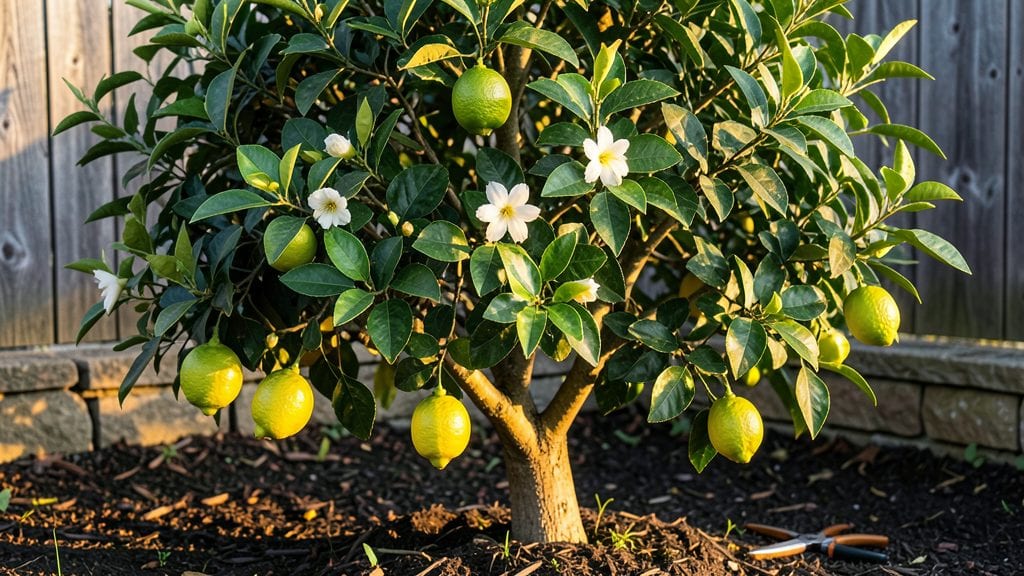
Growing a lemon tree from lemon seeds turns that grocery store pit into a sunlit promise—though it’ll take real patience. 🌱 I’ve watched kitchen scraps sprout into 6-foot-tall citrus trees that fill my kitchen with fragrance, even if they won’t bear fruit for years.
The magic starts with the right soil, light, and a little stubbornness.
You’ll need just three supplies: a seed from an organic lemon, a small pot with drainage, and a sunny windowsill or grow light. The trickiest part is waiting—seedlings grow slow, but with consistent moisture and bright light, you’ll see green shoots in 2-4 weeks.
Most people quit here, but that’s when the real adventure begins.
By month 6, you’ll have a lush, leafy tree that needs pruning and a bigger pot. It won’t produce fruit for 3-5 years, but the journey is worth it—imagine that first real lemon, grown from a seed you saved. The fragrance alone makes it all worthwhile.
This works anywhere with sunlight, from city apartments to sunny porches. Just don’t expect speed—citrus trees are marathon runners, not sprinters. Ready to start?
📚 In This Guide
- What you need
- Instructions
- Tips and common mistakes
- Wrapping up and next steps
What you need
- ● Lemon seeds: 3–5 fresh, plump seeds (harvested from organic or pesticide-free lemons for best results).
- ● Seed-starting soil: A lightweight, well-draining mix (e.g., 50% peat moss or coco coir + 50% perlite or vermiculite). Approx. 1–2 cups per seedling.
- ● Small pots or seed trays: 2–4 inch diameter pots with drainage holes (or biodegradable peat pots).
- ● Spray bottle: For gentle watering (avoid over-saturating seeds).
- ● Plastic wrap or clear lid: To create a mini greenhouse effect and retain humidity.
- ● Grow lights or sunny windowsill: A south-facing window (6+ hours of sunlight) or a LED grow light (12–16 hours/day).
- ● Fertilizer: A balanced, water-soluble fertilizer (5-5-5 or 10-10-10) once seedlings sprout (diluted to half-strength).
- ● Heating mat: Keeps soil warm (70–80°F) to speed up germination (especially useful in cooler climates).
- ● Humidity dome: Pre-made plastic domes for trays to maintain moisture.
- ● pH testing kit: Ensures soil pH is between 6.0–7.0 (ideal for citrus).
- ● Citrus-specific fertilizer: Like Miracle-Gro Citrus & Palm Food for faster growth.
- ● Support stake or trellis: For young trees as they grow taller (3–6 months in).
Step-by-step instructions for growing a lemon tree from seeds
Here’s how to transform a kitchen lemon into a thriving citrus tree with patience and precision.
🌱 Step 1: Extract and Prepare the Seeds
Start with a fresh, organic lemon—conventional lemons are often treated with wax that can inhibit germination. Cut the lemon in half and scoop out the seeds, removing any pulp clinging to them. Rinse the seeds thoroughly under cool water to remove all residue, then lay them on a paper towel to air-dry for 12-24 hours.
The drying step prevents mold and ensures the seeds don’t rot in damp soil. You’ll know they’re ready when the outer skins feel slightly papery to the touch. Store them in a sealed container until planting—seeds lose viability quickly, so work with them within 1-2 weeks.
💧 Step 2: Plant the Seeds in Moistened Soil
Fill a small pot (at least 4 inches deep) with a well-draining potting mix—avoid garden soil, which can compact and suffocate roots. Moisten the mix until it’s damp but not soggy, then plant the seeds about ½ inch deep. Space them 1 inch apart to allow room for growth.
Cover the pot with plastic wrap or a humidity dome to retain moisture and warmth. Place it in a warm spot (around 70-75°F) with indirect light—direct sun can overheat the seeds. Germination takes 2-4 weeks, so be patient. You’ll see tiny sprouts push through the soil first, followed by the first true leaves.
☀️ Step 3: Transplant and Provide Optimal Light
Once seedlings have 2-3 sets of true leaves (about 3-4 weeks), transplant them into individual 6-inch pots with fresh potting mix. Handle the seedlings gently—their roots are delicate. Place the pots in a bright location with 6-8 hours of indirect sunlight daily.
If you notice the seedlings stretching toward the light (a sign of legginess), move them closer to the window or supplement with a grow light. Overwatering is the biggest risk at this stage—wait until the top inch of soil feels dry before watering again. Yellowing leaves signal overwatering; brown edges mean the air is too dry.
🪴 Step 4: Prune and Encourage Bushier Growth
When the seedlings reach 6-8 inches tall, pinch off the top set of leaves to encourage branching. This redirects energy to lateral growth, creating a fuller, more stable tree. Use clean, sharp scissors to make the cut just above a leaf node—this is where new branches will form.
Continue pruning regularly to maintain shape and remove any leggy or weak growth. By 6 months, your lemon tree should have a sturdy trunk and multiple branches. At this stage, you can fertilize lightly with a balanced citrus fertilizer (half-strength) to support growth without overwhelming the young roots.
⏰ Step 5: Transition to Outdoor Conditions
After 6 months of indoor growth, if you live in a warm climate (USDA zones 9-11), you can gradually acclimate the tree to outdoor conditions. Start by placing it in a sheltered spot for 1-2 hours daily, then increase exposure over 2 weeks. Avoid direct afternoon sun initially—it can scorch tender leaves.
Once fully outdoors, protect the tree from frost and strong winds. Lemon trees thrive in full sun and warm temperatures (65-85°F). If you’re in a cooler climate, keep the tree indoors near a sunny window or under grow lights until spring. Patience is key—fruit production can take 3-5 years, but the journey is rewarding.
Tips & tricks for growing a lemon tree from seeds
A thriving lemon tree starts with these essential insights that turn kitchen scraps into a lush citrus plant.
Seed Selection: Not all lemons produce viable seeds—choose plump, organic lemons with seeds that feel firm and heavy. If you're unsure, cut open the lemon and inspect the seeds: they should be white and fully formed, not shriveled or discolored. I've learned this the hard way after planting seeds from store-bought lemons that yielded nothing but disappointment.
Germination Conditions: Maintain consistent warmth (around 70-75°F) and humidity during the 2-4 week germination period. I use a seedling heat mat under the pot and a clear plastic bag to trap moisture, which mimics tropical conditions. Remove the bag daily for 10 minutes to prevent mold—fuzzy white spots mean it's time to air it out more frequently.
Light Management: The 6-8 hours of indirect sunlight in Step 3 is crucial—direct sun can scorch tender seedlings. Place your tree near an east-facing window where it gets gentle morning light. If you notice leaves stretching toward the light (a condition called etiolation), rotate the pot daily for even growth. A grow light on a timer works well too.
Pruning Strategy: When pinching back the top set of leaves at 6-8 inches, make your cuts just above a leaf node where new branches will emerge. I always sterilize my scissors with rubbing alcohol between cuts to prevent disease spread. This technique creates a bushier tree and stronger structure for future fruit production.
Pro Tips for Lemon Tree From Lemon Seeds
- A thriving lemon tree starts with these essential insights that turn kitchen scraps into a lush citrus plant.
- Seed Selection: Not all lemons produce viable seeds—choose plump, organic lemons with seeds that feel firm and heavy.
- Germination Conditions: Maintain consistent warmth (around 70-75°F) and humidity during the 2-4 week germination period.
Frequently asked questions
Got questions about growing a lemon tree from seeds? You’re not alone! Here are answers to the most common concerns—so you can skip the guesswork and focus on nurturing your future citrus treasure.
How long does it take for a lemon seed to sprout?
A lemon seed typically sprouts in 2–4 weeks if kept warm (70–80°F) and moist. Patience is key—some seeds may take up to 6 weeks, especially if stored improperly. Keep the soil consistently damp (not soggy) and place the pot in a bright, indirect-light spot to encourage germination.
Will my lemon tree from seeds produce real lemons?
Probably not! Seed-grown lemon trees are highly unlikely to bear fruit identical to the parent plant. They often produce small, bitter, or seed-filled "lemonettes" instead. For true lemons, grafted trees or nursery-bought varieties are your best bet—but growing from seeds is still a rewarding hobby!
How fast does a lemon tree grow from seed?
Growth varies, but expect slow progress at first. Seedlings may grow just 1–2 inches per month in their first year. With proper care (sunlight, water, and fertilizer), they can reach 3–6 feet tall in 3–5 years. Dwarf varieties grow faster—ideal for containers!
Why is my lemon seedling wilting or turning yellow?
Yellowing leaves or wilting often signals overwatering, underwatering, or poor drainage. Check the soil—it should be moist but not waterlogged. Ensure the pot has drainage holes and avoid cold drafts. If leaves curl or drop, it may also need more sunlight (aim for 6+ hours daily).
Can I grow a lemon tree indoors from seed?
Lemon trees thrive indoors with bright, indirect light (south-facing windows are ideal). Use a 4–6 inch pot with well-draining soil and rotate the plant weekly for even growth. In winter, supplement with a grow light if natural light is scarce. Just avoid cold drafts!
Pro Tip:
Want to boost your seedling’s chances? Start with organic seeds (from fresh, pesticide-free lemons) and use a seed-starting mix for faster germination. Plus, prune leggy growth early to encourage bushier, stronger stems!
Wrapping up and next steps
Growing a lemon tree from a single seed is a rewarding journey that turns your kitchen scraps into a thriving citrus treasure! 🌱 With patience, the right care, and a dash of love, you’ll soon enjoy fresh lemons—and maybe even share the magic with friends. Ready to take the next step? Once your seedling sprouts, transplant it into a pot and keep nurturing it.
Who knows? In a few years, you could be harvesting your own homegrown lemons! 🍋✨