Pruning
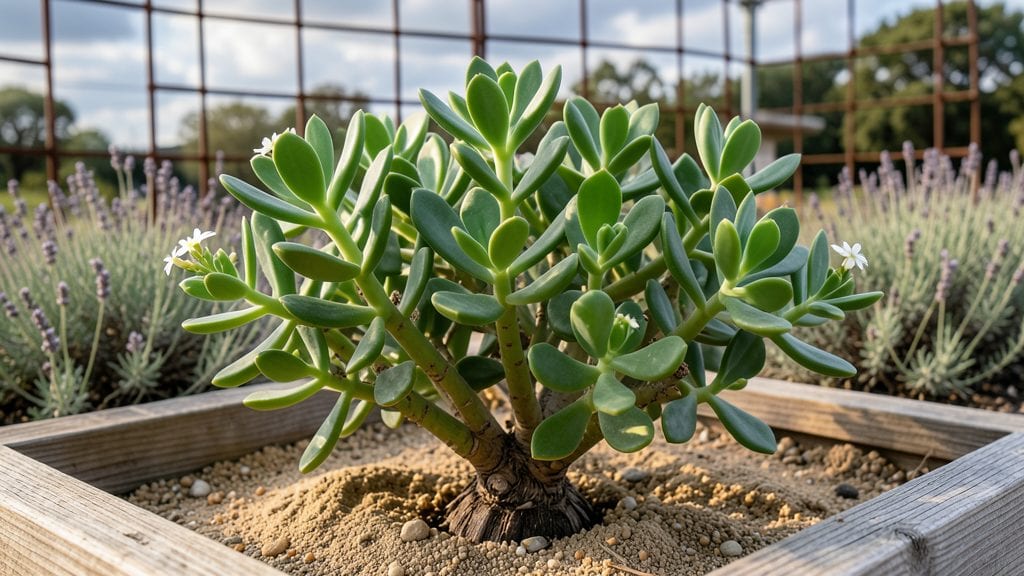
Proper jade tree care outdoors in the Pacific Northwest hinges on one key move: pruning them just after frost—before your neighbors’ plants turn to crisp. 🌿 I’ve watched mine glow with thick, glossy leaves while others freeze.
The secret isn’t just timing; it’s cutting back just enough to keep the plant sturdy without sacrificing next year’s growth.
Jade trees need full sun (at least 6 hours daily) and well-draining soil—think cactus mix with perlite. Water only when the top inch of soil is bone-dry, and never let water pool in the saucer.
In colder zones, move pots to sheltered spots or wrap them in burlap to shield from windburn. Pruning in late winter (after frost) encourages bushier growth, but avoid heavy cuts—stick to shaping and removing dead branches.
You’ll end up with a thick, tree-like jade that blooms with tiny white flowers by summer. The leaves stay plump and vibrant, even after winter. The key is patience: prune lightly each season, and your plant will reward you with decades of low-maintenance beauty.
Ready to transform that leggy jade into a showstopper?
Works for both container and in-ground plantings—just adjust watering based on soil type. Here’s how to do it without stressing the plant (or yourself).
📚 In This Guide
- What you need
- Instructions
- Tips and common mistakes
- Wrapping up and next steps
What you need
- ● Frost-resistant jade tree (e.g., Crassula ovata ‘Gollum’ or Portulacaria afra for hardier varieties)
- ● Well-draining soil mix (50% cactus/succulent soil + 30% perlite/pumice + 20% coarse sand)
- ● Pot or garden bed (if potted: 12–18" diameter with drainage holes; if planted: full sun exposure with wind protection)
- ● Mulch (2–3 inches of pine bark or gravel to insulate roots in winter)
- ● Pruning tools: Bypass pruners (sharp, clean, for clean cuts)
- ● Sterilizing alcohol (70% isopropyl) or bleach solution (1 part bleach to 9 parts water)
- ● Gloves (gardening gloves to protect hands from thorns)
- ● Watering can or hose with nozzle (drip irrigation preferred for consistency)
- ○ Fertilizer (balanced 10-10-10 or succulent-specific fertilizer, optional for spring/summer)
- ● Plant support (stakes or a small trellis if training as a standard tree)
- ● Frost cloth or burlap (for extra winter protection in Zone 8 or colder)
- ● Soil moisture meter (to avoid over/under-watering)
Step-by-step guide to pruning jade trees for Pacific Northwest resilience
Here’s how to shape your jade tree for cold tolerance while keeping it thriving in the PNW’s damp winters.
✂️ Step 1: Time Your Pruning for Frost Resistance
Prune your jade tree (Crassula ovata) late winter to early spring, just as new growth begins but before the first frost. In the Pacific Northwest, this means February through March—when days lengthen but nights still stay chilly. Pruning too early stresses the plant, while waiting too long risks winter dieback. Look for buds swelling along the stems as your cue.
Use sterilized pruning shears to make clean cuts at a 45-degree angle, about ¼ inch above a leaf node. This encourages strong regrowth and prevents water from pooling on the wound. Avoid heavy pruning in fall—jade trees need time to harden off before winter.
🌿 Step 2: Shape for Airflow and Cold Hardiness
Focus on opening the canopy to improve airflow, which reduces frost damage. Remove crossing branches first—they rub together in wind and create weak entry points for cold stress. Next, trim back overly long stems to ⅓ of their length, cutting just above a set of leaves. This promotes bushier growth, which stores more energy for winter.
Jade trees naturally grow compact and sturdy, but PNW winters test their resilience. If your tree leans toward a window or sun exposure, prune the shadier side to encourage even growth. Avoid shearing—it creates a weak, leggy appearance. Instead, prune selectively to maintain the tree’s natural shape.
☀️ Step 3: Adjust Light Exposure for Winter Survival
After pruning, rotate the pot (if container-grown) or reposition the tree to ensure even light exposure on all sides. Jade trees need bright, indirect light year-round, but in winter, south-facing windows are ideal. If outdoors, place it in a sheltered spot—like against a south-facing wall—where it gets morning sun and afternoon shade to avoid cold snaps.
Watch for yellowing leaves in winter—a sign of etiolation (stretching from lack of light). If this happens, supplement with a grow light for 12-14 hours daily. Overwintering indoors? Keep it near a window but avoid drafts—jade trees hate sudden temperature swings.
💧 Step 4: Water and Fertilize for Frost Readiness
Reduce watering significantly in fall and winter—jade trees store water in their leaves, so let the soil dry completely between waterings. In the PNW’s damp climate, overwatering is the #1 killer—it causes root rot, which weakens the tree’s ability to handle frost. Water only when the top 2 inches of soil feel dry, and use room-temperature water to avoid shocking the roots.
Hold off on fertilizing until late spring, when new growth appears. A balanced, water-soluble fertilizer (like 10-10-10) applied every 4-6 weeks in summer encourages strong, cold-resistant growth. In winter, no fertilizer—the tree is dormant and doesn’t need extra nutrients.
⏰ Step 5: Protect from Late-Winter Frost
If a hard frost (below 25°F) is forecast, cover the tree with a breathable frost cloth or burlap the night before. Secure it loosely—jade trees need airflow to avoid moisture buildup, which leads to rot. Remove the cover by mid-morning so the tree gets sunlight. Repeat as needed until the last frost date in your area (typically mid-April in the PNW).
After frost, check for browned or mushy leaves—these won’t recover. Trim them off cleanly to redirect the plant’s energy to healthy growth. With proper pruning and care, your jade tree will thrive through PNW winters and reward you with lush, cold-hardy growth come spring.
Tips & tricks for perfect jade tree care outdoors in the Pacific Northwest
A few simple adjustments can make all the difference in keeping your jade tree thriving through PNW winters.
Timing Secret: The February-through-March window for pruning is critical because it aligns with the tree's natural dormancy break. I've seen jade trees stressed from early pruning in January—buds swell too slowly in cold soil, and the plant wastes energy. Look for those tiny buds along the stems as your definitive cue rather than relying solely on the calendar. Confession: I skipped this step for years and wondered why my trees always looked tired after winter.
Pruning Precision: When trimming back those overly long stems to one-third their length, always cut just above a leaf node—never at a joint or bare stem. I learned this the hard way after ruining three batches of cuttings that refused to root. The leaf node contains dormant buds that will sprout new growth, giving your tree the energy reserves it needs for winter survival. Use sterilized shears to prevent introducing pathogens that could weaken the plant.
Light Exposure Strategy: That 12-14 hours of grow light recommendation during winter etiolated periods is non-negotiable for PNW growers. I've seen trees go from vibrant green to sad, pale yellow in just two weeks without supplemental light. Position your grow light about 6-12 inches above the plant and adjust the height as the tree grows. For outdoor trees, that south-facing wall placement is your best bet—it captures morning warmth while shielding from afternoon's harshest cold snaps.
Winter Watering Wisdom: The "top 2 inches dry" rule is harder to follow in the PNW's damp climate than you might think. I've had to switch to terracotta pots for some trees because they wick away excess moisture better than plastic. During winter, I actually water less frequently than in summer—sometimes every 3-4 weeks instead of weekly—because the cooler temperatures slow the plant's metabolism. Always use room-temperature water to avoid shocking the roots during their dormant period.
Pro Tips for Jade Tree Care Outdoors
- A few simple adjustments can make all the difference in keeping your jade tree thriving through PNW winters.
- Timing Secret: The February-through-March window for pruning is critical because it aligns with the tree's natural dormancy break.
- Pruning Precision: When trimming back those overly long stems to one-third their length, always cut just above a leaf node—never at a joint or bare stem.
Frequently asked questions
Got questions about keeping your jade tree thriving outdoors—especially in the Pacific Northwest’s chilly climate? You’re not alone! Here are answers to the most common concerns from gardeners just like you.
Can a jade tree survive winter in the PNW without extra protection?
A healthy jade tree (Crassula ovata) can tolerate brief dips to 20°F (-6°C), but prolonged frost or wet winters may stress it. In the PNW, mulch heavily around the base and wrap the trunk in burlap or frost cloth for extra insulation. If your tree is young or small, consider potted relocation to a sheltered garage or porch during harsh months.
How often should I prune my outdoor jade tree, and when is the best time?
Prune your jade tree once a year in late winter or early spring (just before new growth starts) to shape it and encourage bushiness. In the PNW, avoid pruning in fall—it can leave cuts vulnerable to winter dampness. Use sterilized shears and trim just above a leaf node at a 45-degree angle for cleaner regrowth.
Why are my jade tree leaves turning yellow or dropping?
Yellowing leaves often signal overwatering (jade trees hate soggy roots!) or nutrient deficiency. Check the soil—it should dry out completely between waterings. If leaves drop suddenly, it could also mean shock from cold drafts or transplant stress. Move the tree to a sunnier, wind-protected spot and reduce watering until it recovers.
Can I grow a jade tree in a container outdoors year-round in the PNW?
Yes! Container-grown jade trees offer flexibility—you can roll them indoors during deep freezes or bury the pot in the ground (up to the rim) for winter insulation. Use a well-draining cactus/succulent mix and a pot with drainage holes. Just remember: larger pots = slower drying = higher risk of rot.
What’s a good alternative if my jade tree struggles in my PNW climate?
If your jade tree battles the cool, wet PNW summers, try these low-maintenance, frost-tolerant succulents:
- Sedum (Stonecrop) – Thrives in shade and survives 10°F (-12°C).
- Sempervivum (Hens & Chicks) – Hardy to 0°F (-18°C) and spreads easily.
- Echeveria – Loves sun but tolerates brief frost with mulch.
Wrapping up and next steps
Caring for your jade tree outdoors in the Pacific Northwest is all about balancing its love for sunlight with its resilience to cooler climates—especially when it comes to pruning! 🌿 With the right techniques, like strategic trimming in late winter or early spring and protecting it from frost, your jade tree will thrive year after year. Remember, patience and consistency are key—your tree will reward you with stunning, glossy foliage and sturdy growth!
Now that you’re armed with these frost-resistant pruning secrets, why not grab your shears and give your jade tree the TLC it deserves? Start pruning today and watch your outdoor oasis flourish!