
Size
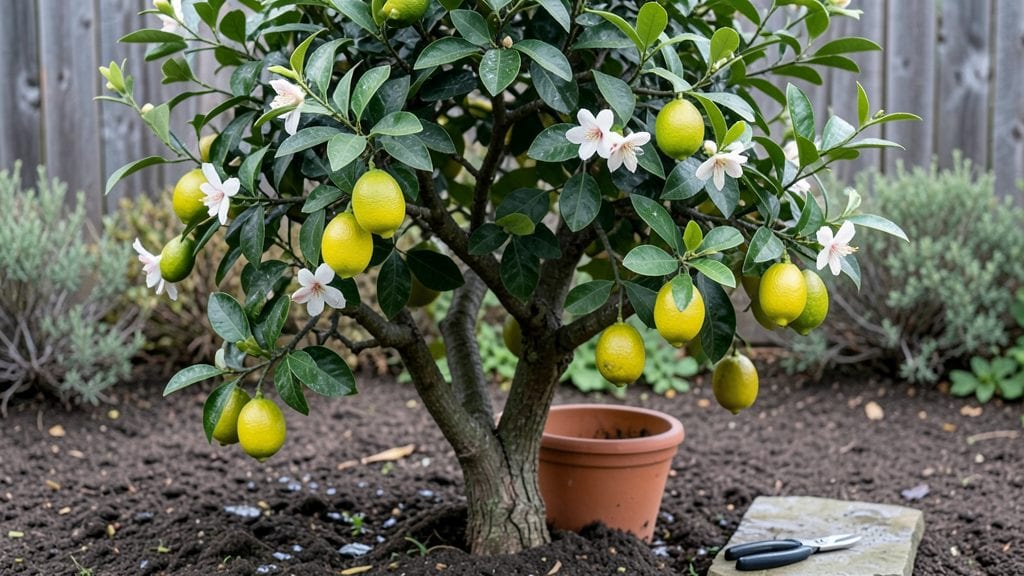
Growing lemon trees from seed to fruit is simpler than you think—especially when you start with the right variety in a sunny spot. 🌿 I’ve watched my Meyer lemon tree produce fruit indoors, proving that even small spaces can yield sweet, juicy lemons with just a few key adjustments.
The secret lies in mimicking its Mediterranean roots: bright light, well-draining soil, and consistent care that keeps it happy year-round.
You’ll need a dwarf variety like Meyer or Eureka, a 15-gallon container with drainage holes, and a mix of potting soil and perlite to prevent soggy roots. Place it where it gets 6+ hours of sunlight daily—a south-facing window or balcony works perfectly.
Water when the top inch of soil feels dry, but avoid letting it sit in water, which causes root rot. Prune lightly after harvest to encourage bushier growth and better air circulation.
By next summer, you’ll be harvesting bright yellow lemons that taste sweeter than store-bought. The first fruits might be small, but with patience, your tree will reward you with a steady harvest.
Plus, the glossy leaves and fragrant blossoms make it a stunning houseplant even when it’s not fruiting. The best part? You’ll never buy lemons again once you taste homegrown.
Whether you’re growing in a sunny kitchen or a sheltered patio, lemon trees adapt well to containers. Just watch for pests like spider mites and scale, and protect young trees from frost. With the right care, your citrus tree could live—and produce—for decades. Ready to get started?
📚 In This Guide
- What you need
- Instructions
- Tips and common mistakes
- Wrapping up and next steps
What you need
- ● Lemon Tree Seedling or Bare-Root Plant: 1 dwarf or standard lemon tree (e.g., Meyer lemon, Eureka lemon, or Lisbon lemon)
- ● Check for healthy roots (no browning or mushy spots) and vibrant green leaves.
- ● Container (if growing indoors or in small spaces): 1 large pot (12–18 inches in diameter) with drainage holes
- ○ Optional: Self-watering container for convenience.
- ● Well-Draining Soil: 5–10 gallons of citrus-specific potting mix or a blend of: 60% peat moss or coconut coir
- ● 30% perlite or coarse sand
- ● 10% compost or worm castings
- ● Fertilizer: Balanced citrus fertilizer (e.g., 6-6-6 or 8-3-9 NPK ratio)
- ● Slow-release granules or liquid feed (follow package instructions).
- ● Watering Can or Hose: 1 with a gentle spray nozzle for hydration without damaging leaves.
- ● Pruning Shears: Sharp, sterilized shears for trimming dead branches or shaping the tree.
- ● Gloves: 1 pair of gardening gloves to protect your hands from thorns.
- ○ Mulch (optional): 2–3 inches of organic mulch (e.g., straw or wood chips) to retain moisture and regulate soil temp.
- ○ Support Stakes (optional): 1–2 stakes + soft ties if your tree grows tall and needs support.
- ● pH Test Kit: To monitor soil acidity (ideal range: 6.0–7.0 for lemons).
- ● Spray Bottle (for pests): Neem oil or insecticidal soap if aphids or mites become an issue.
Step-by-Step instructions for growing lemon trees in containers
Here's how I've grown healthy, fruit-bearing lemon trees on my sunny patio—no greenhouse needed.
🪴 Step 1: Choose the Right Container and Drainage
Start with a container at least 18-24 inches in diameter—lemon trees need room to grow. I use unglazed terra cotta pots because they breathe and prevent root rot. Make sure it has multiple drainage holes at the bottom; if not, drill 3-4 extra holes yourself. Place a 2-inch layer of gravel or broken pottery in the bottom before adding soil to keep roots from sitting in water.
Lemon trees hate soggy roots, so proper drainage is non-negotiable. If you're using a decorative pot without drainage, nestle your terra cotta pot inside and fill the gap with pebbles to allow excess water to evaporate. The container should be heavy enough to stay upright—lemon trees can get top-heavy as they grow.
🌱 Step 2: Use Well-Draining Soil and Plant Your Tree
Fill the container with a mix of 60% potting soil, 20% perlite, and 20% coarse sand—this ensures excellent drainage while holding enough moisture. Lemon trees thrive in slightly acidic soil with a pH between 6.0 and 7.0. If you're planting a bare-root tree, soak the roots in lukewarm water for 1-2 hours before planting to encourage root growth.
Dig a hole in the center of the pot twice as wide as the root ball and place your lemon tree so the top of the root ball sits just below the soil line. Fill in around the roots with your soil mix, pressing gently to remove air pockets. Water deeply until it drains from the bottom holes—this helps settle the soil and removes any remaining air gaps.
☀️ Step 3: Position for Full Sun and Warmth
Lemon trees need 6-8 hours of direct sunlight daily to thrive. Place your container in a south-facing spot where it gets morning sun and afternoon shade if you're in a hot climate. If you're growing indoors near a window, a south or west-facing window with supplemental grow lights (12-14 hours/day) will work, but outdoor growth is always stronger.
Keep your lemon tree in a spot where temperatures stay between 60-85°F. If nights drop below 50°F, move it indoors or cover it with a lightweight frost cloth. You'll notice new growth slow down or stop if it's too cold—this is your cue to adjust its location. Lemon trees also appreciate good air circulation, so place a small fan nearby to prevent fungal issues.
💧 Step 4: Water and Fertilize for Healthy Growth
Water your lemon tree deeply once a week, allowing the top 2-3 inches of soil to dry out between waterings. Overwatering is the #1 killer of container-grown lemon trees—always check the soil with your finger before watering. If the soil feels damp, wait another day. In hot weather, you may need to water every 4-5 days, but never let the tree sit in standing water.
Feed your lemon tree every 4-6 weeks during the growing season (spring through fall) with a balanced citrus fertilizer (look for one with equal parts nitrogen, phosphorus, and potassium). I use a slow-release granular fertilizer mixed into the top inch of soil in early spring, followed by liquid fertilizer every 4 weeks. Stop fertilizing in late fall and winter—the tree needs a rest period to set fruit.
✂️ Step 5: Prune and Maintain for Fruit Production
Prune your lemon tree in late winter or early spring before new growth begins. Remove any dead, diseased, or crossing branches first, then cut back overly long branches to encourage a bushier shape. You can also thin out some fruit in late spring if your tree is overloaded—this ensures the remaining lemons grow larger and sweeter.
Pinch back the new growth tips in early summer to promote branching. This is how I get a fuller, more productive tree. Watch for pests like aphids or spider mites—they love citrus trees. Spray with neem oil if you spot any, and keep the leaves dust-free by wiping them down with a damp cloth every few weeks. With consistent care, your lemon tree can produce fruit within 2-3 years!
Tips & tricks for perfect lemon tree growth in containers
A few simple tricks will help you avoid common pitfalls and keep your container-grown lemon tree thriving year after year.
Container Size Matters: The 18-24 inch diameter recommendation in Step 1 isn't arbitrary—lemon trees need that space to establish strong roots. If you're tempted to use a smaller pot, remember that cramped roots lead to stressed trees and fewer fruits. I've seen lemon trees in 16-inch pots struggle to produce fruit, while those in 20-inch pots thrive. The extra space also helps prevent root rot by allowing soil to dry between waterings.
Soil Mix Secrets: When creating your 60/20/20 soil mix in Step 2, don't skimp on the perlite and sand. These components are what make the difference between soggy soil and perfect drainage. I've found that adding a handful of worm castings to the potting soil boosts nutrient availability without altering the drainage properties. For the bare-root soaking step, use lukewarm water (around 70°F) rather than cold water—this mimics natural conditions and encourages root growth.
Sunlight Strategy: The 6-8 hours of direct sunlight in Step 3 is non-negotiable, but here's what I've learned: if your tree gets less than 6 hours, supplement with grow lights for 2-3 hours in the evening. I've had success using full-spectrum LED grow lights placed about 12 inches above the tree. Also, rotate your pot every few weeks so all sides get equal sunlight—this prevents lopsided growth. In hot climates, afternoon shade becomes crucial after temperatures exceed 90°F.
Watering Wisdom: That "top 2-3 inches of soil should dry out" guideline in Step 4 is perfect, but here's how to check properly: Stick your finger about an inch deep into the soil. If it feels dry, water until it runs freely from the drainage holes. The key is consistency—water deeply but infrequently. I've seen many container lemon trees fail because owners watered lightly every day, keeping the roots constantly damp. In winter, you might only need to water every 10-14 days when growth slows.
Pro Tips for How Do You Grow Lemon Trees
- A few simple tricks will help you avoid common pitfalls and keep your container-grown lemon tree thriving year after year.
- Container Size Matters: The 18-24 inch diameter recommendation in Step 1 isn't arbitrary—lemon trees need that space to establish strong roots.
- Soil Mix Secrets: When creating your 60/20/20 soil mix in Step 2, don't skimp on the perlite and sand.
Frequently asked questions
Got questions?
Growing lemon trees is rewarding but can raise a few curiosities—especially for beginners! Here are answers to the most common queries to help you cultivate a thriving citrus tree with confidence.
How long does it take for a lemon tree to bear fruit?
A lemon tree typically takes 3–5 years to produce fruit from seed, but grafted trees (like those from nurseries) can bear lemons in just 1–2 years. Patience is key—consistent care (sunlight, water, and nutrients) speeds up the process!
Can I grow a lemon tree indoors?
Yes! Lemon trees thrive indoors near a south-facing window (6+ hours of sunlight daily) or under grow lights. Use a large container (15+ gallons) with drainage, and rotate the pot weekly for even growth. Watch for spider mites—a common indoor pest!
How do I protect my lemon tree from frost or cold weather?
Lemon trees are tropical and can’t tolerate frost (below 28°F). If temps drop, move potted trees indoors or cover them with frost cloth. For outdoor trees, mulch the base and wrap the trunk with burlap. Prune damaged branches in spring.
Why aren’t my lemon tree’s leaves turning yellow?
Yellow leaves usually signal overwatering, nutrient deficiency, or pests. Check soil moisture (top 1–2 inches should be dry), fertilize with citrus-specific food, and inspect for aphids or scale insects. Adjust care and monitor changes!
What’s the best fertilizer for lemon trees?
Use a balanced citrus fertilizer (like 6-6-6 or 8-3-9) every 4–6 weeks in growing season (spring–fall). In winter, reduce to monthly. Organic options like fish emulsion or compost work too! For containers, dilute fertilizer by half to avoid root burn.
How do I harvest lemons without hurting the tree?
Gently twist the lemon until it pops off the stem—no need to cut! Avoid pulling too hard, which can damage branches. Harvest when lemons are yellow (not green) and slightly soft to the touch. Store in a cool, dry place for freshness!
Wrapping up and next steps
Growing your own lemon tree is a rewarding journey—whether you’re dreaming of fresh lemons for your morning water 🍋 or simply love nurturing plants! With the right sunlight, container, soil, and care, you can enjoy vibrant foliage and sweet citrus fruits year after year.
Start small, stay patient, and let your green thumb shine!
Ready to take the next step? Pick your favorite lemon variety, gather your supplies, and give your tree the love it deserves. Happy planting—your kitchen (and taste buds) will thank you! 🌱✨