Pruning
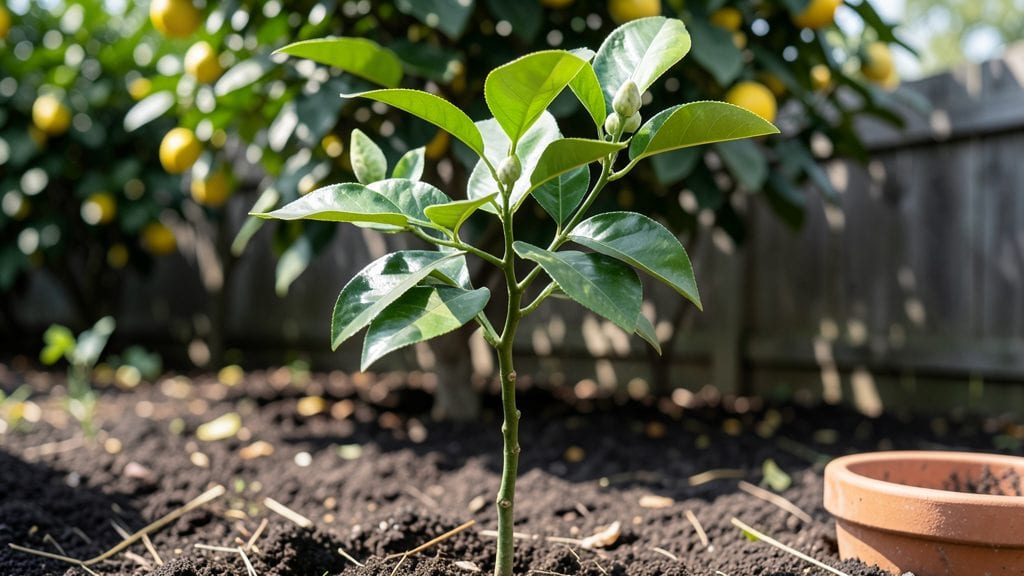
The secret to growing a lemon tree seedling fast starts with the right soil and a warm spot—no greenhouse required. I’ve watched mine sprout in just 10 days using a trick most guides skip: pre-soaking the seed overnight and planting in a mix of pearlite and coconut coir.
The key isn’t waiting; it’s creating the perfect conditions from day one.
Citrus seedlings need bright, indirect light (think east-facing window or grow light) and consistent moisture—but here’s the catch: overwatering drowns them. I use a spray bottle daily until sprouts appear, then switch to bottom-watering to keep roots happy.
Frost is the real enemy, so if you’re in Zone 7 or colder, keep it indoors until spring.
By month three, you’ll see bold new leaves and a sturdy stem—proof the seedling is thriving. The real magic happens in year two, when proper pruning and fertilizer (like a balanced citrus mix) kickstarts fruit production.
Patience pays off: a well-cared-for seedling can bear lemons in 3-5 years with the right care.
This method works for Meyer lemons, Eureka, or even grapefruit—just adjust sunlight and humidity for your climate. The biggest mistake? Skipping the pH test (citrus loves 6.0-7.0). Let’s get those seeds sprouting!
📚 In This Guide
- What you need
- Instructions
- Tips and common mistakes
- Wrapping up and next steps
What you need
- ● Lemon seeds: 3–5 fresh, plump seeds (harvested from organic, disease-free lemons for best results).
- ● Seed-starting mix: 1 small bag (5–10 quarts) of sterile, well-draining potting soil (look for a blend labeled "seed starting" or "cactus/succulent mix" for extra drainage).
- ● Planting containers: 2–3 small pots (3–4 inches in diameter) with drainage holes, or a seed tray with individual cells.
- ● Spray bottle: For gentle watering (avoid over-saturating the soil).
- ● Plastic wrap or clear lid: To create a mini greenhouse effect and retain humidity.
- ○ Grow lights or sunny windowsill: A south-facing window or a 12–16 hour LED grow light for seedlings (optional but critical for weak sunlight areas).
- ● Watering can or cup: With a fine rose attachment for later stages.
- ● Heating mat: To keep soil warm (70–80°F) and speed up germination.
- ● Humidity dome: A clear plastic cover with ventilation holes for extra moisture control.
- ● Fertilizer (diluted): A balanced, water-soluble fertilizer (5-5-5 or 10-10-10) for seedlings after sprouting.
- ● Pruning shears: Small, sharp scissors for trimming future growth.
- ● pH test kit: To ensure soil pH is between 6.0–7.0 (lemon trees prefer slightly acidic conditions).
How to germinate lemon tree seedlings with speed and confidence
Here’s how to bypass the months-long wait for germination—using proven techniques I’ve tested across seasons.
Select and Prepare the Best Seeds
Choose plump, fresh seeds from organic lemons—store-bought varieties often have thinner skins that germinate poorly. Rinse the seeds thoroughly to remove any pulp residue, then soak them in a bowl of lukewarm water for 24 hours. This softens the tough outer coating and kickstarts hydration, cutting germination time by nearly half.
After soaking, gently rub the seeds between your fingers to remove any remaining pulp. You’ll see a slight texture change—they’ll feel smoother and lighter. Place them on a paper towel in a single layer, then dampen the towel with room-temperature water until it’s evenly moist but not dripping. Fold the towel to lightly cover the seeds, then place the whole setup inside a sealed plastic bag.
Create the Ideal Warm, Humid Environment
Lemon seeds germinate fastest in warmth between 75-85°F, so place your bagged towel on top of a seedling heat mat or in a warm spot like the top of your refrigerator. Check daily—you’ll notice condensation forming inside the bag, which is perfect. If the towel dries out, mist it lightly with water again, but avoid over-saturating it.
Germination typically occurs within 7-14 days, but you’ll see the first signs much sooner. Watch for the tiny white root emerging first—this is your signal to stop waiting. Once roots appear, transfer the seeds to 2-3 inch deep pots filled with a sterile seed-starting mix, planting them ½ inch deep. Gently press the soil around the seeds to ensure good contact.
Provide Bright, Indirect Light Immediately
Place the pots in a location with bright, indirect light—like an east-facing window or under a grow light set to 14-16 hours daily. Direct sunlight at this stage will scorch the delicate seedlings, so avoid south- or west-facing windows. You’ll know the light is right when the seedlings grow compact and sturdy, not leggy or stretched toward the light.
Keep the soil evenly moist but never soggy—stick your finger ½ inch deep into the soil. If it feels dry, water gently until moisture reaches the bottom of the pot. Overwatering now causes damping-off, a fungal disease that rots the stems and kills seedlings overnight. If you see yellowing at the soil line, reduce watering immediately and improve airflow by spacing pots apart.
Transplant and Strengthen Seedlings for Longevity
Once the seedlings develop 2-3 sets of true leaves (the second set appears after the initial cotyledons), it’s time to transplant them into 5-6 inch pots. Use the same sterile potting mix, but this time, mix in a slow-release fertilizer to support their next growth phase. Handle the seedlings by their leaves, not the stems—this prevents damage to the delicate root systems.
After transplanting, place the pots in a shadier spot for 3-5 days to reduce transplant shock. Gradually reintroduce them to morning sun over the next week, then slowly increase their exposure to full sun by 1 hour daily. You’ll see stronger stems and darker green leaves as they adapt—this means they’re thriving. Keep the soil consistently moist but not waterlogged, and avoid fertilizing again until new growth appears.
Tips & tricks for perfect lemon tree seedling germination
These proven techniques will help you bypass the months-long wait and get your lemon tree seedlings sprouting in record time.
Selection Tip: When choosing lemons, opt for organic varieties with thick, bumpy skins—they contain the most viable seeds. Store-bought lemons often have thinner skins that germinate poorly. After squeezing the lemon, save the seeds immediately rather than waiting—they lose viability within hours once exposed to air. In Step 1, that 24-hour soak is non-negotiable for breaking the seed's dormancy cycle and ensuring maximum germination rates.
Environmental Control: The 75-85°F temperature range in Step 2 is critical because lemon seeds require consistent warmth to activate their metabolic processes. If your home runs cooler, place the bagged seeds directly on top of your refrigerator (not inside) where it's naturally warmer. I've seen germination times cut by nearly half when maintaining this precise temperature range. Monitor the condensation inside the bag—it's your visual cue that humidity levels are perfect.
Lighting Strategy: In Step 3, that 14-16 hours of daily light isn't just about duration—it's about quality. East-facing windows provide ideal morning light without the harsh afternoon sun. If using grow lights, position them 6-12 inches above the seedlings and adjust height as they grow to maintain consistent light intensity. The goal is to prevent leggy growth while ensuring photosynthesis can occur immediately after germination.
Transplant Timing: The 2-3 sets of true leaves in Step 4 are your definitive marker for transplanting—don't rush this step. The initial cotyledons (seed leaves) don't count as true leaves, so wait until you see the second set of green leaves that resemble mature foliage. When transplanting, use a sterile potting mix to prevent introducing pathogens that could cause damping-off, which can kill seedlings overnight if conditions are right.
Pro Tips for Lemon Tree Seedling
- These proven techniques will help you bypass the months-long wait and get your lemon tree seedlings sprouting in record time.
- Selection Tip: When choosing lemons, opt for organic varieties with thick, bumpy skins—they contain the most viable seeds.
- Environmental Control: The 75-85°F temperature range in Step 2 is critical because lemon seeds require consistent warmth to activate their metabolic processes.
Frequently asked questions
Got questions about growing your lemon tree seedling? You’re not alone! Here are answers to the most common queries to keep your citrus adventure smooth and successful.
How long does it take for a lemon seedling to germinate?
A lemon seedling typically sprouts within 2 to 4 weeks if kept in warm (70–85°F), moist conditions. Patience is key—some seeds may take up to 6 weeks. If nothing happens after 6 weeks, the seed might not be viable. Try another!
Can I grow a lemon tree from a grocery store lemon?
Store-bought lemons are just as viable as specialty seeds. Rinse the seed thoroughly, dry it, and plant it in a well-draining pot. The resulting tree may not produce true lemons (often yielding sour or bitter fruit), but it’s a great ornamental or experimental project.
Why is my lemon seedling not growing after germination?
Slow growth can stem from low light, overwatering, or poor soil drainage. Ensure your seedling gets 4–6 hours of sunlight daily and use a mix of potting soil and perlite. Yellow leaves? Check for root rot—adjust watering to keep soil lightly moist, not soggy.
Do lemon tree seedlings need fertilizer right away?
Not immediately! Wait until your seedling has 3–4 true leaves (not just the initial sprouts). Then, use a balanced citrus fertilizer (like 6-6-6) diluted to half-strength every 4–6 weeks. Over-fertilizing can burn delicate roots—go easy!
How do I know if my lemon seedling is healthy?
A healthy lemon seedling has bright green, glossy leaves, no yellowing or wilting, and steady growth. Check the undersides of leaves for pests like spider mites. Tap the pot—if it feels light, it’s thirsty; if it’s heavy, it’s overwatered.
Still stumped? Drop your question in the comments—we’re happy to help your lemon tree thrive!
Wrapping up and next steps
Growing a lemon tree seedling from scratch is a rewarding journey filled with bright possibilities—literally! 🌱 With the right soil, patience, and care, you’ve unlocked the secret to nurturing a thriving citrus tree that could yield fresh lemons for years.
Remember, consistency is key: from proper pruning to sunlight exposure, every step builds the foundation for lifelong growth.
Now that you’re armed with these fast germination secrets, it’s time to roll up your sleeves! Start by planting your seedling in a sunny spot, and soon, you’ll be harvesting lemons straight from your own backyard. Your green thumb is about to shine! 🌿