
Pruning
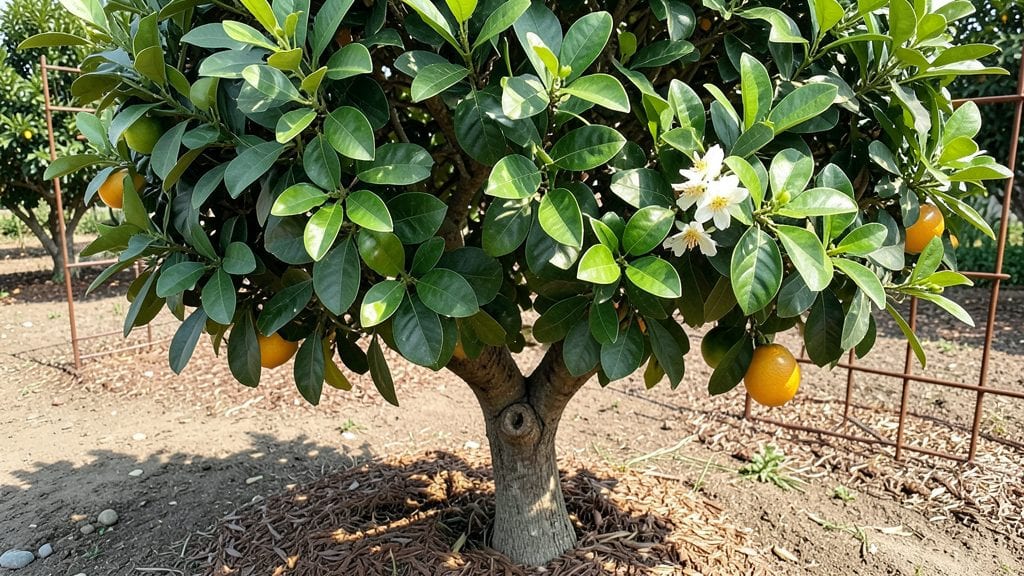
A grafted orange tree in your Pacific Northwest yard isn’t just a dream—it’s a citrus revolution waiting to happen. 🌱 I’ve watched these hardy trees thrive where grocery store oranges would freeze solid, their glossy leaves and occasional fruit proving that climate isn’t destiny.
The secret lies in matching the right rootstock to your zone, then nurturing the graft until it takes hold.
You’ll need a few key tools—a sharp grafting knife, rootstock already growing in pots, and scions from a variety you love (like Valencia or Navel). The process takes about an hour, but the payoff is years of potential fruit—even if it’s just a few oranges in winter.
Most graft failures happen because of poor timing or sloppy cuts, but once you nail the technique, your tree will grow stronger than you’d expect.
By summer, you’ll see new growth at the graft union, a sign it’s working. Keep the soil consistently moist but not soggy, and give it full sun—even in cloudy PNW skies.
With proper pruning, you might get fruit by year three, and the tree will keep producing for decades. The best part? You’ll finally have fresh citrus without waiting for summer trips.
This method works for lemons, limes, and even grapefruit too. The same principles apply whether you’re grafting onto a tough rootstock like trifoliate orange or experimenting with dwarf varieties. Let’s get those trees growing!
📚 In This Guide
- What you need
- Instructions
- Tips and common mistakes
- Wrapping up and next steps
What you need
- ● Grafted orange tree sapling: Choose a cold-hardy variety like Citrus × citrofortunella (e.g., 'Immortelle' or 'Yuzu') or a Citrus × aurantium hybrid (e.g., 'Satsuma'). Buy from a reputable nursery (1–3 plants).
- ● 5-gallon pot: With drainage holes (1 per tree). Use a well-draining mix of 50% potting soil, 30% perlite, and 20% sand.
- ● Grow lights or sunny windowsill: 6–8 hours of bright, indirect light daily (south-facing window or LED grow lights, 12–16 hours if indoors).
- ● Citrus fertilizer: Balanced formula (e.g., 6-6-6 or 10-10-10) with micronutrients (zinc, iron). Start with 1 tbsp per gallon of water every 4–6 weeks.
- ● Watering can with a rose attachment: For gentle, deep watering (avoid soggy roots!).
- ○ Humidity tray or pebble tray: Optional but helpful for maintaining 50–70% humidity (especially indoors).
- ● Pruning shears: Sharp, bypass-style shears (e.g., Felco #2) for clean cuts.
- ○ Grafting tools (optional):strong> If propagating your own grafts: grafting knife, rubber bands or grafting tape, and rooting hormone.
- ● pH test kit: To monitor soil pH (ideal range: 6.0–7.0).
- ● Thermometer: For monitoring indoor temps (keep above 50°F; avoid drafts).
- ● Glove: Lightweight gardening gloves to protect hands from thorns.
- ● Microclimate: Find a protected spot (e.g., near a south-facing wall, greenhouse, or patio) where temps stay above 20°F in winter. Use burlap wraps or frost cloth for extra insulation.
- ● Container mobility: Plan to move pots indoors or to a garage during freezes (PNW winters can drop below 32°F).
- ● Pest prevention: Keep an eye out for aphids, spider mites, or citrus leaf miners. Have neem oil or insecticidal soap on hand.
- ● Patience: Grafted trees may take 2–5 years to bear fruit in cooler climates—stay consistent!
Step-by-step instructions for planting and caring for a grafted orange tree
Here’s how to get your grafted orange tree thriving in the Pacific Northwest’s mild but tricky climate.
🪴 Step 1: Choose the Perfect Spot and Plant Your Tree
Grafted orange trees need full sun—at least 6-8 hours daily—but they also hate cold drafts or wind. In the PNW, a south-facing wall or patio works best, where they’ll soak up winter sun while staying sheltered. Dig a hole twice as wide as the root ball but only as deep—planting too deep suffocates roots. Loosen the root ball slightly if it looks compacted before placing it in the hole.
Backfill with native soil mixed with compost (about 1 part compost to 3 parts soil) to improve drainage. Water deeply right after planting until the soil 2 inches down feels moist. This helps settle the roots and eliminates air pockets. Mulch around the base with 2-3 inches of wood chips, keeping it 3 inches away from the trunk to prevent rot.
☀️ Step 2: Protect From Winter Chill and Frost
The PNW’s wet, cool winters can stress grafted citrus. After the first frost, move your tree to a protected location—a garage with open doors, a covered patio, or even indoors near a sunny window. If you’re keeping it outside, wrap the trunk and graft union with frost cloth or bubble wrap. The graft union (where the scion meets the rootstock) is the most vulnerable—never let it freeze.
Water every 2-3 weeks in winter, just enough to keep the soil slightly moist but not soggy. Overwatering in cold weather leads to root rot. If leaves start dropping, it’s a sign of stress—adjust your protection or move it to a warmer spot immediately. A small space heater (safely placed) near the tree can help maintain 50°F+ around the roots if nights dip below freezing.
💧 Step 3: Feed and Water for Year-Round Fruit
Feed your tree every 6 weeks with a citrus-specific fertilizer (look for a 16-6-8 or 8-3-6 ratio). In spring and summer, water deeply 2-3 times per week, letting the soil dry 1-2 inches down between waterings. In winter, cut back to once every 3-4 weeks unless the soil feels bone-dry. Overwatering in winter is the #1 killer of grafted citrus.
Watch for yellowing leaves—this usually means overwatering or nutrient deficiency. If the yellowing starts at the edges of older leaves, it’s likely overwatering. If it’s uniform and on new growth, it’s probably nitrogen deficiency. Adjust your watering or fertilizer schedule accordingly. A moisture meter ($10 at garden centers) takes the guesswork out of this.
✂️ Step 4: Prune for Shape and Airflow
Prune in late winter or early spring before new growth starts. Remove dead, crossing, or inward-growing branches first—these compete for energy and block airflow, which invites fungal diseases. Thin out 20-30% of the canopy to let light and air reach the center. The goal is an open, vase-like shape that lets sunlight hit all sides of the fruit.
Never prune more than one-third of the tree at once, or you’ll shock it. Sterilize your pruners with rubbing alcohol between cuts to prevent spreading disease. If you see suckers (shoots growing from the rootstock below the graft), remove them immediately—they sap energy from your fruit-bearing scion. A sharp pair of bypass pruners makes clean cuts that heal faster.
🍊 Step 5: Harvest and Overwinter for Next Year
Oranges ripen unevenly, so check your tree weekly in late fall and winter. Gently twist fruit until it separates from the stem—if it resists, it’s not ready. Store harvested oranges at room temperature for 1-2 weeks before moving them to the fridge to extend their life. If your tree is young (under 3 years), it may only produce a few fruit—be patient, as grafted citrus can take 2-4 years to reach full production.
Before the first frost, give your tree a light trim to remove any dead or damaged branches. Apply a 2-inch layer of mulch around the base (but not touching the trunk) to insulate roots. If you’re bringing it indoors for winter, reduce watering by half and place it near a south-facing window where it gets 4-6 hours of sunlight daily. A grow light can supplement if natural light is lacking—just keep it 6-12 inches away to avoid leaf burn.
Tips & tricks for perfect grafted orange tree care
Growing a thriving grafted orange tree in the Pacific Northwest takes a few key tricks to navigate our unique climate. Here's what I've learned from years of trial and error with these delicate citrus trees.
Sunlight Strategy: Those 6-8 hours of daily sun are non-negotiable, but don't just slap your tree anywhere. In the PNW's cloudy winters, supplement with a south-facing window or grow light if bringing indoors. I've seen trees struggle when placed against north-facing walls—even with extra light, they just don't get enough direct rays. For container trees, rotate them weekly so all sides get equal light exposure.
Graft Union Protection: This is where most people mess up. The graft union—the swollen area where the scion meets the rootstock—needs special attention. Wrap it with frost cloth or bubble wrap during winter, but don't let it touch the trunk. I learned this the hard way when my first tree's graft union froze and the entire top died back. Also, never bury the graft union below soil level—it should always be visible above ground.
Watering Wisdom: The 2-3 times per week summer schedule can be tricky with our variable PNW weather. I've found a moisture meter is worth its weight in gold—aim to keep that top 2 inches of soil consistently moist, but never soggy. In winter, cut back to every 3-4 weeks unless your soil feels completely dry. Overwatering is the silent killer of grafted citrus, especially when combined with our cool, damp winters.
Fertilizer Timing: That 6-week feeding schedule works perfectly, but here's the secret: feed only when you see new growth. In our mild PNW winters, your tree might not need fertilizer at all during the coldest months. I've had trees that went 8 weeks between feedings in winter with no issues. Always use a citrus-specific fertilizer with a 16-6-8 or 8-3-6 ratio—regular lawn fertilizer will burn your tree's roots.
Pro Tips for Grafted Orange Tree
- Growing a thriving grafted orange tree in the Pacific Northwest takes a few key tricks to navigate our unique climate.
- Sunlight Strategy: Those 6-8 hours of daily sun are non-negotiable, but don't just slap your tree anywhere.
- Graft Union Protection: This is where most people mess up.
Frequently asked questions
Got questions about keeping your grafted orange tree thriving in the Pacific Northwest? You’re not alone! Here are some of the most common concerns—and straightforward answers to help you grow like a pro.
Can grafted orange trees survive PNW winters?
A grafted orange tree (especially cold-hardy varieties like Poncirus trifoliata or Citrus × aurantium rootstocks) can handle brief freezes down to 15–20°F with proper care. However, prolonged cold (<10°F) will damage leaves or fruit. Protect your tree with burlap wraps, frost cloth, or a greenhouse during harsh winters. If you’re in Zone 8 or colder, consider container growing and moving it indoors during winter.
How long does it take for a grafted orange tree to bear fruit?
Patience is key! Most grafted citrus trees take 3–5 years to produce fruit, depending on care, variety, and climate. Dwarf varieties (like Calamondin or Meyer lemon-orange grafts) may fruit sooner—sometimes in 2 years—while standard-sized trees can take longer. Prune wisely to encourage growth, and fertilize with citrus-specific nutrients (high in nitrogen early, potassium later) to speed up fruiting.
What if my grafted tree’s scion starts dying back?
If the scion (the fruiting top part) looks weak, yellow, or dies back, it’s often due to rootstock incompatibility, disease, or environmental stress. Check for:
- Fungal issues (like citrus greening or root rot)—treat with copper fungicide or adjust watering.
- Overwatering (root rot) or underwatering (stress)—keep soil moist but well-drained.
- Graft union failure (cracked or oozing)—re-graft the scion if necessary.
Can I graft my own orange tree at home?
Grafting is a rewarding skill, even for beginners. You’ll need:
- A rootstock (like trifoliate orange or citrange) and a scion (desired citrus variety).
- Tools: sharp grafting knife, grafting tape, and sealant.
- Timing: Late winter/early spring (dormant season) for best success.
Why aren’t my grafted oranges sweet like grocery store ones?
Homegrown oranges (even grafted ones) often taste more complex and less sweet than commercial varieties due to:
- Climate differences—PNW’s cooler summers slow sugar development.
- Variety choice—Meyer lemons or Calamondins are sweeter than bitter oranges.
- Ripening time—Let fruit stay on the tree longer (even after turning orange) for deeper flavor.
Wrapping up and next steps
Growing a grafted orange tree in the Pacific Northwest may seem challenging, but with the right techniques—like choosing cold-hardy rootstock, proper pruning, and winter protection—you can enjoy year-round harvests of sweet, juicy fruit. 🍊 The key is patience, consistency, and a little creativity to extend your growing season.
Whether you’re a seasoned gardener or just starting, your efforts will pay off with a thriving tree and the joy of homegrown citrus!
Ready to take the next step? Start small—plant your grafted tree this season, monitor its progress, and gradually refine your approach. Before you know it, you’ll be savoring fresh oranges even in the chillier months! 🌱