
Tools
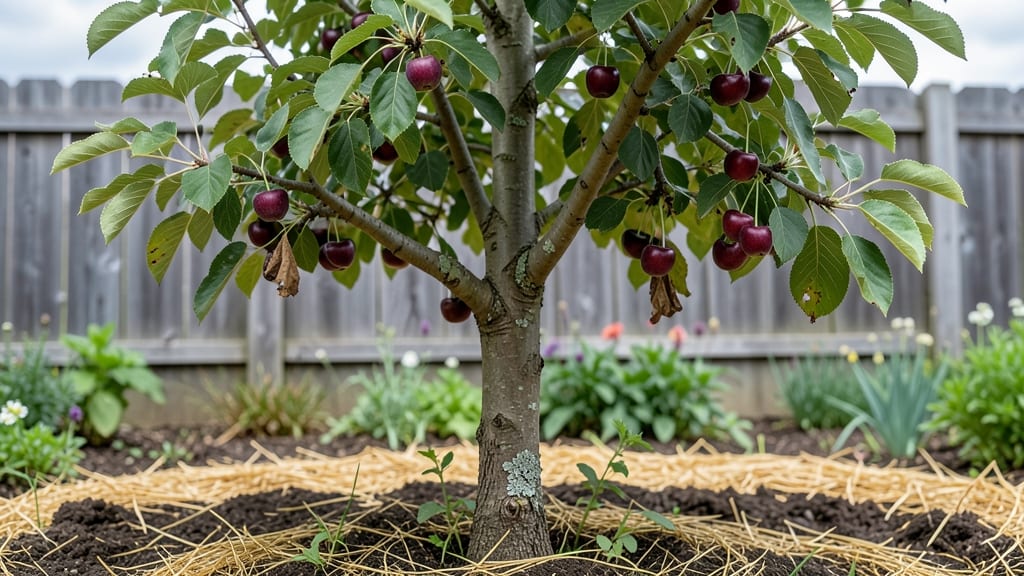
Planting a garden Bing cherry tree in the Pacific Northwest means sweet, juicy fruit that thrives where many varieties fail. I’ve grown mine for five years now, and every June brings that first taste of homegrown Bing cherries—tart-sweet perfection that store-bought can’t match.
The key? Choosing the right variety for your zone and giving it the care it craves from day one.
This cold-hardy tree loves full sun (at least 6 hours daily) and well-draining soil rich in organic matter. My tree sits in a slightly acidic mix with compost worked in at planting, and I’ve never had drainage issues.
Water deeply once a week during the first growing season, then taper off as roots establish—overwatering is the fastest way to kill a young tree. Prune in late winter to open the canopy for airflow, which keeps fruit quality high and pests away.
By year three, you’ll see heavy fruit sets if you’ve nailed the basics: consistent watering, annual fertilization with balanced 10-10-10, and winter protection for young trees. The first harvest might be small, but each year brings more—imagine baskets of cherries ready by July.
Birds love them too, so netting helps preserve your crop. With patience, your tree will reward you for decades.
Works in zones 5-8, though Pacific Northwest gardeners get the best results. Start small with a dwarf variety if space is tight, but even standard trees fit in larger yards. The payoff? Fresh cherries straight from your tree, picked at peak ripeness—nothing beats that flavor. Let’s get yours growing!
📚 In This Guide
- What you need
- Instructions
- Tips and common mistakes
- Wrapping up and next steps
What you need
- ● Bing cherry tree sapling: Choose a Prunus avium cultivar (bare-root or potted, 1–3 years old). 🌱
- ● Planting site: Sunny spot (6+ hours of sunlight) with well-draining soil (pH 6.0–6.5).
- ● Organic compost: 5–10 gallons to enrich soil before planting.
- ● Slow-release fertilizer: 10-10-10 or 8-3-9 blend (1–2 lbs per tree).
- ● Mulch: 2–4 inches of wood chips or straw (keep 6" away from trunk).
- ● Drip irrigation or soaker hose: 50+ feet (for consistent watering).
- ● Shovel & spade: For digging (18" deep, 24" wide hole).
- ● Garden gloves: Heavy-duty (to protect from thorns!).
- ● Pruning shears: Bypass type (for shaping and deadwood removal).
- ● Staking kit: 2–3 stakes + tree ties (if planting in windy areas).
- ○ pH testing kit: Optional but helpful for soil adjustments.
- ● Bird netting: 100+ sq ft (to protect fruit from birds/squirrels).
- ● Fruit tree spray: Organic copper fungicide (for disease prevention).
- ● Soil amendments: Lime (if soil is too acidic) or sulfur (if too alkaline).
- ● Tree guard: Plastic wrap or hardware cloth (to deter voles).
Step-by-step guide to planting a cold-hardy garden Bing cherry tree
Here's how to establish a thriving Bing cherry tree that thrives in the Pacific Northwest's climate.
Choose the Right Location and Prepare the Soil
Select a sunny spot that gets at least 6-8 hours of direct sunlight daily—Bing cherries need plenty of light to produce sweet, flavorful fruit. Avoid low-lying areas where cold air settles, as frost pockets can damage blossoms and fruit. The ideal location has well-draining soil with a pH between 6.0 and 6.5, which you can test with a simple soil kit.
Before planting, loosen the soil to a depth of 18-24 inches using a shovel or tiller. Mix in 2-3 inches of compost to improve fertility and drainage. If your soil is heavy clay, add sand or perlite to help water move through it. The hole should be twice as wide as the root ball but no deeper—this prevents water from pooling around the roots.
Plant at the Correct Depth and Stake for Support
Remove the Bing cherry tree from its container and gently loosen the roots if they’re circling. Place the tree in the hole so the top of the root ball sits just above ground level—planting too deep can suffocate the roots, while planting too shallow leaves the trunk vulnerable to rot. Backfill the hole with native soil, tamping it down lightly to remove air pockets.
Water deeply to settle the soil, then add a stake or support system to keep the young tree upright. Tie the trunk loosely to the stake with soft tree ties (not wire or twine, which can girdle the bark as the tree grows). Mulch around the base with 2-3 inches of wood chips, keeping it 3-4 inches away from the trunk to prevent rot. Water again to help the mulch settle.
Water Deeply and Establish a Consistent Care Routine
Water the tree deeply once a week for the first two months, ensuring the soil stays moist but not soggy. Bing cherries are drought-tolerant once established, but young trees need consistent moisture to develop strong roots. Check soil moisture by sticking your finger 2 inches deep—if it feels dry, water again. Avoid overhead watering, which can spread fungal diseases like brown rot.
Fertilize in early spring with a balanced fruit-tree fertilizer (10-10-10 or similar) following package instructions. Avoid high-nitrogen fertilizers, which promote leafy growth at the expense of fruit production. Prune in late winter or early spring to remove dead, crossing, or diseased branches, shaping the tree to encourage an open canopy. Thin out some fruit when they’re walnut-sized to improve size and quality—this is especially important in wet years when disease pressure is high.
Monitor for Pests and Diseases Year-Round
Bing cherries are prone to brown rot, a fungal disease that causes blossoms and fruit to rot. To prevent it, apply a copper fungicide spray in early spring before buds swell, and again after harvest. Watch for cherry fruit flies and aphids, which can damage leaves and fruit. Use row covers or insecticidal soap for early infestations, and remove any fallen fruit promptly to reduce pest populations.
Thin the tree’s branches annually to improve airflow and sunlight penetration, which reduces disease risk. In late fall, apply a 2-3 inch layer of mulch around the base (again, keeping it away from the trunk) to insulate roots during winter. Young trees may need winter protection in their first few years, especially in exposed sites—wrap the trunk with burlap or tree wrap to prevent sunscald and rodent damage.
Tips & tricks for perfect Bing cherry tree planting
Planting a Bing cherry tree in the Pacific Northwest takes a little extra attention to climate and soil conditions. Here are the key tricks that'll make all the difference for a thriving fruit tree.
Location is Everything: While the instructions mention 6-8 hours of sunlight, I can't stress enough how critical this is for Bing cherries. In the Pacific Northwest, where cloud cover can be persistent, choose a spot that gets full sun from late morning through early afternoon. If your yard has tall trees or buildings that cast shadows, consider planting near the south or west side of your property. Also, avoid frost pockets—those low areas where cold air settles can damage blossoms and reduce fruit set, even in our cold-hardy Bing variety.
Soil Prep Secrets: The instructions recommend loosening soil to 18-24 inches, but don't stop there. If your soil is particularly heavy clay (common in PNW regions), mix in equal parts sand and compost—this creates ideal drainage while maintaining moisture. I've seen trees planted in unamended clay struggle with root rot, even when following all other steps perfectly. Pro tip: Test your soil's pH before planting. While 6.0-6.5 is ideal, if you're at the lower end, add some lime to the planting hole—Bing cherries actually prefer slightly acidic soil.
Staking Strategy: The instructions mention staking, but here's what nobody tells you: Use two stakes placed diagonally from each other for better support, especially in windy PNW locations. I've seen many trees fail because they were staked with only one support. When tying the trunk, use soft tree ties and leave room for the tree to grow—tight ties can girdle the bark as the trunk thickens. And remember, staking should be temporary. Remove supports after the first growing season when the roots have established.
Winter Protection for Young Trees: While Bing cherries are cold-hardy, young trees need extra protection in their first few winters. Wrap the trunk with burlap or tree wrap to prevent sunscald (which can happen even in winter) and rodent damage. In particularly exposed sites, consider building a small windbreak using evergreen boughs or a temporary fence. This gives your tree a fighting chance against our sometimes harsh PNW winters while it develops its root system.
Pro Tips for Garden Bing Cherry Tree
- Planting a Bing cherry tree in the Pacific Northwest takes a little extra attention to climate and soil conditions.
- Location is Everything: While the instructions mention 6-8 hours of sunlight, I can't stress enough how critical this is for Bing cherries.
- Soil Prep Secrets: The instructions recommend loosening soil to 18-24 inches, but don't stop there.
Frequently asked questions
Got questions about growing your own garden Bing cherry tree? You’re not alone! Whether you're a first-time fruit grower or a seasoned gardener, here are the answers to some of the most common queries:
How long does it take for a Bing cherry tree to bear fruit?
A Bing cherry tree typically takes 3 to 5 years to bear fruit after planting, depending on factors like climate, soil quality, and care. Patience pays off—once established, these trees can produce bountiful harvests for decades! For faster results, consider planting a grafted tree or a young sapling.
Can Bing cherry trees survive harsh Pacific Northwest winters?
Bing cherries are cold-hardy and thrive in USDA zones 5-7, making them perfect for the PNW. However, late spring frosts can damage blossoms. Protect young trees with frost cloth or plant them in sheltered microclimates for best results.
Do I need more than one Bing cherry tree for pollination?
Yes! Bing cherries are self-unfruitful, meaning they need cross-pollination from another variety, like Stella or Rainier. Planting two compatible trees within 50 feet ensures a full harvest. Check your local nursery for PNW-friendly pollinators!
What pests or diseases should I watch for in Bing cherry trees?
Common issues include cherry fruit flies, aphids, and brown rot fungus. Preventative care like pruning for airflow, using organic sprays, and removing fallen fruit helps. Monitor leaves and fruit regularly—early action keeps your tree healthy!
Can I grow Bing cherries in containers?
While possible, Bing cherry trees thrive best in the ground due to their size (12-16 feet tall). If container growing is your only option, choose a large, sturdy pot (20+ gallons) with well-draining soil and ensure it gets full sun. Dwarf varieties may be a better fit for small spaces.
Wrapping up and next steps
Growing a garden Bing cherry tree in the Pacific Northwest isn’t just a rewarding hobby—it’s a delicious investment in fresh, homegrown fruit! 🌱 With the right location, care, and patience, you’ll soon be enjoying juicy Bing cherries straight from your backyard.
Whether you’re a seasoned gardener or a beginner, this cold-hardy tree is a fantastic choice for adding flavor and beauty to your landscape.
Ready to take the next step? Start by selecting your favorite variety, preparing the soil, and planting with confidence. Soon, you’ll be savoring the sweet taste of success—literally! 🍒