
Pruning
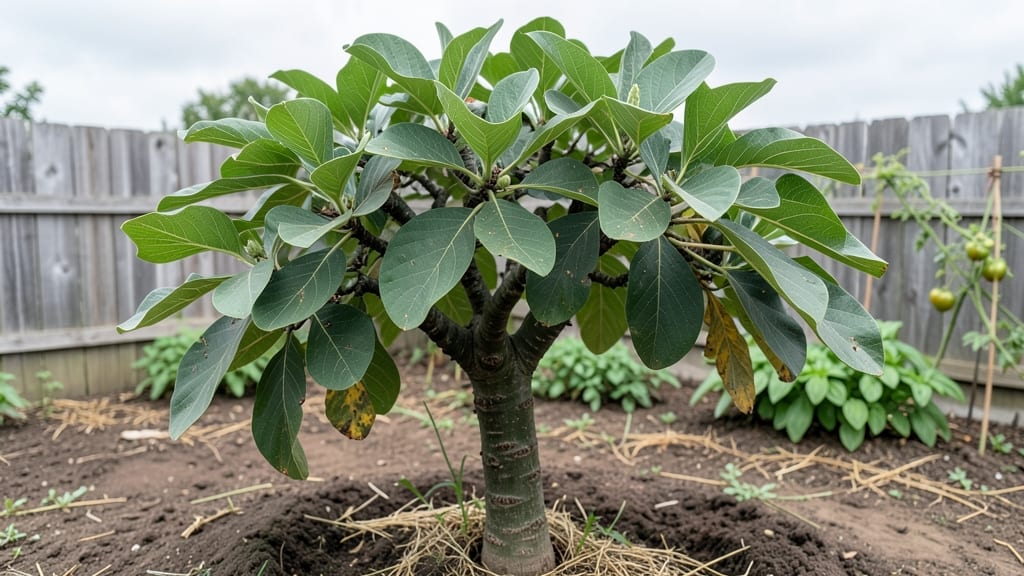
Mastering soursop fruit tree care in the Pacific Northwest feels like taming a tropical dream—until you crack the code. 🌿 I’ve wrestled with these finicky trees for years, and now I’m sharing the exact adjustments that keep mine thriving despite our chilly summers and wet winters.
The secret isn’t forcing a tropical plant to survive—it’s creating the right microclimate.
Start with a large container (at least 20 gallons) so you can move it indoors when temperatures dip below 50°F. Use a well-draining mix of 50% potting soil, 30% perlite, and 20% compost, and keep the roots warm with a thick layer of mulch in winter.
By summer, you’ll be rewarded with fragrant, spiky green fruits that taste like a mix of pineapple, strawberry, and citrus.
The first harvest might take 3-5 years, but with proper care, your tree will produce 50+ pounds of fruit per season—enough to share with neighbors or freeze for smoothies.
This method works for container growing, greenhouse setups, or even heated patios. The key is patience and attention to detail—just don’t let the roots freeze, and you’ll have a tropical harvest year after year.
📚 In This Guide
- What you need
- Instructions
- Tips and common mistakes
- Wrapping up and next steps
What you need
- ● Soursop tree: 1-2 healthy nursery-grown saplings (3–5 ft tall, dwarf varieties preferred for PNW).
- ● Large containers: 2–3 5-gallon+ pots with drainage holes (or a 10+ ft raised bed if planting in-ground).
- ● Well-draining soil: 5+ bags of cactus/succulent mix or peat-based potting soil (amend with perlite/vermiculite for aeration).
- ● Fertilizer: 1 lb balanced organic fertilizer (10-10-10) or citrus-specific granules.
- ● Mulch: 2–3 bags of pine bark or straw mulch (retains moisture, mimics tropical humidity).
- ● Grow lights: 1–2 full-spectrum LED grow lights (12–16 hrs/day in winter).
- ● Thermometer/hygrometer: 1 digital unit to monitor 70–85°F temps and 60%+ humidity.
- ● Pruning tools: 1 pair bypass pruners (for clean cuts).
- ● 1 sterilizing solution (rubbing alcohol or bleach).
- ● 1 sharp knife (for stubborn branches).
- ● Pest control: 1 bottle neem oil + 1 spray bottle (for aphids/mealybugs).
- ● Greenhouse or cold frame: 1 small hoop house or frost blanket for winter protection.
- ● Root stimulator: 1 bottle mycorrhizal fungi (boosts root health in containers).
- ● Trellis/stakes: 2–3 bamboo stakes or wire trellis (supports heavy fruit).
- ● Humidifier: 1 small indoor unit (if growing indoors).
- ● Soil test kit: 1 pH test kit (ideal pH: 5.5–6.5).
Step-by-Step guide to growing soursop trees in cool climates
Here's how I've adapted tropical soursop care for temperate zones—using containers and microclimates to coax fruit from this finicky tree.
🌱 Step 1: Select and Prepare Your Soursop Tree
Start with a 1-2 year old grafted soursop tree from a reputable tropical fruit nursery—avoid seeds, as they take years to fruit. Look for stock labeled "dwarf" or "semi-dwarf" to manage size in containers. Before planting, inspect the root ball for circling roots and trim any that wrap around the edges with sterilized pruners.
Soak the root ball in lukewarm water for 30-60 minutes to rehydrate roots before transplanting. This is especially critical if you're moving it from a nursery pot. The goal is to minimize transplant shock—soursop trees hate root disturbance. I always work in the early morning when temperatures are mildest.
🪴 Step 2: Choose the Right Container and Soil Mix
For Pacific Northwest growing, use a 24-36 inch diameter container with drainage holes—soursop roots need room to spread but also excellent drainage. I prefer fabric grow bags because they allow roots to breathe while preventing waterlogging. Fill the bottom 2 inches with orchid bark mix for aeration, then add a custom blend of 60% well-draining potting mix, 20% perlite, and 20% coconut coir.
The soil must mimic the tree's native tropical conditions without being too dense. Soursop trees in heavy soil develop root rot quickly. Mix in 1 cup of worm castings per 12 inches of pot diameter to provide gentle, slow-release nutrients. Tap the container gently to settle the mix without compacting it—you want fluffy, airy soil that won't suffocate roots.
☀️ Step 3: Position for Maximum Sun and Protection
Soursop trees need full sun (6-8 hours daily), but in cooler climates, they'll need winter protection. Place your container in a south-facing location where it receives morning sun and afternoon shade during summer. I've found that moving the tree to a sunroom or greenhouse during winter (when temperatures drop below 50°F) dramatically improves survival rates.
Use a thermometer probe to monitor soil temperatures—soursop roots prefer 70-85°F. If your outdoor temperatures frequently dip below 55°F, wrap the container in bubble wrap or move it indoors. During summer, provide afternoon shade with 50% shade cloth to prevent leaf scorch, which weakens the tree and reduces fruiting potential.
💧 Step 4: Water and Fertilize for Optimal Growth
Water deeply 2-3 times per week during the growing season, allowing the top 2-3 inches of soil to dry out between waterings. Soursop trees are drought-sensitive but hate soggy roots. I use a moisture meter to check—when it reads "dry," it's time to water. In winter, reduce watering to once every 10-14 days unless the tree is indoors with heat.
Fertilize monthly from spring to fall with a balanced tropical fruit fertilizer (10-10-10 or similar) diluted to half-strength. Soursop trees respond well to organic matter, so I mix in compost tea every other feeding. Avoid high-nitrogen fertilizers—they promote leafy growth at the expense of fruit production. Watch for new growth after feeding; healthy leaves should be deep green and glossy.
✂️ Step 5: Prune and Encourage Fruiting
Prune in late winter or early spring before new growth begins. Remove dead, diseased, or crossing branches first, then thin out 20-30% of the canopy to improve airflow and sunlight penetration. Soursop trees fruit on new wood, so avoid heavy pruning that removes too many growth points. Use sterilized pruners and make cuts just above a leaf node or outward-facing bud.
To encourage fruiting, I apply a low-nitrogen, high-phosphorus fertilizer (like 5-10-10) in early spring. This shift in nutrients signals the tree to focus on fruit production rather than foliage. If you notice flower buds forming but dropping, it's often due to temperature fluctuations—keep the tree in a stable 65-85°F environment during bloom time. Hand-pollinate flowers with a soft brush if natural pollinators are scarce.
Tips & tricks for perfect soursop tree care in cool climates
These hard-earned insights will help you coax tropical fruit production from your soursop tree even in challenging Pacific Northwest conditions.
Root Preparation Matters: That 30-60 minute root soak in Step 1 is non-negotiable for container-grown trees. I've seen soursop trees wither within weeks when this step gets skipped—especially when moving from nursery pots. The key is lukewarm water (never cold) to gently revive roots without shocking them. After soaking, gently squeeze the root ball to check moisture—it should feel damp but not soggy. This preparation makes all the difference in transplant success rates.
Soil Science for Success: The 60-20-20 soil blend in Step 2 isn't just arbitrary—it mimics the tree's native tropical conditions while preventing compaction. I've found that adding an extra 10% of perlite (up to 30%) helps with drainage in particularly rainy Pacific Northwest seasons. When mixing, use your hands to gently fluff the soil—you're creating an airy environment that soursop roots crave. The worm castings should be thoroughly mixed in; I like to sprinkle them in layers during the soil blending process for even distribution.
Microclimate Mastery: The 6-8 hours of sun requirement in Step 3 is where most Pacific Northwest growers struggle. I've had success creating microclimates by placing trees against south-facing walls or using reflective surfaces like light-colored gravel. During winter, when temperatures drop below 50°F, I move my trees to an unheated garage with a small space heater set to maintain 55°F—this simple setup has kept my trees thriving through multiple winters. The thermometer probe is your best friend here; soil temperature is more critical than air temperature for these tropical trees.
Fertilizer Timing: The monthly feeding schedule in Step 4 works, but I've found that applying compost tea every other week during peak growing season (May-September) gives an extra boost. The key is to fertilize right after watering—this prevents root burn from concentrated nutrients. I also recommend testing your soil pH annually; soursop trees prefer slightly acidic soil (pH 5.5-6.5). If your soil tests higher, mix in some peat moss to adjust the pH before planting.
Pro Tips for Soursop Fruit Tree Care
- These hard-earned insights will help you coax tropical fruit production from your soursop tree even in challenging Pacific Northwest conditions.
- Root Preparation Matters: That 30-60 minute root soak in Step 1 is non-negotiable for container-grown trees.
- Soil Science for Success: The 60-20-20 soil blend in Step 2 isn't just arbitrary—it mimics the tree's native tropical conditions while preventing compaction.
Frequently asked questions
Got questions about growing soursop in your Pacific Northwest garden?
You’re not alone! Here are some of the most common concerns—and their solutions—to help you cultivate this tropical treasure like a pro.
Can soursop trees survive the cold winters in the PNW?
Soursop trees (Annona muricata) are tropical natives and cannot tolerate frost. In the PNW, grow them in containers and move them indoors (or to a greenhouse) when temperatures drop below 40°F (4°C). If planted in-ground, use heavy mulch and microclimate protection like windbreaks or cold frames. Pro tip: Choose dwarf varieties for easier overwintering!
How long does it take for a soursop tree to bear fruit?
Patience is key! Soursop trees typically take 3–5 years to mature and produce fruit from seed. If you’re using grafted trees (faster-growing), you might see fruit in 1–2 years. Provide optimal care—full sun, rich soil, and consistent water—to speed up the process. Fun fact: Female flowers are needed for fruiting, so plant at least two trees for pollination!
What’s the best soil mix for soursop trees in pots?
Soursop trees thrive in well-draining, slightly acidic soil (pH 5.5–6.5). Mix 60% potting soil, 20% perlite or pumice, and 20% compost for ideal drainage and nutrients. Add a handful of worm castings for extra fertility. Avoid heavy clay soil—it causes root rot! Warning: Ensure pots have drainage holes to prevent soggy roots.
Why are my soursop leaves turning yellow or dropping?
Yellowing leaves (chlorosis) usually signal overwatering, nutrient deficiency, or pests. Check for:
- Root rot: Let soil dry slightly between waterings.
- Iron/manganese deficiency: Amend soil with chelated iron or use a citrus-specific fertilizer.
- Spider mites or scale insects: Wipe leaves with neem oil or insecticidal soap.
Adjust care based on the cause—most issues resolve with proper drainage and balanced feeding!
Can I grow soursop from seed, or should I buy a grafted tree?
While seed-grown trees are cheaper and fun to propagate, they take longer to fruit and may not produce true-to-type fruit. Grafted trees (available from tropical nurseries) offer faster fruiting, disease resistance, and consistent quality—but cost more. For PNW growers, start with seeds for practice, then invest in a grafted tree for reliable harvests! Bonus: Save seeds from store-bought soursop for a DIY project.
Wrapping up and next steps
Caring for a soursop tree in the Pacific Northwest may seem challenging, but with the right knowledge and a little patience, you can enjoy a thriving tropical harvest right in your own backyard! 🌱 From selecting the perfect spot to mastering pruning techniques, every step brings you closer to sweet, creamy soursop fruits. Remember: consistency is key—whether it’s protecting your tree from frost or ensuring proper drainage.
Ready to take the next step? Start small: plant your soursop tree this season, monitor its progress, and gradually expand your tropical garden. Who knows? You might just become the PNW’s next soursop success story! 🌟