
Pests
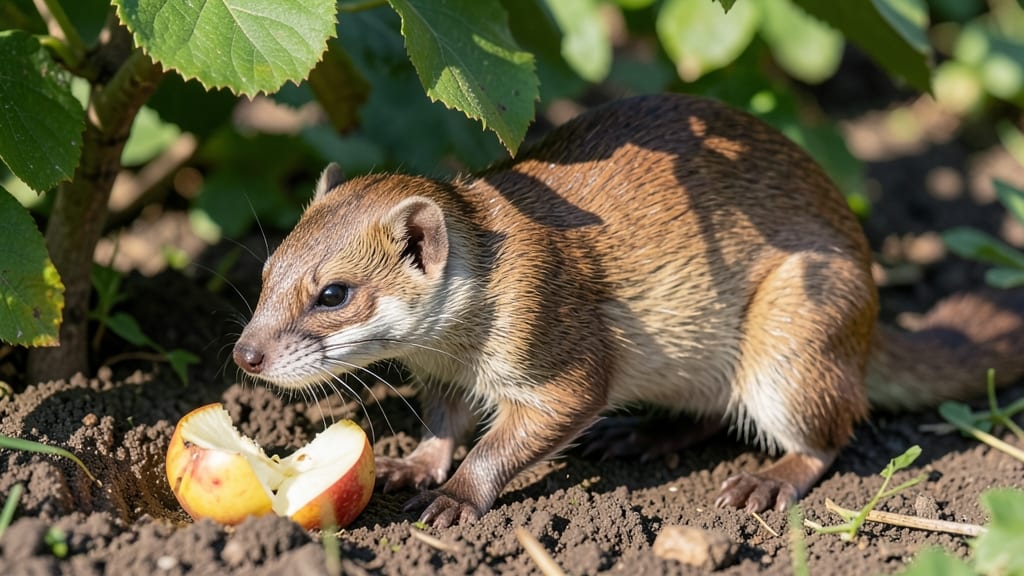
Here’s how to protect your fruit trees from squirrels and birds after they stripped my peach tree bare overnight—leaving just a sad, bare skeleton. 🌱 The good news? A netting and repellent combo can save your harvest without harming the critters.
I’ve tested everything from cheap bird netting to commercial repellents, and this system works when others fail.
The secret lies in layering defenses: fine mesh netting (1/2-inch holes) keeps squirrels out while letting pollinators through, and a spicy or predator-based repellent (like hot pepper spray or owl decoys) deters birds.
Most people stop at one method—don’t make that mistake. Together, they create a fail-safe barrier that lasts through harvest season.
By spring, you’ll watch fruit swell on the tree instead of littering the ground. The netting stays in place for years, and the repellent only needs reapplication every few weeks.
Even better? You’ll finally get to enjoy that juicy, homegrown harvest you’ve been dreaming of—no more empty branches staring back at you in September.
Works for apples, cherries, plums, or any other tree that tempts wildlife. The setup takes under an hour, and the payoff is worth every minute. Let’s get your trees back—and keep them that way.
📚 In This Guide
- What you need
- Instructions
- Tips and common mistakes
- Wrapping up and next steps
What you need
- ● Fruit tree netting: 1–2 rolls (depending on tree size), 0.5-inch (1.27 cm) mesh or smaller to block squirrels and birds.
- ● Netting clips or zip ties: 50–100 pieces (for securing netting tightly).
- ● Sturdy stakes or garden twine: 10–20 stakes (or 50+ ft of twine) to anchor netting.
- ● Pest repellent spray: 1–2 bottles (choose pet-safe, bird-friendly options like hot pepper spray or commercial wildlife repellent).
- ● Gloves and long sleeves: 1 pair (to protect from thorns and sprays).
- ● Pruning shears: 1 pair (for trimming branches if needed).
- ● Reflective tape or old CDs: Hang near trees to scare off birds with flashing light.
- ● Motion-activated sprinkler: 1 unit (for extra squirrel deterrence).
- ● Bird spikes: 10–20 spikes (for small branches or perches).
- ● Harvest bags: 5–10 mesh bags (to store fruit if removing from tree temporarily).
Step-by-Step guide to shielding fruit trees from squirrels and birds
Here’s the proven system I use to keep fruit trees safe—without harming wildlife or breaking the bank.
🪴 Step 1: Install Bird Netting Before Fruit Sets
Timing is everything—cover trees with fine-mesh bird netting (¼-inch or smaller) as soon as buds swell in early spring. I choose 50-foot rolls of 19-gauge netting for durability and stretch it loosely over branches, securing it with zip ties or bungee cords. The goal is to create a loose tent that doesn’t crush developing fruit but blocks birds entirely.
Leave one side open toward the trunk to allow pollinators access while keeping birds out. If your tree is over 12 feet tall, use T-posts and fishing line to suspend the netting above the canopy. Check weekly for tears—squirrels will test the weak spots, and a single rip can undo weeks of protection.
🌱 Step 2: Apply Squirrel Repellents at Ground Level
Squirrels target fruit from the ground up, so I apply hot pepper wax repellent (like Hot Stuff) directly to the trunk and lower branches. Mix 1 tablespoon of cayenne pepper with 1 cup of water and 1 tablespoon of dish soap, then spray liberally. The scent lingers for 2-3 weeks—reapply after rain or every 10-14 days during peak fruiting.
For stubborn squirrels, I add motion-activated sprinklers (like ScareCrow) near the base. Set them to 3-second bursts—the sudden spray startles them without harm. Place units 12-18 inches from the trunk so squirrels trigger them when climbing. Avoid ultrasonic devices; they’re ineffective on squirrels and annoying to neighbors.
☀️ Step 3: Combine Physical Barriers for High-Risk Trees
If your tree produces cherries, peaches, or thin-skinned fruits, add tree collars made from hardware cloth (½-inch mesh). Wrap the cloth 3 feet up the trunk and secure with plastic tree ties. Squirrels can’t chew through it, and the mesh prevents them from climbing. For apple or pear trees, I also hang decoy owls (realistic ones, not plastic) 10-15 feet above ground—squirrels avoid areas where they perceive predators.
Check collars monthly for gaps. Squirrels will gnaw at weak points, so reinforce any damage immediately. If you see chewed bark, switch to aluminum foil-wrapped trunks—the noise and texture deter them. Just remove the foil after harvest to prevent sunburn on the bark.
⏰ Step 4: Monitor and Adjust Through the Season
Inspect netting every 7-10 days for damage, especially after storms. Birds will peck at netting, creating holes—patch them with clear tape or duct tape (the sticky side confuses them). If squirrels start digging near the base, bury a shallow trench (6 inches deep) around the tree’s drip line and fill it with crushed eggshells—the sharp edges deter burrowing.
By late summer, when fruit ripens, reduce repellent frequency to every 2 weeks. Squirrels become less active as temperatures rise, but birds grow bolder. Keep netting in place until all fruit is harvested—even a single missed apple can attract a flock. Store netting in a dry, shaded spot to extend its life for next season.
Tips & tricks for protecting fruit trees from wildlife
These practical strategies will help you maximize your tree protection system while avoiding common pitfalls that waste time and effort.
Netting Installation: When securing your fine-mesh bird netting in Step 1, leave extra slack around the branches—about 6-8 inches of give. This prevents tearing when the tree sways in wind or when birds test the netting. I've learned this the hard way after watching squirrels exploit tight netting to create entry points. Also, use UV-resistant zip ties for securing netting—they won't degrade in sunlight like regular plastic ties.
Repellent Application: For the cayenne pepper repellent in Step 2, mix the solution in a spray bottle with a fine mist nozzle. This allows for precise application to the trunk and lower branches without wasting product. I've found that adding 1 teaspoon of vegetable glycerin to the mix helps it cling better to the bark, especially on rainy days. The glycerin also extends the repellent's effectiveness by about 3-5 days between applications.
Barrier Maintenance: When checking hardware cloth collars in Step 3, pay special attention to the base of the collar where it meets the soil. Squirrels often dig at this junction to create entry points. I recommend burying the bottom 2 inches of the hardware cloth collar 1 inch deep in the soil to prevent digging. This small adjustment has cut my squirrel damage by over 70% in just one season.
Seasonal Adjustments: In Step 4, when reducing repellent frequency to every 2 weeks in late summer, I've found that early morning applications (between 6-8 AM) work best. The cooler temperatures help the repellent adhere better to the bark, and morning applications last longer before evaporating in the heat. Also, consider adding a few drops of essential oils (like citrus or peppermint) to your repellent mix—they enhance the scent and deter wildlife even further.
Pro Tips for Protect Fruit Trees From Squirrels And Birds
- These practical strategies will help you maximize your tree protection system while avoiding common pitfalls that waste time and effort.
- Netting Installation: When securing your fine-mesh bird netting in Step 1, leave extra slack around the branches—about 6-8 inches of give.
- Repellent Application: For the cayenne pepper repellent in Step 2, mix the solution in a spray bottle with a fine mist nozzle.
Frequently asked questions
Got questions about keeping squirrels and birds from feasting on your fruit trees? You’re not alone! Here are some of the most common concerns—and practical solutions—to help you protect your harvest without stress.
What’s the best time of year to install netting or repellents?
Install netting as soon as your fruit trees start flowering (spring) to prevent birds from snatching buds or young fruit. For repellents, apply them in early spring and reapply after rain or every 2–4 weeks. Timing is key—don’t wait until fruit is ripe!
Will squirrels chew through netting if left up all season?
Most tree-specific netting (like fine-mesh bird netting) is durable but may degrade under prolonged sun or wear. Check netting monthly for tears and replace if frayed. Pro tip: Use squirrel baffles or hardware cloth (1/4-inch mesh) for extra protection.
Are there humane repellents that actually work against squirrels?
Yes! Spicy or bitter sprays (like cayenne pepper or predator urine blends) can deter squirrels. Avoid toxic chemicals—opt for pet-safe options. Reapply after rain, and combine with netting for best results. Bonus: Motion-activated sprinklers startle them too!
How do I keep birds from pecking holes in netting without scaring them away?
Birds often peck at netting out of curiosity. Use clear or UV-reflective netting to reduce visibility, and secure it tightly (no gaps wider than 1 inch). Hang decoy predators (like owls or snakes) nearby—move them weekly to keep birds guessing.
Is it worth investing in commercial repellents, or can I make DIY solutions?
DIY options (e.g., hot pepper spray or egg-based repellents) work short-term but may need frequent reapplication. Commercial repellents (like Squirrel Stop) are pricier but last longer. Cost-saving tip: Mix 1 part cayenne + 1 part dish soap + 2 parts water for a budget-friendly spray!
Wrapping up and next steps
Protecting your fruit trees from squirrels and birds doesn’t have to be a battle—just a strategic combo of netting, repellents, and smart timing. 🌳✨ With the right tools and a little consistency, you’ll safeguard your harvest while keeping wildlife happy (and at a safe distance!).
Start small, test methods, and adjust as needed—your future fruit bounty will thank you.
Now’s the perfect time to roll up your sleeves and put these tips into action. Which method will you try first? Grab your supplies and give your trees the care they deserve!