Pruning
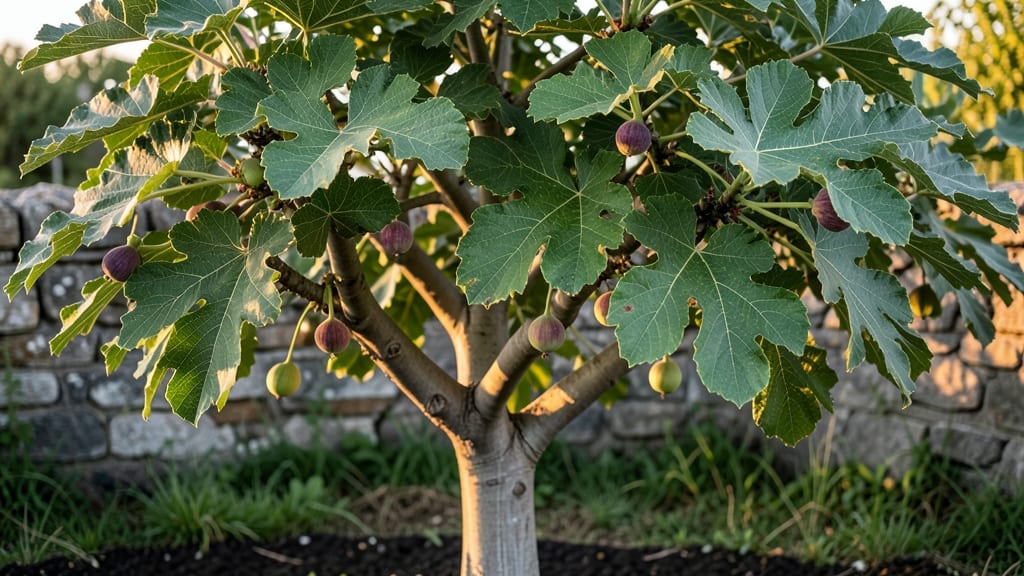
Growing a frost-resistant Ficus carica fig tree in the Pacific Northwest starts with the right pruning approach—one that balances winter survival with summer bounty. I’ve watched my own figs go from scraggly survivors to productive, sun-drenched stars by mastering this technique, and you can too.
The key isn’t just cutting back; it’s understanding how cold-hardy varieties like ‘Chicago Hardy’ or ‘Desert King’ respond to winter’s chill and how to shape them for maximum fruit.
Here’s the thing—fig trees in our damp, cool climate need structured pruning to avoid rot and encourage new growth. You’ll start by removing dead wood in early spring, then shape the tree in late winter before buds swell.
It’s not about shearing like a hedge; it’s about opening the center for airflow and sunlight while preserving next year’s fruit potential. Even in Zone 7, where frosts linger, the right cuts mean sweeter figs by summer.
What you’ll end up with is a tree that thrives through winter’s worst and rewards you with juicy, sun-ripened figs by August. The branches will be strong, the fruit plentiful, and the tree’s shape will be one you’re proud of—no more tangled messes or lost harvests.
Ready to transform your fig from a struggling underdog into a PNW powerhouse?
This method works for both container-grown figs and in-ground plantings, so whether you’re dealing with a small patio or a backyard plot, the principles stay the same. Let’s get those pruners sharp and those branches shaped!
📚 In This Guide
- What you need
- Instructions
- Tips and common mistakes
- Wrapping up and next steps
What you need
- ● Pruning shears – Bypass-style (for clean cuts), sharp, and disinfected (rubbing alcohol or bleach solution). Size: 6–8" blades for small branches.
- ● Loppers – For thicker branches (½"–2"). Look for ratchet-style for leverage.
- ● Pruning saw – Only if branches exceed 2". Bow saw or pruning saw with a fine-tooth blade.
- ● Gloves – Heavy-duty (leather or nitrile-coated) to protect from thorns and sap.
- ● Disinfectant – 70% isopropyl alcohol or 10% bleach solution (1 part bleach to 9 parts water) to sterilize tools between cuts.
- ○ Pruning sealant – Optional but helpful for large cuts (>1") to prevent disease. Use a tree wound sealant with benzoic acid.
- ● Frost cloth or row covers – Lightweight (30g/m²) to protect tender new growth if frost is forecasted after pruning.
- ○ Anti-desiccant spray – Optional for newly pruned branches in dry PNW winters (e.g., Wilt-Pruf).
- ● Marking twine or flags – For labeling cuts if you’re pruning for training (e.g., espalier).
- ● Heavy-duty trash bags – For hauling away pruned debris (fig branches can be thorny!).
- ● Garden hose or bucket – To rinse tools and remove sap residue.
- ● Work boots – Steel-toe or composite-toe for safety around thorns.
Step-by-Step guide for pruning Ficus carica in the Pacific Northwest
Here’s how to keep your fig tree healthy and productive through cold winters.
Time Your Pruning for Maximum Frost Resistance
Prune your Ficus carica in late winter or early spring, just as new growth begins. In the Pacific Northwest, aim for February to March when frost risk has passed but before buds swell. Pruning too early leaves branches vulnerable to cold damage, while waiting too long risks removing next year’s fruit buds.
Look for dormant branches—they’ll be stiff and brown. New growth appears as tiny, swollen buds along the stems. This is your cue that the tree’s energy is shifting from survival to growth, making it the perfect time to shape the tree without stressing it.
Remove Dead, Diseased, or Weak Wood First
Start by cutting out any dead, cracked, or diseased branches using clean, sharp pruners. These branches drain energy from the tree and invite pests. In the PNW, winter rains and cold can weaken wood, so be thorough. Look for branches that snap easily when bent or have blackened, mushy areas—these are clear signs of trouble.
Make your cuts at a 45-degree angle, about ¼ inch above a outward-facing bud or lateral branch. This encourages new growth to sprout in the right direction. If a branch is thicker than your pruners, use a pruning saw to avoid tearing the bark.
Thin the Canopy for Airflow and Sunlight
Next, thin the tree’s interior by removing crossing or rubbing branches—these create wounds where diseases like fig rust can take hold. In the PNW’s damp climate, airflow is critical. Aim to let light penetrate to the center of the tree, which helps prevent fungal issues and encourages even fruiting.
Focus on branches that grow inward or overlap. Cut them back to a side branch or bud that faces outward. You’ll know you’ve done enough when you can see at least 6 inches of clear space between branches. This also makes harvesting figs easier in summer.
Shape the Tree for Winter Hardiness
Now, shape the tree to reduce wind exposure—a key factor in PNW winters. Shorten long, leggy branches by one-third to create a compact, rounded form. This helps the tree retain heat and reduces the risk of breakage in storms. Avoid heavy pruning of young trees, as they need all their energy to establish roots.
Leave 3-5 strong, well-spaced branches as the main structure. These will bear the most fruit and support the tree’s weight. If your fig tree is mature, you can prune back to older wood—figs often fruit on 2- to 3-year-old branches, so don’t hesitate to trim back to these sturdy stems.
Clean Up and Protect for Winter
After pruning, sterilize your tools with rubbing alcohol to prevent spreading disease. Rake up and dispose of pruned branches—don’t compost them, as fungal spores may linger. In the PNW, where winters can dip below 20°F, consider wrapping the trunk with burlap or a tree guard to protect it from cold winds.
Apply a 2- to 3-inch layer of mulch around the base (but not touching the trunk) to insulate roots. This helps regulate soil temperature and retains moisture for early spring growth. Water the tree deeply before the first hard frost to ensure it’s hydrated for dormancy.
Tips & tricks for pruning Ficus carica in the Pacific Northwest
Pruning your fig tree for PNW winters takes some finesse—here’s how to avoid common mistakes and maximize your tree’s resilience.
Timing is Everything: In Step 1, don’t rush into pruning just because the calendar says February. Check for those tiny swollen buds—this visual cue means your tree is ready. If buds haven’t appeared by mid-March, wait another week. I’ve seen trees in sheltered microclimates stay dormant longer, so always go by growth signals, not just dates.
Sterilization Matters: After Step 5, when you’re cleaning up, take this extra precaution: wipe your pruners with rubbing alcohol between cuts on diseased branches. I learned this the hard way after pruning a branch with fig rust and seeing new infections appear on healthy branches. A 10-second wipe prevents spreading fungal spores that thrive in the PNW’s damp climate.
Winter Protection Hacks: For trees in exposed areas where temperatures dip below 20°F, go beyond just wrapping the trunk. Install a temporary windbreak using burlap sacks filled with straw—this creates a microclimate that can raise temperatures by 5-10°F around the tree. I’ve seen this make a dramatic difference in protecting young figs during our coldest snaps.
Mulching Strategy: When applying that 2- to 3-inch layer of mulch in Step 5, use a mix of wood chips and straw. The straw insulates better in winter while breaking down to add organic matter. Keep it piled higher (3-4 inches) around the trunk’s base—this creates an extra insulating blanket that helps regulate soil temperature through our unpredictable PNW winters.
Pro Tips for Ficus Carica Fig Tree
- Pruning your fig tree for PNW winters takes some finesse—here’s how to avoid common mistakes and maximize your tree’s...
- Timing is Everything: In Step 1, don’t rush into pruning just because the calendar says February. Check for those tin...
- Sterilization Matters: After Step 5, when you’re cleaning up, take this extra precaution: wipe your pruners with rubb...
Frequently asked questions
Can ficus carica fig trees survive Pacific Northwest winters without protection?
Yes! Many Ficus carica varieties, like Chicago Hardy or Desert King, are cold-hardy down to 10–15°F with proper care. In the PNW, mulch the base heavily (4–6 inches) with straw or wood chips, and prune in late winter to remove dead wood. Young trees may need winter wraps or burlap for extra insulation.
When is the best time to prune fig trees in the Pacific Northwest?
Prune Ficus carica trees in late winter or early spring (February–March) before new growth starts. Avoid pruning in fall, as it can stimulate tender shoots vulnerable to frost. If you must prune after harvest, do so lightly to avoid stressing the tree before winter.
How much can I prune a fig tree without harming it?
You can remove up to 30–50% of the canopy during dormant pruning, focusing on:
- Dead, diseased, or crossing branches
- Suckers at the base (non-fruiting growth)
- Overcrowded or weak wood
What if my fig tree doesn’t produce fruit after pruning?
Lack of fruit often stems from over-pruning or improper timing. Ensure you leave 3–5 mature branches per trunk (for established trees) and prune after harvest if needed. Figs need 6–8 hours of sunlight daily—shady spots reduce fruiting. Fertilize lightly in early spring with citrus-specific fertilizer.
Are there frost-resistant fig varieties better suited for the PNW?
Opt for hardy varieties like:
- Chicago Hardy (20°F tolerance, reliable crop)
- Desert King (15°F tolerance, large fruit)
- Osborn Prolific (10°F tolerance, prolific producer)
- Celeste (15°F tolerance, early ripening)
Wrapping up and next steps
Growing a frost-resistant Ficus carica fig tree in the Pacific Northwest is totally doable with the right pruning know-how!
By mastering seasonal cuts, protecting tender growth, and embracing the tree’s natural resilience, you’ll enjoy bountiful harvests year after year. Remember: patience and consistency are key—your fig tree will reward you with sweet, homegrown fruit!
Ready to take the next step? Start small:
- 🌱 Observe your tree’s growth patterns this season.
- 📝 Jot down notes on what worked (or didn’t) during pruning.
- 🌟 Experiment with techniques like pollarding or winter wraps next year!