Trees
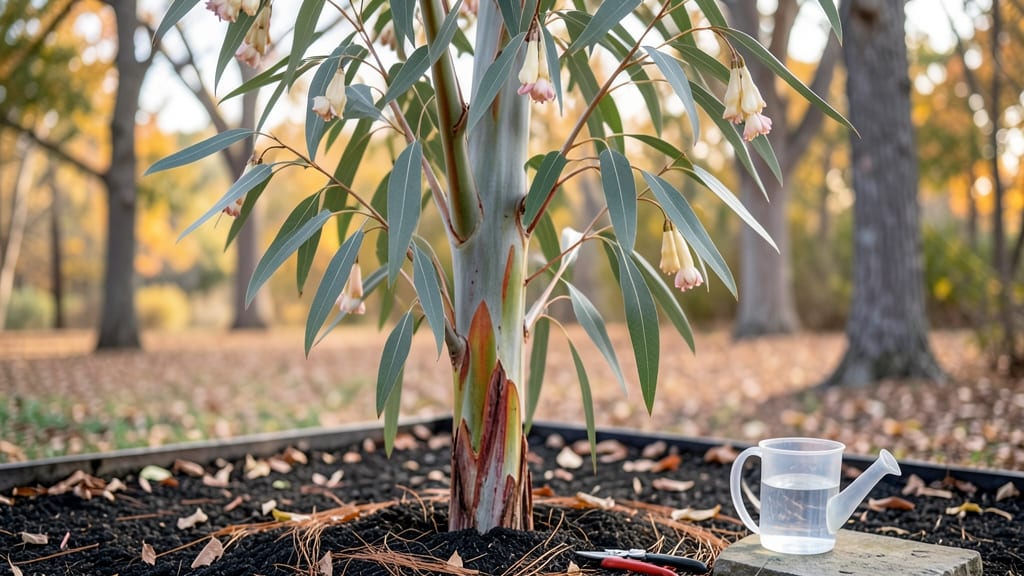
The rainbow eucalyptus tree (Eucalyptus deglupta) transforms any garden into a living work of art with its vibrant, peeling bark that shifts from green to red to orange over time. 🌈 I first spotted one in a Portland nursery, and its bold colors made me realize how much a single tree could elevate a landscape—especially in the Pacific Northwest’s mild, frost-resistant climate.
This isn’t just another tree; it’s a year-round statement piece that brightens even the grayest winter days.
What makes it so special is how its bark changes with the seasons—emerging green in spring, deepening to red and orange by fall, then fading to a soft silver-gray as it peels away.
It thrives in zones 9-11 but handles coastal climates better than most eucalyptus, making it perfect for gardens along the Pacific coast. Pair it with ferns, rhododendrons, or native grasses to create a layered, textured look that feels both wild and intentional.
Imagine your garden as a canvas where this tree becomes the focal point—its trunk a living sculpture that draws the eye and sparks conversations. The best part? It grows relatively fast (up to 3 feet per year) and stays compact enough for smaller yards if pruned regularly.
You’ll get that wow factor without sacrificing practicality, and the scent of its leaves adds a bonus sensory experience.
Whether you’re designing a bold statement garden or adding a pop of color to a shady corner, this tree delivers drama with minimal effort. Just give it well-draining soil and partial sun, and let its natural beauty take over. Ready to make your landscape unforgettable?
📚 In This Guide
- What you need
- Instructions
- Tips and common mistakes
- Wrapping up and next steps
What you need
- ● Eucalyptus Trees: 1–3 frost-resistant eucalyptus varieties (e.g., Eucalyptus gunnii, Eucalyptus cinerea, or Eucalyptus vernicosa) – Choose young saplings (3–5 feet tall) for easier planting.
- ○ Optional: Mature trees (10+ feet) for instant impact, but require heavy machinery for transplanting.
- ● Soil & Amendments: Well-draining, slightly acidic soil (pH 5.0–6.5). Mix in 1 part compost and 1 part perlite per 3 parts native soil.
- ○ Optional: Slow-release fertilizer (e.g., 10-10-10, 1 lb per tree) for nutrient boost.
- ● Planting Supplies: Garden shovel or trowel (for saplings) or excavator (for mature trees).
- ● 5-gallon buckets (1 per tree) for watering during transplant shock.
- ● Mulch (3–4 inches of wood chips or bark) to retain moisture and regulate temperature.
- ● Frost Protection (Pacific Northwest-Specific): Frost cloth (1–2 sheets, 6x8 feet) for young trees during unexpected cold snaps (<32°F).
- ○ String lights or LED grow lights (optional) to extend daylight in early spring for vibrant foliage.
- ● Climate Check: Ensure your zone is USDA Hardiness Zones 7–9 (Pacific Northwest fits perfectly!).
- ● Sunlight: Full sun (6+ hours daily) for optimal rainbow-colored foliage.
- ● Water Access: Drip irrigation system or hose with a gentle spray nozzle for deep watering.
- ● Local Regulations: Verify permits for large-scale planting or tree removal (if sourcing mature specimens).
- ● Patience: Rainbow hues peak in 2–3 years for young trees; mature trees may take 5+ years.
How to plant and care for frost-resistant rainbow eucalyptus in the Pacific Northwest
Bring this vibrant, low-maintenance tree to your yard with these simple steps.
🌱 Step 1: Choose the Right Variety and Planting Spot
Rainbow eucalyptus (Eucalyptus deglupta) thrives in the Pacific Northwest's mild, wet climate, but only certain varieties handle occasional frost. Look for hardier cultivars like 'Rainbow Frost' or 'Purpureux'—these can tolerate brief dips to 20°F without damage. Plant in a location with partial shade (morning sun, afternoon shade) to protect leaves from harsh afternoon rays.
Check your soil's drainage first. Rainbow eucalyptus hates soggy roots, so avoid low spots where water pools. If your yard has heavy clay, amend the planting hole with 2-3 inches of coarse sand mixed into the native soil. The tree's vibrant bark and foliage will pop against evergreens or conifers, so consider planting near a 6-foot-tall shrub to highlight its multi-colored trunk.
🪴 Step 2: Plant Your Sapling at the Right Time and Depth
Spring is ideal for planting in the Pacific Northwest, but you can also plant in early fall before the first frost. Dig a hole twice as wide as the root ball but no deeper—rainbow eucalyptus roots spread horizontally, not downward. Gently loosen the roots if they're circling in the container, then place the tree so the top of the root ball sits 1 inch above ground level. This prevents water from pooling at the base.
Backfill with native soil mixed with 1 part compost to give it a nutrient boost. Water deeply right after planting to settle the soil and eliminate air pockets. You'll know it's right when the soil surface looks slightly damp but not glistening. Mulch with 2-3 inches of wood chips in a 3-foot-wide circle around the base, keeping mulch 6 inches away from the trunk to prevent rot.
☀️ Step 3: Water and Fertilize for Strong Growth
Water your rainbow eucalyptus once a week during the first growing season, giving it 1-2 gallons depending on the tree's size. After the first year, it becomes drought-tolerant, but check the soil 2 inches deep—if it feels dry, water deeply. Overwatering is the biggest mistake here; yellowing leaves usually mean you're giving it too much love.
Fertilize lightly in early spring with a balanced, slow-release fertilizer (10-10-10). Scatter ½ cup around the drip line and water it in. Avoid high-nitrogen fertilizers—they promote leafy growth at the expense of that stunning multi-colored bark. You'll see new growth within 4-6 weeks, signaling the fertilizer is working.
✂️ Step 4: Prune for Shape and Health
Prune in late winter or early spring before new growth begins. Remove any dead, diseased, or crossing branches first—these can harbor pests or block sunlight. Use clean, sharp pruners to make cuts just above a leaf node or outward-facing bud. The tree's natural shape is broad and rounded, so avoid heavy pruning unless you're shaping it for a specific look.
Watch for aphids or scale insects on new growth—they love eucalyptus sap. Spray with a soapy water solution (1 tablespoon mild dish soap per gallon of water) if you see sticky residue on leaves. Pruning encourages thicker, more vibrant bark, which is the real star of the rainbow eucalyptus. You'll notice the colors deepen as the tree matures, especially in full sun.
Tips & tricks for perfect rainbow eucalyptus planting
Here's what I've learned after growing these stunning trees in the Pacific Northwest—these little details make all the difference.
Variety Matters: That 20°F frost tolerance is only true for the hardier cultivars like 'Rainbow Frost' or 'Purpureux'. Regular rainbow eucalyptus can't handle freezing temps, so double-check your sapling's label before buying. I planted a regular one by accident once—it survived our first frost but lost all its leaves and took forever to recover.
Soil Prep Secret: When amending that planting hole with 2-3 inches of coarse sand, mix it thoroughly with the native soil rather than just adding it to the bottom. This creates better drainage throughout the entire root zone. I learned this the hard way when my first tree developed root rot in a heavy clay spot.
Watering Wisdom: That once-a-week watering during the first year is a guideline, not a rule. Check the soil 2 inches deep—if it's still damp, wait another day. Overwatering is the #1 killer of young rainbow eucalyptus. I've seen people drown these trees by following schedules instead of observing the plant's needs.
Fertilizer Timing: Those 4-6 weeks until you see new growth after fertilizing can feel like forever, but don't be tempted to add more. Too much nitrogen will give you lush leaves but dull bark colors. I've seen people add fertilizer every month—don't make that mistake!
Pro Tips for Eucalyptus Trees Rainbow
- Here's what I've learned after growing these stunning trees in the Pacific Northwest—these little details make all th...
- Variety Matters: That 20°F frost tolerance is only true for the hardier cultivars like 'Rainbow Frost' or 'Purpureux'...
- Soil Prep Secret: When amending that planting hole with 2-3 inches of coarse sand, mix it thoroughly with the native ...
Frequently asked questions
Got questions about the stunning eucalyptus trees rainbow phenomenon in the Pacific Northwest? You’re not alone! Here are some of the most common queries—and their answers—to help you make the most of this frost-resistant, color-filled spectacle.
Why do eucalyptus trees change colors in the PNW, and how long does the “rainbow” effect last?
The vibrant hues—ranging from pink and purple to orange and red—are caused by corymbiformis eucalyptus species reacting to cold temperatures (below 28°F). Unlike deciduous trees, they don’t shed leaves but instead oxidize them, creating a dazzling display. The peak typically lasts 2–4 weeks, often from late December to early February, depending on frost timing.
Can eucalyptus trees survive PNW winters, or do they need extra protection?
Most corymbiformis varieties are frost-resistant down to 15°F, thriving in the PNW’s mild winters. However, young trees (<3 years old) may need mulch or burlap wraps for the first few winters. Established trees rarely need intervention—just avoid overwatering in winter to prevent root stress!
Are there alternatives to eucalyptus for a similar winter color show?
If you’re eyeing a rainbow effect but want lower-maintenance options, consider:
- Crabapple trees (e.g., ‘Royalty’): Bold reds/oranges, but less vibrant than eucalyptus.
- Dogwoods (e.g., ‘White Winterhawk’): Stunning pink blooms in winter.
- Smoke trees (Cotinus): Fuzzy purple foliage that persists into frost.
How do I care for a eucalyptus tree after the frost-induced color fades?
Once the oxidized leaves drop (usually by spring), focus on:
- Pruning: Trim dead branches in late winter/early spring to encourage new growth.
- Watering: Deep water once a week (less in winter) unless drought strikes.
- Sunlight: Ensure 6+ hours of sun—shady spots dull the rainbow effect.
Where are the best spots to see natural eucalyptus “rainbows” in the PNW?
Head to these frost-prone hotspots for the most dramatic displays:
Location
Why It’s Special
Portland, OR (e.g., Oregon Garden)
Urban eucalyptus groves with guaranteed frost by January.
Seattle, WA (e.g., Washington Park Arboretum)
Coastal microclimates extend the rainbow season into February.
Medford, OR (Rogue Valley)
Higher elevation = earlier and more intense color changes.
Wrapping up and next steps
The Pacific Northwest’s eucalyptus trees are more than just frost-resistant giants—they’re living rainbows, turning seasons into a dazzling spectacle of color. From the fiery hues of autumn to the soft blushes of spring, these trees prove nature’s artistry thrives even in cooler climates.
Whether you’re a gardener, a nature lover, or just someone who appreciates a good show, planting or admiring these trees is a celebration of resilience and beauty.
🌟 Ready to bring this magic to your space? Start small—research a frost-hardy variety, consult local experts, and take the first step toward creating your own eucalyptus rainbow. Every seedling is a promise of color, and every tree, a story waiting to unfold. Let’s grow something extraordinary together! 🌿