
Pruning
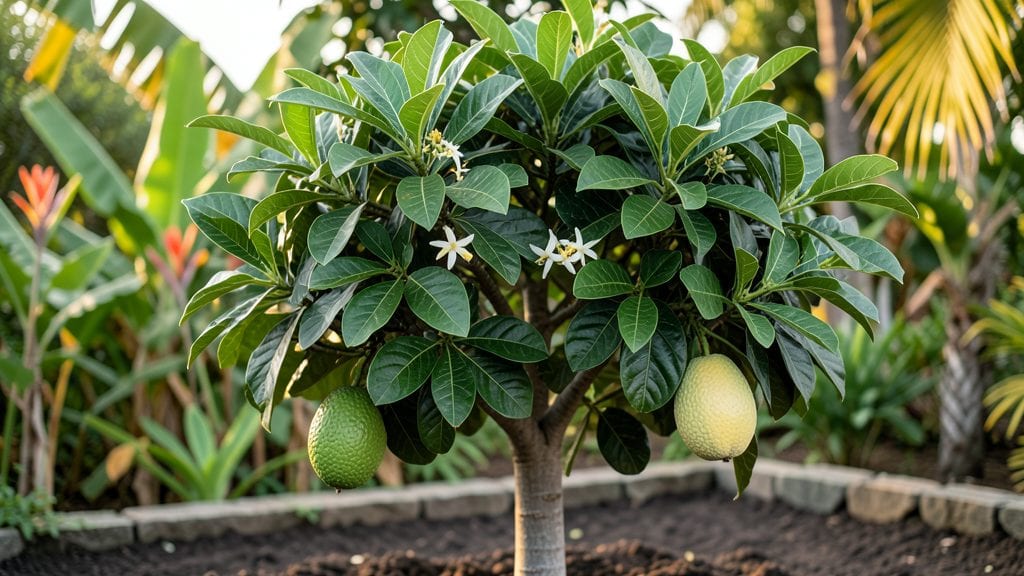
Growing cold-hardy exotic fruit trees in the Pacific Northwest isn’t just possible—it’s a game-changer for your yard. 🌿 I’ve watched my loquat tree survive winters with just a thin blanket of snow, while my fig produces sweeter fruit than anything I’ve ever bought at the store.
The secret lies in choosing varieties that thrive in your zone, not just dreaming about tropical flavors.
You’ll need the right soil mix—light, well-draining, and rich in organic matter—to mimic their native conditions. Planting in containers gives you flexibility to move trees indoors during hard freezes, while in-ground plantings reward you with deeper root systems and bigger harvests.
The key is patience: these trees take 3-5 years to bear fruit, but once they do, you’ll never look back.
Pruning in late winter opens the canopy to sunlight, while summer fertilization keeps roots strong. Watch for aphids and scale insects—they’re the biggest threats—but a strong spray of water or neem oil usually clears them up.
By midsummer, you’ll be harvesting persimmons, pomegranates, and even citrus that most gardeners in your region only dream of.
Whether you’re working with a small balcony or a backyard plot, these varieties adapt beautifully. The payoff? A garden that feels like a hidden tropical escape, right in the rain and chill of the PNW. Let’s get those trees growing!
📚 In This Guide
- What you need
- Instructions
- Tips and common mistakes
- Wrapping up and next steps
What you need
- ● Cold-hardy exotic fruit tree saplings: Choose from varieties like Nanking cherry (Prunus tomentosa), hardy fig (Ficus carica 'Chicago Hardy'), or arctic kiwi (Actinidia arguta). Buy 1-3 plants, depending on space and desired yield.
- ● High-quality potting mix: 5-10 gallons of well-draining, organic-rich soil (e.g., 60% topsoil, 30% compost, 10% perlite/sand). Avoid garden soil—it’s too dense!
- ● Container or planting site: Containers: 15-25 gallon pots with drainage holes (for urban growers). Use fabric grow bags for flexibility.
- ● In-ground: Dig a hole twice as wide as the root ball but no deeper. Amend soil with 2-3 lbs of slow-release fertilizer (10-10-10 ratio).
- ● Mulch: 2-3 inches of wood chips or straw to insulate roots (avoid fresh sawdust—it robs nitrogen!).
- ● Pruning tools: 1 pair bypass pruners (for clean cuts on branches <¼" thick).
- ● 1 pruning saw (for thicker branches).
- ● 1 sterilizing solution (70% isopropyl alcohol or bleach water) to prevent disease.
- ● Planting tools: 1 trowel or spade (for digging).
- ● 1 garden hose with nozzle (for watering).
- ○ Support structures (optional): 1-2 stakes or trellis (for vining plants like arctic kiwi).
- ● 1 roll soft plant ties (to secure branches without damaging bark).
- ● Sunlight: 6+ hours of full sun daily (south-facing spots are ideal). Partial shade is okay for figs but avoid deep shade.
- ● Climate prep: Protect young trees with frost cloth or a mini greenhouse during late frosts (temperatures below 20°F/-7°C).
- ● Monitor soil temperature—keep it above 45°F/7°C for root growth.
- ● Watering system: A drip irrigation kit or soaker hose (delivers moisture 1-2 inches/week; more in summer).
Step-by-step guide to planting cold-hardy exotic fruit trees in the Pacific Northwest
Here's how to establish thriving tropical-inspired fruit trees that survive PNW winters.
🌱 Step 1: Select the Right Varieties for Your Climate Zone
The Pacific Northwest's USDA Zones 7-9 allow for several cold-hardy exotic fruit trees that most gardeners overlook. Loquat (Eriobotrya japonica) thrives in zones 7-10, while Medlar (Mespilus germanica) handles zones 5-9. Jujube (Ziziphus jujuba) is another excellent choice for zones 5-9, producing sweet fruit even after light frosts.
Check your specific microclimate—valleys often stay 5-10°F warmer than hilltops. I always plant my loquat against a south-facing wall where it gets reflected heat. Avoid citrus varieties like Meyer lemon, which rarely survive below 20°F. Instead, opt for trees that can handle 10-15°F without protection.
🪴 Step 2: Prepare the Planting Site with Proper Drainage
Exotic fruit trees hate soggy roots, so amend native soil with 30% compost and 20% coarse sand or perlite to improve drainage. Dig a hole twice as wide as the root ball but only as deep—planting too deep suffocates roots. The top of the root ball should sit 1-2 inches above ground level to prevent waterlogging during heavy PNW winters.
For container-grown trees, remove the pot and tease apart roots that circle tightly. A 5-gallon tree needs a 6-foot diameter planting area, while larger specimens require 8-10 feet of space. Mulch with 3-4 inches of wood chips, keeping it 6 inches away from the trunk to prevent rot.
☀️ Step 3: Plant at the Optimal Time and Provide Winter Protection
In the Pacific Northwest, late spring (after last frost, around May 15th) is ideal for planting. Harden off container-grown trees by placing them outside for 3-4 hours daily the week before transplanting. Water deeply 2-3 days before moving to reduce shock.
For winter protection, wrap young trees (under 3 years old) with burlap or frost cloth in late fall. Remove it on warm days above 40°F to prevent moisture buildup. Mature trees develop cold tolerance, but loquats still benefit from a thick layer of mulch (6+ inches) around the base. Avoid plastic wraps—they trap cold air and can damage bark.
✂️ Step 4: Prune for Structure and Fruit Production
Prune exotic fruit trees in early spring (March) before new growth begins. Remove dead, crossing, or weak branches first, then thin the canopy to allow sunlight penetration. Open-centered shapes work best for fruit production—aim for a vase-like structure with 4-6 main scaffold branches.
For loquats and medlars, I prune lightly in summer after fruiting to encourage next year's crop. Never remove more than 25% of the canopy in one season—these trees are slow to recover. Sterilize pruners with rubbing alcohol between cuts to prevent bacterial spread, especially in wet PNW climates.
💧 Step 5: Water and Fertilize for Long-Term Health
Young trees need deep watering every 5-7 days during the first growing season, while established trees thrive on weekly deep soakings in dry periods. Check soil moisture by sticking your finger 3 inches deep—water when it feels dry. Overwatering is the #1 killer of exotic fruit trees in the PNW.
Fertilize in early spring with a balanced 10-10-10 formula, then switch to low-nitrogen (5-10-10) in summer to encourage fruiting. I always top-dress with compost tea in late summer to boost root health before winter. Avoid high-nitrogen fertilizers—they promote leafy growth at the expense of fruit.
Tips & tricks for perfectly thriving cold-hardy exotic fruit trees
These practical insights will help you navigate the nuances of cultivating exotic fruit trees that defy PNW winters.
Variety Selection: When choosing between loquats, medlars, and jujubes, consider their specific cold tolerance thresholds. Loquats can handle down to 10°F with proper protection, while medlars are even more resilient at 15°F. I've found that positioning jujubes against south-facing walls adds an extra 5°F of protection during cold snaps—this simple placement can mean the difference between survival and damage.
Soil Preparation: The 30% compost to 20% sand ratio is non-negotiable for these tropical-inspired trees. I always test my amended soil by pressing my finger 3 inches deep—if it feels damp but not soggy, you've got the right balance. For heavy clay soils common in the PNW, add an extra 10% perlite to prevent compaction. Remember, these trees originate from regions with well-draining volcanic soil, so mimic that environment as closely as possible.
Winter Protection Strategy: For young trees under 3 years old, I've developed a layered protection system: first wrap with burlap, then add 6 inches of straw mulch, and finally cover with frost cloth. This combination handles the 10-15°F range without trapping moisture. The key is removing the frost cloth on days above 40°F to prevent fungal growth—a mistake I made my first winter that led to bark rot.
Pruning Precision: When pruning in March, focus on creating that open-centered vase shape with 4-6 main branches. I use a simple visual guide: each scaffold branch should be about one-third the height of the tree. For summer pruning of loquats and medlars, I limit cuts to only what's necessary for airflow—these trees are sensitive to over-pruning. Always sterilize your tools between cuts to prevent bacterial spread, especially in our damp climate.
Pro Tips for Exotic Fruit Tree
- These practical insights will help you navigate the nuances of cultivating exotic fruit trees that defy PNW winters.
- Variety Selection: When choosing between loquats, medlars, and jujubes, consider their specific cold tolerance thresholds.
- Soil Preparation: The 30% compost to 20% sand ratio is non-negotiable for these tropical-inspired trees.
Frequently asked questions
Got questions about growing exotic fruit trees in the Pacific Northwest? You’re not alone—these cold-hardy varieties can be tricky! Here are answers to the most common questions to help you thrive.
Which exotic fruit trees survive PNW winters best?
The hardiest options include Medlar (Mespilus germanica), Nanking cherry (Prunus tomentosa), and Hardy kiwi (Actinidia arguta). These tolerate temps down to -15°F (-26°C) with proper care. Always check your USDA zone for specifics!
How long does it take for exotic fruit trees to bear fruit?
Patience is key! Most exotic trees take 3–5 years to fruit, though some (like Nanking cherries) may produce in 2 years if well-cared-for. Dwarf varieties often fruit faster—perfect for small spaces!
Do I need to protect my tree from frost?
Yes! Young trees (under 3 years) benefit from burlap wraps or tree guards in late fall. For heavy frosts, use row covers or a string light setup to create warmth. Mulch heavily around the base too—it’s a game-changer!
Can I grow exotic fruit trees in containers?
Dwarf varieties like hardy figs (Ficus carica 'Chicago Hardy') or dwarf persimmons thrive in 15–25 gallon pots with well-draining soil. Just ensure they get full sun and winterize containers with insulation or move them indoors.
What pests should I watch for with exotic fruit trees?
Common culprits include aphids, scale insects, and fruit flies. Use neem oil or insecticidal soap for early treatment. Birds can also be a problem—try netting during harvest season!
Pro Tip:
If your tree isn’t fruiting, check for cross-pollination needs (some varieties require a second tree!). Also, ensure it gets 6+ hours of sunlight daily—exotic trees are sun-worshippers!
Wrapping up and next steps
Growing exotic fruit trees in the Pacific Northwest’s cooler climate is absolutely doable—with the right variety, care, and a dash of patience! 🌱 From loquats to figs, these cold-hardy gems reward you with unique flavors and stunning foliage.
Whether you’re a seasoned gardener or just starting, now’s the perfect time to plant, prune, and savor the fruits of your labor.
Ready to take the next step? Start small—pick one variety that excites you, gather your tools, and dive in! 🌟 Your future harvest (and Instagram-worthy garden) awaits!