
Trees
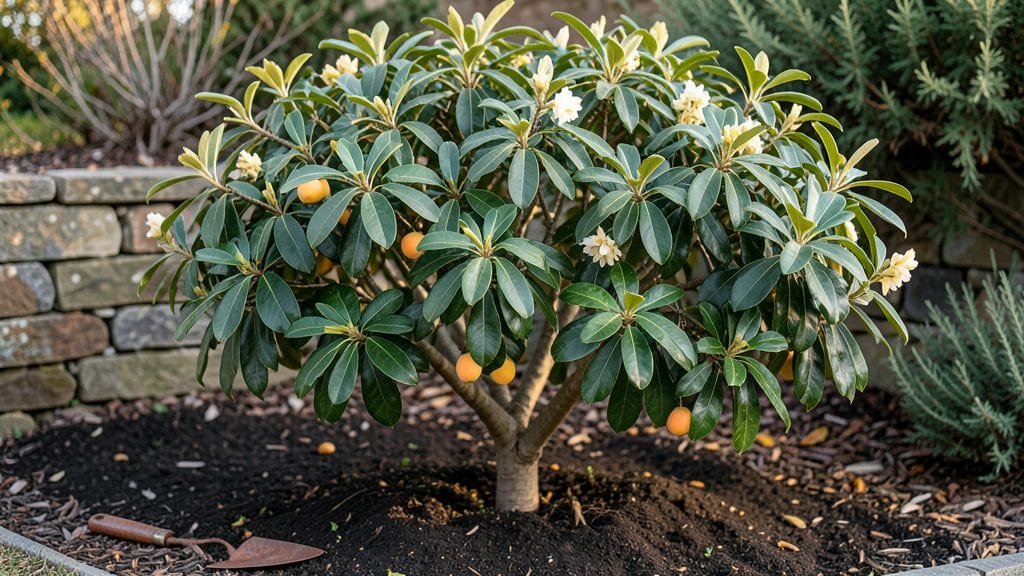
Caring for a loquat tree in the Pacific Northwest means mastering frost-resistant pruning to unlock those sweet, fragrant blooms every spring. 🌸 I’ve watched my own tree go from a scraggly sapling to a productive fruit-bearing beauty—all by understanding when and how to shape it for our chilly climate.
The key isn’t just cutting branches; it’s timing those cuts to protect the tree’s heart from late frosts while encouraging strong new growth.
You’ll need sharp pruning shears, a clean saw for thicker branches, and a clear day when the tree isn’t stressed by heat or cold.
Most pruning happens in late winter or early spring, right after the last frost warning, but I also do a light cleanup in summer to improve airflow.
The goal is to open up the center of the tree so sunlight reaches all the way to the trunk—this prevents disease and encourages more fruit production.
What you’ll end up with is a tree that blooms reliably year after year, even in our damp, cool winters. The flowers are stunning, and when they turn into fruit, the flavor is like a cross between peach and apricot—something you won’t find in stores.
Plus, the tree stays compact enough for smaller yards, making it a perfect fit for urban gardens too.
Whether you’re a first-time grower or a seasoned gardener, the principles stay the same: prune at the right time, keep the tree healthy, and enjoy the rewards. Let’s get your loquat tree thriving for seasons to come!
📚 In This Guide
- What you need
- Instructions
- Tips and common mistakes
- Wrapping up and next steps
What you need
- ● Loquat tree: Choose a Eriobotrya japonica variety (e.g., 'Big Jim' or 'Champagne')—bare-root or potted, sized for your space.
- ○ Soil: 5–10 lbs of well-draining, slightly acidic soil mix (pH 5.5–6.5). Amend with compost (2–3 lbs) or peat moss (optional for moisture retention).
- ● Fertilizer: Balanced 10-10-10 fertilizer (1 lb per tree for young saplings; 2–3 lbs for mature trees).
- ○ Slow-release citrus/loquat-specific fertilizer (optional but ideal).
- ● Pruning tools: Bypass pruners (sharp, sterilized with rubbing alcohol).
- ● Loppers (for thicker branches, 1–2 pairs).
- ● Hand saw (for frost-damaged wood, 7–10 inches long).
- ● Mulch: 2–3 inches of wood chips or straw (avoid fresh mulch near the trunk).
- ● Watering supplies: Drip irrigation kit or soaker hose (for deep watering).
- ● Water storage (5–10 gallons, if drought-prone).
- ● Frost protection: Frost cloth (1–2 sheets) or burlap wraps for young trees.
- ● Pest control: Neem oil spray (for aphids/mites) or copper fungicide (preventative).
- ● Support: Tree stake + soft tie (for newly planted saplings).
- ● Soil test kit: To check pH/nutrients before planting (pro tip: PNW soil can be heavy—test first!).
Step-by-Step guide to pruning your loquat tree for Pacific Northwest blooms
Here's how to keep your loquat tree thriving through our region's frosty winters and still packed with spring flowers.
✂️ Step 1: Time Your Pruning for Late Winter Dormancy
Prune your loquat tree in late winter—right after the last frost date but before new growth starts. In the Pacific Northwest, this is typically February to early March. Cold-hardy loquats can handle light frosts, but pruning too early risks damaging tender new buds.
Look for dormant branches—they'll be leafless and stiff, not the soft, swollen look of spring growth. I always prune on a dry day after a light frost; the chill helps prevent disease spread. Use clean, sharp pruners to make cuts at a 45-degree angle just above a bud or branch collar.
🌿 Step 2: Remove Dead, Diseased, or Crossing Branches First
Start by eliminating any dead wood—it's easy to spot as brittle, dark branches that snap when bent. Cut these back to the main trunk or a healthy side branch. Next, remove any branches showing signs of disease like black spots, oozing sap, or fungal growth.
Watch for branches that cross or rub against each other—these create wounds that invite pests. I like to step back and look at the tree's shape from all sides; this helps me see which branches are competing for sunlight. Remove about 10-15% of the tree's total branches in this step—don't overdo it.
☀️ Step 3: Thin the Canopy for Better Airflow and Light
Loquats need good airflow to prevent fungal issues, so aim to open up the center of the tree. Remove branches growing inward that block sunlight from reaching the center. Focus on branches that are thinner than a pencil—these won't produce much fruit anyway.
I always leave the strongest, most outward-facing branches. You'll know you've done well when you can see light shining through the canopy from multiple directions. This also makes fruit easier to pick later—no more wrestling with tangled branches!
⏰ Step 4: Shape for Frost Protection and Future Growth
Loquats handle frost better when their branches aren't too dense. Round the tree slightly by trimming back any branches that grow straight up or outward too aggressively. Cut these back by about one-third to encourage a bushier, more compact shape.
Pay special attention to the lower branches—these are most vulnerable to frost. If they're too low, they'll get damaged by late spring frosts when flowers are forming. I like to keep the bottom of the tree about 3-4 feet off the ground for best results.
💧 Step 5: Clean Up and Apply Post-Pruning Care
After pruning, rake up all the debris and dispose of it—don't compost diseased branches. Sterilize your pruners with rubbing alcohol between cuts to prevent spreading any pathogens. Now's also the time to apply a balanced fertilizer (like 10-10-10) to help the tree recover.
Water deeply right after pruning to help the tree heal. You'll see new growth buds within a few weeks—that's your sign everything's working. Keep an eye out for any suckers (shoots growing from the base) and remove them to maintain the tree's energy for fruit production.
Tips & tricks for perfect loquat tree pruning
Pruning your loquat tree might seem intimidating, but these little-known tricks will help you achieve that perfect balance between frost resistance and abundant blooms.
The Frost Timing Factor: In Step 1, when you're planning your late winter pruning, check your local frost calendar for the last frost date. I've learned the hard way that pruning too early can damage those tender buds just starting to swell—wait until you're sure the worst frosts are behind us. For the Pacific Northwest, that's usually after February 15th, but always verify with your local extension office. A light frost the day before pruning actually helps prevent disease spread, so don't skip that chill!
Branch Assessment Shortcut: In Step 2, when identifying dead wood, use the "bend test" - healthy branches bend slightly without snapping. For disease detection, look for branches with black spots or oozing sap—these should be removed immediately. Here's a pro move: wrap the cut ends with tree sealant tape to prevent moisture loss and pest entry. I keep a roll in my gardening toolkit specifically for this purpose.
Canopy Light Test: After thinning in Step 3, test your work by standing under the tree on a sunny day. You should see light patches through the canopy—this means you've created that crucial airflow. For branches thinner than a pencil, use sharp pruners to make clean cuts just above a bud or branch collar. Remember, these thin branches won't produce much fruit anyway, so removing them actually helps the stronger branches thrive.
Frost Protection Hack: When shaping in Step 4, pay special attention to those lower branches—these are frost magnets. I like to create a natural "skirt" by removing branches below the 3-4 foot mark. This opens up the center for better airflow and prevents frost damage to next year's flower buds. For aggressive upward growth, cut back by one-third to encourage bushier, more compact growth that handles frost better.
Pro Tips for Loquat Tree Care
- Pruning your loquat tree might seem intimidating, but these little-known tricks will help you achieve that perfect balance between frost resistance and abundant blooms.
- The Frost Timing Factor: In Step 1, when you're planning your late winter pruning, check your local frost calendar for the last frost date.
- Branch Assessment Shortcut: In Step 2, when identifying dead wood, use the "bend test" - healthy branches bend slightly without snapping.
Frequently asked questions
How cold can loquat trees handle in the PNW?
Loquat trees (Eriobotrya japonica) are surprisingly hardy! They tolerate brief dips to 15–20°F (-9 to -7°C), making them great for the PNW’s mild winters. However, young trees or late frosts (below 28°F/-2°C) can damage blossoms—so time pruning carefully after frost risk passes (usually late winter to early spring).
When is the best time to prune for PNW blooms?
Prune late winter to early spring (February–March) when the tree is dormant but before buds swell. This timing ensures you remove dead wood while preserving next year’s fruit-bearing branches. Avoid pruning after blooming—you’ll cut off potential fruit! For frost-prone areas, a light prune in late fall can reduce winter damage.
Can I prune too much? What’s the ideal shape?
Yes! Over-pruning stresses the tree. Aim to remove no more than 20–30% of the canopy per year. For shape, open the center to improve airflow (critical for fungal prevention) and trim branches that cross or rub. Loquats naturally grow round and bushy—avoid turning them into formal topiaries. Pro tip: Use sharp bypass pruners for clean cuts!
Why are my loquat leaves yellowing or dropping?
Yellow leaves often signal overwatering, nutrient deficiency, or fungal issues. Check soil moisture (loquats hate soggy roots)—water deeply but let soil dry between sessions. Yellowing edges? Likely iron deficiency (common in alkaline PNW soil). Apply chelated iron or compost. For sudden leaf drop, inspect for spider mites or scale insects—spray with neem oil if needed.
Can I grow a loquat tree from seed? Will it fruit?
Technically yes, but seed-grown trees rarely fruit reliably—they take 5–10 years (vs. 2–3 for grafted varieties). For PNW growers, buy a grafted tree (like ‘Big Jim’ or ‘Champagne’) for faster, sweeter harvests. Seeds are fun for experiments, but grafted trees are the gold standard for fruit production!
Wrapping up and next steps
Caring for your loquat tree in the Pacific Northwest is all about balancing pruning precision and frost resilience—and you’ve got the know-how! With the right tools, timing, and techniques, you’ll enjoy vibrant blooms and sweet fruit for years to come. 🌸
Ready to put your skills to the test? Start by scheduling your next pruning session—whether it’s shaping for winter or preparing for spring growth. Your loquat tree (and future harvest!) will thank you.