
Pruning
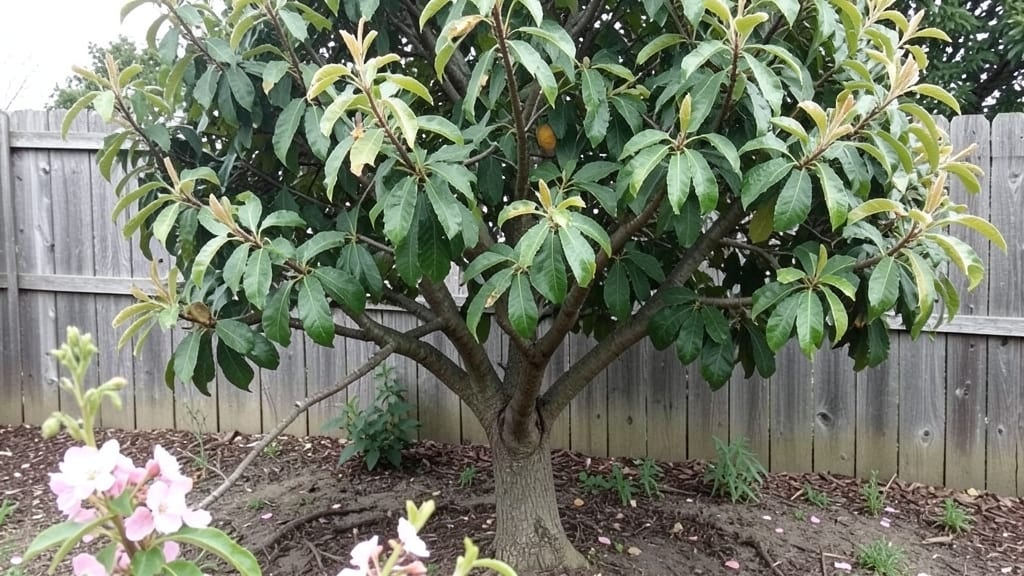
The Eldorado peach tree thrives in the Pacific Northwest's chilly winters—its cold-hardy nature makes it a game-changer for fruit lovers who've given up on peaches before. I planted mine last spring, and this year, the blooms are already out, defying the frost warnings.
The secret isn't just its resilience; it's how you shape those branches to maximize fruit while keeping the tree healthy.
Pruning isn't about hacking away—it's about opening the tree to sunlight and air. You'll need sharp pruners, a ladder (unless you're a contortionist), and a clear day when the tree's dormant. Start in late winter before buds swell, and focus on removing dead wood and crossing branches.
The Eldorado responds beautifully to this care, producing sweeter fruit and fewer pests than neglected trees.
By summer, you'll see the payoff: clusters of fragrant white blossoms followed by juicy, golden peaches that ripen just in time for late-season harvests. The tree's compact growth habit means it fits well in small yards, and with proper pruning, it lives for decades.
Here's how to keep yours thriving through every season.
Whether you're dealing with wet winters or hot summers, this variety adapts—but it needs your guidance. The key is timing: prune at the right moments, and you'll turn a finicky fruit tree into a reliable producer. Let's get those branches in shape for next year's harvest.
📚 In This Guide
- What you need
- Instructions
- Tips and common mistakes
- Wrapping up and next steps
What you need
- ○ Pruning shears: Bypass pruners (sharp, clean, and rated for branches up to ½ inch thick). Optional: Loppers for thicker branches (up to 1½ inches).
- ● Hand saw: Pruning saw with a curved blade for branches over 1½ inches in diameter.
- ● Disinfectant: 70% isopropyl alcohol or a 10% bleach solution (1 part bleach to 9 parts water) to sterilize tools between cuts.
- ● Gloves: Heavy-duty gardening gloves (cut-resistant for safety).
- ○ Pruning sealant: Tree wound pruning paste (optional but helpful for larger cuts).
- ● Bucket or bag: For collecting pruned branches (5-gallon capacity recommended).
- ● Ladder (if needed): Sturdy, extendable ladder (ensure it’s tall enough for your tree’s height—Eldorado peaches can reach 15–20 feet!).
- ● Timing: Prune your Eldorado peach tree during dormant season (late winter/early spring, before buds swell) or summer (after harvest, to shape the tree). Avoid pruning in fall to prevent disease.
- ● Weather: Choose a dry, calm day (rain or wind can stress the tree or spread disease).
- ● Safety gear: Safety glasses (to protect from debris) and long sleeves/pants (for thorn protection).
- ● Tree health check: Inspect the tree for signs of peach leaf curl or bacterial canker (dispose of infected branches immediately).
- ● Cleanup supplies: Rags or paper towels (for wiping tools) and a trash bag (for diseased branches).
Instructions for pruning your Eldorado peach tree
Here's the method I've used for years to keep my Pacific Northwest Eldorado peach tree thriving through cold winters and heavy blooms.
Time Your Pruning for Maximum Cold Hardiness
Prune your Eldorado peach tree during late winter or early spring, ideally 3-4 weeks before the last expected frost. This timing allows the tree to heal wounds before spring growth begins. The Eldorado variety handles cold better than most peaches, but proper pruning prevents winter dieback. Look for bare branches with no leaves—that's your cue the tree is dormant and ready.
Never prune in fall or early winter. Cutting too early exposes fresh wounds to fungal infections, and late pruning delays spring growth when the tree needs to build energy for fruit production. If you missed the window, wait until spring but avoid pruning after buds swell—you'll sacrifice next year's bloom.
Remove Dead, Diseased, or Crossing Branches First
Start by eliminating any dead, broken, or diseased wood—these branches won't produce fruit and can spread problems. Cut back to the main trunk or a healthy lateral branch, making clean cuts at a 45-degree angle just outside the branch collar. The Eldorado's dense growth means crossing branches are common, so remove any that rub together during wind.
Use sharp, clean pruners to make precise cuts—ragged edges invite disease. If you find a branch with blackened bark or oozing sap, cut it back until you see healthy green tissue. These dead branches often hide in the tree's dense canopy, so examine closely. I like to work from the inside of the tree outward to avoid leaning on branches while I cut.
Open the Canopy for Sunlight and Airflow
Thin the tree's center to create an open vase shape, letting sunlight reach the inner branches. Aim for 6-8 main scaffold branches spaced evenly around the trunk. Remove any branches growing straight upward—these compete with the leader and create weak crotches. The Eldorado's vigorous growth means it can handle aggressive thinning, but don't remove more than 25% of the canopy in one season.
Look for water sprouts (fast-growing vertical shoots) and suckers (shoots from the base)—these drain energy from fruit production. Cut these back to their point of origin. I always step back every few cuts to visualize the tree's shape. The goal is a balanced silhouette where light can penetrate to the center, preventing fungal issues common in dense peach canopies.
Shape for Fruit Production and Winter Resilience
Focus on fruit-bearing wood—these are the 1-2 year old branches with buds along their length. Shorten last year's growth by one-third, cutting just above an outward-facing bud. This encourages bushier growth and more fruiting spurs. The Eldorado's cold hardiness means it benefits from thicker branches, so avoid over-thinning.
Pay special attention to the tree's lower branches—these often produce the best fruit in the PNW's cooler climate. If a branch is too low, you can raise its origin by cutting back to a higher bud, but never remove all lower branches at once. This maintains the tree's stability and fruit production. After pruning, the tree should look like an open umbrella with room for air to circulate.
Clean Up and Protect the Tree
Rake up and dispose of all pruned branches—don't compost them, as fungal spores can survive. Sterilize your pruners with rubbing alcohol between cuts if you're working on diseased wood. For the Eldorado, I also apply a dormant oil spray after pruning to smother overwintering pests. This is especially important in the PNW, where peach leaf curl fungus thrives in wet winters.
Mulch the base of the tree with 2-3 inches of wood chips, keeping it 6 inches away from the trunk to prevent rot. Water deeply if the winter was particularly dry, as the tree will need moisture to heal pruning wounds. I always mark the pruning date on my calendar—this helps me remember to avoid heavy pruning in subsequent years, as the Eldorado responds well to light annual maintenance rather than drastic cuts.
Tips & tricks for pruning your Eldorado peach tree
Pruning your Eldorado peach tree right takes patience and precision—here's what I wish I knew when I first started that actually makes a difference.
Timing is Everything: The 3-4 week window before your last expected frost is non-negotiable for the Eldorado. I learned this the hard way after pruning too early one year—my tree took months to recover from winter dieback. Check your local frost dates and mark your calendar. If you're in the PNW, aim for late February to early March. The tree's dormant state (bare branches with no leaves) is your visual cue it's ready. In Step 1, if you see any green buds starting to swell, you've waited too long.
Branch Angle Matters: When you make those clean cuts at a 45-degree angle in Step 2, visualize the branch collar—the swollen area where the branch meets the trunk. Cut just outside this collar, never flush with it. I used to make uneven cuts, which led to poor healing and disease entry points. For crossing branches, make your first cut on the underside of the lower branch, then the upper cut—this prevents bark tearing. The Eldorado's dense growth means you'll find plenty of these crossings, so take your time.
Visualize the Final Shape: Before making any cuts in Step 3, step back and look at your tree's overall structure. The open vase shape should resemble an umbrella with sunlight reaching the center. I always sketch a rough diagram first—this helps me decide which branches to remove. For the Eldorado specifically, focus on maintaining those lower branches that produce the best fruit in our cooler climate. If you're unsure about a cut, wait 10 minutes and reassess—sometimes your initial instinct isn't right.
Cleanup Prevents Problems: After pruning, don't just pile those branches in your compost bin. In Step 5, I can't emphasize enough how important it is to dispose of all pruned material properly—fungal spores can survive and reinfect your tree. Also, sterilizing your pruners with rubbing alcohol between cuts prevents cross-contamination. For the Eldorado, which is prone to peach leaf curl, I go the extra mile by applying dormant oil spray after pruning. This single step has saved my trees from fungal issues in multiple wet PNW winters.
Pro Tips for Eldorado Peach Tree
- Pruning your Eldorado peach tree right takes patience and precision—here's what I wish I knew when I first started that actually makes a difference.
- Timing is Everything: The 3-4 week window before your last expected frost is non-negotiable for the Eldorado.
- Branch Angle Matters: When you make those clean cuts at a 45-degree angle in Step 2, visualize the branch collar—the swollen area where the branch meets the trunk.
Frequently asked questions
Got questions about pruning your Eldorado peach tree in the Pacific Northwest? Here are answers to the most common concerns—from timing to troubleshooting—so you can keep your tree thriving!
When is the best time to prune my Eldorado peach tree?
The ideal time is late winter or early spring (February–March), before buds swell but after harsh frosts pass. This balances cold hardiness with new growth. Avoid pruning in fall—it risks inviting disease or winter damage. Pro tip: If you must prune in summer, do it early (June) to avoid stressing the tree before dormancy.
How do I protect my Eldorado peach tree from Pacific Northwest winters?
Eldorado peaches are cold-hardy (USDA Zones 5-8), but young trees (<3 years) need extra care. Wrap the trunk with tree guards or burlap to prevent sunscald, and mulch heavily (3–4 inches) with straw or wood chips. Avoid heavy snow buildup—gently brush it off branches. Bonus: Plant near a south-facing wall for passive heat.
What if my Eldorado peach tree isn’t flowering or fruiting?
Check these first:
- Age: Trees need 3–5 years to mature and produce fruit.
- Sunlight: Ensure 6+ hours of full sun daily—peaches are sun-worshippers!
- Pruning mistakes: Over-pruning or cutting too late can delay blooms. Aim for 20–30% of the canopy per year.
- Pollination: Eldorado is self-pollinating, but bees still help. Plant near other fruit trees if blooms are sparse.
If issues persist, test soil pH (6.0–7.0 is ideal) or check for pests like peach tree borers.
Can I grow an Eldorado peach tree in a container?
Yes, but it’s challenging—peach trees have deep roots and need 5-gallon+ pots for young trees (or 15+ gallons for mature ones). Use fast-draining soil (cactus/succulent mix + compost) and fertilize monthly in growing seasons. Warning: Container trees may produce smaller fruit and need winter protection (move to a garage or wrap the pot).
What’s a good alternative if Eldorado peaches are hard to find?
Try these Pacific Northwest-friendly peach varieties:
- Redhaven: Classic, reliable, and cold-tolerant (Zone 5).
- Reliance: Disease-resistant and productive in cooler climates.
- Contender: Early bloomer with freestone fruit (easy to pit!).
- Dwarf varieties (e.g., Bonanza): Great for small spaces or containers.
Tip: Check local nurseries for grafted trees—they often have better cold resistance.
Wrapping up and next steps
Growing an Eldorado peach tree in the Pacific Northwest is totally doable—and with the right pruning know-how, you’ll be rewarded with abundant, sweet fruit year after year! 🌸 Remember, timing, technique, and consistency are your best friends.
Whether you’re a seasoned gardener or just starting out, these steps will help your tree thrive in even the chillier climates.
Ready to take the next step? Mark your calendar for late winter or early spring, grab your tools, and get pruning! With patience and care, your Eldorado peach tree will become the star of your orchard—and your table. Happy gardening! 🌱