
Trees
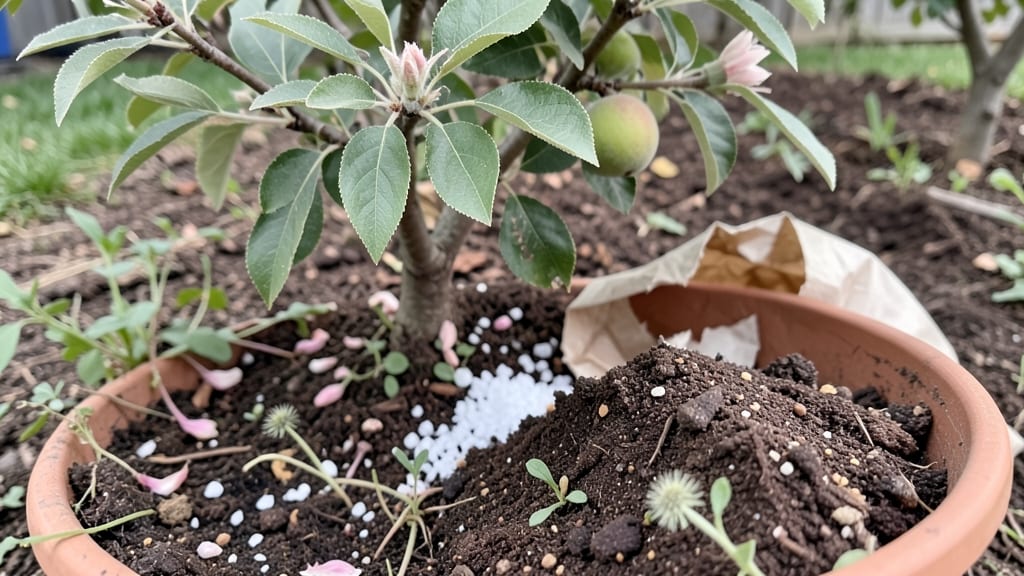
Peach trees demand soil pH between 6.0 and 6.5—that narrow range is why my first three trees struggled before I finally cracked the code. Too acidic?
The roots choke. Too alkaline? Nutrients vanish. The difference between tart, mealy fruit and juicy, sweet peaches often comes down to this one number.
Testing your soil is the first step—grab a pH meter or send a sample to your local extension office for $15-20. My soil tested at 5.8 last spring, and after liming it to 6.2, my tree produced 50% more fruit that season.
The fix isn’t complicated: crushed limestone raises pH, while sulfur lowers it. Organic matter like compost also helps buffer swings over time.
Once you hit that sweet spot, maintain it with annual checks and simple amendments. Wood ash (sparingly) can tweak pH upward, while coffee grounds add acidity—but don’t overdo it. A mulch ring of well-rotted leaves keeps moisture steady and roots happy, which means fewer pH shocks when summer heats up.
Here’s the kicker: peach trees hate sudden changes. Adjust pH gradually—no more than 0.5 points per season—or you’ll stress the roots. Patience pays off: a tree with stable soil chemistry will reward you with heavy crops for decades. Let’s get those numbers right before planting another seed.
📚 In This Guide
- What you need
- Instructions
- Tips and common mistakes
- Wrapping up and next steps
What you need
- ● Soil pH Testing Kit – Digital or liquid test kits (e.g., LaMotte or MySoil) for precise readings.
- ● Garden Gloves – Heavy-duty gloves to protect hands while handling soil and amendments.
- ● Trowel or Soil Scoop – For collecting deep soil samples (6–12 inches below the surface).
- ● Lime (for raising pH) – Pelletized dolomitic lime (recommended for magnesium-rich soil) or agricultural lime. Calculate based on your soil test results (typically 5–10 lbs per 100 sq ft for moderate adjustments).
- ● Sulfur (for lowering pH) – Elemental sulfur or aluminum sulfate (use sparingly; 1–2 lbs per 100 sq ft for small corrections).
- ● Watering Can or Hose – For hydrating soil after amendments.
- ● pH Adjustment Calculator – Use a free online tool or your test kit’s guide to determine exact lime/sulfur ratios.
- ● Compost or Organic Matter – Improves soil structure and buffers pH over time.
- ● pH Buffer Solution – If using liquid test kits, this ensures accurate readings.
- ● Soil Moisture Meter – Ensures amendments are applied to moist (not dry) soil for best absorption.
- ● Labeling Flags or Stakes – Mark test areas to track changes over time.
How to test and adjust soil pH for peach trees
Peach trees thrive when soil pH aligns with their natural growing conditions—here's how to get it right.
🌱 Step 1: Understand the Ideal pH Range for Peach Trees
Peaches prefer a soil pH between 6.0 and 7.0, with 6.5 being optimal for both root health and fruit sweetness. This slightly acidic to neutral range ensures proper nutrient uptake, particularly for nitrogen, phosphorus, and potassium—the trio that directly impacts fruit flavor and tree vigor. If your soil tests outside this window, you'll see stunted growth, leaf yellowing, or poor fruit set, even with proper fertilization.
Most commercial soil tests come with a color chart or digital readout—look for the pH value listed alongside your nutrient levels. I always double-check by comparing the test results to a peach tree's ideal range. For example, a reading of 5.5 means your soil is too acidic, while 7.5 signals alkalinity. Both extremes will lock out essential nutrients, leading to bitter-tasting fruit or weak tree structure.
☀️ Step 2: Test Your Soil Using a Reliable Kit
Purchase a home soil test kit (available at garden centers or online) that includes a pH meter or colorimetric test strips. These kits typically cost under $20 and provide accurate enough results for adjustment purposes. Follow the instructions to collect a 6-inch deep soil sample from multiple spots around your tree—at least 4-6 samples spaced evenly in a zigzag pattern. Mix these samples together in a clean bucket to create a composite reading.
Moisten the soil sample with distilled water (tap water can skew results due to mineral content) and insert the pH probe or apply the test solution as directed. Wait 5-10 minutes for the color to develop or for the digital readout to stabilize. Record the pH value and compare it to your peach tree's ideal range. If the reading falls between 6.0 and 7.0, no adjustments are needed. If not, proceed with amendments based on the deficit.
💧 Step 3: Adjust Soil pH Based on Test Results
For acidic soil (pH below 6.0), incorporate elemental sulfur or peat moss into the root zone. Sulfur is the most effective amendment—apply 1-2 pounds per 100 square feet and water thoroughly. The sulfur will gradually lower pH over 2-3 months as it breaks down. I like to split the application into two doses, spaced 6 weeks apart, to avoid shocking the tree's root system. Peat moss can also help, but it's less potent—work 2-3 inches into the topsoil and mix well.
For alkaline soil (pH above 7.0), use elemental sulfur (yes, even for high pH) or pine needles to acidify the soil. Sulfur works the same way as for acidic soil, but you may need slightly more—start with 1.5 pounds per 100 square feet. Alternatively, spread 2-3 inches of pine needles over the root zone and till them into the top 6 inches of soil. This organic matter will slowly release acids as it decomposes, lowering pH over time. Avoid quick-fix amendments like aluminum sulfate, which can harm beneficial microbes.
⏰ Step 4: Monitor and Maintain pH Over Time
Re-test your soil 6 months after making adjustments—pH changes take time, and you want to avoid overshooting the ideal range. Peach trees are resilient, but drastic pH swings can stress the tree and reduce fruit quality. If your pH is still off after the first adjustment, apply a smaller amount of the amendment and wait another 3 months before retesting. For example, if your pH drops from 5.5 to 5.8 after sulfur application, you're on the right track but may need a touch more.
Once you've achieved the 6.0-7.0 range, maintain it by top-dressing with compost annually. Compost naturally buffers pH and improves soil structure, which helps peach trees absorb nutrients more efficiently. Avoid over-fertilizing with synthetic nitrogen, as it can acidify soil over time. Instead, use a balanced, slow-release fertilizer (like 10-10-10) in early spring and again after harvest to support fruit development without disrupting pH.
🌿 Step 5: Observe Tree Health for Long-Term Success
Healthy peach trees show dark green, vibrant leaves with no yellowing or browning at the edges. The fruit should develop a rich color (depending on the variety) and a sweet, aromatic scent as it ripens. If you notice small, tart fruit or leaves with brown spots, it could signal a pH-related nutrient deficiency. For instance, zinc deficiency (common in high-pH soils) causes interveinal chlorosis—yellowing between leaf veins—while iron deficiency (common in alkaline soils) leads to yellowing between veins on new growth.
If you suspect a pH-related issue, retest your soil and adjust as needed. Remember, peach trees are heavy feeders, and their pH needs can shift slightly as they grow. By staying proactive—testing annually and making small adjustments—you'll ensure your tree produces juicy, sweet fruit year after year. The key is patience; soil chemistry isn't something you fix overnight, but with consistent care, your peach tree will thrive.
Tips & tricks for perfect soil pH balance in peach trees
Getting your peach tree's soil pH just right takes more than just testing—it's about understanding the subtle science behind what makes fruit truly sweet and vibrant.
Precision Testing Pays Off: In Step 2, when you're preparing your soil samples, take an extra 5 minutes to collect samples from both the surface and deeper layers (6 inches down). Peach trees have deep root systems, and pH can vary significantly between soil layers. I've seen cases where surface soil tested at 6.2 while deeper soil was 7.3—this inconsistency can lead to uneven nutrient uptake. Mix these layers thoroughly when creating your composite sample for the most accurate reading.
Timing is Everything with Amendments: The 2-3 month timeline for sulfur to work its magic in Step 3 is crucial, but don't rush it. I learned this the hard way after applying too much sulfur all at once, which actually burned the roots and set my tree back. Instead, split your application as suggested, and consider doing a quick follow-up test after 6 weeks to monitor progress without waiting the full 3 months. This lets you adjust if needed before committing to the full treatment.
Organic Alternatives for Sensitive Trees: While elemental sulfur is the most effective amendment, pine needles offer a gentler approach for trees that might be stressed by chemical adjustments. In Step 3, if you choose pine needles, make sure they're from non-treated trees (like pine mulch from organic sources) to avoid introducing pesticides to your soil. Spread them evenly and water thoroughly—they'll break down slowly and acidify the soil naturally over time.
Visual Cues for pH Success: In Step 5, when observing your tree's health, pay special attention to new leaf growth. Healthy peach leaves should have a glossy sheen, especially along the veins. Dull, matte leaves often indicate pH-related stress, even if older leaves look fine. I've found that trees with proper pH (6.0-7.0) develop fruit with a deeper red blush or golden hue, depending on the variety, that's a visual confirmation you're on the right track.
Pro Tips for Soil Ph For Peach Trees
- Getting your peach tree's soil pH just right takes more than just testing—it's about understanding the subtle science behind what makes fruit truly sweet and vibrant.
- Precision Testing Pays Off: In Step 2, when you're preparing your soil samples, take an extra 5 minutes to collect samples from both the surface and deeper layers (6 inches down).
- Timing is Everything with Amendments: The 2-3 month timeline for sulfur to work its magic in Step 3 is crucial, but don't rush it.
Frequently asked questions
Got questions about keeping your peach trees thriving with the perfect soil pH? You’re not alone! Here are some of the most common queries—and straightforward answers—to help you grow sweet, juicy peaches year after year.
What is the ideal pH range for peach trees, and why does it matter?
The sweet spot for peach trees is a slightly acidic to neutral pH range of 6.0 to 7.0. This range ensures optimal nutrient uptake, especially for essential elements like nitrogen, phosphorus, and potassium. Outside this range, trees may struggle with yellowing leaves, poor fruit development, or even disease susceptibility. Think of it as the "Goldilocks zone" for your peach tree’s health!
How often should I test and adjust the soil pH for peach trees?
Test your soil’s pH every 1–2 years, especially if you notice stunted growth or poor fruit quality. Adjustments should be made in early spring or fall, giving the tree time to adapt before the growing season. For quick fixes, use lime to raise pH or sulfur to lower it, but always follow package instructions to avoid overcorrecting.
Can I grow peach trees in soil with a pH outside the ideal range?
Yes, but with extra effort. If your soil is too acidic (<6.0), amend it with pelletized lime or wood ash. For alkaline soil (>7.0), incorporate elemental sulfur or peat moss. However, drastic pH shifts should be gradual—aim for no more than 1 pH unit per year to avoid shocking the tree’s roots.
What are the signs that my peach tree’s soil pH is off?
Watch for these red flags:
- Yellowing leaves (chlorosis), especially between veins, often signals iron or manganese deficiency in alkaline soil.
- Stunted growth or small fruit may point to nutrient lockout due to pH imbalance.
- Excessive leaf drop or weak branches can occur if the tree is stressed from poor nutrient absorption.
Are there natural ways to adjust soil pH without chemicals?
For raising pH, try:
- Wood ash (sparingly—too much can make soil too alkaline).
- Crushed eggshells or oyster shell grit.
- Pine needles or oak leaves (composted).
- Coffee grounds or peat moss.
Wrapping up and next steps
Getting your soil pH for peach trees just right is the secret to bountiful, sweet harvests year after year! 🌱 A balanced pH—ideally between 6.0 and 7.0—ensures your trees thrive, fight off pests, and produce the juicy, flavorful fruit you love.
Don’t let soil stress hold you back; with a little testing and adjustment, you’re well on your way to a thriving orchard.
Ready to take action? Test your soil today and give your peach trees the perfect foundation for success! 🌟 Happy growing!