
Pruning
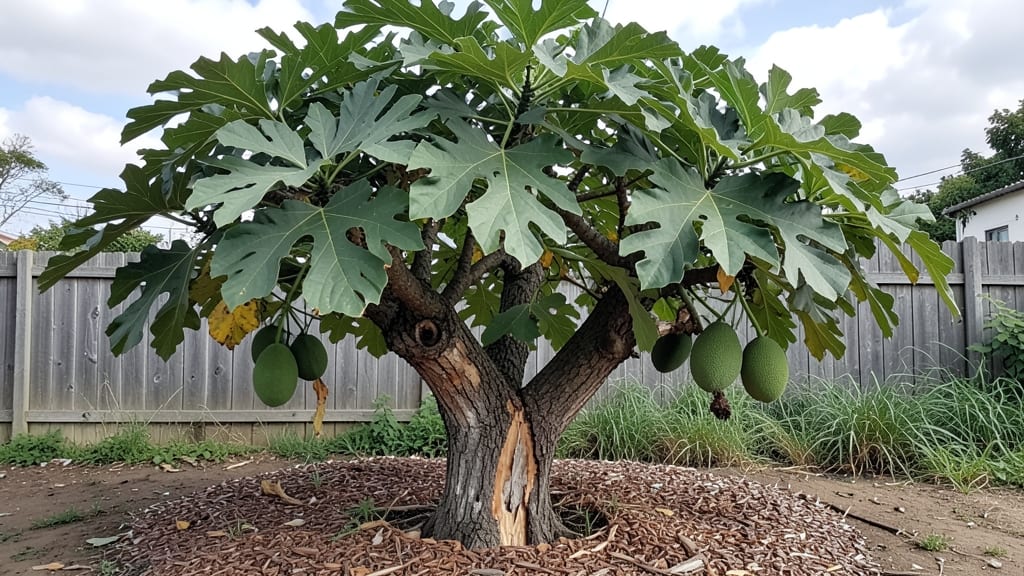
Growing a frost-resistant guyabano tree in the Pacific Northwest might sound impossible, but it’s the most rewarding challenge I’ve ever taken on. 🌱 This tropical fruit tree thrives with the right pruning tricks—ones that protect it from cold snaps while keeping it lush and productive.
My first guyabano survived two winters by learning these secrets, and now it’s loaded with fruit.
The key is pruning for resilience: shaping the tree to shed snow, protecting the trunk from frost, and encouraging new growth that can handle cooler temperatures. You’ll need sharp pruners, a thick layer of mulch, and a plan to move potted trees indoors when temperatures drop below 25°F.
It’s not about mimicking tropical conditions—it’s about working with what your climate offers.
By late summer, you’ll see the payoff: glossy green leaves, sturdy branches, and—if all goes well—sweet, creamy guyabano fruit by fall. The tree becomes a conversation piece, proving that even tropical fruits can flourish with the right care.
Once you master these techniques, you’ll never look at frost the same way again.
This method works for both container-grown trees and in-ground plantings, making it adaptable to urban gardens, rural yards, or even greenhouses. The only rule? Start pruning early in the season so the tree has time to recover before winter hits. Let’s get growing!
📚 In This Guide
- What you need
- Instructions
- Tips and common mistakes
- Wrapping up and next steps
What you need
- ● Pruning shears: Bypass pruners (for cuts up to ½ inch thick) – sharp, sterilized, and ergonomic (e.g., Felco F-2 or Corona Tools).
- ● Loppers: 1 pair (for branches ½ to 2 inches thick) – long-handled for reach (e.g., Fiskars X7).
- ● Pruning saw: 1 handheld saw (for branches 2+ inches thick) – curved blade for clean cuts (e.g., Bahco Laplander).
- ● Disinfectant: 70% isopropyl alcohol or 10% bleach solution (1 part bleach to 9 parts water) – sterilize tools between cuts.
- ● Rubbing alcohol wipes: 1 pack (for quick tool sanitization).
- ● Gloves: 1 pair cut-resistant, breathable gloves (e.g., Mechanix Wear).
- ● Safety glasses: 1 pair (to protect from debris).
- ● Ladder or step stool: stable, non-slip (extendable ladder for taller trees).
- ● Heavy-duty trash bags: 2–3 bags (for collecting pruned branches).
- ● Permanent marker: 1 (to mark cuts if needed).
- ● Sealant: Pruning paint or wound dressing (e.g., Tanglefoot Tree Wound Pruning Seal) – for large cuts >2 inches.
- ● Extension pole: With attached pruners (for high branches).
- ● Work apron: With pockets for tools and wipes.
- ● First-aid kit: Basic kit (for minor cuts/scrapes).
- ● Camera/phone: To document progress or share tips!
Step-by-Step guide to pruning your guyabano tree for PNW resilience
Here's how to keep your tropical fruit tree thriving through our chilly winters.
✂️ Step 1: Time Your First Pruning for Late Winter
Wait until mid-February when the tree has fully dormant buds but before new growth begins. This timing prevents frost damage to fresh cuts while still encouraging strong spring regrowth. I always check for brown, crispy leaves—that's my signal the tree has entered true dormancy and can handle pruning.
Use clean, sharp pruning shears to make cuts at a 45-degree angle just above a leaf node or outward-facing bud. This angled cut prevents water from pooling on the wound. I avoid cutting into old wood—look for green, healthy growth at the branch tips to identify where to trim.
☀️ Step 2: Open the Canopy for Better Airflow
Guyabano trees need good airflow to prevent fungal diseases common in our damp PNW climate. Remove any crossing branches first—these rub together and create wounds. Next, thin out the center of the tree to let sunlight reach the inner branches. I aim for 30-40% reduction in overall density while maintaining the tree's natural shape.
Watch for dead or diseased branches—these will be brittle, discolored, or oozing sap. Cut these out completely, then sterilize your shears with rubbing alcohol between cuts to prevent spreading disease. The goal is to create a light, airy structure that dries quickly after rain.
⏰ Step 3: Summer Light Pruning for Fruit Production
In late June or early July, do a second, lighter pruning to encourage fruit set. Remove any suckers—those are the small shoots growing from the base or along the trunk. These saplings drain energy from your fruit production. I also trim back any overly vigorous branches that are growing too fast and shading the lower fruit.
Pay attention to fruit clusters—if you see more than 2-3 fruits per cluster, thin them out to one strong fruit. This ensures the remaining fruit gets proper nutrients. I always leave the largest, healthiest-looking fruit on each branch. After pruning, give the tree a deep watering to help it recover.
🌱 Step 4: Prepare for Winter with Protective Pruning
By mid-October, do a final light pruning to remove any weak or damaged growth that might not survive winter. Focus on young, tender shoots that haven't hardened off yet. These are the branches most likely to suffer frost damage. I also trim back any low-hanging branches that might collect snow and break under weight.
After pruning, apply a 2-3 inch layer of mulch around the base (but not touching the trunk) to insulate roots. I use straw or wood chips because they break down slowly and improve soil structure over time. This mulch layer helps protect roots from freezing temperatures while keeping the soil moist during our dry winters.
🪴 Step 5: Post-Pruning Care for Strong Recovery
After each major pruning session, feed your guyabano tree with a balanced 10-10-10 fertilizer mixed at half strength. This gives the tree the nutrients it needs to recover without overwhelming it. I always water deeply after fertilizing to help the roots absorb the nutrients.
Monitor the tree for new growth in the weeks after pruning. Healthy regrowth looks bright green and firm, not yellow or wilted. If you see yellow leaves, it might mean over-fertilizing—cut back on feedings and increase watering instead. The key is to balance pruning with proper care so your tree stays strong through our unpredictable PNW winters.
Tips & tricks for perfect guyabano tree pruning in the Pacific Northwest
These pro tips will help you keep your tropical fruit tree thriving through our chilly winters without common pruning mistakes.
Timing is Everything: In Step 1, when you're waiting for mid-February, keep an eye on the weather forecast. If we get an unexpected warm spell, delay pruning until after the last frost date in your area. I've learned this the hard way—new growth after early pruning can get nipped by late frosts. Also, prune on a dry day to prevent spreading fungal spores from wet branches.
Cutting Technique Matters: For the 45-degree angle cuts in Step 1, remember to make them just above a leaf node or outward-facing bud. This creates a natural growth direction for new shoots. I always test my pruning shears on a small branch first to make sure they're sharp enough to make clean cuts without tearing the bark. Dull shears cause jagged wounds that heal poorly.
Airflow Strategy: When you're opening the canopy in Step 2, focus on removing branches that are growing inward or crossing each other. These are the ones that create those dark, damp pockets where fungal diseases love to hide. I aim to create a shape that resembles an open umbrella—this allows sunlight to reach all parts of the tree and air to circulate freely. Don't be afraid to remove up to 40% of the foliage if needed.
Seasonal Care: After your mid-October pruning in Step 4, consider wrapping the trunk of young trees with tree wrap or burlap. This extra protection helps prevent sunscald during our cold winters. I also recommend applying a thick layer of mulch (2-3 inches) but keep it several inches away from the trunk to prevent rot. This insulation helps roots survive our freezing temperatures.
Pro Tips for Guyabano Fruit Tree
- These pro tips will help you keep your tropical fruit tree thriving through our chilly winters without common pruning mistakes.
- Timing is Everything: In Step 1, when you're waiting for mid-February, keep an eye on the weather forecast.
- Cutting Technique Matters: For the 45-degree angle cuts in Step 1, remember to make them just above a leaf node or outward-facing bud.
Frequently asked questions
How cold can a guyabano tree tolerate before frost damage occurs?
A mature guyabano (Annona muricata) tree can handle light frosts down to 28–32°F (-2 to 0°C), but prolonged exposure below 25°F (-4°C) risks leaf burn or branch dieback. Young trees or new growth are far more sensitive—protect them with frost cloth or mulch. In the PNW’s wet winters, avoid overhead watering before cold snaps to prevent ice damage.
When’s the best time to prune guyabano trees in the Pacific Northwest?
Prune late winter to early spring (February–March), after the last frost, to encourage vigorous new growth. Never prune in fall—it stimulates tender shoots that won’t survive PNW winters. Focus on:
- Removing dead, diseased, or crossing branches first.
- Thinning out 20–30% of the canopy for airflow (critical in rainy PNW climates).
- Avoid heavy pruning—guyabano trees hate aggressive cuts.
Can I grow guyabano trees in containers? What size pot do I need?
Yes! Guyabano thrives in large containers (15+ gallons) with fast-draining soil (mix equal parts potting mix, perlite, and compost). Use a drip irrigation system to avoid soggy roots—PNW’s humidity + containers = recipe for root rot. Move pots indoors or under cover if temps drop below 35°F (2°C). Bonus: Container trees fruit earlier than in-ground!
What pests should I watch for on guyabano trees in the PNW?
The biggest threats in the Pacific Northwest are:
- Scale insects (sticky residue on leaves) – Treat with neem oil or horticultural oil.
- Spider mites (common in dry indoor environments) – Spray with water + mild soap.
- Root-knot nematodes (if growing in native soil) – Use resistant rootstock or solarize soil.
How long does it take for a guyabano tree to bear fruit in the PNW?
In ideal conditions (warm microclimates, no frost), guyabano trees take 3–5 years to fruit. However, in the cooler PNW:
- Trees in containers or greenhouses may fruit in 2–3 years.
- Outdoor trees in Zone 9b+ (e.g., Portland’s urban heat islands) can fruit by year 4–5.
- Patience is key! Focus on healthy growth first—prune to shape, not rush fruit.
Wrapping up and next steps
Growing a thriving guyabano fruit tree in the Pacific Northwest is totally doable—even with frost! 🌱 By mastering the right pruning techniques, you’ll ensure strong branches, better fruit production, and a tree that stands up to chilly weather. Remember, timing, tools, and technique are your best friends.
Now that you’re armed with the secrets, roll up your sleeves and get pruning! Start small, observe your tree’s progress, and adjust as needed. Before you know it, you’ll be harvesting sweet, tropical-tasting guyabano fruits—right in your own backyard. Happy gardening! 🍈✨