
Pruning
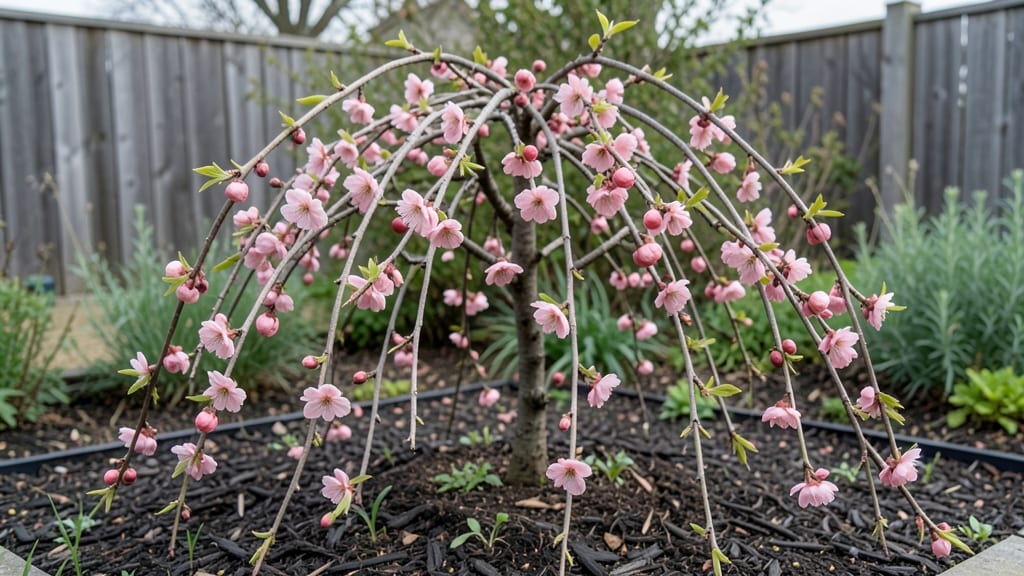
The Crimson Cascade weeping peach tree brings a burst of color and fruit to Pacific Northwest gardens—its cascading branches laden with blushing peaches and fiery fall foliage. I planted mine last spring, and already the neighbors stop to ask how I got such a dramatic tree in our chilly climate.
The secret isn't fancy; it's understanding how this dwarf variety handles frost and how to prune it to keep those branches weeping just right.
This tree thrives with 6-8 hours of sun daily, tolerates cooler summers better than standard peaches, and produces sweet, deep-red fruit that ripens in late summer.
The pruning schedule is simple: light shaping in early spring, followed by heavy structural pruning after harvest to encourage those graceful, weeping branches. My tree now stands just 8 feet tall but stretches 10 feet wide, creating a stunning focal point without taking over the yard.
By winter, you'll have a tree that's disease-resistant, low-maintenance, and bursting with ornamental value—even when the fruit's gone. The key is winter pruning to remove dead wood and open the center for airflow, which keeps pests at bay.
With the right care, you'll enjoy years of peaches and autumn color that outshine any standard peach tree.
Perfect for small yards, patios, or even large containers—this tree adapts beautifully to urban spaces while delivering both fruit and beauty. Whether you're a first-time grower or a seasoned pruner, the techniques here will keep your Crimson Cascade thriving for decades.
📚 In This Guide
- What you need
- Instructions
- Tips and common mistakes
- Wrapping up and next steps
What you need
- ● Pruning shears: Bypass pruners (sharp, clean, and disease-resistant—think Felco or Fiskars). Quantity: 1 pair.
- ● Loppers: For thicker branches (1.5"–2" diameter). Quantity: 1 pair (e.g., Corona or Bahco).
- ● Hand saw: For stubborn, woody growth (e.g., Pruning saw with a curved blade). Quantity: 1.
- ● Rubbing alcohol (70% isopropyl) or bleach solution: For sterilizing tools between cuts. Quantity: Small bottle or spray.
- ○ Pruning sealant (optional but helpful): Tree wound dressing (e.g., Tanglefoot Tree Wound Pruning Sealer) for large cuts. Quantity: Small jar.
- ● Gloves: Heavy-duty gardening gloves (cut-resistant if needed). Quantity: 1 pair.
- ● Disposable bags or bucket: For collecting pruned branches. Quantity: 1–2.
- ● Ladder or step stool: For reaching higher branches safely. Height: At least 6–8 ft (adjust based on tree size).
- ● Extension pole pruners: For high branches without a ladder.
- ● Sharpie or marker: To label cuts if training the tree’s shape.
- ● Compost bin: For repurposing pruned branches.
- ● Safety glasses: To protect against debris.
- ● Tree growth regulator (e.g., Paclobutrazol): For managing vigorous growth (consult a local nursery for PNW-approved options).
Step-by-Step pruning guide for Crimson Cascade weeping peach trees
Pruning this stunning Pacific Northwest variety isn't just about shaping—it's about frost protection and fruit production.
Time Your Pruning for Winter Dormancy
Prune your Crimson Cascade weeping peach between late winter and early spring, specifically when the tree is still dormant but just as buds begin to swell. In the Pacific Northwest, this typically falls between mid-February and early March, depending on your microclimate. Pruning too early risks frost damage to fresh cuts, while waiting too long encourages new growth that can't survive late frosts.
Look for tight, brown winter buds that haven't yet cracked open. These indicate the tree is still protected against cold. If you see any green tips emerging, you've waited too long—delay pruning until after the last expected frost date in your area. I always check my local agricultural extension service for precise frost dates to avoid this timing mistake.
Remove Dead, Diseased, and Crossing Branches First
Start by eliminating any dead, diseased, or broken branches using clean, sharp pruning shears. These branches won't produce fruit and can harbor pests or fungal diseases. Cut back to the main trunk or outward-growing lateral branch, making your cuts at a 45-degree angle just above a bud that faces outward from the center of the tree.
Next, remove any branches that are rubbing against each other—these crossing branches create wounds that invite infection. The Crimson Cascade's weeping habit means branches naturally grow outward, but you'll still find some that compete for space. Make these cuts just beyond the branch collar where the branch meets the trunk, and avoid leaving stubs that can rot.
Thin the Canopy for Air Circulation and Light Penetration
Weeping peaches like the Crimson Cascade need open, airy canopies to prevent fungal diseases like peach leaf curl. Aim to remove 20-25% of the tree's total growth in this step. Focus on branches that grow straight upward—these block light and air from reaching the interior of the tree. Cut these back to a lateral branch or bud that grows outward.
Pay special attention to the lower third of the tree, where branches often grow densely. Thin these out to 6-8 inches apart to allow sunlight to reach the ground and encourage new growth at the base. You'll see the tree's natural weeping shape emerge as you remove competing vertical growth. This step is critical for the Pacific Northwest's humid climate—better air circulation means fewer disease issues.
Shape the Weeping Habit While Encouraging Fruit Production
To maintain the Crimson Cascade's elegant weeping form, prune the tips of the longest branches by about one-third to encourage bushier growth. Make these cuts just above a bud that grows in the direction you want the branch to grow. For a balanced weeping shape, aim to create a pyramidal silhouette with the branches cascading gracefully.
Leave 3-5 main scaffold branches that radiate outward from the trunk. These will support the majority of your fruit production. On each scaffold branch, keep 3-4 secondary branches spaced evenly along its length. This structure ensures your tree produces fruit while maintaining its stunning weeping habit. Avoid over-pruning the tips—you want to preserve the tree's natural growth vigor.
Clean Up and Protect Against Pacific Northwest Challenges
After pruning, sterilize your tools with a 10% bleach solution or rubbing alcohol to prevent spreading disease. Remove all pruned branches and debris from the area—these can harbor pests and fungi over winter. For the Crimson Cascade, which is more frost-tolerant than other peaches, I also apply a thin layer of tree wound dressing to any large cuts to protect against late-season frosts.
Finally, mulch the base of the tree with 2-3 inches of organic mulch, keeping it 6 inches away from the trunk. This helps regulate soil temperature and retain moisture, which is especially important in the Pacific Northwest's variable spring weather. Water deeply after pruning to help the tree recover and establish new growth for the upcoming season.
Tips & tricks for perfectly pruning Crimson Cascade weeping peach trees
These essential tips will help you master the art of pruning while protecting your Pacific Northwest peach tree from frost and disease.
Bud Identification: In Step 1, when checking for tight, brown winter buds, examine them closely under bright light—they should feel firm and look plump, not shriveled. If you're unsure, make a small cut to peek inside: healthy buds have a green center, while dead ones appear brown and hollow. This visual check ensures you're pruning at the perfect time, right before buds swell but before any green emerges.
Cutting Angle Technique: For Step 2 and Step 3, master the 45-degree angle cut just above an outward-facing bud. Imagine the bud is at the 12 o'clock position on a clock—your cut should slope downward from 11:30 to 1:30. This angle directs water runoff away from the cut and allows the branch collar to seal properly. I've seen too many pruning mistakes where cuts were made too close to the trunk or at awkward angles, leading to rot.
Canopy Thinning Strategy: When thinning the canopy in Step 3, prioritize removing branches that grow straight up from the trunk—these are the biggest light thieves. Aim to create a "V" shape when looking at the tree from the side, with branches cascading outward. The Pacific Northwest's humid climate demands this open structure to prevent fungal diseases like peach leaf curl, which thrives in dense, shaded canopies.
Tool Maintenance: Between each cut in Steps 2-4, wipe your pruning shears with a clean cloth to remove sap and debris. A sharp, clean tool makes precise cuts that heal faster and reduces the risk of disease transmission. I keep a small bottle of rubbing alcohol handy to quickly disinfect between trees, especially when working with multiple peach trees in my orchard. This simple habit prevents cross-contamination of fungal spores.
Pro Tips for Crimson Cascade Weeping Peach Tree
- These essential tips will help you master the art of pruning while protecting your Pacific Northwest peach tree from frost and disease.
- Bud Identification: In Step 1, when checking for tight, brown winter buds, examine them closely under bright light—they should feel firm and look plump, not shriveled.
- Cutting Angle Technique: For Step 2 and Step 3, master the 45-degree angle cut just above an outward-facing bud.
Frequently asked questions
How cold can a Crimson Cascade weeping peach tree handle?
The Crimson Cascade is one of the few peach varieties bred for Zone 5 hardiness (down to -20°F/-29°C), making it ideal for the Pacific Northwest. However, young trees or newly planted specimens may need winter protection (like burlap wraps or mulch) until established. Pro tip: Plant in a south-facing spot to maximize sun exposure and warmth!
When is the best time to prune my Crimson Cascade?
Prune your weeping peach tree late winter or early spring (just before bud break, around February–March in the PNW) to avoid frost damage. Summer pruning is also safe but focus on removing dead or crossing branches—never over-prune, as this can stress the tree. Warning: Avoid heavy pruning in fall; it can stimulate new growth that won’t harden off before winter.
Can I grow a Crimson Cascade in a container?
Yes! This weeping variety thrives in large containers (20+ gallons) with well-draining soil and regular watering. Use a dwarf rootstock if space is tight, but know it’ll need year-round care—move pots indoors or to a garage during freezes below 10°F (-12°C). Pro tip: Elevate containers to prevent root rot and use mulch in winter for insulation.
Why aren’t my Crimson Cascade peaches ripening?
Peaches need 600–800 chill hours (below 45°F/7°C) to fruit well. If your tree isn’t producing, it might be lacking winter chill (common in mild PNW winters). Try:
- Thinning fruit in early summer to reduce stress.
- Ensuring full sun (6+ hours/day)—peaches need light for ripening.
- Checking for pests (aphids, peach tree borers) or disease (leaf curl).
How do I shape a weeping peach tree for maximum fruit?
Weeping trees benefit from an open-center shape to improve airflow and sunlight penetration. Focus on:
- Removing suckers (shoots at the base) to direct energy upward.
- Pruning 1/3 of the oldest branches annually to encourage new growth.
- Avoiding top-heavy cuts—weeping branches are delicate!
Wrapping up and next steps
The Crimson Cascade weeping peach tree is a stunning, frost-resistant beauty that thrives in the Pacific Northwest—when pruned with care! By following this guide, you’ll ensure vibrant blooms, bountiful fruit, and a graceful, cascading form. Remember, timing, technique, and patience are your best friends.
Ready to transform your garden? Start small—prune just one branch this season, then build confidence as you master the art. Before you know it, your Crimson Cascade will be the showstopper of your yard! 🌸✂️