
Pruning
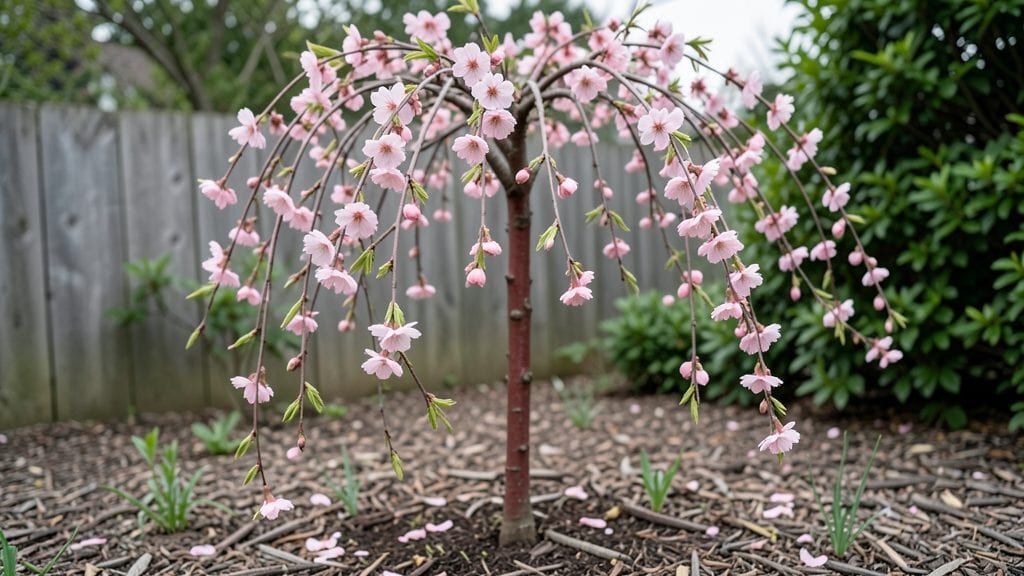
This weeping peach tree Pink Cascade transforms any Pacific Northwest garden into a dreamy springtime scene with its delicate pink blossoms and graceful, arching branches. 🌸 I planted mine near a patio last year, and the way the flowers spill over like a waterfall of petals has made it the centerpiece of our outdoor space.
The tree’s natural frost resistance means it thrives where many peaches struggle, blooming reliably even after chilly nights.
What makes this tree so special is its dual role—it’s both a stunning ornamental and a productive fruit bearer. The cascading pink flowers attract pollinators early in the season, while the peaches (though small) add a bonus harvest for those who love fresh fruit.
Place it near a seating area or water feature to maximize its visual impact, and pair it with shade-tolerant perennials like ferns or hostas to create a layered, textured look.
By summer, the tree’s lush green foliage provides shade, and in fall, its fruit ripens into a soft, juicy treat. Even in winter, its bare branches add architectural interest to the landscape.
The best part? It’s low-maintenance—just a little pruning to shape those graceful arcs and keep it healthy. You’ll have a garden feature that’s as practical as it is beautiful.
Whether you’re designing a small urban yard or a sprawling rural estate, this tree adapts beautifully. For colder microclimates, plant it against a south-facing wall to capture extra warmth. The Pink Cascade isn’t just a tree—it’s a year-round conversation starter that keeps your garden looking magical in every season.
📚 In This Guide
- What you need
- Instructions
- Tips and common mistakes
- Wrapping up and next steps
What you need
- ● Weeping Peach Tree Pink Cascade: 1 mature tree (or 1-2 young saplings for long-term growth)
- ● High-quality potting soil: 5+ gallons (well-draining, organic-rich blend for peach trees)
- ● Container or planting hole: For containers: 15+ gallon pot with drainage holes (if planting in pots)
- ● For in-ground: Hole twice as wide as the root ball, with amended soil
- ● Mulch: 2–3 inches of wood chips or straw (to retain moisture and insulate roots)
- ● Pruning tools: 1 pair bypass pruners (for clean cuts on small branches)
- ● 1 pruning saw (for thicker branches)
- ● 1 sterilizing solution (rubbing alcohol or bleach water)
- ● Garden gloves: 1 pair (cut-resistant for safety)
- ● Watering can or hose: With adjustable nozzle for gentle watering
- ○ Fertilizer: Balanced 10-10-10 or peach-tree-specific formula (optional but recommended)
- ● Sunlight: Full sun (6+ hours daily) for optimal blooms and frost resilience
- ● Hardiness zone: USDA Zones 5-8 (with winter protection in colder microclimates)
- ○ Spacer: 1 bamboo stake or trellis (optional, for young trees to support weeping branches)
- ● Frost cloth: 1 roll (for young trees in early spring/late fall)
How to plant and care for a weeping peach tree Pink Cascade
This stunning tree thrives in cooler climates—here’s how to set it up for years of pink blooms and sweet fruit.
🪴 Step 1: Choose the Perfect Planting Spot
Pick a location with full sun exposure (6-8 hours daily), sheltered from harsh winds. The Pink Cascade variety handles Pacific Northwest chill (down to 10°F), but avoid frost pockets where cold air settles. A south-facing slope warms faster in spring, giving blooms a head start.
Test soil drainage by digging a 12-inch hole—if water pools after 30 minutes, amend with 3-4 inches of compost to improve aeration. The tree’s weeping habit means branches will cascade naturally, so plant at least 10 feet from fences or structures to avoid future pruning headaches.
🌱 Step 2: Plant at the Right Depth and Stake for Support
Dig a hole twice as wide as the root ball but no deeper—this prevents root suffocation. Remove the tree from its container and loosen roots at the edges if they’re circling. Place the tree so the graft union (visible bump near the base) sits 2-3 inches above soil level—this protects it from moisture rot.
Backfill with native soil mixed with 1 part compost, tamping gently to remove air pockets. Install a 5-foot stake at a 45-degree angle, tying the trunk loosely with rubber tree ties (not wire). Water deeply until soil settles—you’ll see 1-2 inches of subsidence—then add more soil if needed to keep the graft union above grade.
☀️ Step 3: Water Deeply and Mulch to Retain Moisture
Water 2-3 gallons weekly for the first 2 months, letting moisture penetrate 12 inches deep. Check soil with your finger—it should feel damp but not soggy. Overwatering in winter can cause root rot, so reduce to 1 gallon monthly once established.
Spread 3-4 inches of wood chips or bark mulch in a 3-foot diameter circle, keeping it 6 inches away from the trunk to prevent rot. Mulch insulates roots in winter and conserves moisture in summer. Replenish annually—you’ll know it’s working when weeds disappear and soil stays evenly moist.
✂️ Step 4: Prune for Shape and Airflow After Blooming
Wait until late spring (after frost risk passes) to prune—this encourages strong new growth. Remove 10-15% of branches annually, focusing on crossing limbs, dead wood, and water sprouts. The weeping habit means you’ll mostly shape by thinning, not topping.
Use clean, sharp pruners to make cuts just outside the branch collar. Seal larger wounds (>½ inch) with pruning sealant to prevent disease. Avoid heavy pruning in fall—it reduces winter hardiness. You’ll see healthier blooms next year if you prune when the tree is actively growing.
🌿 Step 5: Fertilize and Protect for Long-Term Health
Apply a balanced 10-10-10 fertilizer in early spring, working it into the soil 12 inches from the trunk. Use ½ cup per year of tree age (max 1 cup for mature trees). Water thoroughly after applying to prevent root burn.
In winter, wrap the trunk with tree guard fabric to shield from rodents and voles. These pests gnaw bark in cold snaps, which can kill young trees. Monitor for peach leaf curl (a fungal disease) in early spring—spray with copper fungicide if you see curled, discolored leaves.
Tips & tricks for perfect weeping peach tree Pink Cascade planting
These simple strategies will help your Pink Cascade thrive in Pacific Northwest conditions—and avoid the mistakes I made with my first tree.
Sunlight Secret: The 6-8 hours of full sun requirement is non-negotiable for pink blooms, but here's what I learned: Eastern exposure gets morning sun without afternoon heat stress, which works beautifully for this variety. If your yard has limited sun, consider a west-facing spot—just monitor for afternoon shade during summer months.
Soil Test Tip: That 30-minute drainage test is your best friend! I used to skip it and ended up with soggy roots. For heavy clay soils common in PNW, mix in 50% compost with your backfill—this creates the perfect balance. You'll know you've got it right when water drains like a slow drip, not a rushing river.
Staking Strategy: When installing that 5-foot stake at a 45-degree angle, use two stakes on opposite sides for extra support—especially important for weeping varieties that develop top-heavy canopies. I also recommend burying the stakes 1/3 of their length for stability, then removing them after 12 months to prevent girdling.
Winter Protection: The 10°F cold hardiness is impressive, but don't stop at tree guard fabric. I've found that wrapping the entire root zone with 12 inches of straw mulch in winter adds an extra layer of insulation. This helps prevent frost heave, where roots freeze and expand, damaging the tree structure.
Pro Tips for Weeping Peach Tree Pink Cascade
- These simple strategies will help your Pink Cascade thrive in Pacific Northwest conditions—and avoid the mistakes I made with my first tree.
- If your yard has limited sun, consider a west-facing spot—just monitor for afternoon shade during summer months.
- Soil Test Tip: That 30-minute drainage test is your best friend!
Frequently asked questions
Got questions about growing and caring for the stunning Weeping Peach Tree Pink Cascade? You’re not alone—this frost-resistant beauty is full of surprises! Here are answers to the most common queries to help you cultivate a thriving tree.
How cold can the Weeping Peach Tree Pink Cascade tolerate?
The Pink Cascade is one of the hardiest weeping peach varieties, surviving temperatures as low as -15°F to -20°F once established. However, young trees (under 3 years) may need winter protection like burlap wraps or mulch. Pro tip: Plant in a sheltered spot to shield it from harsh winds!
How long does it take for the Pink Cascade to bloom and bear fruit?
Expect vibrant pink blooms as early as 3–5 years after planting, with fruit production following shortly after. Patience is key—young trees focus on root growth first. Bonus: The first blooms are often the most spectacular!
When and how should I prune the Weeping Peach Tree Pink Cascade?
Prune in late winter or early spring (before buds swell) to shape the tree and remove dead wood. Avoid heavy pruning—this variety thrives with a light touch to preserve its weeping habit. Use sterilized tools to prevent disease. Pro tip: Thin out crowded branches to improve airflow and fruit quality.
Are the peaches from this tree actually edible, or are they just ornamental?
While the Pink Cascade is prized for its showstopping blooms, the peaches are small and tart—not ideal for fresh eating. They’re better suited for jams, jellies, or fermenting. If edible fruit is your goal, consider pairing it with a sweeter peach variety nearby!
What pests or diseases should I watch for in the Pacific Northwest?
Common issues include peach leaf curl (fungal) and aphids. Prevent leaf curl with a copper fungicide spray in late fall. For aphids, blast them off with water or use insecticidal soap. Warning: Keep an eye out for peach tree borers—early detection is key!
Can I grow the Pink Cascade in a container, or does it need to be planted in the ground?
While possible in a large, sturdy container (15+ gallons), this tree’s weeping habit makes it better suited for the ground. Containers limit root growth and may stress the tree. If you must pot it, use well-draining soil and move it indoors during winter.
Wrapping up and next steps
The Weeping Peach Tree Pink Cascade is a stunning, frost-hardy addition to Pacific Northwest gardens, offering year-round beauty with its delicate pink blooms and lush foliage. With the right pruning techniques—like late-winter shaping and regular deadwood removal—you’ll keep this showstopper thriving while encouraging vibrant growth.
Whether you’re a seasoned gardener or just starting, this tree rewards patience with effortless elegance.
Ready to transform your garden? Start small—prune just one branch this season, then expand your skills as you grow. Your future blooms will thank you! 🌸✨