
Pruning
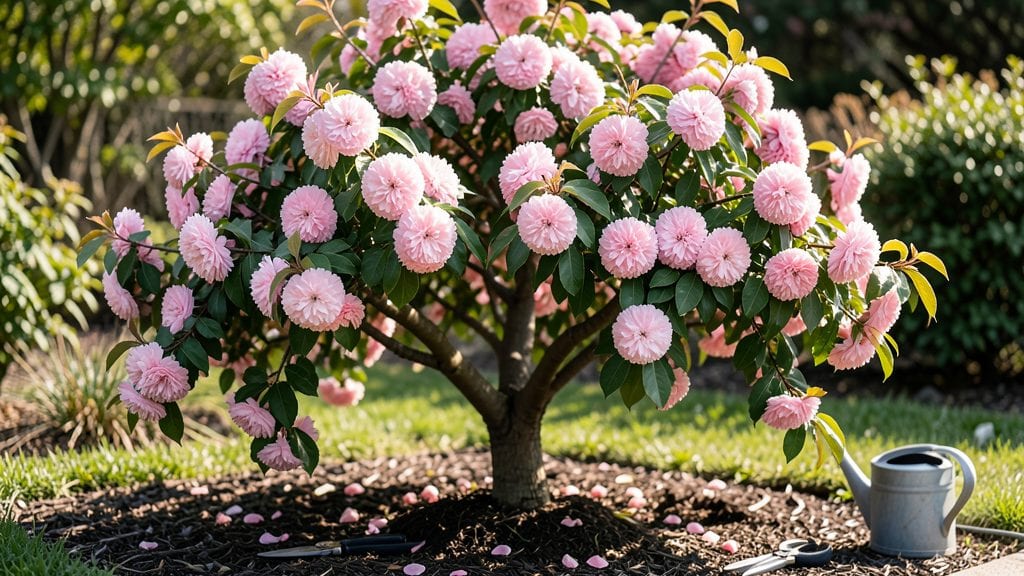
Planting a Corinthian Pink Double Flowering Peach Tree is like inviting a burst of spring color into your garden—except this one keeps blooming through summer and even winter with the right care. 🌸 The secret lies in its frost-resistant branches and the way it responds to strategic pruning, turning what could be a seasonal showstopper into a year-round star.
This tree thrives in full sun and well-draining soil, but its real magic happens after you learn the pruning tricks that encourage those lush double blooms.
Most gardeners overlook how winter pruning sets the stage for spring’s first flush of flowers, while summer shaping keeps the branches from getting too heavy. I’ve seen it transform from a sparse shrub to a cascading pink cloud—it’s that dramatic.
You’ll end up with a tree that’s as productive as it is beautiful, producing clusters of fragrant pink blossoms that attract pollinators and add texture to your landscape.
The key is balancing pruning with patience; it takes about three years to establish the ideal shape, but once you do, the blooms keep coming—even when others are bare.
Whether you’re using it as a focal point in a mixed border or training it against a fence, this tree adapts beautifully. The frost-resistant varieties handle cold snaps better than most, and with the right techniques, you’ll have blooms from late winter through fall. Let’s get those shears ready!
📚 In This Guide
- What you need
- Instructions
- Tips and common mistakes
- Wrapping up and next steps
What you need
- ● Corinthian Pink Double Flowering Peach Tree (1-2 saplings, 3-5 ft tall, bare-root or potted)
- ● Pruning Tools: Sharp bypass pruners (for clean cuts)
- ● Lopper shears (for thicker branches)
- ● Hand saw (for stubborn wood)
- ● Safety Gear: Gloves (cut-resistant, size medium/large)
- ● Safety goggles (1 pair)
- ○ Pruning Sealant (optional, for large cuts)
- ● Disinfectant (70% isopropyl alcohol or bleach solution) (to sterilize tools)
- ● Tree stake (1-2, for young saplings)
- ● Mulch (3-4 inches of organic material like wood chips)
- ● Slow-release fertilizer (balanced NPK, 10-10-10 ratio)
- ● Tree banding (for trunk protection)
- ● Pruning paint (for sealing wounds on older trees)
- ● Sunny location (6+ hours of direct sunlight daily)
- ● Well-draining soil (pH 6.0-7.0)
- ● Space (15-20 ft diameter for mature growth)
- ● Knowledge of dormant-season pruning (best for frost resistance!)
Step-by-step guide to pruning your Corinthian Pink double flowering peach tree for year-round blooms
Here’s how to coax vibrant, frost-resistant blooms from your peach tree while keeping it healthy and productive.
✂️ Step 1: Time Your Pruning for Spring and Late Winter
Prune your Corinthian Pink Double Flowering Peach Tree during late winter or early spring, just as buds begin to swell but before new growth starts. This timing ensures you remove dead wood while preserving next year’s flower buds, which form on last year’s growth. Avoid pruning in fall—it leaves wounds vulnerable to fungal infections and winter dieback.
If your region experiences heavy frosts, wait until after the last frost date but before leaves emerge. You’ll know it’s time when you see swollen buds but no green leaves yet. Use sharp, clean pruners to make cuts at a 45-degree angle, about ¼ inch above an outward-facing bud—this encourages healthy growth away from the center.
🌿 Step 2: Remove Dead, Diseased, or Crossing Branches First
Start by inspecting the tree for dead, diseased, or damaged branches—these are your top priority. Dead branches are brittle and snap easily when bent; diseased ones may show discoloration, oozing sap, or fungal growth. Cut these back to the main trunk or a healthy lateral branch, always making clean cuts just outside the branch collar.
Next, look for crossing or rubbing branches—these create wounds that invite pests and disease. Remove the weaker of the two branches at its point of origin. Thin out crowded branches to improve airflow, which reduces humidity and fungal pressure. Aim for an open center that lets sunlight reach the inner branches—this encourages even flowering and prevents rot.
☀️ Step 3: Shape for Light Penetration and Airflow
Peach trees bloom best when light reaches all branches, so focus on opening the canopy. Start by removing suckers (vigorous shoots growing from the base or trunk) and water sprouts (fast-growing vertical shoots). These compete with flowering branches for energy. Cut them back to the ground or a lateral branch.
Next, prune to create a balanced, vase-like shape—this prevents the tree from becoming top-heavy and improves fruit (or bloom) production. Remove branches that grow inward or downward, as these block light and create shade. Leave outward-facing branches to maintain the tree’s natural form. After pruning, step back and check for even light distribution—if one side looks darker, adjust your cuts.
⏰ Step 4: Light Pruning for Year-Round Blooms (Optional)
For continuous blooms, perform a light pruning in late summer after the main flowering season. This encourages new growth that will bear flowers the following year. Remove only spent blooms and lightly trim leggy branches to promote bushier growth. Avoid heavy pruning now—it can stress the tree and reduce winter hardiness.
In frost-prone areas, apply a thin layer of mulch (2–3 inches) around the base after pruning to insulate roots. Water deeply but avoid overwatering, as soggy soil invites root rot. Monitor for new growth after pruning—healthy shoots should emerge within 2–3 weeks. If growth stalls, check for pests or nutrient deficiencies and adjust care accordingly.
🌱 Step 5: Post-Pruning Care for Frost Resistance
After pruning, apply a dormant oil spray (like horticultural oil) to protect the tree from overwintering pests and diseases. This step is critical for frost-resistant blooms, as it prevents infestations that weaken the tree. Follow up with a balanced fertilizer in early spring to support new growth—peach trees thrive with 10-10-10 or 8-3-9 ratios.
Watch for new buds forming along the branches—these will bloom next season. If your tree is young, avoid heavy pruning for the first few years to establish a strong structure. Older trees can handle 10–20% annual pruning without stress. With consistent care, your Corinthian Pink Double Flowering Peach Tree will reward you with lush, frost-resistant blooms year after year.
Tips & tricks for pruning your Corinthian Pink double flowering peach tree
Mastering the art of pruning your Corinthian Pink Double Flowering Peach Tree transforms it from a seasonal beauty to a year-round blooming star. Here's what I've learned from years of trial and error to keep your tree thriving.
Bud Timing is Everything: The critical window for spring pruning—when buds swell but leaves haven't emerged—can be just 2-3 weeks in many climates. I recommend checking your tree weekly in late winter and mark the branches with a bit of tape when you first see those fat, plump buds. This visual cue helps you time your pruning perfectly, ensuring you don't accidentally remove next year's flower buds that form on last year's growth.
Clean Cuts Prevent Future Problems: Always use sharp, clean pruners and make cuts just outside the branch collar at a 45-degree angle. I've seen too many trees develop fungal infections from jagged cuts that create perfect entry points for pathogens. For larger branches, consider using a three-cut method: first undercut, then top cut, and finally remove the branch. This prevents bark from tearing and gives you better control over where the branch falls.
Light Distribution is Non-Negotiable: After pruning, step back and visualize sunlight paths through your tree's canopy. You should be able to see light reaching all the way to the center. I often sketch a rough diagram before pruning to plan my cuts. Aim to remove branches that grow inward or downward—they're the biggest culprits for blocking light and creating shade. This open center isn't just about aesthetics; it's what allows your tree to produce those vibrant, frost-resistant blooms year-round.
Seasonal Pruning Calendar: Create a simple calendar with these key dates: late winter/early spring (main pruning), late summer (light pruning), and early spring (fertilizer application). I mark these on my phone calendar with reminders so I never miss the optimal timing. The late summer light pruning is particularly important for encouraging new growth that will bear flowers the following year, but remember to keep it light—this isn't the time for heavy pruning that could stress your tree before winter.
Pro Tips for Corinthian Pink Double Flowering Peach Tree
- Mastering the art of pruning your Corinthian Pink Double Flowering Peach Tree transforms it from a seasonal beauty to a year-round blooming star.
- Bud Timing is Everything: The critical window for spring pruning—when buds swell but leaves haven't emerged—can be just 2-3 weeks in many climates.
- Clean Cuts Prevent Future Problems: Always use sharp, clean pruners and make cuts just outside the branch collar at a 45-degree angle.
Frequently asked questions
Got questions about your Corinthian Pink Double Flowering Peach Tree? You’re not alone!
Here are answers to the most common queries from gardeners eager to keep their trees thriving year-round.
How do I encourage more blooms on my Corinthian Pink peach tree?
Prune strategically in late winter or early spring to remove dead or crossing branches. Avoid heavy pruning—focus on opening the canopy for sunlight and air circulation. Fertilize lightly in early spring with a balanced 10-10-10 formula to support flowering. Pro tip: Avoid summer pruning, as it can stress the tree and reduce next year’s blooms!
Can this tree survive heavy frost, or will I lose all the flowers?
The Corinthian Pink is frost-resistant, but young blooms are vulnerable. Protect your tree with a lightweight frost cloth during late frosts (below 28°F). Once established, its hardy roots and branches can bounce back. Fun fact: The double pink blooms often reopen after frost damage, giving you a second show!
When is the best time to transplant my peach tree?
Transplant in early spring or fall when temperatures are mild (50–70°F). Avoid summer heat or winter cold, which can shock the tree. Dig a hole twice as wide as the root ball, amend with compost, and water deeply afterward. Pro tip: Prune 1/3 of the foliage before transplanting to reduce stress!
Will this tree produce peaches, or is it purely ornamental?
While it’s prized for its stunning double pink blooms, this variety is notoriously poor for fruit production. The flowers are sterile or yield tiny, inedible peaches. If you want both beauty and harvests, consider grafting a fruit-bearing variety onto this tree’s rootstock!
How do I prevent pests like aphids or peach tree borers?
Start with cultural care: Keep the tree healthy with proper watering and pruning. For pests, use neem oil or insecticidal soap early in the season. Monitor for borers by checking bark for sawdust-like frass. Prevention tip: Wrap the trunk with tree guard to deter borers from laying eggs!
Are there frost-resistant alternatives to Corinthian Pink?
Yes! Try ‘Bonanza’ or ‘Reliance’ peach trees—both are cold-hardy and produce fruit. For pure ornamentals, consider ‘Chanticleer’ or ‘Frostbite’ peach trees, which boast vibrant blooms and better frost tolerance. Bonus: Many hybrid plums (like ‘Methley’) also thrive in colder climates!
Wrapping up and next steps
The Corinthian Pink Double Flowering Peach Tree is a stunning addition to any garden, offering year-round beauty with its frost-resistant charm and vibrant blooms.
By mastering the art of pruning—like thinning dense branches and protecting tender growth—you’ll ensure a thriving tree that rewards you with seasonal splendor for years to come. 🌸
Ready to transform your outdoor space? Grab your pruners, follow the steps you’ve learned, and watch your peach tree flourish! Start small, stay consistent, and enjoy the blooms!