
Trees
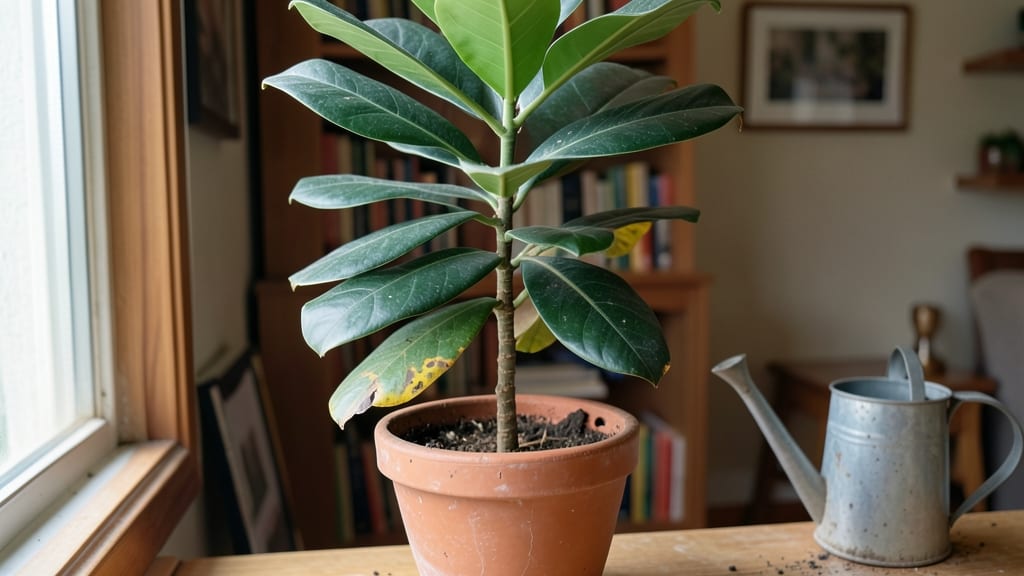
Finding the best trees for potting that actually thrive in containers changed my tiny balcony from a concrete slab to a lush mini-forest. 🌿 These aren't just shrubs in disguise—they're real trees, just bred to stay compact, with roots that won't outgrow their pots.
My Japanese maple, for example, fits in a 15-gallon container and still throws out brilliant red leaves every fall.
What makes these varieties work isn't magic—it's science. Dwarf cultivars, slow-growing species, and grafted trees all handle confinement better than their full-sized cousins. You'll need containers with drainage holes, a well-draining potting mix, and a spot that mimics their natural light preferences.
The right tree in the right pot means no more wilting by summer or roots circling the bottom like a frustrated squirrel.
Imagine sipping coffee under a 10-foot-tall olive tree on your patio or watching birds nest in a miniature fruit tree that produces real (if tiny) apples. These trees deliver the drama of a landscape without the space requirements.
Plus, they're perfect for renters, urban dwellers, or anyone who wants instant curb appeal without the upkeep of a full garden.
We'll cover the top 10 container-friendly trees, how to match them to your space, and the care secrets that keep them thriving for years—not just one season. Think of it as your cheat code for turning concrete into canopy.
📚 In This Guide
- What you need
- Instructions
- Tips and common mistakes
- Wrapping up and next steps
What you need
- ● Potted Trees: Choose from the best compact varieties (e.g., Dwarf Japanese Maple, Olive Tree, or Citrus Trees). Select 1–3 plants based on your space.
- ● Containers: 1–3 pots with drainage holes (size depends on tree: 12–24" diameter for small trees, 5–10 gallons for medium).
- ○ Cache pots or decorative outer pots (optional but stylish—ensure they’re slightly larger than the grow pot).
- ● Potting Mix: 1–3 bags of well-draining, nutrient-rich soil (e.g., cactus/succulent mix for drought-tolerant trees or all-purpose potting soil for citrus). Avoid garden soil!
- ● Drainage Layer: Pebbles, gravel, or broken pottery (1–2 inches per pot to improve drainage).
- ● Pruning Shears: 1 pair of sterilized, sharp shears (for trimming and shaping).
- ● Watering Can or Hose with Showerhead: 1 (for gentle, even watering).
- ● Fertilizer: Slow-release granular fertilizer (e.g., 10-10-10 or citrus-specific blend) or
- ● Liquid fertilizer (follow label instructions for dilution).
- ● Mulch: Organic mulch (e.g., pine bark or coconut coir) to retain moisture and suppress weeds.
- ● Tree Support: Stakes or cages (for young or top-heavy trees like citrus).
- ● pH Test Kit: To check soil acidity (critical for azaleas or blueberries).
- ● Self-Watering System: For frequent travelers or forgetful waterers!
- ● Decorative Elements: Moss, pebbles, or decorative stones for a polished look.
Step-by-Step guide to selecting and caring for top potted trees
Here’s how I choose and nurture the best compact trees for small spaces—proven performers that thrive in containers.
🌱 Step 1: Choose the Right Tree Variety for Your Space
Select a cultivar bred for containers, like Japanese maple ‘Bloodgood’ or Dwarf Alberta spruce, both of which stay under 6 feet tall at maturity. Avoid fast-growing species—they outgrow pots quickly and become unmanageable. I prioritize slow growers (under 12 inches per year) that match my balcony’s dimensions.
Check the USDA hardiness zone for your area—some potted trees, like olive trees, thrive in zones 8-11 but need winter protection elsewhere. Always verify the tree’s mature height and spread before purchasing. A 5-gallon container works for small varieties, while larger trees need 15+ gallons for stability.
☀️ Step 2: Position for Optimal Light and Climate
Most potted trees need full sun (6+ hours daily), but varieties like ficus ‘Ginseng’ tolerate partial shade. Place your tree where it gets consistent light—rotate the pot quarter-turn weekly to prevent lopsided growth. I avoid placing trees near AC units or drafts, as sudden temperature swings stress roots.
Monitor soil moisture—drought-tolerant trees like olive or juniper need watering only when the top 2 inches feel dry, while tropical varieties (e.g., citrus) require weekly moisture. Use a self-watering pot if you travel often to maintain consistent hydration.
🪴 Step 3: Repot Every 2-3 Years for Healthy Growth
Upgrade to a 2-inch-larger container each spring to accommodate root expansion. I use well-draining potting mix (equal parts peat moss, perlite, and compost) to prevent root rot. Gently loosen roots before repotting—circular, tangled roots signal it’s time to prune them slightly to encourage outward growth.
Fertilize monthly during growing season with a balanced 10-10-10 formula, halving the dose for slow-growing varieties. Over-fertilizing burns roots—yellow leaves mean you’ve overdone it. Flush the soil with water every 3 months to remove excess salts.
✂️ Step 4: Prune for Shape and Health
Prune late winter or early spring before new growth begins. Remove dead, crossing, or overcrowded branches with clean, sharp shears, cutting just above a leaf node. I shape Japanese maples into a natural vase form by trimming 1/3 of new growth annually—this keeps them compact and encourages bushiness.
Watch for pests like spider mites (tiny webs on undersides of leaves) or scale insects (sticky residue on stems). Treat infestations with neem oil—spray every 7 days until pests disappear. Avoid chemical pesticides; they harm beneficial insects and soil microbes.
⏰ Step 5: Prepare for Winter Dormancy
Move tender trees (e.g., citrus, olive) indoors before temperatures drop below 40°F. Wrap the pot in bubble wrap and place near a south-facing window for bright, indirect light. Reduce watering to every 2-3 weeks—overwatering in dormancy causes root rot.
For hardy varieties (e.g., dwarf conifers, Japanese maples), mulch the soil with 2 inches of pine straw and wrap the pot in burlap to insulate roots. Check for dry soil weekly—even dormant trees need occasional moisture. Prune damaged branches in early spring to encourage fresh growth.
Tips & tricks for perfect potted trees in small spaces
These game-changing insights will help you transform your balcony or patio into a thriving miniature forest—without the usual headaches of container gardening.
Variety Selection: When choosing your compact tree, prioritize cultivars specifically bred for containers like the Dwarf Alberta spruce or Japanese maple ‘Bloodgood’. These varieties naturally stay under 6 feet and grow at a manageable 12 inches per year—perfect for small spaces. I always check the nursery's growth charts for mature height and spread before purchasing, as even "dwarf" varieties can vary significantly between producers.
Light Optimization: Most potted trees need that 6+ hours of full sun daily mentioned in Step 2, but don't assume your balcony gets enough. Use a light meter app to check actual sunlight exposure—you might be surprised how quickly shade accumulates between buildings. For partial-shade lovers like ficus ‘Ginseng’, place them near east-facing windows where they get gentle morning sun without harsh afternoon rays. The quarter-turn weekly rotation isn't just about aesthetics—it helps prevent one-sided growth that makes trees look lopsided.
Root Health Strategy: The 2-inch-larger container rule in Step 3 is golden, but here's the secret: use a pot that's only slightly wider than the root ball—too much extra space causes moisture issues. For the well-draining mix, I add one part orchid bark to the peat moss/perlite/compost blend for even better aeration. And when you see those circular, tangled roots during repotting, don't just trim them—snip them at an angle to create fresh surfaces that encourage outward growth rather than circling.
Winter Survival Tactics: That 40°F threshold for moving tender trees indoors is your critical number, but here's what I do differently: I test the soil moisture before moving trees inside—if it's already dry, I water thoroughly first. The key is maintaining that balance between too much moisture (which causes rot) and too little (which stresses the plant). For hardy varieties, the 2 inches of pine straw mulch works wonders, but I always add a layer of burlap between the pot and outer insulation to prevent moisture buildup that can lead to root rot during winter dormancy.
Pro Tips for Best Trees For Potting
- These game-changing insights will help you transform your balcony or patio into a thriving miniature forest—without the usual headaches of container gardening.
- Variety Selection: When choosing your compact tree, prioritize cultivars specifically bred for containers like the Dwarf Alberta spruce or Japanese maple ‘Bloodgood’.
- Light Optimization: Most potted trees need that 6+ hours of full sun daily mentioned in Step 2, but don't assume your balcony gets enough.
Frequently asked questions
Got questions about potting trees in small spaces? You’re not alone! Here are answers to the most common concerns—so you can pick, plant, and care for your perfect potted tree with confidence.
What are the easiest trees to grow in pots for beginners?
Start with low-maintenance varieties like the Dwarf Citrus (e.g., Meyer lemon) or Japanese Maple (Acer palmatum). These thrive in containers, tolerate pruning, and forgive occasional watering slip-ups. Pro tip: Choose dwarf or slow-growing cultivars to avoid outgrowing your space!
How often should I water a potted tree?
Watering depends on the tree, pot size, and climate—but a general rule is when the top 1-2 inches of soil feel dry. In hot weather, check daily; in cooler months, every 5-7 days may suffice. Warning: Overwatering kills roots faster than underwatering! Use well-draining soil and pots with drainage holes.
Can I keep a potted tree outdoors year-round, or do I need to bring it inside?
It depends on your tree and climate. Cold-hardy options like Dwarf Alberta Spruce or Boston Ivy can stay outside in winter (with mulch and wind protection). Tropical trees (e.g., Olive or Orchid) need winter indoors near a sunny window. Research your tree’s USDA hardiness zone for guidance!
How do I prevent my potted tree from getting root-bound?
Root-bound trees show signs like circling roots at the soil surface or stunted growth. Solution: Repot every 1-2 years in spring, using a pot 2-3 inches larger in diameter and fresh potting mix. Prune tangled roots gently before replanting. Pro tip: Top-dress with compost annually to encourage healthy root expansion!
What’s the best fertilizer for potted trees, and how often should I use it?
Use a balanced, slow-release fertilizer (like 10-10-10) in spring and summer, following label instructions. For micronutrients, opt for chelated iron if leaves yellow. Avoid fertilizing in fall/winter—trees rest! Warning: Over-fertilizing burns roots. Always water before applying.
My potted tree’s leaves are yellowing—what’s wrong?
Yellow leaves usually signal overwatering, underwatering, or nutrient deficiency. Check soil moisture and adjust watering. If edges brown, it’s underwatered; if mushy, overwatered. Yellow new leaves? Likely nitrogen deficiency—fertilize lightly. Pro tip: Test soil pH (ideal: 6.0–7.0) for micronutrient issues!
Wrapping up and next steps
Transforming your small space into a lush oasis is easier than you think!
Whether you’re drawn to the elegance of a Japanese Maple, the hardiness of a Dwarf Citrus, or the whimsy of a Ficus Audrey, the right potted tree can bring life, color, and serenity to balconies, patios, or even sunny windowsills. 🌿 With the right care—sunlight, well-draining soil, and occasional pruning—your compact green companion will thrive for years, becoming a centerpiece that reflects your style and love for nature.
Ready to get started? Pick your favorite variety, gather your supplies, and let your creativity grow! 🌱 Which tree will you bring home first?