
Pruning
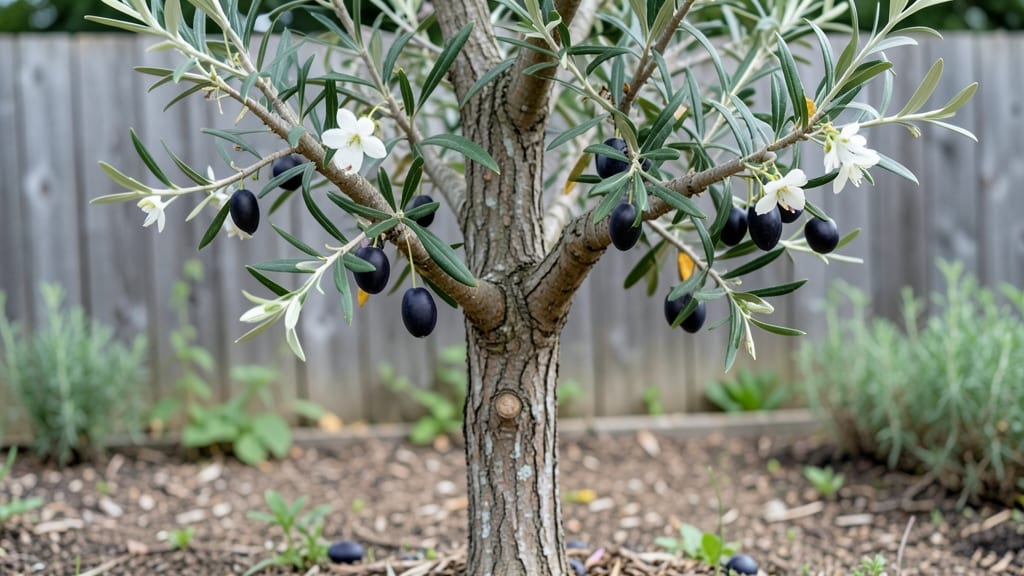
Your Mediterranean olive tree thrives when you prune it like the pros—strategic trimming keeps it productive for decades. I’ve watched my own olive tree go from scraggly to silver-dollar-sized fruit-laden branches just by following a few key rules each season.
The secret isn’t cutting back wildly but shaping growth to maximize sunlight and airflow.
Olive trees handle pruning better than most people think, but timing matters. In Zone 8-10, you can trim year-round with light maintenance, while colder climates need to wait until late winter or early spring.
Grab your pruners and focus on removing dead wood first—this alone prevents disease and pests from moving in.
What you’ll end up with is a tree that produces more consistent harvests, resists winter damage, and stays compact enough to manage easily. The branches will thicken, the trunk will strengthen, and those glossy green leaves will shine like they’re supposed to.
Think of pruning as a conversation with your tree, not a battle.
This method works whether you’re growing in a Mediterranean climate or a temperate zone—just adjust the timing. Beginners often over-prune, so we’ll cover how to tell when you’ve done enough. Let’s get those branches in shape!
📚 In This Guide
- What you need
- Instructions
- Tips and common mistakes
- Wrapping up and next steps
What you need
- ● Pruning shears: Bypass pruners (sharp, 6–8 inches) for small branches (1/4–3/4 inch thick). Anvil pruners (for thicker branches) if needed.
- ● Loppers: 1 pair (for branches 1–2 inches thick). Look for ratcheting or bypass-style for clean cuts.
- ● Pruning saw: 1 handheld bow or folding saw (for branches >2 inches thick).
- ● Disinfectant: 70% isopropyl alcohol or bleach solution (1 part bleach to 9 parts water) to sterilize tools between cuts.
- ● Garden gloves: 1 pair cut-resistant gloves (nitrile-coated for grip and protection).
- ● Heavy-duty trash bags: 2–3 (for collecting pruned branches and debris).
- ○ Pruning sealant: 1 tube tree wound sealant (optional but helpful for large cuts >1 inch).
- ● Extension pole: 1 pruning saw or loppers attachment (for hard-to-reach branches).
- ● Ladder: Aluminum step ladder (if tree is >6 feet tall). Safety first!
- ● Marking spray: Water-soluble paint (to mark branches for removal).
- ● Work boots: Steel-toe or waterproof for stability on uneven terrain.
- ● Safety glasses: 1 pair (to protect from debris).
Instructions for pruning your Mediterranean olive tree
Here's how I keep my olive tree thriving year-round with simple, strategic cuts.
Identify the Right Time for Each Season
Olive trees respond best to seasonal pruning. I start in late winter or early spring—just as new growth begins—when the tree is still dormant but about to wake up. This first cut removes dead, diseased, or crossing branches that could compete for energy. Wait until after flowering in late spring to do any major shaping, as this preserves fruit production.
In summer, I do light maintenance—just trimming any overgrown branches to improve airflow and sunlight penetration. Avoid heavy pruning then; it stresses the tree when it's already working hard to produce fruit. Finally, in fall, I make minimal cuts to remove any weak growth that appeared during the season. This keeps the tree balanced for winter dormancy.
Remove Dead, Diseased, or Damaged Wood First
Start by scanning the tree for branches that are brown, brittle, or hollow—these are dead and must go. Use clean, sharp pruning shears (or a saw for thicker branches) to make a clean cut just outside the branch collar, the swollen area where the branch meets the trunk. This prevents tears and helps the tree seal the wound faster.
Next, look for branches with diseased spots, mold, or oozing sap. These should be pruned back to healthy wood, then sterilize your tools with rubbing alcohol to avoid spreading pathogens. I always remove at least 6 inches of healthy wood beyond the last sign of disease—this ensures the problem doesn’t linger.
Thin Out the Canopy for Better Airflow
Olive trees need good airflow to prevent fungal issues, so I focus on thinning rather than just cutting back. Start at the outer edges and remove branches that are growing inward or rubbing against others. Aim to keep the canopy open and airy, with sunlight able to reach the center of the tree.
I never remove more than one-third of the tree’s foliage in a single session—this keeps stress low. If you’re unsure, step back and look at the tree from all sides. You’ll see where branches are too dense. Use your shears to make angled cuts just above a leaf node or outward-facing bud to encourage new growth in the right direction.
Shape the Tree for Balance and Aesthetics
Now’s the time to give your olive tree its signature look. I like to prune to maintain a natural, slightly rounded shape, but you can also train it into a more formal style if you prefer. Start by removing any suckers—those vigorous shoots growing from the base or trunk. These drain energy from the main structure.
For shaping, I focus on reducing the length of branches by cutting back to a leaf node or bud that faces outward. This encourages new growth in a direction that keeps the tree balanced. Avoid cutting into old wood—olive trees heal slowly, and large wounds can take years to close properly.
Clean Up and Monitor for Recovery
After pruning, rake up all the clippings and dispose of them—never leave them beneath the tree, as they can harbor pests or disease. I also take this time to inspect the tree for any signs of stress, like yellowing leaves or wilting branches. If you see these, it might mean you pruned too aggressively or at the wrong time.
Water the tree deeply after pruning to help it recover, especially if you’ve made large cuts. Olive trees are drought-tolerant, but they still need moisture to heal. Over the next few weeks, keep an eye on new growth—healthy branches will sprout green and firm, while weak or leggy growth might signal over-pruning. Adjust your approach for next season if needed.
Tips & tricks for perfect Mediterranean olive tree pruning
Strategic pruning transforms your olive tree from struggling to thriving—here’s how to make every cut count.
The Seasonal Timing Secret: In Step 1, when you’re planning your late winter/early spring cuts, mark your calendar for exactly 2-3 weeks after flowering in late spring. That’s when olive trees are most resilient for major shaping. I’ve learned this the hard way—pruning too early can stimulate new growth that gets damaged by late frosts, while cutting too late risks interfering with fruit development.
Disease Prevention Technique: After removing diseased branches in Step 2, don’t just toss them on the ground! Wrap them in a plastic bag and dispose of them in your yard waste bin. Olive trees are particularly susceptible to fungal diseases like peacock spot, and leaving infected branches nearby can reintroduce pathogens. I also keep a small bottle of rubbing alcohol in my pruning toolkit to sterilize between cuts on different trees.
Canopy Thinning Visual Trick: For Step 3’s canopy thinning, step back and look at your tree through a pair of binoculars (or even just squint). You’ll instantly spot where branches are blocking sunlight from reaching the center. Aim to remove branches that are growing at angles less than 45 degrees inward—these are the ones creating dense pockets where air can’t circulate. Think of it like opening windows in a stuffy room.
Sucker Removal Strategy: When dealing with suckers in Step 4, don’t just cut them off at the base—remove them right at the trunk junction. These aggressive shoots can regrow from even small remnants. I’ve found that using a sharp knife to make a clean cut just above the soil line (but below where the sucker meets the trunk) prevents regrowth while minimizing trunk damage.
Pro Tips for Mediterranean Olive Tree
- Strategic pruning transforms your olive tree from struggling to thriving—here’s how to make every cut count.
- The Seasonal Timing Secret: In Step 1, when you’re planning your late winter/early spring cuts, mark your calendar for exactly 2-3 weeks after flowering in late spring.
- Disease Prevention Technique: After removing diseased branches in Step 2, don’t just toss them on the ground!
Frequently asked questions
Got questions about pruning your Mediterranean olive tree? You’re not alone! Here are some of the most common concerns—and straightforward answers to keep your tree thriving.
When is the best time to prune a Mediterranean olive tree?
The ideal time is late winter or early spring (just before new growth starts). Avoid pruning in summer—it stresses the tree—unless you’re removing dead wood. For mild climates, a light trim after harvest (fall) can also work, but prioritize dormancy for major cuts.
How much should I trim off at once?
Never remove more than 20-30% of the tree’s foliage in a single session. Over-pruning weakens the tree and reduces olive production. Focus on shaping and removing dead/diseased branches first. For young trees, limit cuts to 10-15% to encourage strong growth.
What if my olive tree bleeds sap after pruning?
Sap bleeding (a sticky, milky residue) is normal but can attract pests. To minimize it, prune on a dry day and use clean, sharp tools. Seal larger cuts with pruning sealant (optional for olives). Avoid pruning when temperatures are extreme—this reduces stress and bleeding.
Can I prune an olive tree in summer?
Summer pruning is not recommended unless it’s an emergency (e.g., storm damage). Heat and drought stress the tree, slowing recovery. If you must trim, do it early morning, avoid peak sun, and keep cuts minimal. Focus on removing only dead or diseased branches—no major shaping.
What’s the difference between pruning for olives vs. ornamental trees?
Olive trees pruned for fruit production need an open canopy to allow sunlight to reach branches. Focus on:
- Thinning out crowded growth to improve air circulation.
- Removing “water sprouts” (fast-growing vertical shoots).
- Balancing the tree to avoid heavy fruit loads breaking limbs.
Pro Tip:
Use a pruning chart or sketch your tree’s structure before cutting. Label branches as “keep,” “trim lightly,” or “remove” to stay organized!
Wrapping up and next steps
The Mediterranean olive tree thrives with the right pruning care—whether you’re shaping it for beauty, boosting fruit production, or ensuring long-term health.
By following seasonal guidelines and using the right tools, you’ll keep your tree strong, productive, and resilient. Now’s the time to roll up your sleeves! 🌿✂️ Start with a quick assessment of your tree, gather your supplies, and take that first confident cut—your olive tree (and future harvests) will thank you.
🌟 Ready to Prune?
Pick a calm day, wear gloves, and begin today. Small steps lead to big rewards—your olive tree’s future starts with your first trim!