Pruning
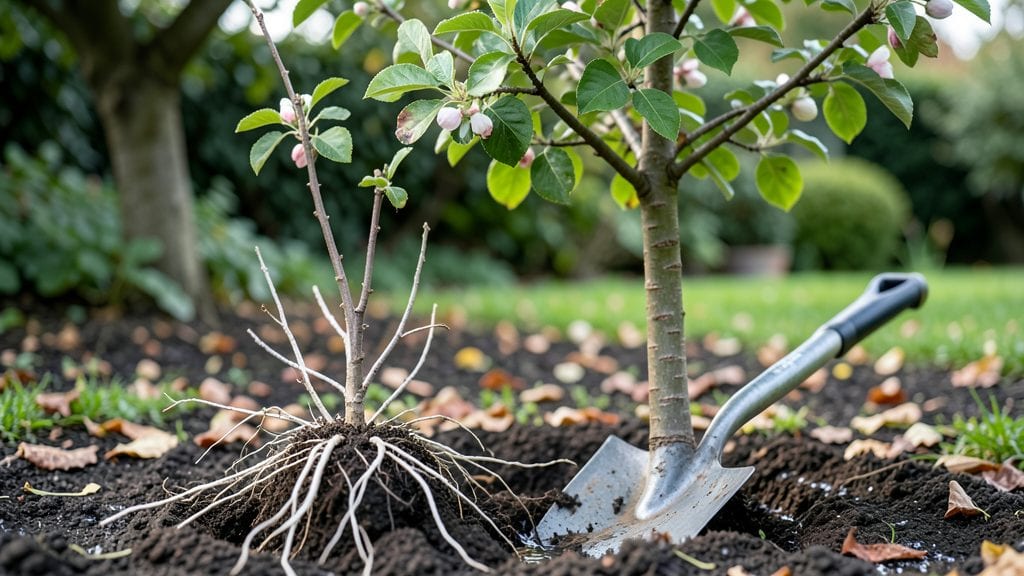
Planting an apple tree in the wrong zone guarantees a sad, short-lived plant—unless you know the USDA Plant Hardiness Zones map and how to use it.
I’ve watched neighbors in Zone 5 struggle with Zone 7 varieties, while my own trees thrive because I matched the right apples to my chilly winters and hot summers.
The secret isn’t just the zone number; it’s understanding chill hours, heat tolerance, and how microclimates can shift what grows best.
Most apple varieties need 300–1,000 chill hours (below 45°F) to set fruit, but some modern cultivars like ‘Enterprise’ or ‘Zestar!’ tolerate as few as 200 hours, making them perfect for Zones 4–6. Meanwhile, heat-loving types like ‘Anna’ or ‘Dorsett Golden’ handle Zones 7–9’s longer summers.
Your local nursery’s zone map should match your address—double-check before buying, because even a one-zone mismatch can mean poor flowering or no fruit.
Once you’ve picked the right variety, planting becomes straightforward: dig a hole twice as wide as the root ball, amend the soil with compost, and water deeply before backfilling. In colder zones, wrap the trunk with tree guard to protect against late frosts.
Within 3–5 years, you’ll see full harvests—if you’ve matched the tree to your climate. The payoff? Homegrown apples that taste nothing like store-bought, plus the pride of growing something that thrives exactly where you live.
For those in transition zones (like parts of Zone 6b/7a), consider dwarf varieties—they adapt better to edge cases and fruit faster. And if you’re near a lake or mountain, remember: those microclimates can shift your effective zone by 1–3 numbers.
The USDA map is your starting point, but local observations (and a little trial) are what turn it into a thriving orchard.
📚 In This Guide
- What you need
- Instructions
- Tips and common mistakes
- Wrapping up and next steps
What you need
- ● Apple tree sapling: Choose a variety suited to your USDA planting zone (e.g., 'Honeycrisp' for Zones 4-7). Opt for a 1-2 year old tree from a reputable nursery.
- ● Shovel: A round-point or digging shovel (18–24 inches long) for planting holes.
- ● Garden trowel: For precision when backfilling soil or amending roots.
- ● Pruning shears: Bypass pruners (sharp, 6–8 inch blades) to trim dead branches.
- ● Mulch: 3–4 inches of organic mulch (wood chips, straw) to retain moisture and suppress weeds.
- ● Compost or fertilizer: Balanced 10-10-10 or organic compost (5–10 lbs) to enrich planting soil.
- ○ Staking kit (optional but recommended): 3–4 wooden stakes + twine or flexible ties for young trees in windy areas.
- ● Watering can or hose: With a gentle spray nozzle for post-planting hydration.
- ● Soil pH test kit: Ensure your soil’s pH is 6.0–7.0 (ideal for apple trees).
- ● Tree guard or cage: Protects young trees from pests (e.g., deer or rabbits).
- ● Drip irrigation system: Automates watering for consistent moisture.
- ● Slow-release granular fertilizer: Apply in early spring for a nutrient boost.
How to select the best apple tree planting zones for your climate
Finding the right spot for your apple tree starts with understanding your USDA zone—it’s the single most important factor for long-term success.
Locate Your USDA Planting Zone
Begin by identifying your specific USDA planting zone using the official USDA Plant Hardiness Zone Map. This map divides North America into 13 zones based on average minimum winter temperatures. For example, Zone 3 (coldest) ranges from -40°F to -30°F, while Zone 10 (warmest) stays above 30°F. Apple trees thrive best in zones 4-8, but some varieties tolerate colder or warmer extremes.
Use the interactive map tool to pinpoint your exact zone. If you’re in a microclimate—like a valley or hillside—adjust slightly for local temperature variations. For instance, a south-facing slope in Zone 5 might behave like Zone 6. I always double-check with a local extension office for nuanced advice.
Match Apple Varieties to Your Zone
Not all apple trees are created equal—some varieties are bred for specific climates. Cold-hardy varieties like 'Liberty' or 'Enterprise' thrive in Zones 3-7, while heat-tolerant types such as 'Anna' or 'Dorsett Golden' do well in Zones 7-9. Check the variety’s label or database listings to confirm its recommended zone range.
If you’re in Zone 10 or warmer, focus on low-chill varieties that require fewer than 300-500 hours below 45°F to set fruit. High-chill varieties (like 'Fuji') won’t produce well in these areas. I once planted a 'Gala' in Zone 9 and was disappointed when it barely fruited—turns out it needed more winter chill than my location provided.
Assess Microclimates for Optimal Growth
Even within your zone, microclimates can make or break an apple tree’s success. South-facing slopes capture more sunlight and warmth, extending the growing season. In contrast, low-lying areas or shaded spots may stay cooler and wetter, increasing disease risk. Observe your yard’s sun exposure, wind patterns, and drainage for at least a week before planting.
Wind is a silent killer for young apple trees. If your site is exposed, plant a windbreak like evergreens or a fence on the north and west sides. Poor drainage? Avoid planting in depressions where water pools. I learned this the hard way when a 'Honeycrisp' in my backyard’s low spot developed root rot within two years—now I always test soil drainage before committing.
Plan for Pollination and Spacing
Most apple trees require cross-pollination from a different variety to bear fruit. If you’re in Zones 4-6, pair a 'McIntosh' with a 'Honeycrisp' for reliable pollination. In warmer zones (7-9), look for self-pollinating varieties like 'Anna' or 'Dorsett Golden', though yields may be smaller. Check the variety’s description for pollination requirements.
Spacing matters too. Dwarf trees need 8-12 feet between plants, while standard varieties require 20-30 feet to prevent disease spread and competition. Overcrowding leads to poor air circulation, inviting fungal infections like apple scab. I always sketch a rough layout before planting to visualize mature tree sizes.
Adjust for Future Climate Trends
Climate change is shifting zones upward by about 1-2 zones in some regions. If you’re in Zone 6 today, your grandkids might experience Zone 7 conditions. Choose varieties with a slightly broader zone range (e.g., 'Liberty'’s 3-7) to future-proof your orchard.
Heat waves and erratic winters can stress trees, so consider installing a drip irrigation system for drought-prone areas or a tree wrap to protect bark from temperature swings. I’ve seen 'Granny Smith' trees in Zone 8 struggle during heat domes—adding mulch and shade cloth extended their productive life by years.
Tips & tricks for perfect apple tree planting zones
These insights will help you navigate the complexities of planting zones with confidence and avoid common pitfalls that can derail your orchard dreams.
Zone Nuances Beyond the Map: While the USDA map provides a solid baseline, remember that microclimates can shift your effective zone by up to two levels. For instance, urban areas with heat islands might experience conditions more akin to Zone 7 even when officially listed as Zone 6. I always verify with local agricultural extensions—they often have hyper-local data that commercial maps miss. Consider installing a minimum/maximum thermometer in your planting location for a full year to get precise temperature data.
Variety Selection Strategy: When choosing apple varieties, prioritize those with zone ranges that extend beyond your current classification. For example, in Zone 6, selecting 'Liberty' (Zones 3-7) gives you built-in flexibility as zones shift upward due to climate change. I recommend cross-referencing variety databases with your local extension office—they often have field-tested recommendations that go beyond what's listed on seed packets.
Chill Hour Calculation: The 300-500 hour chill requirement is critical for fruit set, but not all hours below 45°F are equal. Focus on consistent cold—short bursts below freezing followed by warm spells don't count. I use a home weather station to track chill hours precisely, especially in transitional zones like 7-8 where many varieties fail due to insufficient winter chill accumulation.
Future-Proofing Your Orchard: With climate zones shifting upward by 1-2 levels in many regions, consider planting a mix of varieties with staggered maturity zones. For example, in Zone 6 today, you might plant one cold-hardy variety (Zone 3-6) alongside one heat-tolerant type (Zone 6-9). This hedge ensures productivity as temperatures rise, giving you insurance against climate variability.
Pro Tips for Apple Tree Planting Zones
- These insights will help you navigate the complexities of planting zones with confidence and avoid common pitfalls that can derail your orchard dreams.
- Zone Nuances Beyond the Map: While the USDA map provides a solid baseline, remember that microclimates can shift your effective zone by up to two levels.
- Variety Selection Strategy: When choosing apple varieties, prioritize those with zone ranges that extend beyond your current classification.
Frequently asked questions
Got questions about planting apple trees in the right zones? You’re not alone! Here are some of the most common concerns—plus straightforward answers to help you grow a thriving orchard.
What does the USDA planting zone mean for my apple tree?
The USDA zone map helps you pick apple varieties that’ll survive your area’s coldest winters. For example, Honeycrisp thrives in zones 3-6, while Fuji prefers zones 5-8. Check your zone (via the USDA map) and choose cold-hardy varieties for your region.
When is the best time to plant an apple tree?
Fall (late September to early November) or early spring (March–April) are ideal. Planting in fall gives roots time to establish before winter, while spring planting avoids frost risks. Avoid extreme heat or cold—your tree’s first priority is settling in!
Can I plant an apple tree in a pot or small yard?
Yes! Dwarf varieties (like Columnar or Semi-Dwarf trees) work great in containers or tight spaces. Use a 15–20 gallon pot, well-draining soil, and repot every 2–3 years. Just ensure it gets 6+ hours of sunlight daily and cross-pollinate with another variety if possible.
My apple tree leaves are curling—what’s wrong?
Curling leaves often signal pests (aphids, mites) or disease (like apple scab). Spray with neem oil or insecticidal soap for pests, and prune affected branches. For fungal issues, use copper fungicide in early spring. Prevention tip: Keep your orchard clean and water at the base (not leaves) to reduce fungal growth.
Do I need two apple trees to get fruit?
Most apple varieties need cross-pollination from another tree (same blooming time) for fruit production. Exceptions include self-pollinating varieties like Gala or Granny Smith. Plant a second tree within 50–100 feet for best results—bonus: it’ll attract more pollinators!
Wrapping up and next steps
Planting an apple tree is a rewarding journey that starts with understanding your USDA planting zones—the secret to thriving orchards! By matching your location to the right variety and climate needs, you’re setting the stage for sweet, healthy fruit for years to come. 🌱✨
Now that you’re armed with this knowledge, take the next step: visit a local nursery or trusted online supplier to pick the perfect apple tree for your zone. Happy planting—your future harvest is waiting!